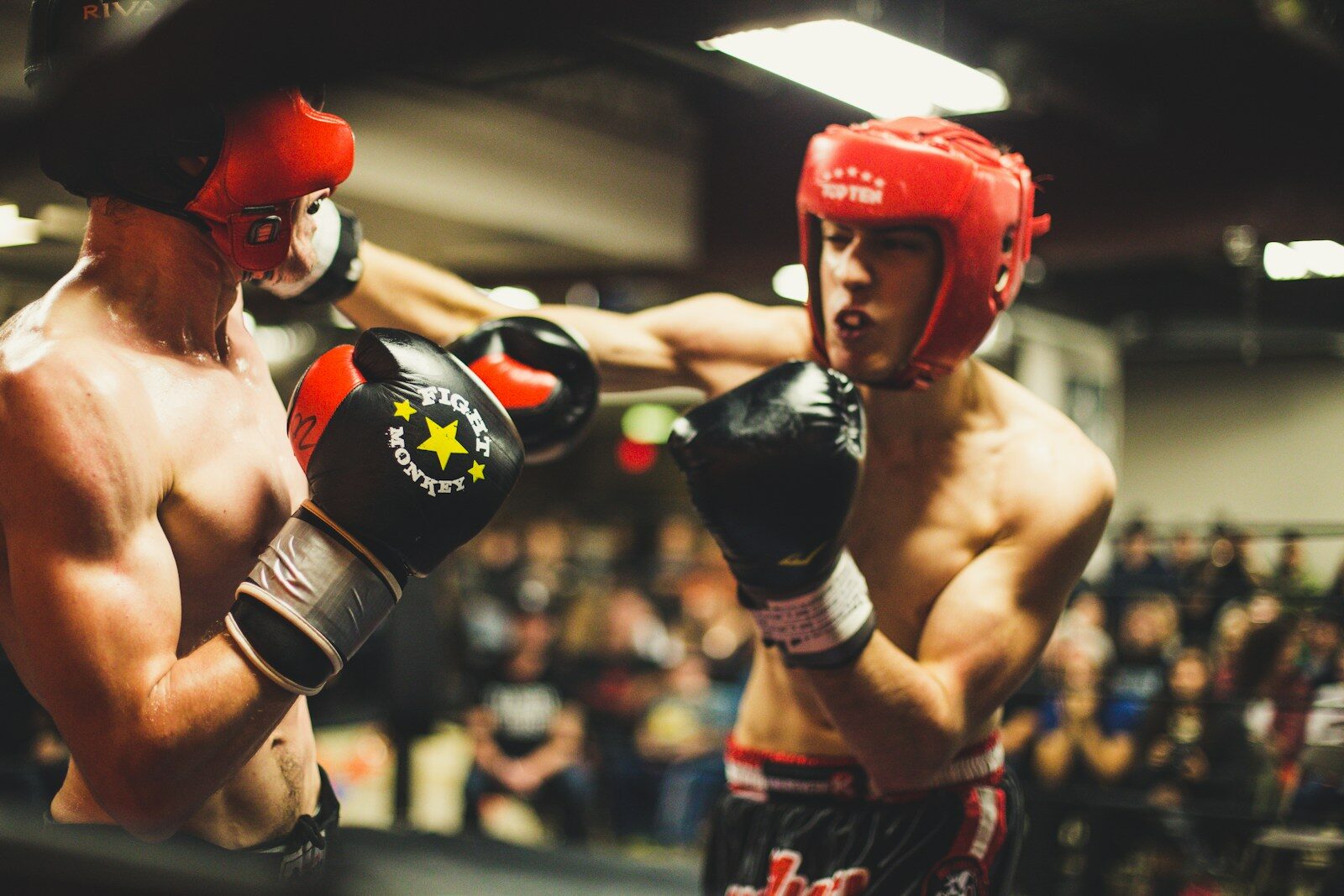
A good training partner makes you want to come back to class.
They give you enough resistance to learn, pay attention when you speak, and understand that a practice round has a purpose beyond finding out who wins. You can work through a mistake with them without every exchange becoming a contest.
That matters in boxing, Brazilian Jiu-Jitsu, and other combat sports because much of your training involves another person. Your decisions affect their session, and their decisions affect yours.
Being a better partner starts with three habits: agree on what you are doing, keep your effort consistent with that agreement, and respond immediately when someone asks to stop or adjust. From there, small choices can make a large difference to the quality of a class.
Agree on the Round Before It Starts
“Let’s go light” sounds clear until two people interpret it differently.
One person means relaxed technical work. The other means moving at full speed while trying to use less force. Within a minute, both may feel that the agreement has been ignored.
Use more specific language.
For a boxing drill, ask which punches are included, what contact is permitted, and whether the coach has set a particular pace. For a Jiu-Jitsu round, confirm whether you are drilling, practising from a position, or doing an open roll.
If the instructor has already explained the exercise, follow that structure. Do not quietly turn a cooperative drill into live resistance because you want to make it more realistic.
A short conversation can prevent a frustrating round:
- “Are we repeating the movement or adding resistance?”
- “Should we reset after the escape?”
- “Which attacks are included in this drill?”
- “Can we keep this round focused on technique?”
These questions give both people something concrete to follow.
Make Drilling Useful for Both People
Drilling asks a partner to cooperate, but cooperation still takes attention.
A partner who goes completely limp may make the movement difficult to practise. A partner who resists every step can make it impossible to learn. The useful response depends on the exercise and the instructor’s directions.
Give the reaction the technique is meant to address.
During a passing drill, that might mean maintaining the instructed guard position rather than inventing a new defense on every repetition. During pad work, it means presenting the targets properly and staying engaged with the agreed combination.
If you are unsure what response to provide, ask the coach.
Take turns fairly. Allow your partner enough repetitions to understand the movement, and avoid interrupting each attempt with another explanation. When something repeatedly goes wrong, bring the instructor over rather than turning the drill into an argument about whose version is correct.
The aim is for both people to leave with a clearer understanding.
Keep the Agreed Pace When You Are Losing
It is easy to be relaxed while everything is going your way.
The harder moment comes when your partner escapes, catches you with a clean shot, or puts you in a position you dislike. That is when a technical round can suddenly become much more intense.
Notice that change.
If the agreement was controlled practice, keep following it after a mistake. Do not answer one successful exchange with a burst of effort your partner was not expecting.
A difficult position can give you something useful to work on. You can ask about the opening afterward or request another attempt from the same starting point.
Changing the intensity without discussion makes the session unpredictable. It also removes the trust that allowed both people to experiment in the first place.
If you want a harder round, discuss it with your partner and follow the coach’s rules.
Respect the Stop Immediately
A tap, a verbal stop, or the coach’s instruction ends the action.
There is no extra moment to finish a submission, squeeze a little longer, or land the final shot. Release and create space.
The same attention applies when someone needs a brief adjustment. A mouthguard has moved, equipment has come loose, or another pair has drifted too close. Pause rather than expecting your partner to solve the problem while defending.
Sometimes the reason is less obvious. They may be uncomfortable with the pace or struggling to communicate during an exchange.
Listen without making them justify the request.
A person who can stop a round confidently has a better chance of participating honestly. They do not have to pretend that everything is fine to avoid an awkward reaction.
Choose Partners With the Session in Mind
The nearest available person is not always the most suitable partner for every exercise.
Experience, size, control, and familiarity with the drill can all influence the pairing. A coach may deliberately match students to help them learn a specific skill or manage the demands of the session.
Ask for guidance when needed.
A newer student may benefit from someone experienced enough to keep an exchange predictable. A technical session may work best with a partner who can maintain the chosen pace. Preparation for competition can require a different arrangement under the coach’s supervision.
Be honest about what you can offer that day.
If you cannot maintain the requested level of control, say so. If you are unfamiliar with the exercise, ask for help before beginning. That conversation is more useful than hoping your partner will work around the problem.
Consider the Whole Training Week
Your partner may have trained yesterday. You may have a demanding session planned tomorrow. Both of you may have arrived after a long day at work.
Those circumstances belong in the conversation about today’s training.
CEOColumn’s discussion of how athletes balance preparation and recovery uses Stephen Curry’s basketball preparation to explore the decisions around demanding activity.
Combat sports students face their own version of that planning question. A week of technical classes differs from a week containing several hard sparring sessions. Adding more rounds changes the schedule, even when each extra round seems small.
Before accepting another, consider what you intended to do today. Speak with your coach about adjusting the session when necessary.
You can still contribute as a reliable partner during an appropriately planned technical exercise. The useful choice depends on the training goal and your circumstances.
Treat Equipment and Supervision as Part of Training
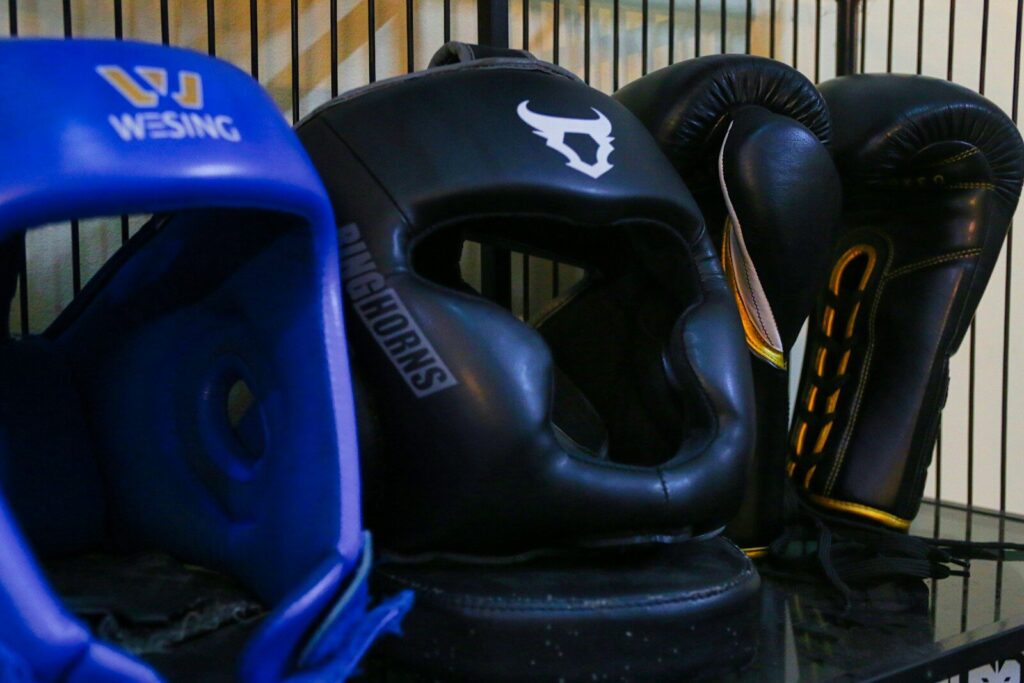
Arriving prepared helps the whole class run smoothly.
Bring the protective equipment required by your gym and make sure it is suitable for the activity. Ask your coach if you are uncertain about fit, condition, or use.
The American Academy of Orthopaedic Surgeons’ guidance on martial arts injury prevention highlights appropriate protective equipment, supervised instruction, and learning new techniques under proper guidance.
Those basics are particularly relevant when practising something unfamiliar. Watching a move online does not establish that you or your partner can perform it appropriately.
Ask the instructor before introducing a new technique into a round. Follow the gym’s restrictions, including rules that depend on experience level.
Also pay attention to the training area. Give nearby pairs room, reset when you drift toward an obstacle, and stop if the space becomes unsuitable.
Offer Feedback Your Partner Can Use
After a round, a specific observation is more helpful than a general verdict.
“You kept your balance when I changed direction” gives someone useful information. “You need better defense” leaves them guessing.
Keep feedback brief and connect it to the exercise. If you noticed an opening, explain when it appeared. If a movement felt different from the instructor’s demonstration, ask the instructor to clarify.
Avoid presenting every preference as a technical rule.
Partners can help each other notice patterns, but the coach should guide corrections when the explanation is uncertain. A question asked together can benefit both students.
It is also fine to finish a round with a simple thank-you. Every exchange does not require a review.
Help Make the Next Round Better
Before switching partners, consider one thing you could improve: clearer communication, steadier resistance, faster responses to a stop, or closer attention to the drill.
Choose something you can apply immediately.
The students people trust are often the ones who behave consistently. They follow the agreed pace, respect the instructor’s structure, and make room for their partner to learn.
Bring those habits to your next class. Confirm the task, stay attentive throughout the round, and give the other person the same opportunity to practise that you want for yourself.

As a dedicated writer and martial art enthusiast, I have carved a unique niche where the pen and the sword truly coexist. With over a decade of experience, my journey has been one of constant evolution, blending the discipline and focus of martial arts with the creativity and depth of writing. My work spans various genres, including fiction, self-help, and martial arts instruction, offering readers insights not just into the arts themselves, but into the life lessons they embody.


