Category: Food

  • Foods To Reduce Body Heat – When You Dont Want To Be Called Hot!

    Foods To Reduce Body Heat – When You Dont Want To Be Called Hot!

    Feeling the heat, huh? You wanna know what makes your body heat crank up, how to spot those signs of high body temperature, and ways to check it out to keep yourself chill and comfy.

    Let’s check out some cool foods that can help bring down your body heat, like juicy fruits and veggies, refreshing spices, and herbal teas. And hey, we’ll also chat about foods that crank up that body temp, like spicy grub and a bit of the ol’ alcohol.

    To steer clear of getting too toasty, remember to drink up, rock some light clothes, and take it easy on the workouts. Keep on reading to get the lowdown on staying cool when the heat’s on!

    What Causes Body Heat?
    What Causes Body Heat?

    Body heat is primarily caused by various factors, with external temperatures and weather conditions playing a significant role, especially during the hot and humid summer months.

    During the summer, the high temperatures and scorching sun exposure can impact your body’s thermoregulation, causing an increase in internal heat. Your body responds by sweating to cool down, but in extreme conditions, this may not be enough. Factors like physical exertion and dehydration can further elevate your body heat. When you’re faced with overheating, it’s essential to seek shade and stay hydrated.

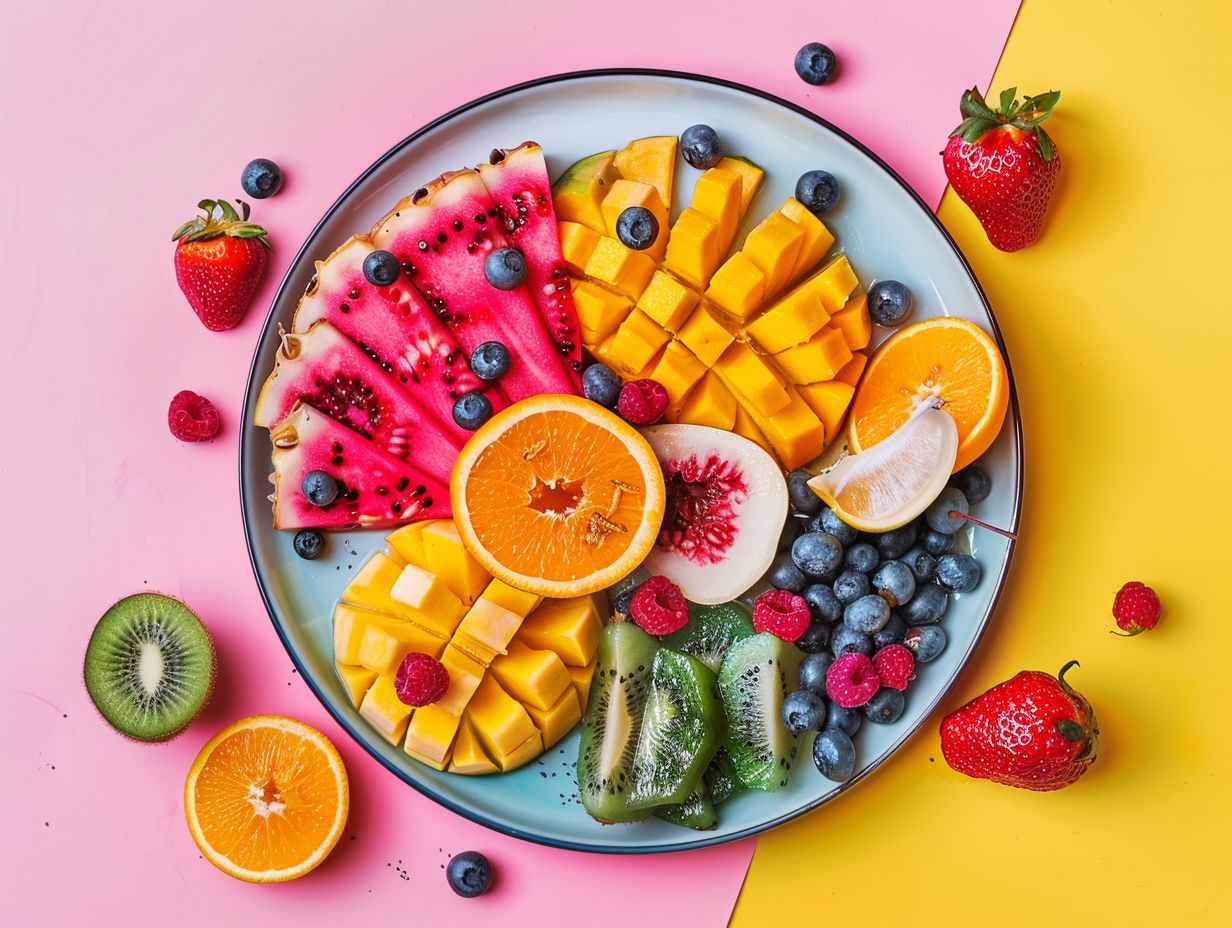
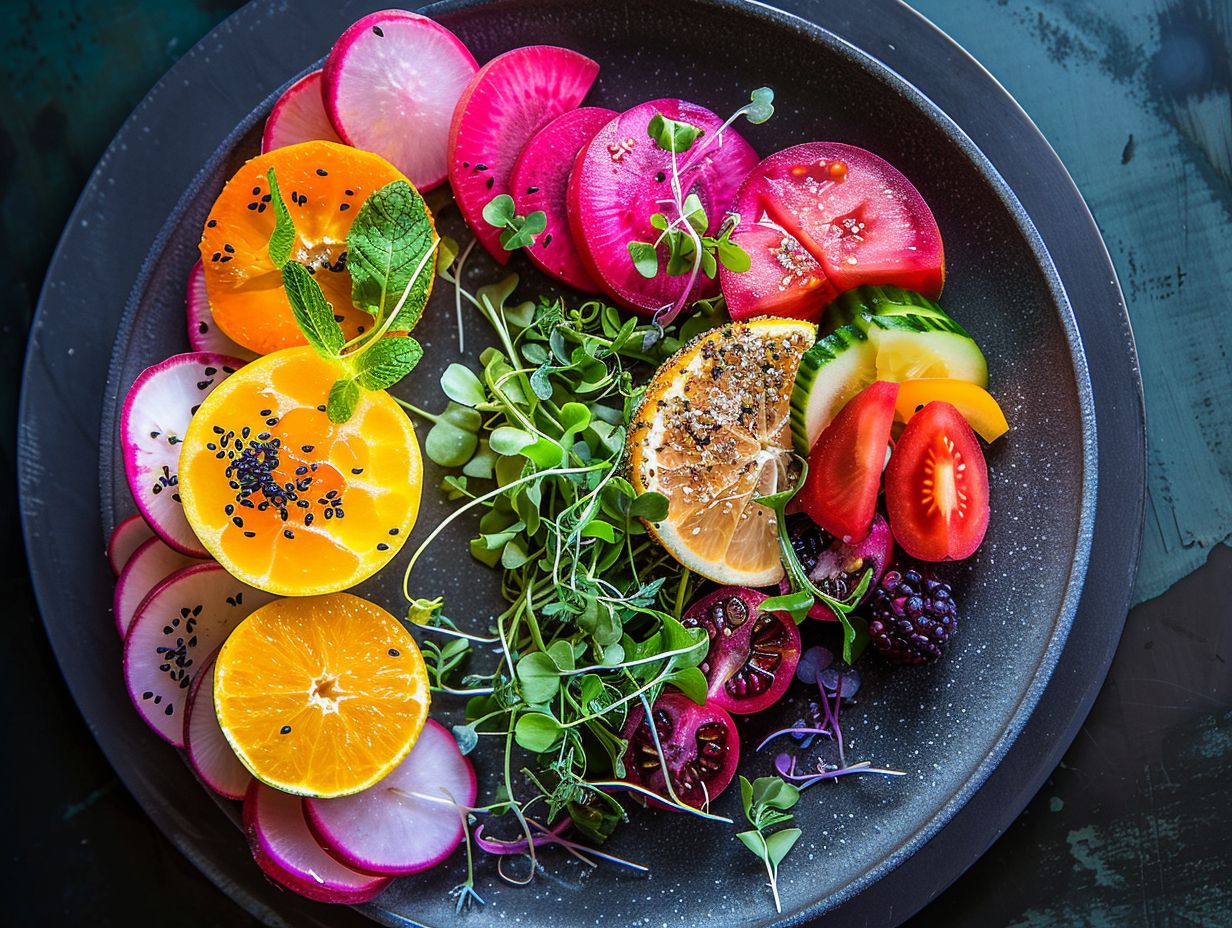
    Natural remedies such as consuming cooling foods like watermelon, cucumber, and mint can also help in reducing your body heat and maintaining a comfortable temperature.

    What Are The Symptoms Of High Body Heat?

    Recognizing the symptoms of high body heat is crucial for you to prevent complications. Overheating and dehydration can really mess with your health. So, keep an eye out for common signs like excessive sweating, a racing heartbeat, feeling dizzy, nauseous, or having flushed skin.

    When you notice these symptoms, it’s a clear sign that your body is struggling to keep its cool. That’s when you need to act fast to cool down. Make sure to drink plenty of water, find some shade, and wear light, breathable clothes to prevent overheating and dehydration.

    Spotting these symptoms early on is super important in avoiding more serious health problems like heat exhaustion or heatstroke. Remember, keeping your body temperature in check isn’t just about feeling comfortable – it’s about looking out for your overall well-being and keeping your bodily functions running smoothly.

    How To Measure Body Heat?

    To measure your body heat accurately, you can use a thermometer to check your temperature. This gives you insights into your current state of health and whether you might have a fever.

    Whether you go for a classic mercury thermometer or a fancy digital one, the process is pretty straightforward and gets the job done. Just pop the thermometer under your tongue or in your armpit to get a precise reading.

    Keeping an eye on your body temperature is crucial because it can signal if you’ve got an infection or illness brewing. If you do have a fever, simple remedies like drinking plenty of water, getting some rest, and using cool compresses can help you manage it.

    Recognizing the importance of tracking temperature changes can help you spot issues early on and make informed decisions about your healthcare.

    What Are The Foods That Can Help Reduce Body Heat?

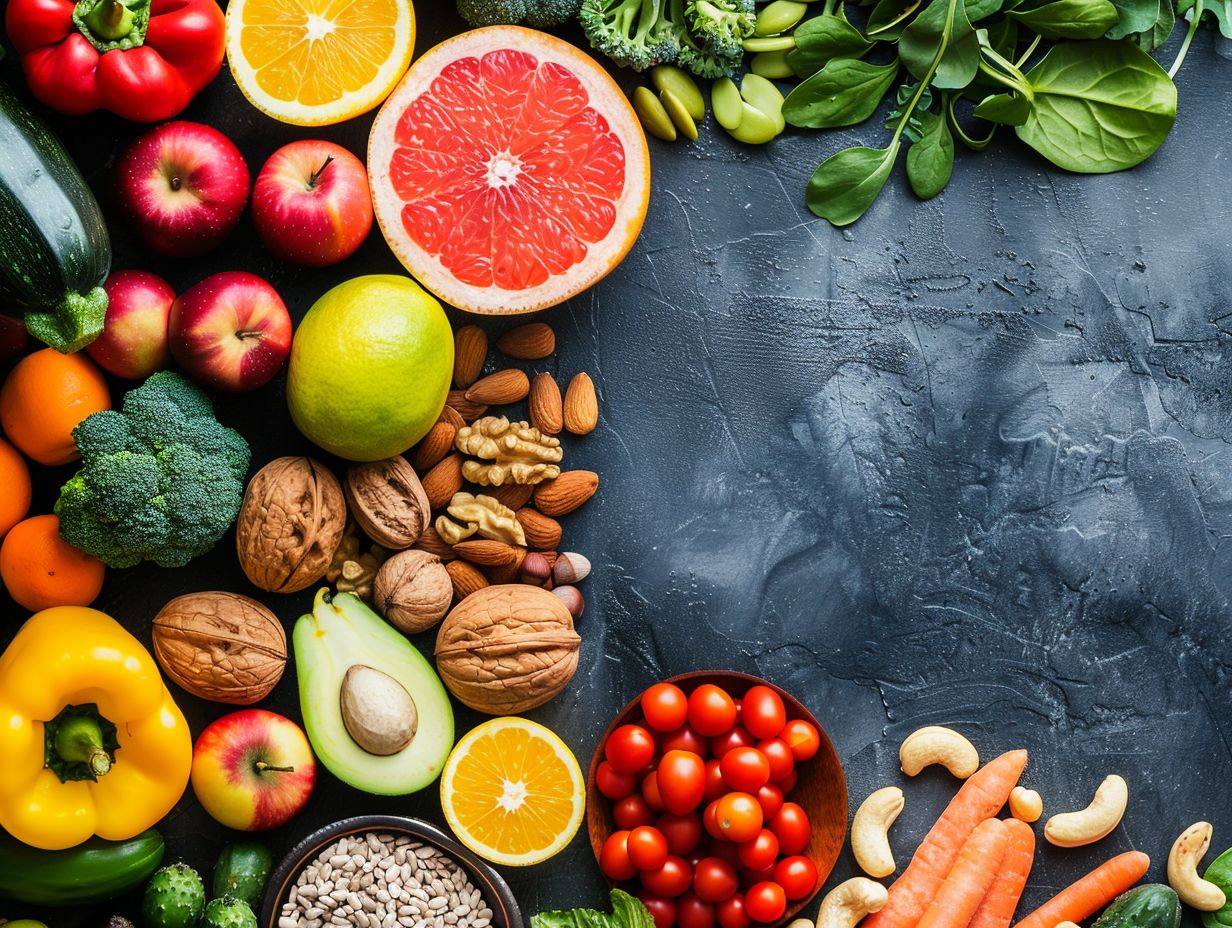
    If you’re looking to beat the heat and stay cool during hot weather, consider adding foods with cooling and hydrating properties to your diet. They can help lower your body temperature and keep you feeling refreshed.

    Some of the top foods that can help reduce body heat are watermelon, cucumbers, leafy greens, coconut water, and mint. Watermelon is perfect for hydration and lowering body temperature due to its high water content and essential nutrients. Cucumbers are also great at keeping you cool and hydrated. Leafy greens are packed with nutrients and water, ideal for balancing body temperature. Coconut water not only refreshes you but also helps replenish lost electrolytes from sweating. And mint, whether you enjoy it as a herb or in tea form, provides a refreshing and cooling effect that’s great for combating the heat.

    1. Water-rich Fruits and Vegetables

    Including water-rich fruits and veggies in your diet is a smart move to beat the heat. Think watermelon, cucumber, and lettuce – they’re like your personal cool squad, keeping you hydrated and feeling fresh.

    Not only do these foods help quench your thirst in hot weather, but they also pack a punch of essential minerals and vitamins for your overall well-being. Take cucumber, for example – it’s practically 96% water, so it’s a tasty way to chill out. And watermelon? It’s not just a juicy treat, but its high water content can help lower your body temp. Plus, pomegranate brings its antioxidant game to the table, adding a tasty twist and some much-needed hydration to your diet. It’s like having your own secret weapon to stay cool when the heat’s on.

    2. Cooling Spices

    When you’re cooking, try tossing in some mint, cilantro, coriander, and cinnamon to add a little zing to your dishes and help cool things down naturally.

    These spices aren’t just for flavor – they’ve got some cool health benefits too. Mint is like a chill pill for your body in Ayurveda, helping with digestion and fighting inflammation. Coriander‘s all about keeping your body temperature in check and balancing out that Pitta dosha. And cinnamon? It’s not just sweet and spicy – it can help regulate your body heat and make your dishes even tastier.

    By mixing these cooling spices into your meals, you’re not just making them more delicious – you’re also giving your body a nice little boost.

    3. Foods High in Electrolytes
    3. Foods High in Electrolytes

    When you’re feeling the heat, opt for foods rich in electrolytes like coconut water, avocado, and spinach to keep your hydration levels in check and balance out those electrolytes in your body.

    Coconut water is a rock star when it comes to potassium and magnesium, perfect for replenishing those electrolytes lost during your sweating sessions. Avocado, with its potassium and fiber goodness, not only helps with electrolyte balance but also packs a punch with vitamins C, E, K, and B-6.

    Don’t forget about beans! Black beans and kidney beans are loaded with essential minerals like potassium and phosphorus that are crucial for regulating fluid balance and keeping your overall health in top-notch shape.

    4. Herbal Teas

    When you’re feeling the heat, why not reach for a refreshing herbal tea like green tea or peppermint? Not only will it keep you hydrated, but the antioxidants and vitamins in these teas can naturally help cool your body down.

    Green tea is your go-to for a reason – it’s packed with antioxidants like catechins that fight off oxidative stress in your body. These bad boys not only strengthen your immune system but also give you that healthy glow and overall wellness boost.

    On the flip side, peppermint tea brings that cooling sensation thanks to menthol, giving you some relief from the sweltering heat. With these natural powerhouses on your side, herbal teas are the ultimate choice for anyone looking to chill out while reaping some serious health benefits.

    What Are The Foods That Can Increase Body Heat?

    When it’s scorching outside, you should watch out for certain foods that can crank up your body heat. Spicy dishes, high-protein meals, and caffeinated drinks are the usual suspects.

    Spicy foods are packed with capsaicin, a compound that revs up your body’s heat production and makes your temperature spike temporarily. High-protein meals, great for building muscle and keeping you full, can also kick your metabolism into high gear, creating extra heat. And then there’s caffeine, the energizing ingredient in your coffee and tea, which can jack up your heart rate and metabolism, leading to a rise in body temperature.

    Sure, these foods taste good and give you a boost, but you gotta keep it in check to avoid turning yourself into a human radiator in the summer heat. To keep things cool, balance out these heat-inducing foods with plenty of hydrating, refreshing fruits and veggies. That way, you can enjoy your meals without feeling like you’re about to melt on the sidewalk.

    1. Spicy Foods

    When you indulge in spicy foods with ingredients like chili peppers or mustard seeds, they can crank up your body heat due to their fiery nature. That’s why it’s a good idea to enjoy them in moderation, especially when the weather is scorching.

    These spicy ingredients kick off a thermogenic reaction in your body, making you sweat more to cool down naturally. But in hot climates, adding that extra heat from spicy foods can really crank up the discomfort of soaring temperatures. If you go overboard with these fiery treats, you might end up with tummy troubles like heartburn or stomach issues, making the heat even more unbearable. That’s why it’s all about finding the right balance when you dig into spicy foods – relishing the flavors while being aware of their impact on your body’s temperature regulation.

    2. Alcohol

    When you sip on alcoholic beverages like wine, beer, or spirits, it can amp up your body heat and leave you feeling parched. That’s why it’s key to enjoy them in moderation to keep that body temperature in check.

    As soon as that drink hits your system, it starts widening blood vessels near your skin’s surface, giving you that toasty feeling. This reaction can crank up your body temp, especially when it’s scorching outside.

    But here’s the kicker: alcohol also acts like a diuretic, making you pee more and lose extra water. If you don’t chug enough water to make up for it, you could end up dehydrated. That’s why it’s crucial to watch how much alcohol you throw back, especially in hot weather. You don’t want to overload your body’s heat and fluid regulation system, right?

    3. Caffeine

    If you’re into caffeinated beverages like coffee, tea, or certain soft drinks, they can really give you a kick and maybe even heat up your body a bit. So, it’s a good idea to keep a lid on how much you gulp down to avoid turning into a human radiator.

    When you sip on these drinks, the caffeine can rev up your central nervous system, giving you a boost in both energy levels and metabolism. This ramped-up metabolism can crank up your body heat. While a bit of caffeine can perk you up, going overboard might crank up the heat too much, possibly leading to some serious discomfort or heat-related issues.

    That’s why it’s important to tune in to what your body’s telling you and go easy on the caffeine to keep your body temperature in check.

    4. High Protein Foods
    4. High Protein Foods

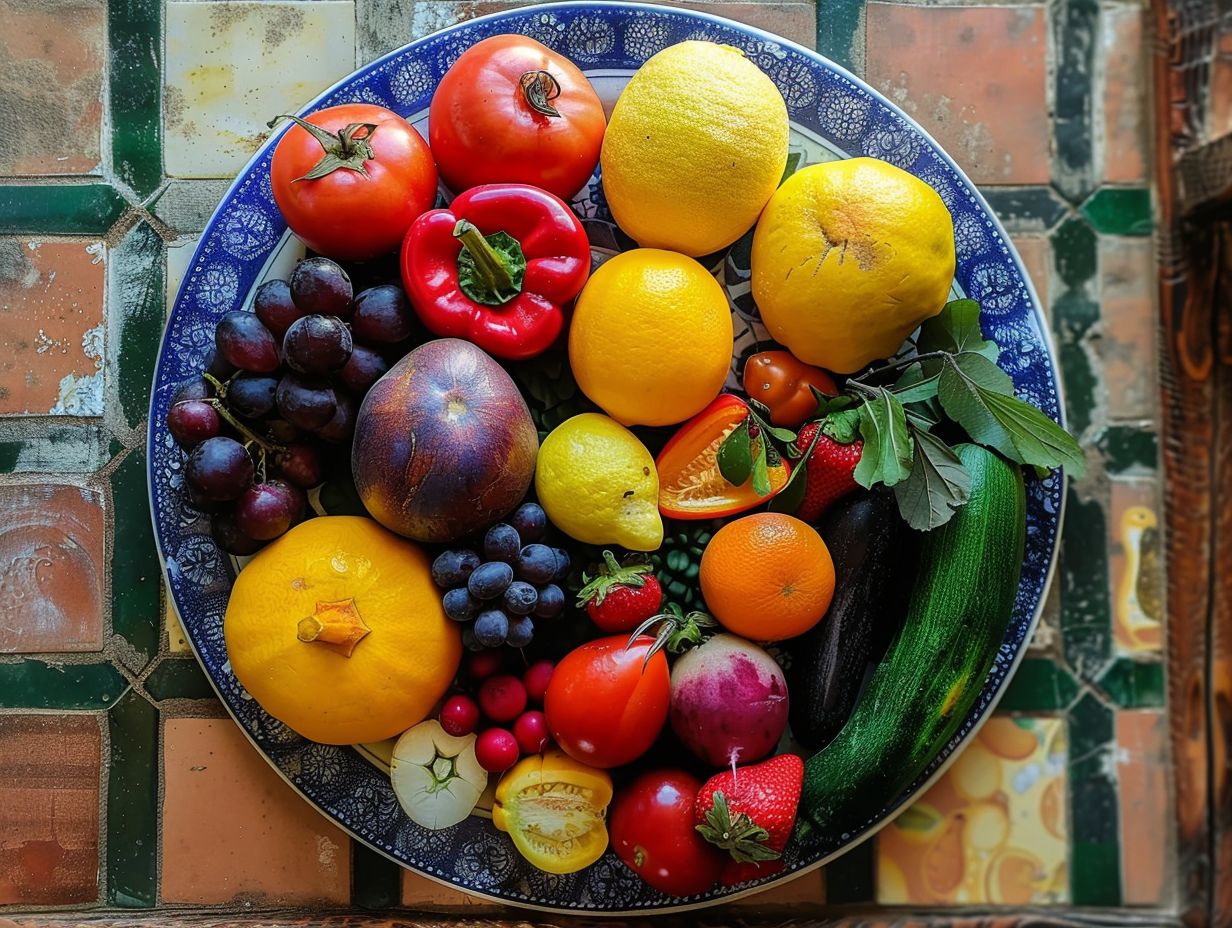
    When you’re thinking about what to eat, consider adding high-protein foods like eggs, lentils, and beans into your diet. These foods can help rev up your metabolism and support muscle growth. Since proteins take more energy to digest, they can really amp up your calorie-burning game.

    But hey, don’t forget to balance things out, especially when the weather’s warm. If you load up on too many high-protein foods without cooling options, you might throw your body temperature out of whack. To keep things in check, mix in some hydrating fruits like watermelon or cucumber, along with leafy greens. They not only refresh you but also make sure you’re getting a good mix of nutrients.

    How To Prevent High Body Heat?

    To prevent high body heat, you should follow some key strategies. Make sure to stay hydrated by drinking enough water throughout the day. Wear light, breathable clothing like cotton to help your skin breathe and sweat evaporate. Avoid doing strenuous activities during the hottest parts of the day. Instead, try to schedule outdoor activities for the early morning or late evening when it’s cooler outside.

    In addition, using effective cooling techniques can help regulate your body temperature. Consider consuming hydrating fruits and vegetables or applying a cool damp cloth to pulse points to stay comfortable in the heat. These natural remedies can be a game-changer for keeping your body temperature in check on those scorching days.

    1. Stay Hydrated

    To prevent high body heat and dehydration, especially in hot weather, make sure you stay hydrated by consuming enough water, electrolyte-rich beverages like coconut water or buttermilk, and water-based fruits like watermelon.

    Watermelon is a top pick with its high water content and natural electrolytes that help cool your body down and replace essential minerals lost through sweating. If you’re looking for a refreshing alternative to sugary sports drinks, coconut water is your go-to. It’s known for its hydrating properties and rich electrolyte profile. And don’t forget about buttermilk—it not only keeps you hydrated but also provides probiotics to aid in digestion. It’s a versatile and nutritious choice for keeping your body temperature in check.

    2. Wear Light and Breathable Clothing

    Regarding keeping cool and comfy, opt for clothing made from light and breathable materials like cotton or linen. This helps prevent your body from overheating, especially when the heat is on during those summer months.

    Going for fabrics like cotton or linen lets your skin breathe easier, improving air circulation and moisture absorption. These materials are perfect for warm weather because they soak up sweat and help it evaporate, keeping you feeling fresh all day. Plus, comfy clothes reduce skin friction, keeping irritation at bay and making it easier to move around in the heat. By making comfort and breathability a priority in your clothing choices, you can effectively regulate your body temperature and enjoy the cool benefits all summer long.

    3. Avoid Strenuous Activities During Peak Heat Hours

    To prevent getting overheated and risking heat-related illnesses during hot weather, it’s best for you to avoid strenuous physical activities, especially in the peak heat hours like the afternoon. Working out hard under the blazing sun can mess with your body’s temperature control. Too much heat can leave you dehydrated, exhausted, or worse – with heat stroke. Keep an eye out for signs of overheating, like excessive sweating, feeling dizzy, or nausea, and make sure to cool down right away.

    Instead of pushing yourself too hard during the hottest part of the day, consider going for lighter exercises in the morning or evening when it’s cooler. You can still get the benefits of being active without putting yourself at risk for heat-related problems. Stay safe and listen to your body’s cues to avoid getting burned – literally and figuratively.

    4. Use Cooling Techniques

    When you’re feeling the heat, try these cooling techniques to bring your body temperature back down and find some relief. Ice packs are your best friend for targeting specific areas of your body that need a chill-out session after being in the heat. Cool showers aren’t just for cleaning up – they also help gradually lower your body temperature. And don’t forget to seek out shaded spots to dodge the direct sunlight, reducing the chance of overheating and keeping your body temperature in the comfort zone when it’s scorching outside.

    When To Seek Medical Attention?
    When To Seek Medical Attention?

    If you start experiencing severe symptoms of prolonged high body heat, it’s crucial that you seek medical attention right away. These signs could be a red flag for a medical emergency that needs immediate intervention and treatment.

    Some key things to watch out for that should make you consider seeking urgent medical help are a super high body temperature, feeling confused, dizzy, or like you might faint, and having a rapid heartbeat. These severe symptoms could be pointing to heatstroke, which is a serious condition that requires quick medical assistance to prevent any major health issues.

    If you or someone you’re with is showing these signs, don’t wait around – call emergency services or head to the nearest healthcare facility for a fast evaluation and treatment. Ignoring these warning signs could lead to complications or even life-threatening situations. So, don’t take any chances; get help right away.

    Frequently Asked Questions

    What are some natural foods to reduce body heat?

    Some natural foods that can help reduce body heat include watermelon, cucumber, coconut water, mint, and coriander leaves.

    Is it necessary to eat specific foods to reduce body heat?

    No, it is not necessary to eat specific foods to reduce body heat. However, consuming foods with cooling properties can help regulate body temperature.

    What are the benefits of incorporating foods to reduce body heat in our diet?

    Including foods to reduce body heat in our diet can help prevent heat exhaustion, lower the risk of heat stroke, and improve overall hydration levels in the body.

    Are there any foods to avoid to reduce body heat?

    Yes, there are certain foods that can increase body heat and should be avoided, such as spicy, oily, and fried foods.

    Can foods to reduce body heat also provide other health benefits?

    Yes, many foods that help reduce body heat also provide other health benefits, such as improving digestion, boosting immunity, and providing essential nutrients to the body.

    Can children also benefit from consuming foods to reduce body heat?

    Yes, children can also benefit from consuming foods to reduce body heat. It is important to ensure they stay hydrated and consume cooling foods during hot weather to prevent heat-related illnesses.

  • Worst Foods For Cellulite – Avoid Them

    Worst Foods For Cellulite – Avoid Them

    Cellulite can be a common concern for many of you, causing that pesky dimpled skin, particularly around your thighs and buttocks. Let’s dive into what factors contribute to cellulite formation and how you can work to reduce its appearance.

    We’ll also talk about the foods that could be making your cellulite worse, like processed foods, high-sugar treats, and those sneaky trans fats. But don’t worry, we’ll also cover the foods that can actually help reduce cellulite and give your skin a boost in the looks department.

    What Is Cellulite?

    If you have cellulite, you’re not alone. It’s a common skin condition that messes with your connective tissue, giving your skin that dimpled or ‘orange peel’ look.

    When cellulite shows up, it’s like those fat cells underneath your skin are trying to push through and make themselves known. This whole drama ends up creating that bumpy texture that we all know too well. It’s most obvious in areas where your skin is thinner, like your thighs and booty. The connective tissue in those spots gets all wonky, and boom – you’ve got cellulite staring back at you. Blame it on things like genetics, hormones, bad circulation, or just not moving around enough. These factors can team up to make your cellulite situation even worse. And let’s be real, nobody’s happy about how it looks. That’s why so many folks out there are on the hunt for treatments to smooth out their skin and say goodbye to the cellulite.

    What Causes Cellulite?

    Cellulite is primarily caused by factors like excess fatty deposits, inflammation, toxins accumulation in the adipose tissue, poor circulation, and hormonal imbalances. When your body fat increases and presses against the connective tissue under your skin, it creates that dimpled cellulite look. Inflammation weakens the connective tissue, making it easier for fat cells to bulge out. Toxins building up in your body can mess with normal cell function, contributing to cellulite formation. Poor circulation makes it harder to remove waste efficiently and can lead to fluid retention in those problem areas. Hormonal imbalances, especially with estrogen levels, can also mess with how your body stores and distributes fat, which can end up causing cellulite.

    How Can You Reduce Cellulite?

    To reduce cellulite, you need to focus on boosting collagen production, improving blood circulation, and making some anti-cellulite lifestyle changes like exercising and staying hydrated.

    Collagen is a key player in maintaining skin structure and elasticity, which can help lessen the look of cellulite. Load up on collagen-boosting foods such as berries, fish, and veggies to give your skin a boost.

    Get moving with regular exercise, especially targeting those cellulite-prone areas. This not only improves blood flow but also helps tone your muscles, reducing that dimpled skin appearance. And don’t forget to hydrate – drinking plenty of water is key to keeping cellulite at bay.

    Incorporating these tips into your daily routine can make a big difference in reducing cellulite over time.

    1. Exercise

    You know that keeping up with regular exercise is key when it comes to reducing cellulite. It’s all about toning those muscles, revving up your metabolism, boosting blood flow, and breaking down those pesky fat cells.

    In terms of targeting cellulite-prone areas like your thighs and buttocks, exercises like squats, lunges, and leg lifts are your best friends. These lower body workouts can help you build up muscle strength and tone, giving your skin a smoother, firmer appearance.

    Don’t forget to mix in some cardio exercises, too. Whether it’s running, cycling, or swimming, these workouts are great for burning off excess fat and helping to diminish the look of cellulite. The increased heart rate from cardio activities helps with blood circulation, which can flush out toxins and waste products, further reducing the appearance of cellulite.

    2. Proper Nutrition

    To combat cellulite, you should focus on maintaining a healthy diet that fights inflammation, avoids unhealthy saturated fats, and gives your body essential nutrients like antioxidants, vitamins, and minerals.

    Avoid those processed foods loaded with trans fats and sugars. Instead, go for whole foods like fruits, veggies, lean proteins, and whole grains. These choices don’t just help manage cellulite, they also prevent inflammation and support your skin’s elasticity and overall health.

    Try adding more antioxidant-rich foods to your diet- think berries, nuts, and leafy greens. Antioxidants combat those pesky free radicals that contribute to cellulite. And don’t forget to stay hydrated by drinking plenty of water. Hydration is key for healthy skin and reducing the appearance of dimpled skin.

    What Are the Worst Foods for Cellulite?

    What Are the Worst Foods for Cellulite?

    Certain foods can worsen cellulite due to their high levels of unhealthy elements like processed foods, sugary treats, high sodium options, junk food, and saturated fats. These foods tend to trigger the buildup of fat cells under your skin, resulting in that textured look commonly associated with cellulite.

    Processed foods often pack additives and preservatives that can throw your body off balance and fuel inflammation, potentially making cellulite worse. Likewise, sugary treats and high-sodium choices might lead to water retention, making cellulite more noticeable. Junk food, being low on nutrients and high on calories, can also encourage cellulite formation.

    Choosing whole foods such as fruits, veggies, lean proteins, and healthy fats can help combat cellulite by supplying vital nutrients and antioxidants that promote skin health and reduce inflammation.

    1. Processed Foods

    Processed foods are not your best friends when it comes to dealing with cellulite. They’re like troublemakers full of toxins that mess with your detoxification and diet efforts.

    The toxins lurking in additives, preservatives, and artificial flavorings in processed foods not only fuel cellulite’s growth but also throw a wrench in your body’s detox and waste elimination systems. Say goodbye to those processed foods and give a warm welcome to fresh, whole foods packed with antioxidants, vitamins, and minerals. This switch-up will help your body detox naturally and gradually reduce cellulite’s appearance.

    Don’t forget to load up on hydrating foods like fruits and veggies to kick out those toxins and keep your skin looking its best.

    2. High-Sugar Foods

    Avoid those high-sugar foods if you’re trying to fight off cellulite. They mess with your blood sugar levels and cause inflammation, which isn’t great for your anti-cellulite efforts. Instead, go for foods rich in antioxidants and healthier options.

    If you keep chowing down on high-sugar goodies, you’re setting yourself up for a cellulite disaster. Your blood sugar shoots up when you eat sugar, leading to the release of insulin that tells your body to store fat. Plus, all that inflammation from high-sugar foods just adds fuel to the cellulite fire.

    To fight back, load up on antioxidants like berries, leafy greens, and nuts to calm inflammation and keep your skin happy. Swapping sugary snacks for whole grains and lean proteins can also help you manage that pesky cellulite.

    3. High-Sodium Foods

    When you consume high-sodium foods, you might notice water retention worsening your cellulite and messing with your hydration levels, which can make it harder to tackle that cellulite.

    If you’re taking in too much sodium, your body might hold onto more water than it needs, leading to bloating and puffiness that could make cellulite more obvious.

    It’s important to keep an eye on sodium levels in processed foods, condiments, and canned goods since they often hide high amounts of sodium.

    To cut back on sodium intake, try going for whole foods like fresh fruits and veggies, lean proteins, and whole grains.

    And remember to stay hydrated by munching on water-rich foods and drinking plenty of water to help flush out that excess sodium from your body and support your cellulite reduction goals.

    4. Trans Fats

    Avoid those pesky trans fats found in processed and fried foods like the plague – they’re inflammation triggers that mess with your fat cells and hinder your quest for smoother skin and less cellulite.

    When you’ve got trans fats in your diet, you’re basically laying out the red carpet for adipose tissue filled with big, angry fat cells that make cellulite worse. These bad fats stir up trouble by causing inflammation all over your body, which only adds fuel to the cellulite fire. Swap those troublemakers out for healthier options like whole foods packed with good fats and antioxidants. This way, you’ll cut down on trans fat intake and give your skin a fighting chance for a smoother texture and less noticeable cellulite.

    5. Alcohol

    5. Alcohol

    When you drink too much alcohol, your liver takes a hit. It struggles to process the alcohol, which means it can’t do its job properly – like digesting nutrients or getting rid of toxins. This can lead to more than just cellulite issues; it can affect your overall health and well-being.

    If you cut back on alcohol and opt for healthier choices, you’re not just helping reduce cellulite. You’re also giving your liver a break and supporting your body’s detox processes. Finding a balance in your alcohol consumption can go a long way in helping you reach your health and aesthetic goals.

    Are There Any Foods That Can Help Reduce Cellulite?

    Certain foods rich in antioxidants, vitamins, minerals, and high water content can help reduce cellulite by boosting skin health, collagen production, and detoxification processes.

    These foods work like magic to improve the look of cellulite-affected skin. Adding fruits like berries, oranges, and kiwis to your diet not only gives you a good load of antioxidants but also essential vitamins like Vitamin C, which is key for making collagen.

    Don’t forget to throw in some veggies like spinach, kale, and broccoli to up your mineral intake for healthy skin. And remember to keep hydrated with water-rich foods like cucumbers and tomatoes to aid in detoxification and reduce those pesky signs of cellulite.

    1. Foods High in Antioxidants

    Including foods high in antioxidants in your diet can aid in reducing cellulite by helping combat oxidative stress, supporting a healthy diet plan, and promoting overall skin health. Antioxidants are key players in shielding your skin from the harmful effects of free radicals, which can contribute to cellulite development.

    By fighting off these free radicals, antioxidants help keep your skin elastic and improve its overall look. Adding antioxidant-rich foods like berries, green tea, and nuts to your diet can boost collagen production, crucial for maintaining skin firmness and reducing that dimpled cellulite appearance. Not only will this diet benefit your skin, but it will also support your overall well-being.

    2. Foods Rich in Omega-3 Fatty Acids

    By adding foods rich in omega-3 fatty acids to your diet, you can give cellulite the boot. These foods help to reduce inflammation, keep your skin glowing, and support those beauty treatments you love.

    Omega-3 fatty acids are like the superheroes of your cell membranes, keeping them healthy and your skin looking smooth. They also swoop in with their anti-inflammatory powers to fight the root causes of cellulite. So, load up on fatty fish, flaxseeds, chia seeds, and walnuts in your meals to give your cosmetic cellulite treatments a boost. Not only will your skin thank you, but your overall well-being will benefit too.

    3. Foods High in Vitamin C

    When aiming to reduce cellulite, consider adding foods rich in vitamin C to your diet. Vitamin C plays a key role in boosting collagen production, supporting skin health, and complementing aesthetic medicine treatments.

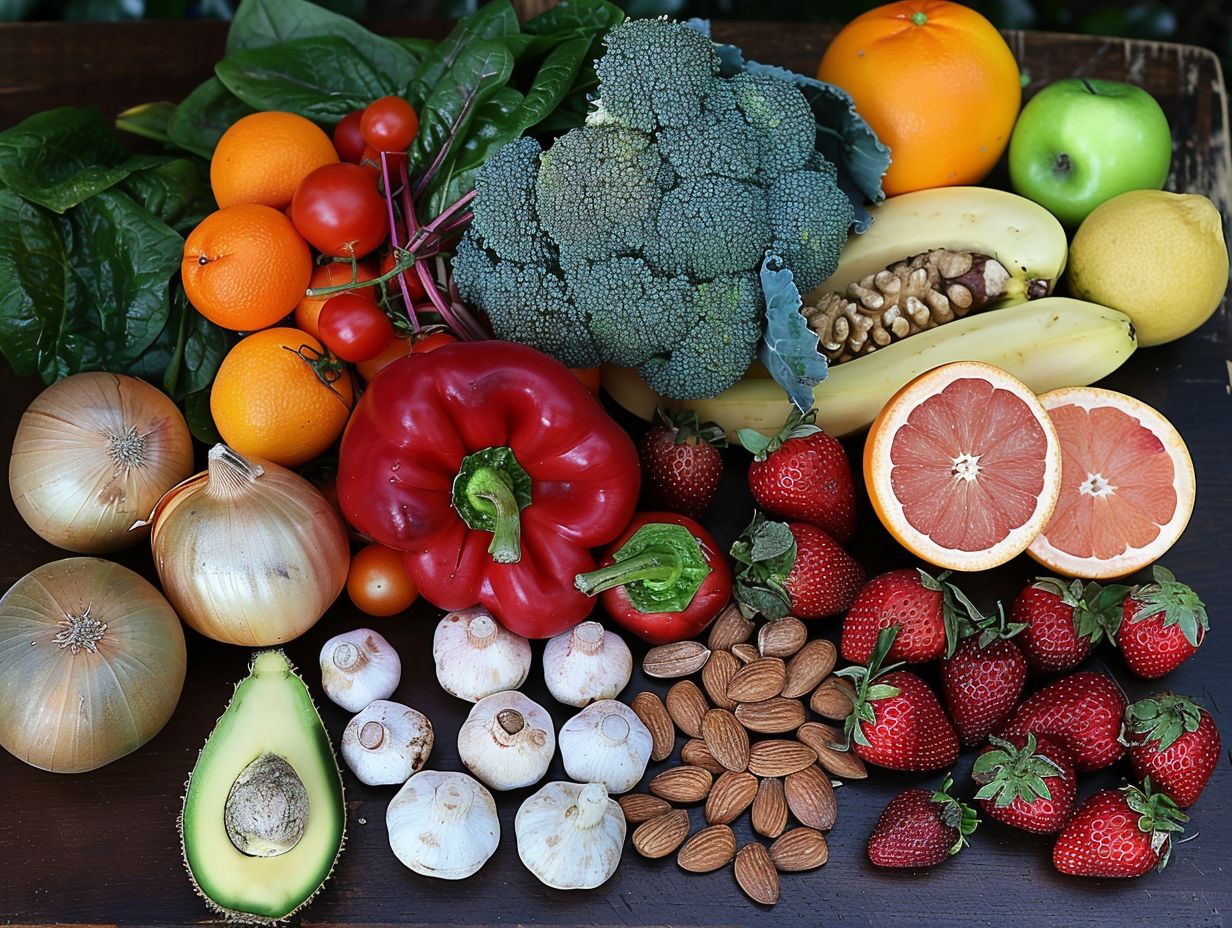
    You probably already know that vitamin C is a superstar when it comes to its antioxidant properties. It helps shield the skin from free radicals and promotes a youthful glow. By adding vitamin C-rich foods like oranges, strawberries, and bell peppers to your meals, you’re giving your skin a boost in structure and elasticity.

    This natural method of reducing cellulite not only tackles the root causes but also pairs well with professional treatments such as laser therapy or massages. It’s a well-rounded approach that combines good nutrition with modern skincare techniques for the best outcome.

    4. Foods High in Water Content

    4. Foods High in Water Content

    Incorporating foods with high water content in your diet can help you reduce cellulite. Foods like cucumbers, watermelon, and citrus fruits are great options to keep your body hydrated, which is key for maintaining skin elasticity and minimizing cellulite. These foods also provide important nutrients that support metabolic functions, helping your body break down fats that contribute to cellulite.

    Pairing these hydrating foods with regular massage therapy sessions can boost the effects even more. Massage therapy improves circulation and lymphatic drainage, enhancing the impact of the hydrating foods and leading to more effective cellulite reduction in the long run.

    Frequently Asked Questions

    What are the worst foods for cellulite?

    The worst foods for cellulite include processed and high-fat foods, such as fried foods, processed meats, and sugary snacks. These foods can contribute to the formation of cellulite by increasing inflammation and fat accumulation in the body.

    Do dairy products worsen cellulite?

    Dairy products, especially full-fat dairy, can worsen cellulite due to their high levels of saturated fat and hormone content. Consuming too much dairy can contribute to inflammation and fat build-up, both of which are linked to cellulite.

    Are carbohydrates bad for cellulite?

    In general, consuming too many refined carbohydrates, such as white bread and pasta, can worsen cellulite. These foods can cause spikes in insulin levels, which can lead to fat storage and inflammation, both of which can contribute to cellulite formation.

    What is the role of salt in cellulite formation?

    Eating too much salt can worsen cellulite by causing water retention and bloating, making cellulite more noticeable. High levels of salt can also contribute to inflammation and damage to the skin’s connective tissue, which can worsen the appearance of cellulite.

    Can alcohol contribute to cellulite?

    Excessive alcohol consumption can worsen cellulite by causing dehydration and inflammation in the body. Alcohol is also high in calories and can lead to weight gain, which can increase the appearance of cellulite.

    Do certain types of fats cause more cellulite?

    Saturated and trans fats, commonly found in processed and fried foods, can worsen cellulite due to their negative impact on the body’s inflammation and fat accumulation. On the other hand, consuming healthy fats, such as omega-3s found in fish and nuts, can help reduce the appearance of cellulite.

  • Foods That Lower Prolactin

    Foods That Lower Prolactin

    You need to know that prolactin is a hormone that’s pretty important in your body, especially when it comes to making breast milk. Having high levels of prolactin can cause some health issues.

    Let’s get into what causes high prolactin levels, what symptoms to look out for, and how you can treat it. We’ll chat about how your diet, lifestyle habits, natural supplements, and knowing when to reach out to a healthcare pro can help manage those high prolactin levels.

    Join us on this journey as we uncover the world of prolactin and figure out the best ways to keep those levels in check.

    What Is Prolactin?

    What Is Prolactin?

    You’re probably familiar with prolactin – it’s a hormone your pituitary gland pumps out, pulling some serious weight in your body’s operations. Especially for women, prolactin is key during pregnancy and breastfeeding, working hard to regulate milk production and keep the reproductive system in check.

    What Is the Role of Prolactin in the Body?

    Your body relies on prolactin to do a lot of heavy lifting – from ramping up milk production for nursing moms to influencing estrogen and dopamine levels, this hormone is like the backstage manager for your hormonal health. Prolactin is crucial for keeping things in balance, especially when it comes to lactation.

    In the grand scheme of things, prolactin is like the team player in your body’s hormone squad, working hand in hand with other hormones to keep the show running smoothly. Think of it as a dance – prolactin and dopamine busting moves together to make sure everything flows as it should. And don’t forget about estrogen – it can throw a curveball into prolactin’s game, showing just how interconnected our hormonal pathways really are.

    Regarding milk production, prolactin takes the spotlight, shining a light on how important nutrition is for hormonal harmony. Fueling up with plant-based foods full of essential nutrients can be a game-changer for supporting lactation and keeping your overall well-being in check.

    What Causes High Prolactin Levels?

    When you have high prolactin levels, it could be because of different things like hormonal imbalances, issues with the endocrine system, or underlying hormonal disorders. It’s important for you to know what’s causing your elevated prolactin levels so you can take care of your hormonal health and work towards feeling your best.

    What Are the Symptoms of High Prolactin Levels?

    If you start noticing symptoms of high prolactin levels, you might see hormonal changes, irregular menstrual cycles, or even breast milk production when you’re not pregnant. These signs are key in catching things early and keeping your hormones in check.

    High prolactin levels can also mess with your mojo, causing a drop in libido or erectile dysfunction for men, and messing with ovulation for women. You might even find yourself dealing with galactorrhea, where milk starts leaking out of your breasts on its own. These hormonal imbalances can mess with your metabolism, leading to weight gain and exhaustion. Watch these symptoms to make sure your hormones stay balanced and avoid any potential complications.

    Managing high prolactin levels involves taking medication and making lifestyle changes to get things back on track. It’s all about stabilizing those prolactin levels and restoring normal hormonal balance for a smoother ride.

    How Can High Prolactin Levels Be Treated?

    When dealing with high prolactin levels, you need to take a multi-faceted approach. This means using medication to regulate hormones, trying out natural remedies, and making some changes to your lifestyle. Taking a holistic, plant-based approach can really help you manage your prolactin levels effectively.

    What Are the Medications Used to Lower Prolactin Levels?

    What Are the Medications Used to Lower Prolactin Levels?

    When you’re dealing with high prolactin levels, medications come to the rescue by targeting hormone secretion, metabolism, and synthesis processes in your body. These meds step in to help regulate the production of prolactin and restore your body’s hormonal balance.

    By messing with hormone secretion, these medications get to work on putting the brakes on the release of prolactin from your pituitary gland. They amp up the metabolism of prolactin, making sure it gets broken down and eliminated from your system. These meds are like the superheroes of reducing the synthesis of prolactin, throwing a wrench in the production processes. With these moves, these medications are the secret weapon in controlling prolactin levels, tackling hyperprolactinemia and its pesky symptoms head-on.

    Can Diet Help Lower Prolactin Levels?

    Your diet is key in keeping your hormone levels, like prolactin, in check. By making smart food choices, you can lower your prolactin levels and help your hormones stay balanced for improved health.

    What Foods Can Help Lower Prolactin Levels?

    If you’re looking to naturally lower your prolactin levels, consider incorporating certain foods into your diet. Foods like seeds, nuts, vegetables, fruits, and herbs can be your best friends in this journey. These goodies are packed with essential nutrients that your hormones crave and help keep those hormone receptors in check.

    Think about adding seeds like flaxseeds and sunflower seeds to your meals. They’re loaded with Omega-3 fatty acids and lignans that work wonders in regulating hormone levels. Nuts like almonds and walnuts are also great choices, giving you healthy fats and vitamin E to keep your hormonal balance in check.

    Don’t forget about cruciferous veggies like broccoli and Brussels sprouts – they’ve got compounds that help break down excess hormones, including prolactin. And last but not least, indulge in some berries and citrus fruits for a dose of antioxidants that shield your hormone receptors from oxidative damage, ensuring they function at their best for that sweet hormonal balance.

    What Foods Should Be Avoided to Lower Prolactin Levels?

    If you want to lower your prolactin levels, you should avoid certain foods like dairy products that can mess with your hormones and throw off your body’s signaling system. Being mindful of what you eat plays a big role in keeping your hormones in check.

    Apart from dairy, you should also stay away from foods that have hormone disruptors like processed meats and sugary snacks. These can mess with your body’s hormone regulation and mess up your prolactin levels.

    Try to focus on a diet that includes lots of fruits, veggies, whole grains, and lean proteins to support your overall hormonal health. By paying attention to what you eat, you can help your body produce the right hormones and reduce the chances of any hormonal imbalances.

    What Other Lifestyle Changes Can Help Lower Prolactin Levels?

    Regarding lowering prolactin levels and getting those hormones in check, making lifestyle changes is just as important as watching your diet. Try adding some regular exercise into your routine, finding ways to manage stress effectively, and maybe even giving essential oils a shot to boost your overall wellbeing.

    What Exercise Can Help Lower Prolactin Levels?

    What Exercise Can Help Lower Prolactin Levels?

    When you regularly exercise, like engaging in aerobic activities and strength training, you can give prolactin levels a nice little dip by positively influencing hormonal activity, control, and feedback processes in your body. It’s all about keeping that hormonal balance in check.

    Aerobic exercises, such as running or cycling, are like little endorphin boosters that help keep your hormonal levels in line and lower your stress levels. But, if you prefer pumping iron or resistance training, like weightlifting, you’re in for a treat – these activities can rev up your metabolism, improve insulin sensitivity, and give your overall hormonal health a boost.

    Throw some yoga or Pilates into the mix, and you’ve got the perfect recipe for relaxation and a drop in those pesky cortisol levels. It’s all about balancing those hormones. By trying out different types of exercises, you can effectively manage your prolactin levels and keep your endocrine system healthy and happy.

    What Stress Management Techniques Can Help Lower Prolactin Levels?

    To keep those prolactin levels in check, you gotta get on board with some effective stress management techniques like meditation, yoga, and deep breathing exercises. These tricks influence hormonal signaling, hormone pathways, and metabolism, all playing a key role in maintaining that hormonal balance you need.

    Regarding tackling stress, these techniques are the real deal. They work by knocking down cortisol levels, the stress hormone that’s directly tied to prolactin spikes. So, when you dial down the cortisol through activities like mindfulness meditation, it sets off a domino effect on other hormones, prolactin included. By weaving these practices into your daily routine, you’re not only giving your hormonal health a serious boost but also helping your body regulate all those physiological processes like a pro. Making stress reduction a top priority through these methods can really keep your hormones in check.

    Can Natural Supplements Help Lower Prolactin Levels?

    You can lower your prolactin levels effectively by using natural supplements. These supplements help support your hormonal function, optimize your body’s hormonal response mechanisms, and stabilize hormonal fluctuations. Just adding natural supplements to your daily routine can really help regulate your hormones.

    What Are the Most Effective Natural Supplements for Lowering Prolactin Levels?

    If you’re looking to lower your prolactin levels naturally, consider incorporating supplements like Vitex Agnus-Castus, Vitamin B6, and L-tyrosine into your routine. These supplements are known for their ability to influence hormonal mechanisms and disrupt imbalances, offering a natural way to regulate your hormones.

    Vitex Agnus-Castus, also known as Chaste Berry, targets the pituitary gland to decrease prolactin production. Vitamin B6 plays a key role in balancing various hormones, including prolactin, by aiding in neurotransmitter synthesis. L-tyrosine, an amino acid, supports dopamine production, a neurotransmitter that helps control prolactin levels.

    By helping maintain hormonal balance, these supplements can support your overall hormonal health and potentially benefit conditions associated with high prolactin levels.

    When Should You See a Doctor for High Prolactin Levels?

    If you’re going through persistent hormonal changes, unexplained symptoms, or suspect hormonal disorders linked to high prolactin levels, it’s a good idea to reach out to a doctor for a thorough evaluation and treatment. Getting medical advice can pinpoint any underlying health problems and boost your overall well-being.

    Frequently Asked Questions

    Frequently Asked Questions

    What are some foods that lower prolactin levels?

    Some foods that have been shown to lower prolactin levels include broccoli, kale, Brussels sprouts, cabbage, and cauliflower. These are all cruciferous vegetables that contain compounds that can help regulate hormone levels in the body.

    Is there a specific diet for lowering prolactin?

    There is no specific diet for lowering prolactin, but incorporating more whole foods and reducing processed foods may help regulate hormone levels. Eating a balanced diet with plenty of vegetables, fruits, lean protein, and healthy fats is generally recommended for overall health and well-being.

    Do certain herbs and spices lower prolactin?

    Yes, there are some herbs and spices that have been shown to have a positive effect on prolactin levels. These include turmeric, ginger, holy basil, and chasteberry. However, it is important to consult with a healthcare professional before incorporating any new herbs or supplements into your diet.

    Are there any foods to avoid for high prolactin levels?

    Foods high in sugar and processed carbohydrates may contribute to high prolactin levels. It is also recommended to limit or avoid dairy and soy products, as they contain compounds that can mimic the effects of estrogen in the body and potentially increase prolactin levels.

    Can foods alone lower high prolactin levels?

    In some cases, dietary changes may be enough to lower high prolactin levels. However, it is important to work with a healthcare professional to determine the underlying cause of elevated prolactin and develop a comprehensive treatment plan. In some cases, medication or other interventions may be necessary in addition to dietary changes.

    Are there any side effects of eating foods that lower prolactin?

    No, there are no known side effects of incorporating foods that lower prolactin into your diet. However, it is important to listen to your body and make sure these foods agree with you. If you experience any discomfort or adverse reactions, it is best to stop consuming these foods and consult with a healthcare professional.

  • Foods That Cause Swelling In Hands

    Foods That Cause Swelling In Hands

    Have you ever had swollen hands and been puzzled about what’s behind it?

    Let’s dive into the possible reasons for hand swelling, paying special attention to how certain foods play a role.

    • From munching on salty snacks and processed foods to indulging in dairy and alcohol, we’ll chat about how these food choices can amp up inflammation in your hands.
    • We’ll also chat about dehydration, injuries, medications, and health conditions that could be the culprits behind your swollen hands.
    • Stay tuned to discover tips on preventing hand swelling and when it’s probably a good idea to talk to a doctor.

    What Causes Swelling in Hands?

    Swelling in your hands can be caused by various factors, including inflammation, edema, and other underlying health conditions. Your hands, with all those joints and delicate tissues, are pretty susceptible to swelling triggered by different factors.

    In terms of inflammation, your body’s natural response to injury or infection can lead to swelling in your hands by ramping up blood flow to the affected area. On the flip side, edema happens when excess fluid gets stuck in your body’s tissues, causing swelling.

    Health conditions like arthritis, carpal tunnel syndrome, or even certain medications can also play a role in your hand swelling.

    Understanding the complexities of your hand structures is key to effectively managing and treating swelling. It helps you pinpoint the root cause and tackle it head-on.

    What Foods Can Cause Swelling in Hands?

    Certain foods could trigger swelling in your hands, either because they’re inflammatory or you might have an allergic reaction to them. It’s important to keep an eye on what you eat to ease any discomfort and reduce inflammation in your fingers, wrists, and joints.

    Watch out for foods high in saturated fats, refined sugars, and processed stuff – they’re troublemakers when it comes to causing inflammation in your body, which could worsen that hand swelling. On the flip side, chow down on anti-inflammatory foods like leafy greens, omega-3 fatty acid-packed fatty fish, and antioxidant-rich fruits to help ease swelling and keep your joints healthy. Smart food choices can really make a difference in managing hand swelling and keeping you feeling tip-top.

    1. High Sodium Foods

    When you indulge in high sodium foods, you’re basically inviting swelling to hang out in your hands. They promote water retention and make inflammation worse. Too much sodium can leave you feeling bloated and uncomfortable, not just in your hands but all over.

    You see, sodium has this magnet-like effect that pulls water in, causing fluid to build up in your tissues. Watch out for sneaky high-sodium villains like canned soups, deli meats, salty snacks, and fast food – they’re major contributors to your sodium levels going through the roof and causing those puffy hands.

    To fight back, go for whole foods like fruits, veggies, lean proteins, and whole grains – they naturally have less sodium. Spice up your meals with herbs, spices, and a squeeze of lemon instead of reaching for the salt shaker. It’ll keep your diet in check, reduce hand swelling, and keep your taste buds happy.

    2. Processed Foods

    When you indulge in processed foods, you’re basically inviting trouble for your hands. They’re loaded with sodium, sugar, and trans fats, which are like a recipe for inflammation and discomfort in your hands. This kind of diet can make the swelling even worse.

    The crazy amounts of sodium in processed foods are just asking for trouble, causing your hands to puff up with extra fluid. And don’t get me started on the refined sugars and trans fats – they’re like the villains of inflammation, making any hand discomfort a lot worse.

    You might not even realize it, but hidden processed ingredients are everywhere, from packaged snacks to fast food and sugary drinks. But if you swap those out for whole foods like fruits, veggies, lean proteins, and whole grains, you can give your hands some relief. These whole foods are packed with nutrients and can calm down those inflammatory responses in your body, helping to reduce that pesky hand swelling.

    3. Sugary Foods

    When you indulge in sugary treats, your hands might not be too happy about it. Those sweet snacks can spark inflammation and swelling in your hands, leaving you feeling uncomfortable and seeing red. And here’s the kicker – too much sugar can amp up the inflammation in your body, making hand swelling even more of a bother.

    This whole process kicks off because your body isn’t too thrilled about those sugar spikes, which can set the stage for inflammatory issues like arthritis and show up as pesky hand swelling. To combat this, you’ve gotta keep an eye on how much sugar you’re chowing down on. Go for the good stuff – whole foods like fruits, veggies, whole grains, and lean proteins. They’re packed with all the good stuff – nutrients and antioxidants that can help dial down inflammation and give your hands some relief.

    Remember, a balanced diet isn’t just good for your overall health – it’s also your best bet for keeping those inflammatory responses in check.

    4. Dairy Products

    If you have dairy sensitivities or lactose intolerance, you might notice swelling in your hands after consuming dairy products. Some people experience inflammation in their hands due to dairy, which can be uncomfortable and lead to swelling.

    For those who aren’t aware of their dairy sensitivity and still regularly consume dairy, this can be a real headache. The constant inflammation in your hands can seriously mess with your daily routine and overall well-being. Luckily, there are plenty of dairy alternatives out there to help with this. Try plant-based milk options like almond, soy, or oat milk – they offer similar nutrients without causing inflammation. Switching to dairy-free cheese and yogurt can also help reduce hand swelling and discomfort for those sensitive to dairy.

    5. Gluten-containing Foods

    5. Gluten-containing Foods

    If you have gluten sensitivities or celiac disease, watch out for gluten-containing foods that could make your hands swell up. The inflammation triggered by gluten intolerance might show up as swelling, redness, and discomfort in your hands.

    Your body’s immune response to gluten is what sets off this hand inflammation. If you’re dealing with swollen hands from gluten sensitivities, switching to a gluten-free diet could be a game-changer in easing those symptoms. Going for gluten-free options can give you relief by cutting out the trigger for inflammation. By swapping to gluten-free alternatives, you can effectively manage your condition and possibly reduce swelling and discomfort in your hands. It’s crucial to spread awareness about gluten sensitivity and make sure there are gluten-free choices available for those experiencing these symptoms.

    6. Alcohol

    When you indulge in alcohol, it can leave you feeling parched and cause inflammation in your body, which might be why you’re seeing some swelling in your hands. If you’re knocking back a few too many drinks, that hand swelling and discomfort could get even worse.

    So, here’s the deal: Alcohol is like a sneaky thief that steals water from your body, making your tissues hold onto fluid and leaving your hands looking puffier than a marshmallow. Plus, alcohol triggers inflammatory responses that only make the swelling worse.

    To ease up on that hand swelling from your drinking adventures, you gotta take it easy on the booze and make sure you’re staying hydrated. Load up on foods with high water content, sip on hydrating drinks, and guzzle that H2O to counteract alcohol’s dehydrating effects and give your hands some relief. It’s all about balance, so try to cut back on the cocktails and schedule some alcohol-free days to keep the swelling in check.

    What Are Other Factors That Can Cause Swelling in Hands?

    In terms of hand swelling, it’s not just about what you eat – dehydration, injuries, infections, medications, and underlying medical conditions can all play a role. Understanding all these different triggers is key to managing hand swelling effectively.

    If you’re feeling like your hands are puffing up like balloons, it could be due to dehydration throwing off your body’s fluid balance. And watch out for injuries like fractures or sprains, as they can cause swelling in specific areas. Infections, such as cellulitis or abscesses, might also make your hands swell up as part of the body’s inflammatory response. Even certain medications, like steroids or certain blood pressure drugs, can lead to fluid retention and swelling. And underlying medical conditions like arthritis, heart failure, or kidney disease can also show up as swelling in your hands. So, it’s important to identify and deal with these non-dietary factors to help treat and ease any discomfort that comes with swollen hands.

    1. Dehydration

    If you’re feeling some swelling in your hands, dehydration might be the sneaky culprit behind it. When you’re not getting enough water, your body holds on to fluids, causing those hands to puff up and feel uncomfortable.

    When your body is low on water, it tries to conserve what it has left, leading to fluid buildup in different areas, including your hands. To tackle that hand swelling from dehydration, make sure you’re keeping hydrated. Sipping on water throughout the day is key to maintaining the right fluid balance. Snacking on juicy fruits and veggies can also help keep your body nice and hydrated. And watch out for diuretics like alcohol and caffeinated drinks – they can dry you out and contribute to that pesky hand swelling from dehydration.

    2. Injuries or Infections

    If you injure your hands or get an infection, you might notice swelling, pain, and inflammation in that area. The immune system kicks into gear when there’s trauma or a pesky microbe invades, causing your hands to swell up and feel uncomfortable.

    Your body’s immune response isn’t fooling around – it sends out inflammatory molecules like histamines and cytokines to amp up blood flow in the affected hands, leading to that swelling. The fluid buildup from this immune reaction can bring on pain and limit your hand movement. Keep an eye out for signs of infection, like redness, warmth, or pus, and don’t hesitate to see a doctor.

    To tackle hand swelling effectively in these situations, you’ll need proper wound care, some rest, and possibly antibiotics. It’s all about taking good care of those hands!

    3. Medications

    You might experience swelling in your hands as a side effect of certain medications. Understanding how medications can cause hand swelling is key to managing this symptom effectively.

    Knowing which medications could potentially lead to hand swelling gives you the power to take action. Common culprits include calcium channel blockers like amlodipine and nonsteroidal anti-inflammatory drugs (NSAIDs) such as ibuprofen.

    To combat hand swelling, you can discuss potential dosage adjustments or medication changes with your healthcare provider. Lifestyle changes like reducing salt intake may also help. It’s important to keep an eye on how your body responds to medications and seek medical advice if you notice any concerning symptoms, like hand swelling.

    4. Medical Conditions

    4. Medical Conditions

    If you have underlying medical conditions like arthritis or inflammatory disorders, you might notice chronic swelling, discomfort, and redness in your hands. It’s important to manage these conditions effectively to reduce hand swelling and improve your overall health.

    When dealing with conditions like arthritis, persistent hand swelling can really throw a wrench in your daily activities and quality of life. Inflammatory disorders tend to show up as swelling because your body’s immune system is going to town on its own tissues.

    To tackle this, your treatment options could include medications to calm down the inflammation, physical therapy to boost hand function, and small lifestyle tweaks like eating well and doing gentle exercises. Wearing compression gloves or raising your hands every so often can also ease the swelling and discomfort.

    It’s crucial for folks with these conditions to team up with healthcare providers to come up with a solid plan for managing hand swelling and promoting better hand health.

    How Can Swelling in Hands Be Prevented?

    To prevent swelling in your hands, you need to take a holistic approach. This means managing your sodium intake, eating a balanced diet full of whole foods, staying hydrated, and addressing any underlying health issues you may have. By making some lifestyle and dietary changes, you can help reduce the swelling and discomfort in your hands.

    It’s important to pay attention to your sodium intake because too much salt can cause your body to retain water, leading to swelling in your hands. Watch the sodium levels in processed foods and try to choose low-sodium options to help control inflammation.

    Including foods rich in potassium, like bananas, leafy greens, and sweet potatoes, can help balance your electrolytes and maintain healthy fluid levels in your body, reducing the chances of swelling in your hands.

    Don’t forget to stay properly hydrated by drinking enough water throughout the day to prevent swelling caused by dehydration.

    If you’re dealing with persistent hand swelling, it’s a good idea to see a healthcare provider. They can help you address any underlying health conditions, such as arthritis or circulation issues, and come up with a personalized plan to manage your hand swelling.

    1. Limiting Sodium Intake

    If you’re dealing with swollen hands due to water retention and inflammation, keeping your sodium intake in check is key. Watch out for foods high in sodium and go for low-sodium options to help reduce swelling and ease any discomfort in your hands.

    It’s important to be aware of sneaky sources of sodium like processed and pre-packaged foods when managing hand swelling. Pay close attention to food labels and try cooking fresh meals at home to have better control over how much sodium you’re getting. To offset the effects of sodium and maintain a good fluid balance in your body, try incorporating potassium-rich foods like bananas, sweet potatoes, and spinach into your diet.

    Staying hydrated is also crucial for reducing water retention, so make sure you’re drinking enough water throughout the day to keep your hands healthy.

    2. Eating a Balanced Diet

    If you want to reduce swelling in your hands, you should focus on eating a balanced diet that includes whole foods, fruits, vegetables, lean proteins, and healthy fats. These foods contain anti-inflammatory nutrients and hydration, which can help ease swelling and make your hands more comfortable.

    Try incorporating foods high in omega-3 fatty acids like salmon or chia seeds into your diet. These can help fight inflammation and improve overall joint health. Foods rich in vitamin C, such as oranges or bell peppers, are also great for reducing swelling because of their antioxidant properties.

    For meal ideas to manage hand swelling, consider a colorful quinoa salad with avocado and grilled chicken, or a vegetable stir-fry with tofu and brown rice. These dishes offer a mix of nutrients that can support reducing swelling in your hands while keeping your diet balanced and tasty.

    3. Staying Hydrated

    Staying hydrated is key for reducing swelling in your hands. It helps prevent water retention and keeps your fluid balance in check. Proper hydration also boosts circulation and can ease any discomfort from hand swelling.

    To keep that swelling at bay, make sure you’re drinking enough water throughout the day. This helps flush out excess sodium and waste that can contribute to hand swelling. Adding water-rich foods like fruits and veggies to your diet can also help keep you hydrated. And don’t forget to cut back on caffeine and alcohol, as they can dry you out.

    A simple way to monitor your hydration level is by checking the color of your urine; clear or pale yellow means you’re well-hydrated. By making hydration a priority in your daily routine, you can see a big improvement in hand swelling and your overall well-being.

    4. Managing Medical Conditions

    Effectively managing underlying medical conditions that contribute to hand swelling is crucial for controlling inflammation and supporting your immune system. Make sure to seek medical evaluation and treatment for conditions like arthritis to help ease swelling and promote better hand health.

    Don’t forget about lifestyle changes that can make a big difference. Keep up with a healthy diet full of anti-inflammatory foods, remember to stay hydrated, and incorporate regular exercise into your routine. These habits are key in supporting your immune function and reducing hand swelling.

    Along with these changes, don’t ignore the small things. Practice good hand hygiene, watch out for too much salt in your diet, and consider using compression gloves for extra relief. If you notice persistent swelling or discomfort in your hands, it’s essential to talk to a healthcare professional for the right diagnosis and personalized treatment options.

    5. Avoiding Trigger Foods

    5. Avoiding Trigger Foods

    Avoiding trigger foods that contribute to diet-related inflammation and food sensitivities can help reduce swelling in your hands. You need to identify and eliminate foods that induce inflammatory responses to effectively manage hand swelling.

    Certain common trigger foods like processed snacks, refined sugars, and high-sodium foods can make inflammation worse, leading to swelling in your hands. Pay attention to how your body reacts after eating certain foods and keep a food diary to spot any patterns of swelling. Talking to a healthcare professional or a registered dietitian can also help you figure out personalized dietary changes to address food sensitivities and lessen hand swelling.

    When Should You See a Doctor for Swelling in Hands?

    If you’re dealing with persistent or really bad swelling in your hands, it’s a good idea to get yourself checked out by a healthcare pro. Getting a timely diagnosis and treatment is key to handling hand swelling and all the symptoms that come with it.

    If you ignore that ongoing hand swelling, you might be ignoring some underlying health stuff that could get worse down the line. Seeing a healthcare pro can help figure out what’s causing it and come up with a treatment plan that fits you to a T.

    Whether it’s because of an injury, inflammation, or something more serious, a healthcare provider can give you the inside scoop on how to ease the discomfort and keep your hands healthy. And don’t forget, getting in there early is super important for stopping any possible complications and getting you back on track in a jiffy.

    Frequently Asked Questions

    What are some common foods that cause swelling in hands?

    Some common foods that can cause swelling in hands include salt, processed foods, dairy products, gluten, and nightshade vegetables like tomatoes and eggplants.

    Why does salt contribute to swelling in hands?

    Salt is known to cause water retention in the body, which can lead to swelling in various areas, including the hands.

    Can dairy products cause swelling in hands?

    Yes, dairy products can cause inflammation in the body, leading to swelling in hands and other body parts.

    Do gluten-containing foods have an impact on hand swelling?

    For some people, gluten can cause an inflammatory response in the body, which may result in swelling in the hands.

    What are nightshade vegetables and why do they cause swelling in hands?

    Nightshade vegetables, such as tomatoes, eggplants, and peppers, contain a chemical called solanine that can trigger inflammation in some individuals, leading to swelling in hands.

    Can certain food allergies cause swelling in hands?

    Yes, certain food allergies can cause swelling in different parts of the body, including the hands. It is essential to identify any food allergies and eliminate them from your diet to prevent swelling and other allergic reactions.

  • What the Difference Between Gelato and Ice Cream

    What the Difference Between Gelato and Ice Cream

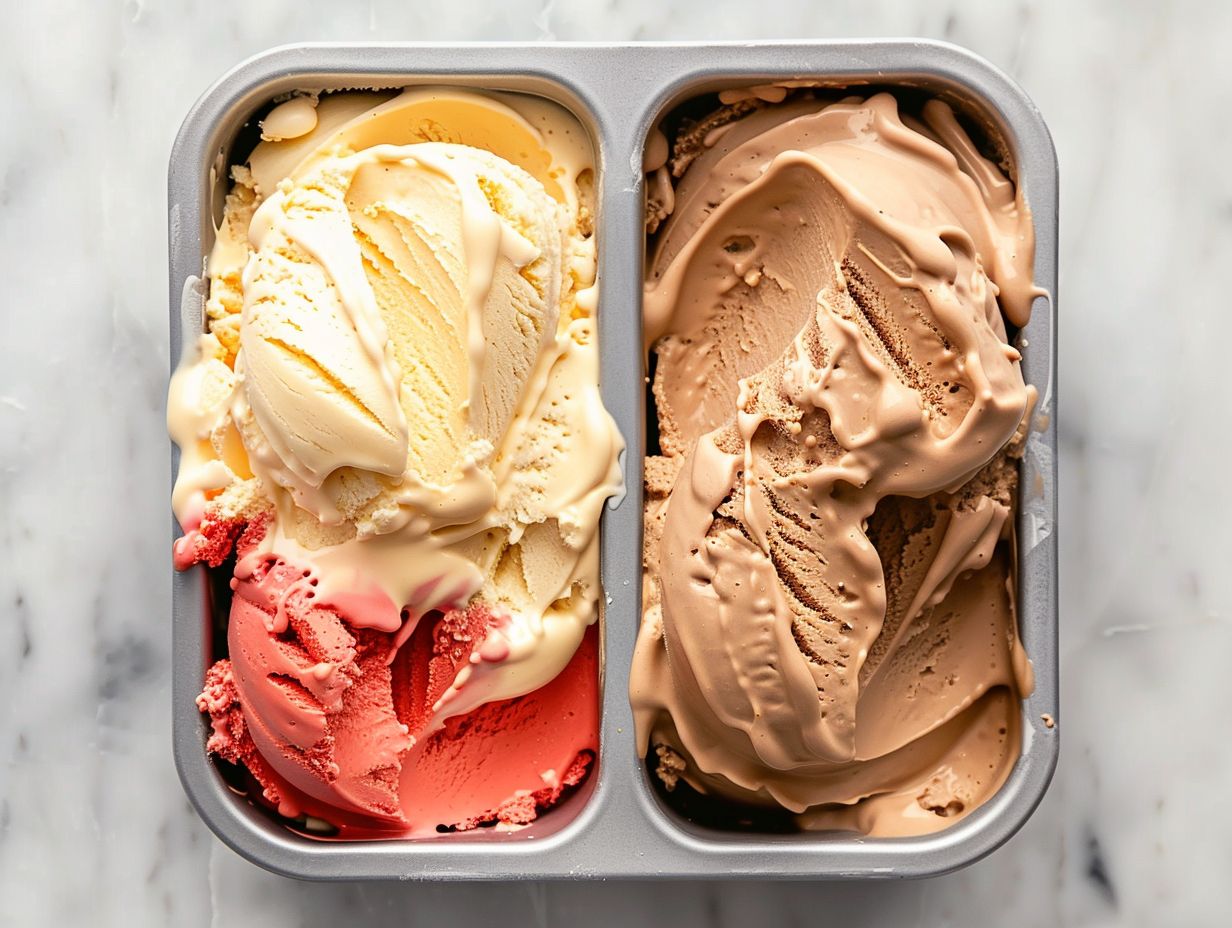
    Are you a fan of frozen treats but feeling a bit confused about the difference between gelato and ice cream? Let’s dive into the world of gelato and ice cream together, exploring their ingredients, flavors, and special qualities.

    You’ll get to learn all about how these frozen desserts are made, discover both traditional and unique flavors, and even find out which one might be a healthier option for you. So, grab a spoon and get ready to treat yourself to the delightful universe of gelato and ice cream!

    What is Gelato?

    What is Gelato?

    You know gelato, right? That famous Italian frozen dessert that’s just on another level compared to regular ice cream varieties? It’s all about that artisanal touch and rich, creamy texture that makes it so special.

    Originally from Italy, gelato has been a favorite treat for centuries, with recipes handed down through the ages. The trick to its dreamy creaminess? It’s got a lower fat content than ice cream, which means more milk than cream in the mix. That’s what gives it that dense, smooth texture that just melts in your mouth and leaves a sweetness that’s hard to beat. The dairy base gives it that velvety feel, while the range of flavors – from classic pistachio to fruity sorbets – guarantees a flavor journey like no other.

    How is Gelato Different from Ice Cream?

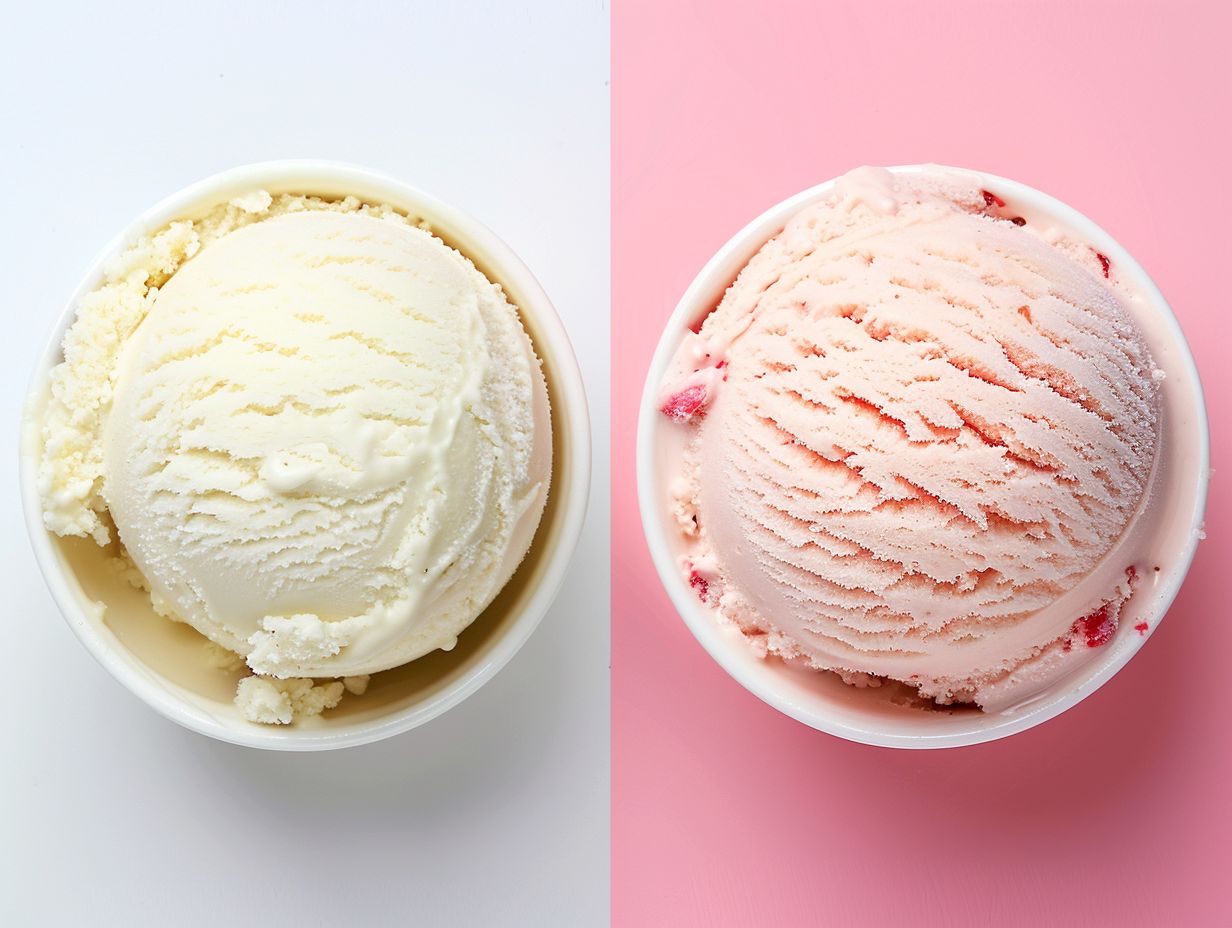
    Regarding frozen treats, gelato and ice cream might seem similar, but gelato really shines with its denser texture, lower fat content, and that special churning technique that gives it that smooth, scoopable quality.

    The big difference between gelato and ice cream? It’s all about the fat. Gelato has less butterfat than regular ice cream, which actually makes its flavor more intense. The slow churn and less air in the process give gelato that rich, velvety texture we all love. Ice cream, on the other hand, gets churned faster, making it lighter and fluffier. These differences make gelato the fancy, indulgent choice for anyone looking for a truly decadent dessert.

    What are the Ingredients in Gelato?

    The delectable flavors of gelato come from a blend of premium ingredients such as milk, cream, sugar, eggs, and a variety of fruit flavors that give each scoop its unique taste.

    These key components come together to form the foundation of this beloved Italian frozen treat. Milk and cream are the primary dairy components that contribute to the velvety smooth texture and rich flavor of gelato. Sugar isn’t just a sweetener; it plays a crucial role in the freezing process to prevent those pesky ice crystals from forming.

    When eggs, usually in the form of yolks, join the mix, they add that extra creaminess and help bind all these delicious ingredients together. And let’s not forget about the fruit flavors – whether they come from fresh fruits or purees, they give each bite that refreshing and vibrant touch that makes gelato so irresistible.

    How is Gelato Made?

    When you dig into gelato, you’re diving into a world of creamy, sweet deliciousness that’s been carefully crafted through a churning process. This gives you a frozen treat experience that’s pure delight with every scoop.

    Unlike ice cream, gelato has a higher ratio of milk to cream and goes through a slow churning method that puts less air into the mix. The result? A denser, smoother texture that’s a real game-changer. Thanks to this slow churn, you won’t find any icy bits ruining the fun – just a velvety consistency that melts like a dream in your mouth. Plus, this meticulous technique amps up the flavors, so each bite is a burst of sweet richness that leaves your taste buds singing.

    What are the Flavors of Gelato?

    You know gelato, right? It’s like a treasure trove of flavors waiting to be discovered – from the classics to some mind-blowing creations, all with that creamy texture that just makes your taste buds sing.

    Maybe you’re a sucker for the simplicity of vanilla or you’re all about that tangy kick of lemon sorbet. Gelato’s got you covered with a whole spectrum of choices to tickle your taste buds. And it’s not just about the flavors – it’s that smooth, velvety consistency that just melts in your mouth, leaving you with that sweet aftertaste. And have you tried the crazy combos like pistachio rose or salted caramel swirl? Gelato artists are taking frozen desserts to a whole new level, inviting you to join them on a flavor adventure with every scoop.

    Are There Any Traditional Gelato Flavors?

    Are There Any Traditional Gelato Flavors?

    When you think of traditional gelato flavors, you can’t help but imagine those timeless favorites like creamy vanilla, indulgent chocolate, and fruity swirls that just scream classic frozen dessert goodness.

    Imagine scooping up a spoonful of classic vanilla gelato and being instantly transported back to those lazy summer afternoons. Its smooth, luscious texture and rich, comforting taste are like a hug for your taste buds.

    And let’s not forget about the deep, velvety richness of chocolate gelato – perfect for when you’re in the mood for something decadent. Or maybe you’re craving a burst of flavor with those vibrant swirls of fruit-infused gelato.

    Every bite of these exquisite gelato flavors is like a work of art, crafted with passion and skill to create a favorite indulgence for dessert lovers all around the world. Enjoy the flavors and savor the experience!

    What are Some Unique Gelato Flavors?

    When you dive into unique gelato flavors, you’re stepping into a world of frozen confections that break all the rules. These flavors mix things up with innovative combos that show off true artisan skill, blending fruity and creamy tastes that’ll blow your mind.

    With these out-of-the-box flavor pairings, traditional gelato becomes an epicurean escapade. Tangy passion fruit dances with rich dark chocolate, creating a flavor harmony that’ll have your taste buds singing.

    Artisan gelato creators are always playing with new ingredients, crafting unexpected flavor adventures for you. Whether it’s a gelato infused with exotic spices or a mix of sweet and savory like salted caramel and roasted almond, each scoop promises a journey through bold and unforgettable tastes. So, every bite is like a ticket to a world of extraordinary flavor profiles.

    What is Ice Cream?

    When you think of ice cream, you can’t help but imagine that delightful frozen treat that’s sweet, creamy, and perfect for satisfying your cravings for something cool.

    If you ever wondered how this delicious dessert is made, it’s all about mixing together ingredients like cream, sugar, and flavorings, then churning them until you get that perfect texture. The secret ingredient? Air! It’s what gives ice cream that light and airy feel that makes every spoonful so enjoyable. And with so many flavors and toppings to choose from, ice cream is a dessert that can please anyone, no matter their age. So go ahead, treat yourself to a scoop of this versatile and beloved dessert!

    How is Ice Cream Different from Gelato?

    Regarding frozen treats, ice cream and gelato have their own unique qualities that make them stand out. Ice cream is all about that rich, creamy texture and perfect churning that’s just begging to be scooped up for a sweet treat.

    On the flip side, gelato is all about that dense, silky smooth texture that comes from a slow churning process. With less air mixed in, gelato packs a punch with its intense flavors. It’s got less cream and more milk, giving it a smoother feel on your taste buds.

    Even though both ice cream and gelato are indulgent delights, their subtle differences in ingredients and how they’re made create distinct flavors that cater to different tastes.

    What are the Ingredients in Ice Cream?

    The luscious taste of ice cream comes from a blend of quality ingredients like milk, cream, sugar, and eggs, creating a delightful frozen dessert experience with every scoop.

    You know that dairy is key in giving ice cream that creamy texture we all love. When you mix milk and cream together, it’s like a magic potion for richness and smoothness. Then, add in sugar to sweeten the deal and balance out those dairy flavors. Once you churn and freeze all these ingredients, they come together in a special way that gives us the beloved frozen treat we can’t get enough of. The great thing about ice cream is its versatility – the flavor possibilities are endless, making it a timeless and universally adored indulgence.

    How is Ice Cream Made?

    How is Ice Cream Made?

    When you’re talking about ice cream, you’re diving into a world of deliciousness crafted through a churning process. This process gives you a frozen treat that’s creamy, sweet, and just perfect for any frozen dessert lover out there.

    As the ice cream base goes through that churning journey, it goes through a complete makeover. Air gets whipped into the mix, giving it that light, airy feel that we all love. The continuous churning works its magic by breaking down those pesky ice crystals that try to form, resulting in a final product with a smooth, velvety texture. This technique brings out a rich, indulgent flavor that’s a hit with everyone, no matter their age. That’s why ice cream is such a go-to treat when you need to cool off on those scorching summer days.

    What are the Flavors of Ice Cream?

    When you dive into the world of ice cream, you’re met with a mouthwatering array of flavors that range from the classics to the quirky, each offering a frozen delight that pays homage to the rich dairy history of this beloved dessert.

    Indulging in a scoop of ice cream isn’t just about the taste – it’s also about connecting with its creamy, dairy-filled origins. Whether you’re a fan of tried-and-true flavors like vanilla and chocolate or you’re up for more adventurous options like salted caramel or avocado, there’s a flavor out there to tickle your taste buds. Lately, the ice cream scene has been buzzing with creative combos like matcha green tea, lavender honey, or even spicy chili chocolate, daring you to push your flavor boundaries and try something new.

    Are There Any Traditional Ice Cream Flavors?

    When you think about traditional ice cream flavors, you can’t help but be drawn in by the charm of these frozen delights. From the creamy allure of vanilla to the decadent richness of chocolate, these classic scoops have definitely stood the test of time.

    Picture this: you’re transported back to simpler times with each spoonful of these timeless flavors. The smooth and luxurious textures of vanilla and chocolate are a match made in dessert heaven, offering a perfect balance that never disappoints.

    Whether you’re digging into a cone or diving into a bowl, these old-school favorites continue to hold their own in the world of frozen desserts. They’re a simple yet irresistible treat that goes beyond passing trends and fads, giving you a taste of pure indulgence that never goes out of style.

    What are Some Unique Ice Cream Flavors?

    When you dive into unique ice cream flavors, you’re stepping into a world of frozen desserts that break the mold. These innovative combinations are all about giving you a creamy and delightful experience, while showing off the creativity and innovation behind everyone’s favorite frozen treat.

    From those savory-sweet mixes like bacon and maple syrup to the exotic fusions of lavender honey or matcha green tea, ice cream has come a long way from plain old vanilla and chocolate. Picture this: a burst of flavors from a cool cucumber mint sorbet or the indulgent complexity of a blueberry cheesecake swirl. These one-of-a-kind creations are sure to delight your taste buds and spark your culinary curiosity. They prove that ice cream is more than just a sweet treat – it’s a blank canvas for bold experiments and imaginative flavor combos that’ll leave you wanting more.

    Which is Healthier: Gelato or Ice Cream?

    When you’re weighing up gelato and ice cream from a health perspective, gelato usually comes out on top with its lower fat content. It’s a bit of a healthier option among frozen dairy treats that satisfy your sweet tooth.

    That reduced fat content in gelato tends to catch the eye of folks who want a frozen dessert without feeling too guilty about it. The slow churning process gives gelato that creamy texture by keeping the air incorporation to a minimum, making it denser in both texture and flavor.

    Because gelato is typically made with more milk than cream, it ends up with less fat. That’s why it’s a hit with people who want a lighter dessert without sacrificing on taste or satisfaction.

    Which One Should You Choose: Gelato or Ice Cream?

    Which One Should You Choose: Gelato or Ice Cream?

    When faced with the delightful dilemma of choosing between gelato and ice cream, consider your preference for a creamy or sweet frozen treat experience to make the perfect selection that suits your taste buds.

    If you’re into a more intense flavor experience and a denser, silkier texture, gelato might be calling your name. It’s all about that rich and indulgent treat that leaves your taste buds singing.

    On the flip side, if you’re after something creamier and with a higher fat content, ice cream is where it’s at. With its smooth mouthfeel and nostalgic vibes, ice cream brings that classic sweetness that you can’t resist.

    Ultimately, the decision between gelato and ice cream comes down to your personal taste buds and the frozen delight you’re craving. So, think about what tickles your fancy and go with your gut for the perfect frozen treat experience.

    Frequently Asked Questions

    What is the difference between gelato and ice cream?

    Gelato and ice cream are both frozen desserts, but they have some key differences. Gelato is an Italian frozen dessert that has a lower fat content and is churned at a slower speed, resulting in a denser and smoother texture. Ice cream, on the other hand, is churned at a faster speed and contains more air, making it lighter and fluffier.

    Is gelato healthier than ice cream?

    Gelato and ice cream have similar ingredients, but gelato typically has less fat and fewer calories than ice cream. However, this can vary depending on the specific recipe and flavors used. In general, gelato can be a healthier option than ice cream, but it ultimately depends on the specific product.

    Why does gelato have a different texture than ice cream?

    The main difference in texture between gelato and ice cream is due to the churning process. Gelato is churned at a slower speed, resulting in a denser and smoother texture. Ice cream, on the other hand, is churned at a faster speed and contains more air, making it lighter and fluffier.

    Do gelato and ice cream have different flavors?

    Gelato and ice cream can have similar flavors, but there are some differences. Gelato tends to have more intense and pure flavors, as it is made with more milk and less cream than ice cream. Additionally, gelato flavors are usually made with fresh, high-quality ingredients, giving them a more authentic taste.

    What is the serving temperature for gelato and ice cream?

    Gelato and ice cream are typically served at different temperatures. Gelato is best served at a slightly higher temperature than ice cream, around 10-15 degrees Fahrenheit, to bring out its creamy texture and flavors. Ice cream is best served at a colder temperature, around 5-10 degrees Fahrenheit, to maintain its light and fluffy texture.

    Can gelato and ice cream be used interchangeably in recipes?

    It is not recommended to use gelato and ice cream interchangeably in recipes. The differences in fat content, texture, and serving temperatures can greatly affect the outcome of the recipe. It is best to use the specific frozen dessert called for in the recipe to achieve the desired results.