Have you ever experienced pain after hitting your head, bruising a knee, or pushing yourself too hard during exercise? Ice can provide instantaneous relief from these types of injuries; that is why professional and amateur athletes alike have long used cold immersion therapy as part of their recovery routines – they consider it essential for success!
Ice baths are an effective way to soothe muscle soreness after training sessions or races, relieving inflammation and relieving pain, according to former professional soccer player Tamika Mkandawire. She credits ice baths as part of her personal preparation plan for each new training day ahead.
Lowers Core Temperature
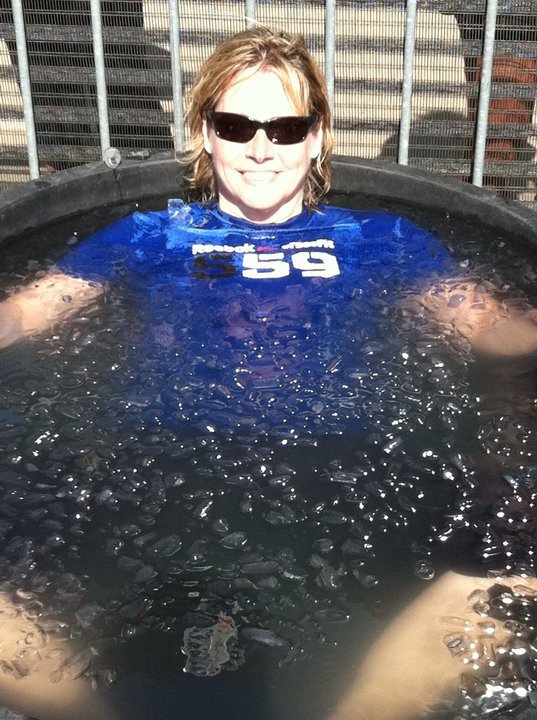
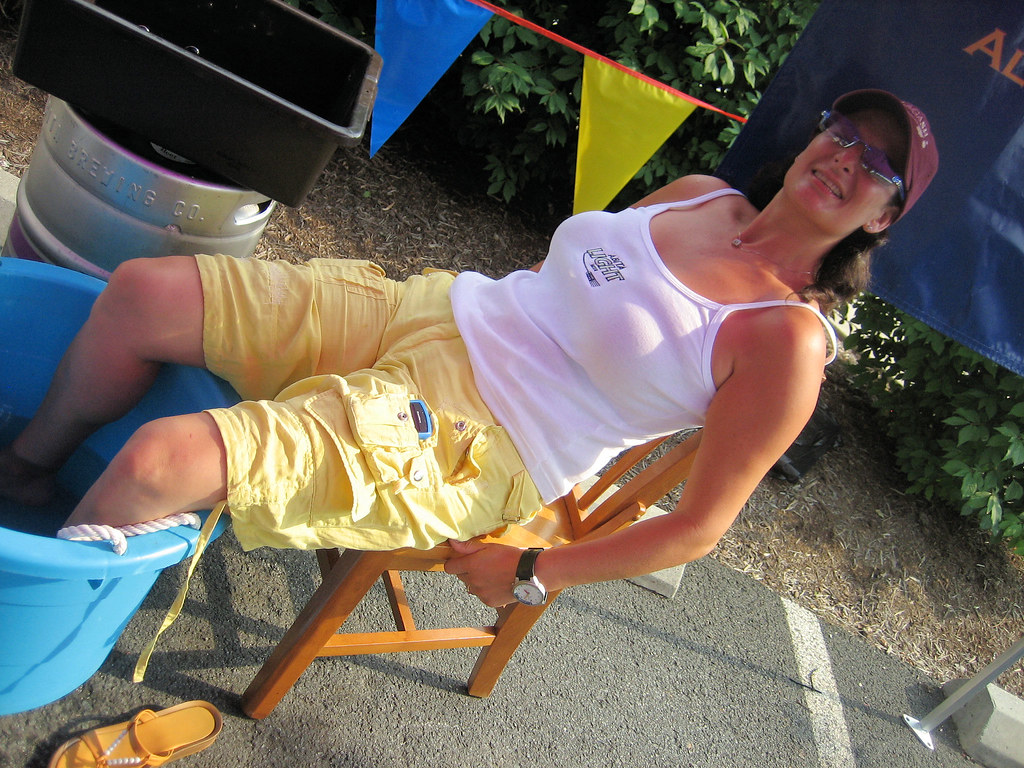
An ice bath involves taking a soak in a tub full of cold water in order to lower your internal core temperature and flush out metabolic waste products, such as lactate. Many athletes swear by its benefits and opt for regular ice baths after practice or games.
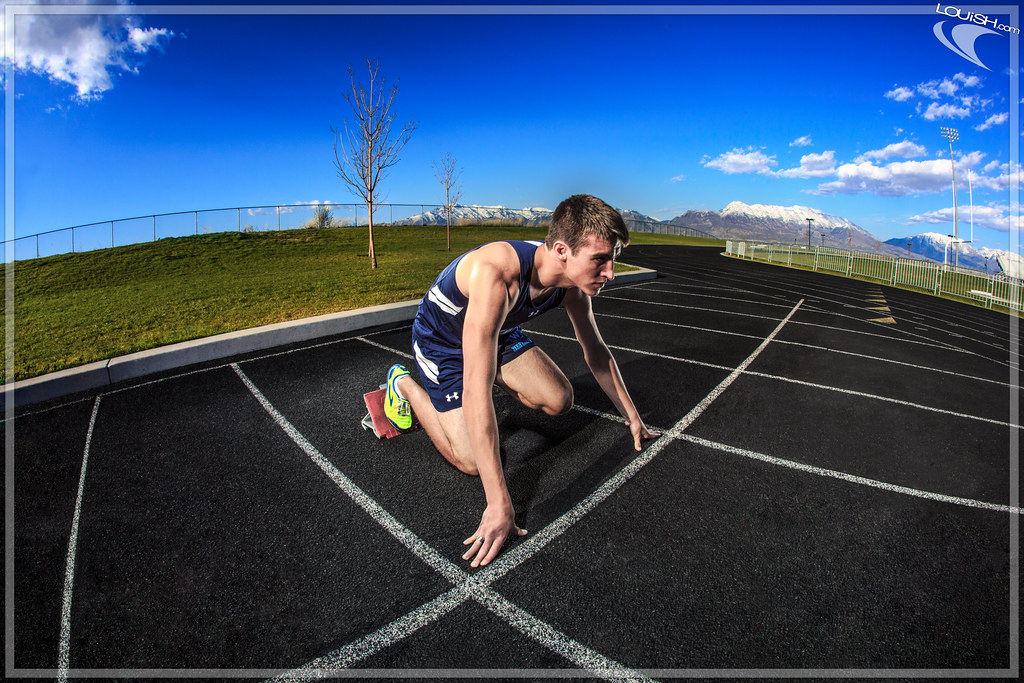
Ice baths can be especially helpful for endurance and track and field athletes to reduce the effects of delayed-onset muscle soreness (DOMS) after long races or interval sessions, including decrease swelling and lessen build-up of lactic acid that causes stiffness and pain in lower limbs.
Mental benefits also exist: Celebrini suggests that ice can actually dampen nerve impulses and lessen pain perception, making the experience of training easier for players who must endure such rigorous schedules. Each incremental benefit adds up and can make an enormous difference in performance levels.
Ice baths remain controversial, and research is inconclusive on their efficacy for speeding recovery or just making you feel better. Furthermore, for some individuals icing may actually hinder muscle growth by interfering with normal processes of inflammation.
Some Experts Think They are Dangerous
Experts often view ice baths as more dangerous than helpful, as they can lead to hypothermia or, in extreme cases, cardiac arrhythmia (an irregular heartbeat). But for most people an occasional cold plunge should be safe so long as it’s done for no more than 15 minutes and you wear either a wetsuit or some form of waterproof protection on your body.
Still, if it has worked for Michael Phelps, Naomi Osaka and J.J. Watt, then it might be worth giving an ice bath a try! Ice baths provide an opportunity to bond with teammates while braving the cold together! Just don’t forget to grab some bottled water to sip throughout – and always consult with a physician prior to trying anything new!

My passion for martial arts goes beyond practice; it is a philosophy that shapes my writing, bringing a distinctive edge to my narratives and advice. I hold black belts in two martial arts disciplines and have competed internationally, experiences that enrich my storytelling with authenticity and excitement.