
Beaches can be fun and relaxing spots, but they also pose potential threats. Even experienced swimmers may become trapped by rip currents.
- Swim only in areas supervised by lifeguards.
- Avoid piers and jetties where rip currents often form.
- Always wear sunscreen and reapply often;
- jellyfish can sting even when washed up onto shore!
- Always protect yourself with multiple layers.
Wear the Right Gear
Are You Searching For Fun Or Adventure In the Water?
Having the appropriate equipment is often key in creating an enjoyable water adventure experience and preventing an accidental drowning situation. Being equipped with United States Coast Guard-approved life jackets and flotation devices can significantly lower the risk of drowning at beaches across America.
An awareness of potential threats is also key. Rip currents account for most rescues by surf beach lifeguards – these fast-moving streams of water that pull people towards the ocean can occur at any beach with breaking waves.
Always swim between the red and yellow flagged areas to prevent potential hazards from arising. Snorkelers must ensure their mask fits securely – this involves not simply tightening its straps but placing it high on their head as well.
Don’t Go Alone

At the beach, it’s wise to swim with someone. That way if an emergency arises someone will be there to assist.
Before entering the water alone, always carefully assess beach conditions before diving in. Flags usually indicate various states; red flags indicate dangerous currents which should be avoided at all cost.
Rip currents should also be avoided at all costs; their strong current can pull you out to sea. If caught, don’t resist, rather swim parallel to shore and slowly make your way back towards it; if that proves unsuccessful, float or tread water until help arrives.
Keep an Eye on the Tides
Tide levels fluctuate daily and can have an enormous effect on water conditions. Before entering any body of water, always consult its tide chart in order to avoid becoming stuck in potentially hazardous situations like rip currents.
Rip currents are powerful seaward-flowing channels that form anywhere there are breaking waves on a beach, capable of pulling people away even when wearing wetsuits and having great swim skills. They are capable of drawing swimmers further out to sea than expected if there are enough breaking waves present to form them.
Keep an eye on the wind as its direction can shift throughout the day, as well as any jellyfish washed ashore that may still pose a stinging risk. To reduce any potential harm from jellyfish bites, avoid swimming directly through any rip currents and try not to be pulled in by them if pulled into them.
Keep Jellyfish at Bay
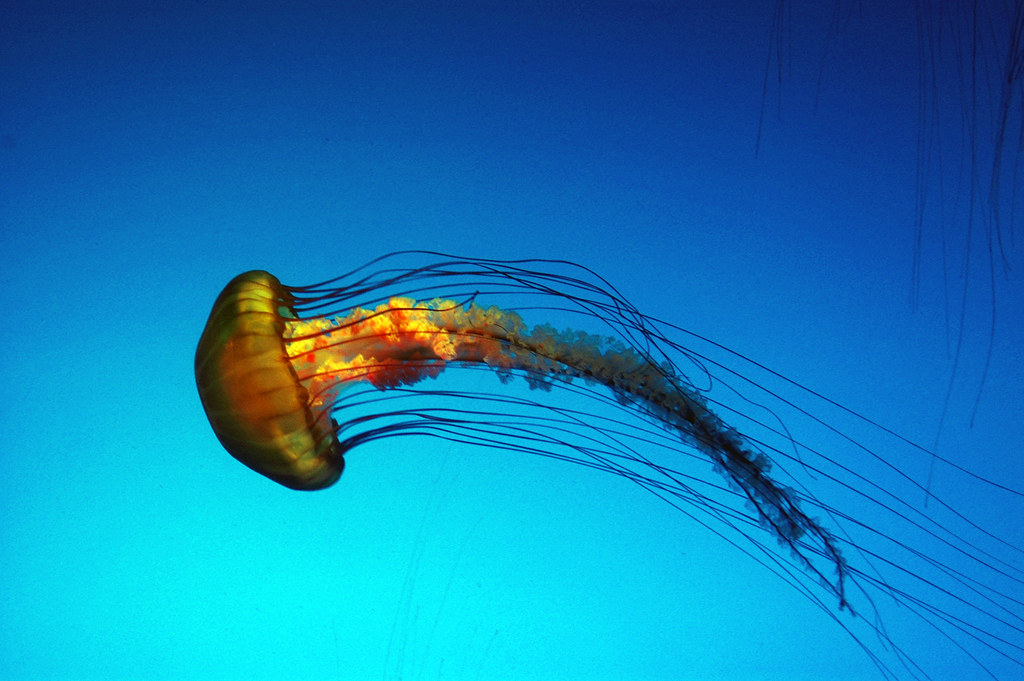
Jellyfish, stingrays and crabs can cause painful injuries for swimmers. To stay safe while in the water, always swim with someone as your buddy can call for assistance if needed. Furthermore, try not to wear shiny jewelry or brightly-colored bathing suits that could attract marine life’s attention as marine life may mistake these objects as potential prey items.
Learn to recognize a rip current and stay away from it. Choppy waters or channels of sand, debris or seaweed moving steadily away from shore can indicate a rip current; if caught, swim parallel to shore until free from it and head back toward the beach afterwards.
Keep in mind that sharks tend to patrol near beaches at dusk and dawn. If you encounter one, remain calm and quickly exit the water if necessary.
Don’t Swim in bad water
Ocean-dwelling bacteria, algae, and fish produce pathogens that make us ill – from upset stomachs to neurological disorders, ear infections and pinkeye. Children and those with compromised immune systems are especially prone to illness from ocean water bacteria and fish.
Swimming in polluted beaches can also lead to illness. This can result from exposure to the toxins found in sewerage (such as malfunctioning septic tanks, spilled waste and animal waste), fertilizers or chemical pollutants on these shorelines.
Before venturing out into the water, always check the flags at a lifeguarded beach to assess where it’s safest. Swim between the flags; if caught in a rip current, remain calm, swim parallel to shore until it subsides, then return to shore and return to your beach of origin.

As a dedicated writer and martial art enthusiast, I have carved a unique niche where the pen and the sword truly coexist. With over a decade of experience, my journey has been one of constant evolution, blending the discipline and focus of martial arts with the creativity and depth of writing. My work spans various genres, including fiction, self-help, and martial arts instruction, offering readers insights not just into the arts themselves, but into the life lessons they embody.