Tag: VS

  • Waxing Vs Depilatory Cream Differences

    Waxing Vs Depilatory Cream Differences

    Are you tired of constantly shaving and looking for a longer-lasting hair removal solution?

    Let’s dive into the differences between waxing and depilatory cream, how each method works, and the pros and cons of each to help you make an informed decision on which method may be best for you. We’ll also discuss whether you can use both methods together and offer tips on how to prepare for and care for your skin after waxing or using depilatory cream.

    If you’re curious about achieving smooth, hair-free skin, keep reading to learn more!

    What is Waxing?
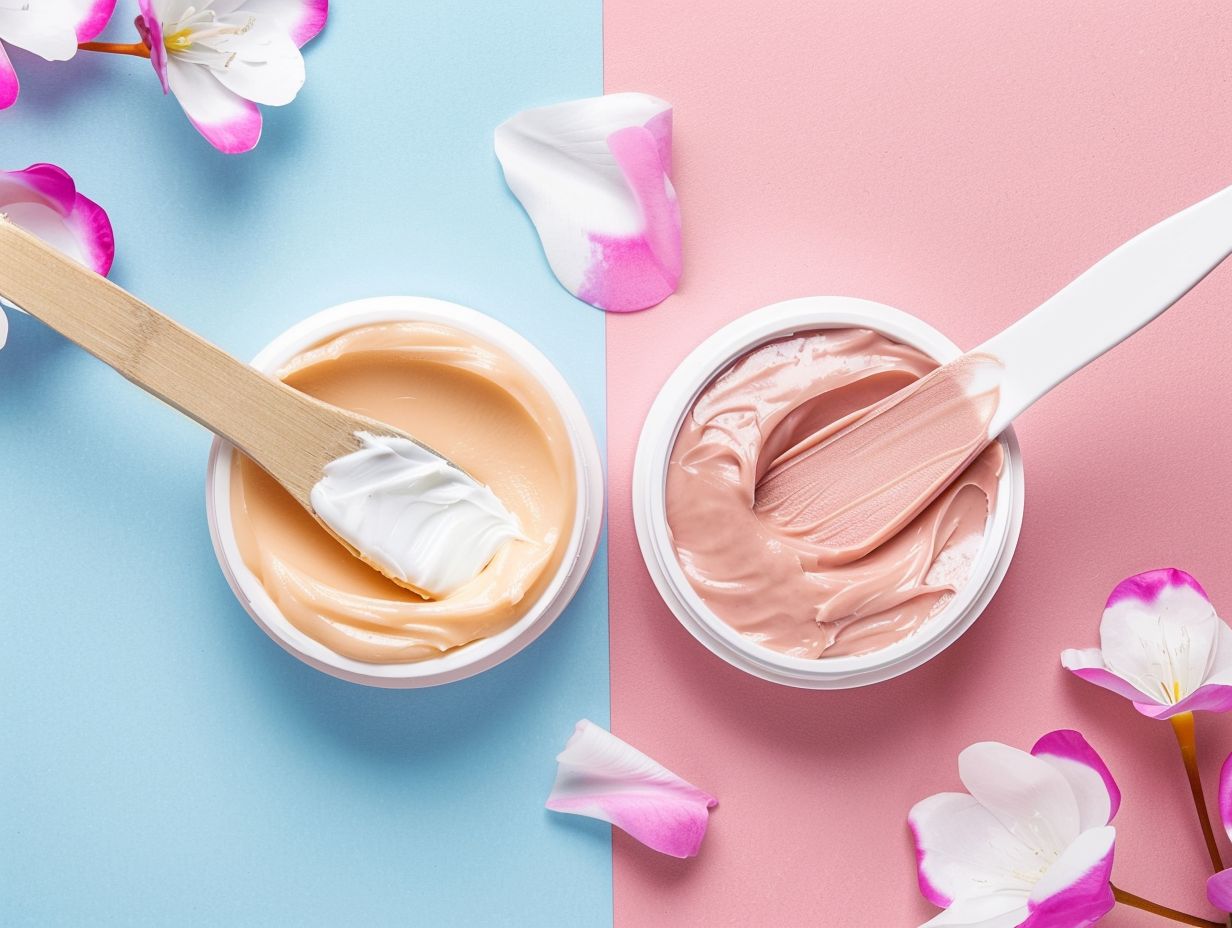
    What is Waxing?

    If you’re looking for a hair removal method that gets the job done, waxing might be your go-to. It involves slathering on some wax, letting it cool and harden, then giving it a quick yank to uproot those hairs.

    Lots of folks swear by waxing for its ability to keep your skin hair-free for longer. In terms of sensitive spots like the bikini area, waxing is a top pick since it delivers longer-lasting results than shaving. Opting for hot wax made for sensitive skin can help cut down on irritation and redness, which is great news for those with easily upset skin. So, if you’re prone to reactions, this could be the hair removal choice for you.

    How Does Waxing Work?

    When you use wax, it sticks to those hair follicles, gripping them tight as it cools and hardens. And when you rip that wax off, it yanks those hairs right out by the roots, leaving your skin feeling super smooth.

    But here’s the real beauty of waxing – it’s not just about getting rid of hair in the moment. Nope, it actually helps slow down hair regrowth over time. By sticking to a waxing routine, you can gradually weaken those hair follicles, which means your hair gets finer and sparser with each session.

    If you want to get the most out of wax strips for hair removal, you’ve got to nail the technique. First things first, make sure your skin is all clean and dry before you slap on that wax strip. Press it down nice and firm in the direction your hair grows, then give it a swift yank against the hair growth for the best results. Voila!

    How Long Does Waxing Last?

    When you opt for waxing, you’re in for longer-lasting smoothness compared to shaving. Waxing works its magic by plucking out hair from the root, keeping your skin silky for a good 3 to 6 weeks—give or take depending on how fast your hair grows.

    The endurance of your waxing results is like a box of chocolates—every person is different! Factors like hair type, thickness, and the area you’re waxing can all play a role. If you’ve got fine hair, you might revel in that smooth feeling for longer, but if your hair is on the coarser side, expect regrowth a bit sooner.

    And here’s the kicker: the more you wax, the softer and thinner your hair can come back. Regular waxing sessions can weaken those hair follicles, giving you longer stretches of hair-free skin. So, keep up that waxing routine for some smooth sailing!

    What Are the Pros and Cons of Waxing?

    When you wax, you get to enjoy the benefits of having silky-smooth skin, longer-lasting hair removal, and finer regrowth. But be warned, especially if you have sensitive skin, waxing can lead to skin irritation.

    If you head to a professional waxing salon, you’ll find skilled technicians ready to work their magic and give you a top-notch waxing experience. This means a more thorough hair removal process and potentially slower, finer hair growth over time. That’s less frequent trips to the salon for you!

    Sure, waxing has its perks, but some folks can’t handle the discomfort or the occasional ingrown hairs or skin burns. If that’s you, you might want to consider at-home waxing kits as an alternative. Just remember, they might not offer the same precision and expertise that you’d find at a professional salon.

    What is Depilatory Cream?

    When you’re looking for a hair removal solution, depilatory cream might just be your go-to choice. It’s a chemical-based product that works by dissolving the hair right at the surface of your skin, so all you have to do is wipe it away along with the cream.

    Unlike the usual suspects like shaving or waxing, depilatory cream is kind of like your skin’s best friend. It’s gentle and perfect for folks with sensitive skin – say goodbye to irritation and redness. These creams usually pack a punch with ingredients like calcium thioglycolate or potassium hydroxide, which basically break down the hair proteins for easy removal. And the best part? It’s super simple to use. Just slap on a smooth layer of cream on the area you want hair-free, wait a few minutes, and wipe it off. Voila! Soft, smooth skin with no hair in sight.

    How Does Depilatory Cream Work?

    How Does Depilatory Cream Work?

    When you use depilatory cream, you’re putting on a product that has special ingredients that break down the protein in your hair, making it easy to wipe away. Just apply it to your skin, let it sit for a bit, and then remove it along with the dissolved hair.

    The main players in depilatory creams are usually thioglycolic acid or potassium hydroxide. These ingredients work their magic by getting into the hair shaft, weakening it, and dissolving the hair right from the root. It’s a quick and easy way to get rid of unwanted hair without all the hassle of shaving or waxing.

    Remember to pay attention to your skin’s sensitivity when using depilatory creams. Sometimes, these chemicals can cause irritation or allergic reactions. To play it safe, you might want to do a patch test before slathering the cream on a larger area. This little step can help you avoid any unwanted surprises.

    How Long Does Depilatory Cream Last?

    When you use depilatory cream, you’re looking at temporary hair removal that’s kind of like shaving, lasting about 1 to 2 weeks. But keep in mind, this timeframe can change depending on how fast your hair grows.

    Things like the thickness of your hair and how quickly it grows back can affect how long depilatory cream keeps you smooth. Some folks might enjoy the results for closer to 2 weeks, while others might see regrowth sooner. Unlike shaving, which just cuts the hair at the surface, depilatory creams dissolve the hair a bit below the skin, giving you a smoother feel and potentially delaying regrowth. But if you’re after longer-lasting results, you might want to consider waxing or laser hair removal instead.

    What Are the Pros and Cons of Depilatory Cream?

    If you’re considering using depilatory cream for quick hair removal, keep in mind that while it’s painless for some, it can lead to skin sensitivity and allergic reactions in others. The application process is pretty straightforward – you just slather on the cream, wait a bit, and wipe it all off, hair included.

    One of the perks of depilatory cream is that you can do it in the comfort of your own home, no salon trips needed. But before you go all-in, especially if you have sensitive skin, it’s a good idea to do a patch test first. This can help you avoid any unwelcome skin reactions. And remember, following the instructions to a tee is key to reducing the chances of irritation or allergic responses.

    Which Method is Better: Waxing or Depilatory Cream?

    In terms of choosing between waxing and depilatory cream, it’s all about what works best for you. Consider your personal preferences, skin sensitivity, and how long you want that hair-free feeling to last. Waxing gives you longer-lasting results, but if you’re looking for a quick and painless alternative, depilatory cream might be more your style.

    If you have sensitive skin, depilatory cream could be the gentler option since it’s less harsh than waxing. But if you want to stretch out the time between hair removal sessions, waxing might be the way to go. In terms of convenience, depilatory creams are a breeze to apply and remove, making them a speedier choice compared to the more time-consuming process of waxing. And remember, while waxing pulls hair out by the root, shaving only gets rid of hair at the surface. So if you’re aiming for smooth skin that lasts longer, waxing is your best bet.

    What Are the Factors to Consider When Choosing Between Waxing and Depilatory Cream?

    When you’re trying to decide between waxing and depilatory cream, think about things like how fast your hair grows back, how sensitive your skin is, and how long you want your hair-free moments to last. Waxing gives you that silky-smooth skin feel, while depilatory cream gets you quick results.

    Just so you know, waxing usually keeps your skin smoother for longer because it yanks the hair out from the root. This means your hair grows back slower and softer after each waxing session, leaving you with velvety skin for a good amount of time.

    On the flip side, depilatory creams get rid of hair by dissolving it at the skin’s surface, making hair removal fast and easy. The downside is that hair tends to grow back quicker compared to waxing, so you’ll need to use the cream more often to keep that hair-free look.

    In the end, whether you go for waxing or depilatory cream really comes down to what you prefer in terms of skin smoothness, how long you want your results to last, and what’s most convenient for you.

    Can You Use Both Waxing and Depilatory Cream?

    Can You Use Both Waxing and Depilatory Cream?

    In terms of your hair removal routine, you might want to consider using both waxing and depilatory cream. This combo can give you the best of both worlds – the longer-lasting results of waxing and the quick touch-ups with depilatory cream.

    Waxing is great for getting rid of hair from the roots, leaving your skin smooth for a longer time. On the flip side, depilatory creams work by breaking down the hair above the skin’s surface, perfect for those quick touch-ups between waxing sessions.

    By mixing things up and using both methods, you get the benefits of less hair regrowth with waxing and the convenience of depilatory creams for those easy touch-ups. This duo not only amps up the effectiveness of your hair removal routine but also gives you a complete solution for smoother, hair-free skin.

    What Are the Benefits and Risks of Combining Waxing and Depilatory Cream?

    Incorporate both waxing and depilatory cream into your hair removal routine to get the best of both worlds. You get the longer-lasting results from waxing and the quick touch-ups with depilatory cream. Just remember, for optimal results, proper aftercare and application are key.

    After you wax, don’t forget to exfoliate regularly to keep your skin smooth and prevent those pesky ingrown hairs. And when you use depilatory cream, always do a patch test first to make sure you don’t have any adverse reactions. Apply the cream in the direction of hair growth and use a spatula to remove it for thorough hair removal.

    To keep your skin silky smooth, moisturize daily and steer clear of sun exposure right after hair removal. And don’t forget to drink plenty of water and eat a balanced diet to support healthy hair growth and skin renewal. It’s all about that TLC for your skin and hair!

    How to Prepare for Waxing or Depilatory Cream?

    Before you wax or use depilatory cream, make sure to prep your skin by exfoliating to get rid of those pesky dead skin cells and set the stage for some top-notch hair removal results. Trust me, clean and dry skin is the way to go for a smooth waxing or cream application.

    When you exfoliate before waxing or using depilatory cream, you’re basically giving those hairs a VIP lift from the roots, leading to fewer ingrown hair problems. Starting with a fresh slate ensures that the wax or cream sticks to the hair like glue, giving you those silky-smooth, long-lasting results you’re after.

    By prepping your skin properly, you also lower the chances of any irritation or allergic reactions popping up after hair removal. It’s all about keeping things comfy and safe for your skin. So, remember, a little skin prep goes a long way in ensuring your waxing or cream hair removal session is a success.

    What Are Some Tips for a Successful Waxing or Depilatory Cream Session?

    For a successful waxing or depilatory cream session at home, make sure you follow the instructions carefully. Check out reviews of different products to find the best one for your skin. In terms of managing pain during waxing, try techniques like deep breathing or using numbing cream.

    You should definitely do a patch test before slathering any wax or cream on a larger area to make sure you don’t have any allergic reactions. Don’t forget to gently exfoliate your skin before waxing to make the process smoother. If you’re using a waxing kit, ensure you warm the wax to the right temperature to avoid any burns. Taking a pain reliever with anti-inflammatory properties before waxing can also help ease any discomfort during the process.

    How to Take Care of Your Skin After Waxing or Using Depilatory Cream?

    After you wax or use depilatory cream, it’s important to give your skin some TLC to keep it happy and avoid any unwanted reactions. Watch your skin for any redness or sensitivity and use gentle, hydrating products to keep your skin feeling good.

    Taking care of your skin after hair removal is key to prevent irritation and keep it silky smooth. Look for calming ingredients like aloe vera or chamomile to soothe any redness, and stay away from harsh products that might make things worse. Remember to skip the hot showers, sauna sessions, or direct sun exposure right after waxing since your skin is extra sensitive at this time. Using a moisturizer made for sensitive skin can help keep your skin hydrated and happy, reducing the chances of any bad reactions.

    What Are Some Post-Waxing or Depilatory Cream Care Tips?

    What Are Some Post-Waxing or Depilatory Cream Care Tips?

    Don’t let those common myths about waxing and hair removal stress you out. If you’re feeling uncomfortable during waxing, there are ways to ease the discomfort – just use the right techniques and prep your skin properly.

    You might have heard that waxing always results in ingrown hairs, but that’s not necessarily true. By taking good care of your skin post-waxing and keeping up with exfoliation, you can keep those ingrown hairs at bay. And hey, here’s another myth-buster for you: waxing doesn’t make your hair grow back thicker. Actually, regular waxing can weaken those hair follicles over time, leading to finer regrowth.

    For a more pleasant experience, make sure you’re heading to a trustworthy salon with skilled estheticians who work with top-notch products. And remember, exfoliating your skin before your appointment can also help by getting rid of dead skin cells and letting the wax grab onto those hairs more effectively.

    Frequently Asked Questions

    What is the difference between waxing and depilatory cream?

    Waxing involves using melted wax to remove hair from the root, while depilatory cream contains chemicals that dissolve the hair at the surface of the skin.

    Which method is more painful, waxing or depilatory cream?

    Waxing tends to be more painful as it involves pulling hair from the root, while depilatory cream may cause a tingling or burning sensation but is typically less painful overall.

    How long does the hair removal last for with waxing and depilatory cream?

    Waxing typically removes hair for 3-4 weeks, while depilatory cream only removes hair for 1-2 weeks.

    Can I use waxing and depilatory cream on all parts of my body?

    Waxing and depilatory cream can both be used on most parts of the body, but it is important to follow the instructions and avoid sensitive areas.

    Which method is more cost-effective, waxing or depilatory cream?

    Waxing may be more cost-effective in the long run as it removes hair for a longer period of time, while depilatory cream may need to be reapplied more frequently.

    Are there any risks associated with waxing and depilatory cream?

    Both methods carry some risks, such as skin irritation and burns. It is important to do a patch test and follow the instructions carefully to minimize these risks.

  • Open Vs Closed Comb Razor: Best Razors

    Open Vs Closed Comb Razor: Best Razors

    Are you tired of dealing with irritation and razor burn from your current shaving routine? Maybe it’s time for you to make the switch to a safety razor.

    In this article, we’re going to dive into the world of safety razors and break down the differences between open comb and closed comb razors. We’ll chat about things like blade exposure, aggressiveness, shaving technique, maintenance, and price to help you figure out which one suits you best.

    Whether you’re just starting out or you’ve been around the shaving block a few times, we’ve got your back in finding the perfect razor for your needs.

    What Is a Safety Razor?

    When you pick up a safety razor, you’re diving into the world of traditional grooming. This tool is a favorite among those who want a more authentic shaving experience. Safety razors can give you a closer shave than those modern multi-blade disposable ones.

    Using a safety razor isn’t just about shaving – it’s an art. You’ll need some technique and skill, but it adds a whole new level of ritual and mindfulness to your daily grooming routine. The weight and design of these razors give you precise control, leading to a smoother shave with fewer chances of those dreaded nicks and cuts.

    If you’re into eco-friendly choices, safety razors have got you covered. They produce way less waste than those disposable alternatives, which is a win for both you and the environment.

    What Are the Types of Safety Razors?

    In terms of safety razors, you’ve got two main types to choose from: open comb and closed comb.

    Open comb safety razors have teeth along the edge of the razor head, giving you direct exposure to your skin and hair. This makes them great for tackling longer or thicker hair. On the flip side, closed comb safety razors have a safety bar covering the razor blade, giving you a smoother and more controlled shave. These are often recommended for beginners or folks with sensitive skin.

    So, whether you go for the open comb or closed comb design really comes down to your personal preference and the kind of shaving experience you’re after. Some people like the boldness of open combs for a super close shave, while others prefer the added protection that closed combs offer.

    1. Open Comb Safety Razor

    If you’re looking to step up your shaving game, consider trying an open comb safety razor. These bad boys have teeth that expose more of the blade, giving you a shave that’s not for the faint of heart, but definitely for those who want efficiency and top-notch quality.

    With that extra blade exposure in open comb razors, you can count on them to power through thick, coarse hair like a champ. They’re a go-to for folks with a full face of hair or anyone who craves that super close shave. Plus, the aggressive nature of these razors means you’ll deal with way less clogging during your shaving sesh, which just adds to the efficiency. And let’s not forget the design – open comb razors are all about making rinsing and cleaning a breeze, so you get a more hygienic shaving experience all around.

    2. Closed Comb Safety Razor

    When you opt for a closed comb safety razor, you’re choosing a gentler shaving experience. The solid safety bar it comes with helps reduce irritation and amps up safety, giving you a smoother grooming session.

    With the closed comb design of these razors, you get a more precise and delicate shave, perfect for anyone with sensitive skin or prone to razor burn. The safety bar covering the blade adds an extra layer of protection, minimizing the chances of cuts and scrapes and making your shaving routine safer. Plus, the closed comb structure ensures a consistent blade exposure, leading to a more comfortable and predictable shaving process. These razors are well-known for providing a close yet gentle shave, all while keeping your safety front and center.

    What Is the Difference Between Open and Closed Comb Safety Razors?

    When you’re choosing between open and closed comb safety razors, it all comes down to a few key differences in blade exposure, aggressiveness, and maintenance requirements.

    If you opt for an open comb safety razor, be ready for more blade exposure. This means you can get a really close shave, but you’ll need a steady hand to avoid any nicks or cuts. On the flip side, closed comb razors are more beginner-friendly and gentler on the skin with less blade exposure.

    In terms of aggressiveness, open comb razors take the cake. They’re known to be more aggressive, perfect for those seasoned shavers looking for a super close shave. Closed comb razors, on the other hand, provide a milder shaving experience, great for everyday grooming needs.

    In terms of maintenance, closed comb razors are usually a breeze to clean and maintain because of their simple design. Open comb razors, on the other hand, might require a bit more TLC to make sure you get rid of any debris.

    1. Blade Exposure

    When using a safety razor, you’ll want to pay attention to the blade exposure, which is all about how much of the blade edge is visible while you shave. This is influenced by the design of the safety bar and the blade gap.

    Your level of blade exposure really matters when it comes to getting a close and comfortable shave. More blade exposure usually means a more aggressive shave, while less exposure gives you a gentler experience.

    The safety bar is the key player in controlling the blade exposure, as it determines how much of the blade edge is covered. And don’t forget about the blade gap – that’s the space between the blade and the safety bar, and it helps regulate how much hair gets cut at once, making your shaving process efficient and smooth.

    2. Aggressiveness

    2. Aggressiveness

    In terms of safety razors, the aggressiveness level is the key to whether you’ll get a mild or aggressive shave. This factor affects how you should shave and is especially important when considering your skin sensitivity.

    For newbies or those with sensitive skin, mild razors are the way to go. They offer a gentle shave that reduces irritation and is perfect for a smooth experience. On the flip side, experienced shavers tend to prefer aggressive razors for a super close shave with fewer passes.

    Your choice of razor can really make a difference in your shaving routine, so it’s worth trying out different options to find what works best for you. Understanding this aggressiveness spectrum helps you customize your shaving routine to match your skin’s needs and get the results you want.

    3. Shaving Technique

    Mastering the right shaving technique involves you understanding the optimal blade angle, navigating the safety bar, and incorporating wet shaving practices for a smooth grooming routine.

    When you shave, pay attention to the angle at which the safety razor blade meets your skin. This is crucial for getting a close and irritation-free shave. If the angle is too steep, you might end up with nicks and cuts. On the other hand, a shallower angle could mean ineffective hair removal.

    The safety bar of the razor is there to protect your skin by limiting the blade’s exposure, reducing the chances of accidental cuts. Embrace wet shaving for a luxurious experience that not only softens the hair but also opens up the pores, allowing you to achieve a closer shave with less irritation.

    4. Maintenance

    When maintaining a safety razor, you need to make sure you’re regularly adjusting the blade, aligning it precisely, and using the right shaving tools for top-notch performance. By paying attention to the blade adjustments, you can tweak how aggressively the razor cuts to match your hair type and skin sensitivity. A well-aligned blade not only improves your shave but also reduces the chances of getting nicked or cut.

    Along with these adjustments, bringing in essential shaving tools like a good shaving brush and cream can take your shaving game up a notch and extend the life of your safety razor. These habits are crucial for guaranteeing a smooth, comfy, and safe shaving routine.

    5. Price

    When you’re looking at safety razors, keep in mind that price variations could be a sign of differences in quality. Your choice will really come down to what kind of shaving experience you’re after.

    If you’re eyeing those high-end safety razors, get ready for top-notch materials and expert craftsmanship that promise a luxurious and silky-smooth shaving session. But hey, don’t count out the more budget-friendly options – they can still deliver decent performance, especially if you’re all about practicality.

    Now, when it comes to picking the right safety razor for you, think about how the weight and handle design feel in your hand. Comfort and control are key for some folks during their shaving routine. And let’s not forget about the blades – the type of blade a safety razor uses can make a big difference. Some folks go for super sharp blades for that precise shave, while others prefer milder options for sensitive skin. It’s all about finding what works best for you!

    Which One Is Better for Beginners?

    When you’re new to the world of safety razors, picking the right one is all about finding what suits you best and makes your shaving experience a breeze.

    First off, think about the type of razor blade that your safety razor can handle. Some razors are made for double edge blades, while others are designed for single edge blades.

    Don’t forget about the weight and length of the razor handle – it matters! If you like more control, a heavier handle might be your jam. But if comfort is key for you, a lighter handle could be the way to go.

    And then there’s the razor’s aggressiveness to consider. This basically determines how close of a shave you’ll get. So, make sure you match the razor’s aggressiveness with your own shaving needs for a smooth outcome.

    1. Factors to Consider

    When you’re picking out a safety razor, you want to think about things like your skin type, your past shaving experiences, and how comfortable you want to feel during your grooming routine.

    If you’re new to shaving, take a good look at your skin to see if it’s on the sensitive side and might do better with a gentler razor blade. Your previous shaving adventures are important too, especially when it comes to finding the right safety razor. Newbies often find adjustable razors to be a game-changer for a smoother shave. And don’t forget about comfort – things like ergonomic handles and blade exposure can make a big difference in how nice your shave feels. By keeping these factors in mind, you’ll be able to find a safety razor that fits your needs and makes your shaving routine a breeze.

    2. Pros and Cons of Open Comb Safety Razors

    2. Pros and Cons of Open Comb Safety Razors

    When using open comb safety razors, you get better shaving results thanks to their sharp blades. But, it requires more precision and skill, which can be both good and challenging for you.

    The open comb design lets the blade come into direct contact with your skin, giving you a super close shave. This results in a smoother finish and less chance of irritation compared to closed comb razors. However, because the blade is exposed, you’ll need to be extra careful and precise to avoid any nicks or cuts. Getting the hang of using an open comb razor might take some time, patience, and practice, but once you nail it, you’ll achieve top-notch results.

    3. Pros and Cons of Closed Comb Safety Razors

    When you opt for closed comb safety razors, you’re choosing blade efficiency and added safety features. They give you a reliable shaving experience, but they might not offer as many customization options or provide the closest shave possible.

    With a solid guard bar for extra protection, these safety razors are perfect for newbies or anyone prone to shaving accidents. The closed comb design ensures you have a controlled shave, minimizing the chance of any major cuts. It’s a bit gentler than open comb razors, making it a great choice for folks with sensitive skin or those who prefer a milder shaving routine.

    Which One Is Better for Experienced Shavers?

    When choosing between open and closed comb safety razors, you should consider factors like your grooming routines and blade durability. Your grooming habits play a big role in determining which razor type is right for you. If you’re into a bold shave, an open comb razor might be your go-to since it gets up close and personal with your skin. But if you’re just starting out or prefer a gentler shave, closed comb razors are your best bet.

    Don’t forget to think about the blades you use too. Some razors work better with specific blade brands, which can affect how long they last and how well they perform. So, keep that in mind when making your choice!

    1. Factors to Consider

    When you’re looking at safety razors, experienced shavers consider various factors to find the perfect match for their needs and preferences.

    Your shaving style is all about what feels right to you. Some people like a more aggressive razor, while others prefer a gentler touch. Blade quality is key – sharper blades mean a closer shave with less irritation. And don’t overlook the design of the razor handle. Comfort and precision are crucial during a shave, so things like weight, grip, and balance all come into play. Thinking about these details can help you, as a seasoned shaver, discover the ideal safety razor for your grooming routine.

    2. Pros and Cons of Open Comb Safety Razors

    When using open comb safety razors, you’ll find they have some benefits like making it easier to whip up a thick lather and are versatile for different shaving styles. However, these razors might need a bit more attention to your technique and the angle of the blade to get the best results.

    These razors are great at letting shaving cream or soap get right to your skin, giving you a closer shave. Plus, with their exposed blade design, they let seasoned shavers adjust the blade angle just the way they like it, creating a custom shaving experience. If you’re new to open comb razors, it might take a bit of practice to perfect your technique, like using gentle pressure and finding that sweet spot with the blade angle, so you can steer clear of nicks or irritation.

    3. Pros and Cons of Closed Comb Safety Razors

    When using closed comb safety razors, you’ll notice they do a great job of giving you smooth shaving strokes and handling hair of different thickness levels efficiently. However, keep in mind that they may limit your options for customization and require specific shaving angles for them to work their best.

    These razors are designed to make sure the blade is consistently exposed, giving you a clean shave with minimal irritation. They’re versatile enough to handle all kinds of hair types, whether it’s fine or coarse.

    But if you’re someone who likes to customize your shaving experience, you might feel a bit constrained by the closed comb design. It’s crucial to nail down the right technique when using these razors, making sure you maintain the correct blade angle for a close shave without irritating your skin. Finding that sweet spot during shaving is key to getting the best results.

    Frequently Asked Questions

    Frequently Asked Questions

    What is the difference between an open and closed comb razor?

    An open comb razor has teeth or grooves along the edge of the blade, while a closed comb razor has a solid bar. This means that an open comb razor has more exposure to the skin, while a closed comb razor has less.

    Which razor is better for beginners, open or closed comb?

    Closed comb razors are generally recommended for beginners as they offer less exposure and are less likely to cause irritation. However, this can vary depending on personal preference and the specific razor model.

    Do open comb razors provide a closer shave than closed comb razors?

    It is a common misconception that open comb razors provide a closer shave. In reality, it depends on the razor’s design and your technique. Both types of razors can provide equally close shaves if used properly.

    Are open comb razors more aggressive than closed comb razors?

    Open comb razors do have a reputation for being more aggressive, as they expose more of the blade and can lead to more nicks and cuts. However, there are many mild open comb razors on the market that are gentle on the skin.

    Which type of razor is better for shaving coarse or thick hair?

    Open comb razors are generally considered better for shaving coarse or thick hair due to their increased exposure and ability to cut through tougher hair. However, this can vary depending on the individual razor and the person’s hair type.

    What are the benefits of using an open comb razor?

    Using an open comb razor allows for easier removal of hair and shaving cream from the blade, resulting in a smoother and more efficient shave. It also allows for more control and precision, making it a popular choice for those with facial hair styling needs.

  • Shave Butter Vs Shaving Cream: What’s Your Prefernce

    Shave Butter Vs Shaving Cream: What’s Your Prefernce

    If you’re trying to step up your shaving game but feeling torn between using shave butter or sticking to traditional shaving cream, let’s break it down for you.

    We’re going to explore all the key differences between these two grooming essentials – from what they’re made of and how they feel to how well they moisturize and how easy they are to apply.

    Whether you’re dealing with sensitive skin, a thick beard, or you just want the most bang for your buck, we’ve got all your bases covered.

    So, grab your razor and let’s jump into the world of shave butter versus shaving cream!

    What Is Shave Butter?

    Regarding grooming, shave butter is the VIP player that elevates your shaving game and treats your skin like royalty. Say goodbye to ordinary shaving creams and hello to this luxurious product packed with natural and organic goodness.

    You’ll love how shave butter glides smoothly onto your skin, saying goodbye to irritation and friction during your shave. With a blend of shea butter, coconut oil, and essential oils, your skin gets the royal treatment it deserves, leaving it feeling soft and supple. It’s a top-tier skincare product that suits all skin types, even sensitive skin, and its subtle fragrance adds a touch of class to your grooming routine. Once you embrace shave butter, you’ll see a whole new world of shaving that promotes healthier skin every time you use it.

    What Is Shaving Cream?

    When you’re getting ready to shave, don’t forget that shaving cream is a must-have grooming essential. It not only gives you a smooth shaving experience but also keeps your skin moisturized and hydrated. Thanks to its classic lather and effectiveness, shaving cream does a great job at removing hair and leaving you with a fresh scent.

    With nourishing ingredients like aloe vera and shea butter, shaving cream helps to soften your hair follicles, making shaving a much more comfortable experience and reducing the likelihood of irritation or razor burns. Plus, the hydrating properties of shaving cream create a protective layer on your skin for a close and gentle shave. Its creamy texture makes it easy to apply, ensuring that your razor glides smoothly, giving you a closer and more precise shave. After shaving, your skin will feel revitalized and refreshed.

    What Are The Differences Between Shave Butter and Shaving Cream?

    When you compare shave butter and shaving cream, you’ll notice several differences in terms of ingredients, texture, application, and overall performance. Shave butter focuses on natural and organic elements, giving you a unique skincare experience. On the other hand, shaving cream provides that classic lathering sensation for optimal hair removal.

    Shave butter usually includes nourishing oils like coconut, shea, or jojoba to moisturize and soothe your skin while shaving. This helps reduce irritation and leaves you with smoother results. Its creamy texture allows for a smooth glide, making it perfect for those with sensitive skin.

    Conversely, shaving cream often contains foaming agents and additives to create a rich lather that lifts the hair for a closer shave. But be wary, these additives may sometimes lead to dryness or irritation for people with sensitive skin.

    1. Ingredients

    Regarding ingredients, shave butter focuses on natural and organic components to give you a nourishing and soothing experience for your skin. On the other hand, shaving cream usually has a mix of traditional elements to create that classic lathering effect.

    With shave butter, you’ll find ingredients like shea butter, coconut oil, aloe vera, and essential oils like lavender or tea tree oil. These goodies are well-known for their hydrating, anti-inflammatory, and antibacterial properties. So, not only does shave butter give you a smooth shave, but it’s also fantastic for keeping your skin healthy.

    In contrast, shaving cream often includes glycerin, stearic acid, and potassium hydroxide to whip up a luxurious lather. This lather helps soften your hair and forms a protective shield between the razor and your skin while you shave.

    2. Consistency and Texture

    When you reach for shave butter, you’re diving into a rich and creamy experience that glides like a dream on your skin, making your shaving routine feel like pure luxury. Shaving cream, on the other hand, is all about that frothy lather, creating a bubbly blanket to help with the whole shaving process.

    Thanks to its velvety texture, shave butter not only hydrates your skin but also lets the razor slide effortlessly, reducing any irritation or razor burn. Meanwhile, shaving cream’s foamy consistency works to lift and soften those hair follicles, ensuring a super close shave.

    The spa-like vibes of shave butter bring a touch of indulgence to your grooming routine, while the airy foam of shaving cream ensures every inch of your skin gets the clean, smooth treatment it deserves.

    3. Moisturizing Properties

    Regarding moisturizing your skin, shave butter really shines by giving your skin that deep hydration and nourishment it craves, leaving it feeling soft and smooth after you shave. While shaving cream does provide some hydration, shave butter takes it up a notch with its focus on skincare, making it the top choice for anyone looking for a soothing and moisturizing shaving experience.

    The secret behind shave butter’s skincare benefits lies in its rich and creamy texture, often packed with natural oils like shea butter and coconut oil known for their amazing moisturizing powers. These nourishing ingredients work their magic by deeply hydrating your skin, helping to restore its moisture levels and fight off any dryness or irritation that shaving can bring.

    But wait, there’s more! The soothing and nourishing effects of shave butter aren’t just about hydration – they offer your skin a true spa-like experience that leaves it feeling revitalized and refreshed. It’s like giving your skin a little slice of paradise with every shave.

    4. Ease of Application

    4. Ease of Application

    Regarding your grooming routine, shave butter is like your smooth operator, making spreading it a breeze and shaving a comfortable experience that reduces the risk of razor burn. On the flip side, using shaving cream requires a bit more elbow grease to lather up, but it’s a classic grooming step that many enjoy.

    As you apply shave butter, it effortlessly glides over your skin, creating a slick surface that lets the razor slide smoothly. This easy application is a game-changer for those with sensitive skin, as it cuts down on irritation and discomfort during shaving.

    In contrast, shaving cream’s lathering process offers a more traditional and luxurious grooming vibe. The act of working up a lather with the cream can feel like a fancy ritual, giving you a moment of pampering in your daily shaving routine. This touch of elegance can elevate your grooming routine, turning it into a cherished part of your self-care regimen.

    Which One Is Better For Sensitive Skin?

    If you have sensitive skin, deciding between shave butter and shaving cream can impact your shaving game. While shave butter gets all the love for its soothing and moisturizing benefits tailored to sensitive skin, some folks may find that shaving cream’s lathering action leads to irritation and razor burn.

    Shave butter, with its smooth texture and natural goodies like shea butter and essential oils, acts as a shield between your razor and skin. This setup reduces friction and tackles issues like redness and dryness that often pop up. On the flip side, shaving cream, especially the ones packed with harsh chemicals and fake scents, can strip your skin of its natural oils, leaving you feeling uncomfortable and sensitive after shaving. People with sensitive skin usually swear by shave butter as a gentle and nourishing option that amps up their shaving routine without any unwanted aftermath.

    1. Irritation and Razor Burn

    If you have sensitive skin, you know the struggle with irritation and razor burn is real, so picking the right shaving product is crucial. While shave butter can be a lifesaver with its soothing and moisturizing qualities that tackle these issues head-on, shave cream’s lathering action might just stir up more trouble and lead to razor burn in some cases.

    Shave butter, packed with goodies like aloe vera and shea butter, acts as a shield on your skin, reducing friction and irritation while you shave. This protective layer locks in moisture, keeping your skin hydrated and steering clear of dryness.

    But watch out for shaving cream – it often packs a punch with harsh chemicals and artificial scents that can strip your skin of its natural oils. This leaves your skin defenseless against irritation and razor burn. If you’ve got sensitive skin, the gentle formula of shave butter is the way to go for a smoother, more soothing shave that’s kind to your skin.

    2. Clogging of Razor

    If you have sensitive skin, you know how annoying it can be when your razor gets all clogged up, making shaving a pain. Shave butter is your hero here with its non-clogging magic, giving you a smooth and easy shave.

    On the other hand, shaving cream’s lathering texture can lead to razor clogs, making your shaving experience less than pleasant.

    This clogging trouble is especially frustrating for sensitive skin folks because it can cause irritation, redness, and even nicks or cuts while you shave. But fear not! Shave butter is here to save the day. Its lightweight and lubricating formula lets your razor glide effortlessly across your skin, reducing the risk of those pesky razor bumps and ingrown hairs that love to pop up with shaving cream.

    So, if you have sensitive skin, ditch the shaving cream and opt for shave butter instead. Trust me, you’ll thank yourself for the more comfortable and irritation-free shaving experience.

    3. Hydration of Skin

    When you’re shaving and you’ve got sensitive skin, keeping your skin hydrated is key. Shave butter is your go-to because it’s packed with moisturizing goodness that deeply hydrates your skin, creating a protective shield against irritation. On the other hand, shaving cream’s hydration game can be hit or miss, potentially leaving your skin feeling dry and sensitive.

    If you’re someone who deals with razor burns and ingrown hairs, having the right amount of moisture from shave butter can be a game-changer. The thick texture of shave butter makes your razor glide like a dream, reducing the chances of those pesky nicks and cuts. In comparison, shaving cream’s lighter consistency might not give you the hydration and protection you need, upping the chances of skin irritations, especially if you’ve got sensitive skin.

    Which One Is Better For Thick or Coarse Hair?

    When dealing with thick or coarse hair, you want to make sure you’re picking the right shaving product to make your shaving routine as smooth and effective as possible. While shave butter is great for softening the hair and making it easier to remove, shaving cream’s hydration levels might offer some extra benefits for folks with thicker or coarser hair.

    Shave butter is all about that rich and conditioning feel, creating a protective layer between your razor and skin. This helps you get a closer, more comfortable shave on those tough hair strands. On the flip side, shaving cream’s ability to hold moisture can be a game-changer for combating dryness and irritation common with thick or coarse hair. It leaves your skin feeling refreshed and nourished after shaving.

    In the end, whether you go for shave butter or shaving cream really comes down to what you prefer and what your skin and hair need. It’s all about finding what works best for you!

    1. Softening of Hair

    1. Softening of Hair

    When you’ve got thick or coarse hair, making sure it’s soft is key for a smooth shave. Shave butter is great at softening your hair, making it easier to shave and giving you a gentler experience. On the flip side, shaving cream can also help soften your hair, but the level of softness can vary.

    If your hair is hard to tame, shave butter is your best friend. Its conditioning properties really get into your hair and make it easier to manage, leading to a smoother and less irritating shave. Shaving cream, on the other hand, does hydrate your hair but might not give you that intense softness needed for thick or coarse hair, potentially leaving you with a rougher shave.

    2. Ease of Shaving

    When you’ve got thick or coarse hair, achieving a smooth shave is key to keeping your grooming routine hassle-free. That’s where shave butter comes in to save the day! Its magic lies in how it lubricates your skin and hair, making your shaving process comfy and efficient. With shave butter, you can glide through your shave with ease, especially if you’ve got that thick or coarse hair situation going on.

    The thick, luxurious texture of shave butter acts like a shield, cutting down on any friction and irritation. It’s like a smooth ride for your razor, effortlessly gliding across your skin. This is a game-changer for folks with dense hair growth, as it helps avoid any tugging or pulling that you might experience with regular shaving products.

    Now, when it comes to shaving cream, sure, it’s moisturizing, but it might not give you that same level of lubrication and protection that shave butter does. The natural oils in shave butter work their magic, deeply nourishing your skin and leaving it feeling super hydrated and silky smooth after your shave.

    Which One Is More Cost-Effective?

    When you’re weighing the cost-effectiveness of shave butter versus shaving cream, factors like product quality, long-term value, and overall performance come into play to help you make the best decision. Sure, shave butter might seem pricier upfront, but its quality and benefits could make it worth the initial splurge compared to shaving cream.

    Shave butter is all about giving you that smooth, close shave thanks to its luxurious texture. This means you might not need to shave as often, saving you both time and money in the long haul. On the flip side, shaving cream, while cheaper initially, might require you to use more product each time, potentially driving up the total cost over time.

    So, it’s all about finding that sweet spot between your upfront costs and the savings you could enjoy down the road to figure out which option fits best with your budget and goals.

    Which One Is Better For Traveling?

    When you’re picking out the perfect shaving product for your travels, you need to think about stuff like convenience, size, and how easy it is to carry around. Shave butter is a neat option because it’s compact and mess-free, making it a breeze to groom while you’re on the move. On the other hand, shaving cream, with its classic packaging and lathering routine, might need more room and effort when you’re traveling.

    Shave butter is all about that smooth, creamy feel and simple application. It comes in sizes that are just right for your toiletry bag or carry-on, saving space and keeping things tidy. Plus, the compact packaging means you won’t have to worry about any leaks or spills—a win for travelers.

    But shaving cream tends to come in big containers that can hog space in your suitcase. You’ll have to be extra careful to avoid any messy accidents. With shave butter’s travel-friendly design, you can skip the hassle and focus on staying efficient and hassle-free on the go.

    How To Choose Between Shave Butter and Shaving Cream?

    When deciding between shave butter and shaving cream, you need to think about what you like, your skin type, and how you want your shaving routine to feel. Shave butter is all about that fancy, pampering shave, while shaving cream is more about that classic, foamy grooming experience.

    If you have dry or sensitive skin and want some extra moisture and protection while shaving, shave butter is the way to go. It’s usually packed with goodies like shea butter and essential oils that’ll leave your skin feeling nourished.

    On the flip side, shaving cream gives you that traditional foamy texture that works well for all skin types. It acts as a cushy barrier between your razor and skin, making your shave super smooth.

    In the end, whether you choose shave butter or shaving cream comes down to what your skin needs and the kind of shaving vibe you’re going for.

    Frequently Asked Questions

    What is the difference between shave butter and shaving cream?

    What is the difference between shave butter and shaving cream?

    Shave butter and shaving cream are both products used for shaving, but they have different formulations and ingredients. Shave butter is typically made with natural oils and butters, while shaving cream is made with a combination of water, oils, and other chemicals.

    What are the benefits of using shave butter over shaving cream?

    Shave butter provides a smoother and more moisturizing shave compared to shaving cream. It also helps to reduce irritation and razor burn, making it a better option for those with sensitive skin.

    Can shave butter be used with any type of razor?

    Yes, shave butter can be used with any type of razor. Its creamy texture allows for easy gliding of the razor, preventing nicks and cuts.

    Is shave butter suitable for all skin types?

    Yes, shave butter is suitable for all skin types. Its natural ingredients make it gentle on the skin, making it a great option for those with sensitive or dry skin.

    How does the cost of shave butter compare to shaving cream?

    Shave butter tends to be more expensive than shaving cream, as it typically contains higher quality and natural ingredients. However, a little bit of shave butter can go a long way, making it a more cost-effective option in the long run.

    Can I use shave butter as a replacement for shaving cream?

    Yes, you can use shave butter as a replacement for shaving cream. In fact, many people prefer shave butter over shaving cream for its moisturizing and soothing properties.

  • Which One Do You Use: Shaving Cream Vs Gel

    Which One Do You Use: Shaving Cream Vs Gel

    Are you debating whether to go with shaving cream or shaving gel for your shaving routine? Let’s break down the key differences between the two products, such as consistency, lubrication, moisturizing properties, ease of use, and cost.

    We’ll also dive into which option works best for sensitive skin, thick or coarse hair, shaving your legs, and dealing with facial hair. Get some pointers on selecting between shaving cream and shaving gel based on your skin type, hair type, and personal preferences to achieve a smooth and comfortable shave.

    What Are the Differences Between Shaving Cream and Shaving Gel?

    Regarding shaving, you might find yourself pondering the age-old question: shaving cream or shaving gel? Each product has its own perks that cater to different tastes and skin types.

    Shaving cream tends to be thicker, creating a luxurious lather that lifts the hair for a super close shave. On the flip side, shaving gel is clear and offers better visibility while you groom, perfect for those precise touches.

    In terms of lubrication, shaving gel takes the prize for its smooth glide over your skin, reducing the risk of irritation. Shaving creams, on the other hand, are all about keeping your skin moisturized, making them a top pick for folks with dry or sensitive skin.

    Regarding simplicity, shaving gel wins the race with its easy spreadability and quick rinse-off. Shaving cream might require a bit more elbow grease to get that perfect lather going. Both products get the job done, but it’s crucial to pick the one that suits your skin and routine best. Investing in high-quality products not only keeps your skin healthy but also elevates your grooming routine.

    1. Consistency

    Your shaving experience can be heavily influenced by the consistency of your shaving cream or shaving gel. Shaving cream tends to be thicker and creamier, creating a luxurious lather for a smooth and comfortable shave. On the other hand, shaving gel is lighter and airier, offering a different texture and sensation during application.

    Regarding lathering, shaving cream typically produces a dense and creamy foam that stays on your skin, providing a protective barrier for your razor to glide smoothly. In comparison, shaving gel creates a transparent and slick lather that allows for precise shaving, which can be particularly beneficial for individuals with sensitive skin. The richness of shaving cream can feel indulgent and moisturizing, while shaving gel may feel more refreshing and cooling on your skin, offering a unique experience based on your personal preferences.

    2. Lubrication

    Regarding lubrication, both shaving cream and shaving gel aim to give you a smooth surface for your razor to slide over, reducing the chances of razor burn and irritation. Shaving gel, in particular, can offer a cooling effect that feels nice on your skin while you shave.

    If you have sensitive skin, you’ll especially appreciate the cooling effect of shaving gel. It can help calm any redness or irritation that might pop up during your shave. Some shaving gels even have ingredients like aloe vera or tea tree oil, which are known for their soothing and anti-inflammatory properties. These ingredients kick up the comfort level of your shaving routine a notch. With these extra perks, it’s no wonder shaving gel is a popular choice for folks who want a close shave while also taking care of their skin’s health and hydration.

    3. Moisturizing Properties

    You need shaving products that pack a punch in the moisturizing department to keep your skin happy and hydrated. Shaving cream usually throws in ingredients like aloe vera to soothe your skin, while shaving gel focuses more on drenching your skin with hydration and essential nutrients.

    Aloe vera is like the rockstar of natural ingredients, famous for its calming and moisturizing powers. This makes it perfect for skin that’s easily irritated or sensitive after shaving. The hydrating mojo of shaving gel is all about sealing in that moisture, waving goodbye to dryness and leaving your skin feeling all soft and supple. When you work these hydrating wonders into your shaving routine, you’re giving your skin the VIP treatment it deserves. Say hello to healthy, well-moisturized skin, kiss goodbye to irritation, and keep that complexion looking smooth as silk.

    4. Ease of Use

    When deciding between shaving cream and shaving gel, the ease of application plays a big role. Shaving cream usually requires a brush to lather up, giving you that old-school grooming feel. On the other hand, shaving gel is all about convenience and simplicity for a hassle-free grooming routine.

    Shaving gel comes in either a gel or foam form that you can apply directly to your skin without needing a brush. It’s a time-saver, especially for those on the go. With shaving gel, you skip the extra step of lathering up, saving you precious time and effort. Plus, the smooth texture of shaving gel makes for a comfortable shave, reducing the chances of any pesky nicks or cuts. Its moisturizing properties also leave your skin feeling fresh and hydrated after each use, improving your overall grooming experience.

    5. Cost

    When you’re deciding between shaving cream and shaving gel, cost is a big factor to consider. While some shaving creams may have a higher price tag, shaving gels often give you a more budget-friendly option that still delivers quality.

    If you compare the prices of shaving cream and shaving gel, keep in mind that shaving gels usually come in efficient packaging that minimizes waste and makes each application last longer. This cost-effective feature not only makes shaving gels affordable upfront but also saves you money in the long run.

    Now, high-end shaving creams might have fancy scents and luxurious ingredients, but they can also come with a hefty price that might not fit your budget. Choosing a well-made shaving gel can give you the best of both worlds – cost and performance. It’s a smart choice for those who want grooming products that offer value without emptying their wallets.

    Which One Is Better for Sensitive Skin?

    Which One Is Better for Sensitive Skin?

    If you have sensitive skin, choosing the right shaving product is key to keeping irritation at bay and taking care of your skin. Luckily, both shaving cream and shaving gel have options designed for sensitive skin that can offer relief and irritation-free results.

    Shaving creams are usually thick and creamy, creating a luxurious lather that helps to moisturize and protect your sensitive skin while you shave. On the flip side, shaving gels are clear and allow for a precise shave, reducing the chance of accidental nicks and cuts.

    Dermatologists often suggest using shaving cream or gel specifically made for sensitive skin since they are gentle, free from harsh chemicals, and fragrances that can irritate the skin. These products act as a barrier between the razor and your skin, ensuring a smooth and comfortable shaving experience for those with sensitive skin.

    Which One Is Better for Thick or Coarse Hair?

    If you’ve got thick or coarse hair, you need shaving products that can handle the job of giving you a smooth shave and effective hair removal. Shaving cream and shaving gel both bring different things to the table for folks like you, making sure your shaving experience is top-notch.

    Shaving cream is all about that rich, creamy texture, creating a barrier between your skin and the razor to cut down on friction and irritation. On the flip side, shaving gel is clear and lightweight, giving you a clear view of those hair follicles for a precise shave.

    These products are there to soften your hair, making it a breeze to cut and leaving you with skin that’s as smooth as can be. By picking between shaving cream and shaving gel based on your personal preferences, you can get the best results for a shaving routine that’s easy-peasy.

    Which One Is Better for Shaving Legs?

    Regarding shaving your legs, the decision between shaving cream and shaving gel boils down to what you want: super smoothness, moisturizing benefits, or hydrated skin. Both products have got you covered when it comes to effectively shaving those legs and keeping your skin in tip-top shape.

    So, shaving cream is like that rich and creamy lather that’s all about pampering your skin. It helps lubricate your skin, so the razor can smoothly glide along and give you that super close shave you’re after.

    But then there’s shaving gel, which usually comes in a see-through formula. This clear gel gives you a better view while you’re shaving, reducing the chances of any pesky nicks or cuts.

    No matter if you go with shaving cream or gel, both are packed with good stuff like aloe vera, shea butter, and vitamin E. These moisturizing ingredients hydrate your skin and keep irritation at bay, leaving your legs feeling smooth and nourished every time you shave.

    Which One Is Better for Shaving Facial Hair?

    Regarding shaving facial hair, you have to decide between shaving cream and shaving gel based on what you need for a precise shave and easy cleanup. Both products have their perks and cater to shaving facial hair effectively, giving you a polished finish and a smooth grooming routine.

    If you’re into a rich lather that offers cushioning for a smooth shave and helps reduce nicks and cuts while keeping your skin moisturized, then shaving cream is your go-to. But, if you prefer more visibility during the shaving process and want to create precise lines for a well-defined look, shaving gel is the way to go.

    The best part? Both shaving cream and gel are easy to rinse off after shaving, making cleanup a breeze. You’ll be left with a fresh and polished appearance that screams confidence.

    How to Choose Between Shaving Cream and Shaving Gel?

    Regarding choosing between shaving cream and shaving gel, you need to think about your skin type, hair type, and what you like to make your shaving routine fit your unique needs and tastes.

    If you have sensitive skin, you’ll want to go for a shaving cream that has moisturizing and calming properties to help reduce irritation and razor burn. But if you have dense or coarse hair, you might prefer a shaving gel because it can give you a smoother shave with its slick surface.

    Your personal preferences are also super important. Whether it’s the scent, texture, or how easy it is to apply, these factors can really amp up your shaving game. By picking the right product based on what you like, you’ll ensure your shaving experience is not only more enjoyable but also more effective.

    1. Skin Type

    Regarding choosing between shaving cream and shaving gel, it’s important to consider your skin type. If you have sensitive skin, you want to go for options that are hypoallergenic and specifically designed to prevent irritation.

    Sensitive skin needs some extra TLC to avoid any discomfort or redness while shaving. Using a hypoallergenic shaving cream or gel can offer a gentle and soothing experience because they are made to minimize potential irritants. These products are formulated with ingredients that are less likely to cause any adverse reactions, which is perfect for those with skin sensitivities like you. By adding these specialized products to your shaving routine, you can get a closer shave without sacrificing the health or comfort of your skin.

    2. Hair Type

    2. Hair Type

    Your hair type is a key player in how effective your shaving cream or gel will be. If you’ve got thick hair, you’ll want products that give you a nice, smooth glide and efficient hair removal for a more comfortable shave.

    Thick hair can be a bit of a challenge to shave, so you’ll need products that have moisturizing properties to help soften the hair and get a closer shave. Look out for shaving creams or gels that have ingredients like aloe vera or shea butter – they’ll give your skin that extra hydration and protection it needs. The texture of your hair can really affect how your shaving experience goes, so it’s important to pick products that help the razor slide easily across your skin to avoid any irritation or ingrown hairs.

    3. Personal Preference

    Regarding choosing between shaving cream and shaving gel, your personal preference takes center stage. Factors like scent, texture, and overall performance can sway your decision based on your unique grooming tastes.

    For some folks, the scent of a shaving product is a big deal when making a choice. Whether you’re into a fresh, clean scent or something with more earthy vibes, the fragrance can really amp up your shaving experience.

    The texture of the product matters too. You might be all about that rich, creamy lather, or maybe you prefer a smoother, gel-like feel. And let’s not forget about performance – things like how smoothly it glides, how well it moisturizes, and if it prevents irritation are crucial for crafting a shaving routine that’s just right for you.

    Tips for Using Shaving Cream and Shaving Gel

    Enhance your shaving experience with shaving cream and shaving gel by following these expert tips for a smooth and effective shave. Incorporating these tips into your shaving routine can help you achieve optimal results and a more comfortable grooming experience.

    Start by preparing your skin with warm water to soften the hair follicles and open pores. This will make the shaving process smoother and reduce the chances of razor burn. When applying shaving cream or gel, remember that less is more – aim for a thin, even layer to ensure that the razor can glide effortlessly across your skin. Selecting the right razor is crucial; go for a high-quality razor with sharp blades to prevent nicks and cuts.

    After shaving, don’t forget to moisturize your skin with a gentle, hydrating lotion to keep it smooth and hydrated. To finish off, rinse off any remaining product with cool water to soothe the skin and close the pores for a clean and refreshing finish.

    Which One Is Better for Shaving Underarms?

    Regarding shaving your underarms, you’ve got to decide between shaving cream and shaving gel to ensure a smooth and irritation-free experience. Both products are designed to take care of the sensitive skin in your underarm area, with some even giving you a cooling sensation for that extra comfort.

    Your sensitive skin needs some extra TLC, and these products are made to give you a gentle yet effective shaving session.

    Here’s the deal:

    1. Shaving cream whips up a luxurious lather that helps soften your hair, making it easier to shave while reducing the chances of cuts or nicks.
    2. On the flip side, shaving gel creates a clear layer that lets you shave precisely, ensuring you remove every hair without any pulling or tugging.

    This tailored approach works wonders for your delicate underarm skin, lowering the chances of any redness or irritation after your shave.

    How to Achieve a Close Shave with Shaving Cream and Shaving Gel?

    When you’re aiming for a close shave with shaving cream and shaving gel, nailing the technique and choosing the right products is key. By sticking to specific steps and picking the right products, you’ll score a smooth, precise shave while keeping razor bumps at bay and keeping your skin silky smooth.

    First things first – get your skin prepped by giving it a good wash with warm water. This helps soften those hair follicles and open up those pores. Slather on a nice, even layer of shaving cream or gel over the area you’re going to shave. Grab a sharp razor and glide it in the direction your hair grows to avoid any irritation. Make sure to rinse that razor often and resist the urge to go over the same spot multiple times to avoid those pesky razor bumps. Wrap it all up with a soothing aftershave to hydrate and soothe your skin, leaving you with that perfectly smooth shave.

    Exploring Different Fragrances in Shaving Cream and Shaving Gel

    The fragrance of shaving cream and shaving gel can take your shaving routine up a notch, giving you a burst of freshness that lasts. When you try out different scents in these products, you get to customize your grooming experience and enjoy a pleasant, energizing shave.

    Picture this: the scent of your shaving product kickstarts your day, putting you in a good mood as you get ready. Just imagine being greeted by the zesty fragrance of citrus or the soothing aroma of sandalwood. Fragrances have this amazing ability to stir up specific feelings and memories, turning your shaving time into a full-on sensory treat. And with long-lasting scents in your shaving products, you get to carry that fresh vibe with you all day, giving you an extra boost of confidence in your grooming game.

    Comparing Traditional vs. Modern Shaving Cream and Shaving Gel

    Comparing Traditional vs. Modern Shaving Cream and Shaving Gel

    When deciding between traditional and modern shaving cream or shaving gel, you’re really choosing between sticking to classic grooming rituals or trying out new, innovative formulations. Traditional products are all about those heritage ingredients, while modern options bring in natural and innovative elements for a fresh shaving experience.

    With traditional shaving creams and gels, you get those timeless scents and trusted formulas. On the other hand, modern choices bring in cutting-edge technology and skin-friendly ingredients.

    The trend towards natural ingredients in modern products is all about meeting the demand for gentler, sustainable, and environmentally friendly solutions. The evolution of grooming products is all about mixing tradition and innovation, giving you the freedom to personalize your shaving routine based on your preferences and values.

    Exploring Eco-Friendly Options in Shaving Cream and Shaving Gel

    If you’re all about being eco-conscious, eco-friendly options in shaving cream and shaving gel are perfect for you! These products are designed for environmentally aware individuals like yourself who want sustainable grooming solutions. They often come in recyclable or biodegradable packaging, making them ideal picks for those who care about the environment and want travel-friendly grooming products.

    Regarding the eco-friendly shaving cream and gel options, they’re made with natural ingredients, avoiding those harsh chemicals that can do a number on your skin and the planet. By choosing these products, you can have a guilt-free grooming routine, knowing that your choices are in line with environmentally-friendly practices. And it’s not just about the packaging – some brands also focus on ethical sourcing and manufacturing processes to lower their environmental impact even further.

    Frequently Asked Questions

    What is the difference between shaving cream and gel?

    Shaving cream and gel both serve the purpose of lubricating and protecting the skin during shaving, but their compositions and textures differ.

    Which one is better for sensitive skin: shaving cream or gel?

    Both shaving cream and gel can be suitable for sensitive skin, but it ultimately depends on the specific ingredients used in each product. It is best to test out both options and see which works best for your skin.

    Can shaving cream and gel be used interchangeably?

    Yes, shaving cream and gel can generally be used interchangeably, but keep in mind that their consistencies and application methods may vary. It’s always best to follow the instructions on the product label.

    Which one provides a closer shave: shaving cream or gel?

    The closeness of a shave depends on various factors such as the sharpness of the razor, technique, and individual hair type. Both shaving cream and gel can provide a close shave when used correctly.

    Do shaving cream and gel have different scents?

    Yes, shaving cream and gel can have different scents depending on the brand and product. Some may be scented, while others may be unscented or have a mild natural scent.

    Is one option more cost-effective than the other: shaving cream or gel?

    It ultimately depends on the brand and size of the product, but generally shaving cream tends to be more cost-effective than gel. However, it’s important to consider the quality and effectiveness of the product rather than just the price.

  • Dry Shave Vs Wet Shave – Which is Better

    Dry Shave Vs Wet Shave – Which is Better

    Are you tired of the messy and time-consuming process of wet shaving? Or maybe you’re on the hunt for a shaving method that’s kinder to your sensitive skin? Well, let’s dive into the world of dry shaving versus wet shaving, how to nail each technique like a pro, and the perks of each.

    Whether you’re all about the easy-breezy vibes of dry shaving or crave that ultra-close shave of wet shaving, we’ve got your back in figuring out which method suits you best. It all boils down to your skin type, hair type, and personal preferences. Plus, we’ll dish out some top-notch tips for getting that silky smooth shave, no matter which route you choose.

    Keep reading to uncover the nitty-gritty details you need to consider when picking between dry shaving and wet shaving.

    What Is Dry Shaving?

    What Is Dry Shaving?

    When you dry shave, you’re skipping the water and shaving cream/gel to lubricate your skin. Instead, you’re running the razor directly over dry skin to get rid of that facial hair.

    Dry shaving is a go-to for many folks because it’s quick and easy, perfect for those who are always on the move. Some say dry shaving causes less irritation compared to wet shaving since there’s no moisture to potentially lead to razor burn. But here’s the trade-off: you might not get as close of a shave with dry shaving because the lack of moisture makes it tougher for the razor to glide smoothly over your skin.

    How to Dry Shave Properly?

    To dry shave properly, make sure your skin is clean and dry. Grab a sharp blade to reduce irritation and shave in the direction of hair growth for that smooth finish.

    Before you dive into dry shaving, don’t forget to exfoliate your skin. This step gets rid of dead cells and unclogs pores, setting the stage for a closer shave. Check that your blade is clean and sharp – no dull blades allowed here to avoid nicks and cuts. And remember, your technique is key. Opt for gentle, short strokes to keep friction and irritation at bay. After you’ve wrapped up your grooming session, slap on some soothing post-shave balm or moisturizer. This will help hydrate your skin and calm any redness that might pop up.

    What Are the Benefits of Dry Shaving?

    Dry shaving can be your go-to grooming technique, offering you benefits like convenience, time-saving, and less irritation – especially if you have sensitive skin.

    If you’re someone with delicate skin, dry shaving could be a game-changer for you. Say goodbye to the hassle of water and shaving cream, which can sometimes irritate your skin. Dry shaving is also a time-saver compared to the traditional wet shave, perfect for those busy days. Opting for an electric shaver for your dry shave can help you steer clear of irritation and ingrown hairs, leaving you with a smoother and more comfortable grooming experience overall.

    1. Saves Time

    Dry shaving can save you time by skipping the whole water and shaving products prep work, making it a super convenient grooming choice for you.

    If you’re all about that fast-paced life and love things quick and easy, dry shaving might just be your jam. Forget about all that time-consuming wet shaving routine – dry shaving lets you do quick touch-ups without the fuss of lathering up or dealing with a bunch of shaving tools. Being able to shave on the fly, no water needed, makes it a go-to option for anyone wanting to simplify their grooming routine.

    2. Less Messy

    Dry shaving is a great option for you if you prefer less mess compared to wet shaving. It doesn’t involve water or shaving creams, which makes cleanup a breeze and more convenient for you.

    You won’t have to worry about rinsing off leftover shaving cream or dealing with water splashes on your bathroom counter.

    With dry shaving, you can just grab a razor and get right to it without any extra steps. This not only saves you time but also reduces the mess you have to deal with.

    Since there’s no water involved, you won’t need to constantly wipe down surfaces after shaving, giving you a hassle-free experience overall.

    3. Can Be Done Anywhere

    Dry shaving is something you can do anytime, whether you’re on the go or running late, because it doesn’t need much gear or prep.

    This flexibility makes dry shaving a handy technique, letting you spruce up your grooming routine in a pinch. Whether you’re at the gym, out camping, or getting set for a spontaneous event, all you need is a razor and some steady hands. The straightforwardness and portability of dry shaving gear make it the top pick for those who want to be efficient without sacrificing their grooming game. With this approach, you can keep that sharp look no matter where you find yourself.

    4. Good for Sensitive Skin

    Dry shaving could be a great choice for you if you have sensitive skin. It lowers the chances of irritation and makes your shaving experience more comfortable.

    This approach might work wonders for you if you find wet shaving a bit rough on your skin. Dry shaving eliminates the use of water and shaving cream, reducing the likelihood of skin reactions. This makes it a safer option for folks with sensitive skin.

    Plus, the lack of moisture in the process adds to the comfort level. No more dealing with soggy or sticky residue afterward, just a smoother and more pleasant skincare routine. Give it a try and see if it’s the right fit for you!

    What Is Wet Shaving?

    What Is Wet Shaving?

    When you’re wet shaving, you’re all about lathering up with water, shaving cream, gel, or foam to get your skin ready for a smooth razor glide to get rid of that facial hair. It’s an old-school method that really puts a premium on keeping your skin nice and hydrated while you’re shaving.

    With wet shaving, you’re not just softening up the hair and opening up those pores for a silky-smooth shave – you’re also cutting down on the chances of irritation and razor burn. On the flip side, dry shaving is all about running a razor over dry skin without any kind of prep beforehand, which can up the odds of getting nicks, cuts, and irritated skin. So, using water and shaving products in your wet shaving routine gives you a more pleasant and gentle shaving experience compared to the roughness of dry shaving.

    How to Wet Shave Properly?

    When you’re getting ready for a proper wet shave, start by prepping your skin with warm water, slathering on some shaving cream or gel to keep things slick, using a sharp razor, and shaving against the grain for that super smooth finish.

    First things first, make sure your facial hair is nice and wet – either hop in a warm shower or lay a hot towel on your face to open up those pores. This step helps to soften the hair, making it easier to trim and less likely to cause irritation.

    Next up, lather on a good amount of shaving cream or gel to create a protective barrier between your skin and the razor. Pick a razor that suits your skin and preferences, whether you’re into the classic safety razor vibe or prefer a modern cartridge razor.

    When it’s time to start shaving, remember to go against the grain with short, gentle strokes for that precise and silky smooth grooming result.

    What Are the Benefits of Wet Shaving?

    When you opt for wet shaving, you’re in for a treat! You get a shave that’s so close, precise grooming that’s on-point, and say goodbye to skin irritation, all thanks to the smooth lubrication from your shaving creams or gels.

    The closeness you achieve with wet shaving is unmatched! The blade effortlessly glides over your skin, chopping down those hairs at the root for a fresh, polished look. With this method, you have total control over your grooming routine, making sure each stroke counts towards nailing that desired style. And let’s not forget about those shaving products creating a protective shield that reduces friction and irritation. The end result? Your skin gets treated to a comfy, soothing experience.

    1. Closer Shave

    When you opt for wet shaving, you’re giving yourself the gift of a closer shave. By letting the razor blade glide smoothly over your skin with the help of shaving creams or gels, you’re setting yourself up for a super smooth finish.

    This lubrication doesn’t just make it easier for the blade to get rid of hair—it also cuts down on friction, which means less chance of skin irritation. With that perfect mix of moisture and smooth gliding, you’re in for a shave that gets even the tiniest hairs for a polished, clean look. And when you use top-notch shaving products, you’re taking the blade’s performance up a notch, making every stroke efficient and super effective. Paying attention to the little details and using precise wet shaving techniques is what makes the whole grooming experience truly top-notch.

    2. Exfoliates Skin

    When you opt for wet shaving, you’re not just getting rid of facial hair – you’re giving your skin a nice little exfoliating treat. This process helps in smoothening and improving your skin’s health by getting rid of dead skin cells.

    Exfoliating your skin is key to keeping it healthy. It clears out those pesky pores, prevents ingrown hairs, and stops any irritations from trying to crash your skin party. And when you gently remove those dead skin cells through wet shaving, you’re making way for your skin care products to really do their thing, giving your face a glowing boost.

    But wait, there’s more! The exfoliation from wet shaving also gets that blood flowing, which can mean a healthier appearance for your skin. So, if you’re looking to level up your skin game and achieve a smoother, more refreshed complexion, adding wet shaving to your routine is a smart move.

    3. Less Irritation

    When you wet shave, you’re giving your skin a break from the irritation that dry shaving can bring. Shaving creams or gels act like bodyguards for your skin, providing it with the lubrication and protection it needs during the shaving process.

    Thanks to this shield created by the shaving products, not only do you get a smoother shave, but you also steer clear of razor burn and nicks. And don’t forget the aftershave – it’s like a cool drink of water for your skin after the shaving ordeal. It helps calm your skin down, reduce any redness, and give it a nice dose of moisture, leaving your skin feeling comfy and healthy. By adding these post-shave rituals to your grooming routine, you’re making sure your skin gets the care it deserves after every shave.

    Which Is Better: Dry Shaving or Wet Shaving?

    In terms of choosing between dry shaving and wet shaving, it’s all about what works best for you. Factors like your skin type, hair type, personal preferences, and how much convenience you want all play a part in making that decision.

    Dry shaving is quick and easy, usually done with an electric razor on dry skin. It’s great for those with a busy schedule who want to get the job done fast. On the flip side, wet shaving involves using a razor with water, shaving cream, or gel. This method can give you a closer shave and a more luxurious experience. If you have sensitive skin, dry shaving might be the gentler option. But wet shaving can provide better lubrication, leading to a smoother shave and reducing the chances of irritation.

    In the end, whether you go for dry or wet shaving depends on what you prefer and what your specific needs are. It’s all about finding what suits you best.

    Factors to Consider

    Factors to Consider

    When you’re trying to decide between dry shaving and wet shaving, there are a few things you should think about – like your skin type, hair texture, personal preferences, and how much convenience you want in your grooming routine.

    Your skin type is a big factor in figuring out if dry shaving or wet shaving is the way to go. If you have sensitive skin, you might find that wet shaving with a nice, moisturizing cream or gel is gentler and less likely to irritate your skin. But if your skin is normal or oily, you might prefer the quick and easy dry shaving method.

    The texture of your hair can also make a difference in which method works best for you. Coarse hair might need the extra lubrication that wet shaving provides, while fine hair could be fine with dry shaving. And don’t forget about your personal grooming preferences – if you love the whole ritual of wet shaving or just want the speed and convenience of dry shaving, that’s important to consider too. It’s all about finding what fits your lifestyle and habits best.

    1. Skin Type

    Your skin type plays a big role in figuring out if dry shaving or wet shaving is your jam. If you’ve got sensitive skin, you’ll probably appreciate the extra moisture and protection that wet shaving brings.

    Dry shaving is all about using a razor on dry skin with no extra products. It might work better for those with skin that isn’t too sensitive. But if your skin is on the delicate side, wet shaving can give you the hydration and defense against irritation that you need.

    When you’re choosing between the two methods, think about how comfy you want to feel. Wet shaving can be a more soothing experience because you get to use shaving cream or gel. These products help reduce friction and make for a smoother shave. It’s all about taking care of your skin and making sure you’re as comfortable as can be for a shaving routine that’s both enjoyable and effective.

    2. Hair Type

    If your facial hair is coarse, you know the struggle of getting that smooth shave. Coarse hair is tough and thick, making it harder to shave compared to fine hair.

    In terms of shaving, dry shaving without water or cream might not cut it for coarse hair. It lacks the lubrication needed, which can lead to irritation and razor burns. On the flip side, wet shaving with water and cream gives a smoother glide for the razor.

    When dealing with coarse hair, you need to be precise to avoid those pesky nicks and cuts, which is why many opt for wet shaving when dealing with this hair type.

    3. Personal Preference

    When deciding between dry shaving and wet shaving, it really comes down to personal preference. Some folks are all about that quick and easy dry shave life, while others find joy in the ritual of wet shaving.

    If you’re all about saving time and keeping things simple, dry shaving might be your jam. No need for water or shaving cream – just a quick shave and you’re good to go, perfect for those hectic mornings.

    But if you’re someone who enjoys the luxurious feeling of lathering up with a nice shaving cream and getting that super close shave with a sharp blade, wet shaving is where it’s at. The whole process can be a relaxing and mindful experience, turning your daily shave into a little self-care ritual.

    4. Time and Convenience

    When deciding between dry and wet shaving, think about what works best for your schedule. Dry shaving is usually quicker and more convenient, especially for those with hectic routines.

    If you want smooth results without the fuss of water or shaving cream, dry shaving is the way to go. It’s perfect for anyone aiming to simplify their grooming routine.

    With dry shaving, you can easily touch up your facial hair without a whole production. It’s great for those who value efficiency and need to manage their time wisely.

    Opting for dry shaving means you get a seamless grooming experience that saves you time – perfect for the modern person on the move.

    Tips for a Smooth Shave

    To achieve a smooth shave, you need to nail the technique and prep work. Follow these tips to take your shaving game to the next level and get that silky-smooth skin you crave.

    First things first, make sure your skin is clean and damp before you start shaving. This helps soften the hair and prevents any unwanted irritation. Consider using a pre-shave oil or gel to create a protective barrier between your skin and the razor.

    When you’re in the shaving zone, follow the direction your hair grows to minimize the chances of ingrown hairs and irritation. Once you’re done shaving, rinse your face with cold water to close those pores up and slap on a soothing post-shave balm to keep your skin hydrated and happy.

    Don’t forget – investing in top-notch razors and shaving creams can also level up your shaving experience. Trust me, your skin will thank you!

    1. Exfoliate Before Shaving

    When you exfoliate before shaving, you’re setting yourself up for success by preventing ingrown hairs and getting smoother skin. Dead skin cells have a habit of clogging pores and causing irritation after you shave, so it’s important to get rid of them before you start.

    If you let those dead skin cells stick around on your skin’s surface, not only will it mess up your shaving game, but it’s also a recipe for ingrown hairs. By adding exfoliation to your grooming routine, you’re not only ensuring a closer shave but also lowering the chances of getting irritated, bumpy skin from those pesky ingrown hairs.

    Plus, exfoliation helps your skin renew itself, leaving you with a fresh and smooth feel. This simple step can really step up your skin game and make a noticeable difference in how healthy and vibrant your skin looks.

    2. Use Sharp Razors

    2. Use Sharp Razors

    In terms of getting a close and smooth shave, you need to make sure your razors are sharp as a tack. Dull blades are a big no-no, as they can leave your skin irritated and nicked up during your shave.

    Sharp razors are the unsung heroes of shaving, effortlessly gliding across your skin without any tugging or pulling. Their precision guarantees that each hair is snipped at just the right angle, giving you a closer shave with minimal risk of those pesky ingrown hairs. The quality of your blade is key in avoiding razor burn and making your shaving experience more pleasant.

    So, consider splurging on a top-notch razor with razor-sharp blades – it can totally level up your shaving game and leave you feeling satisfied with every shave.

    3. Shave in the Direction of Hair Growth

    When shaving, it’s best to go in the direction of hair growth to lower the chances of irritation and ingrown hairs, especially if you’re someone with sensitive skin that’s prone to razor burn.

    This technique is all about being gentle with your skin. By shaving in the direction your hair grows, you’re helping to avoid any unnecessary tugging or cutting that could lead to irritation. It’s a smooth way to shave without putting extra strain on your skin. If you’ve got sensitive skin, this method is a real game-changer for keeping your skin smooth and irritation-free. Plus, it can really cut down on those pesky ingrown hairs that often crop up for folks with sensitive skin.

    4. Moisturize After Shaving

    After you shave, your skin deserves some love and care. Moisturizing is key to soothing your skin, preventing dryness, and keeping it hydrated for that post-shave glow.

    You can’t skip out on post-shave care if you want your skin to stay happy and healthy. Aftershave products are your best friends here – they give your skin the hydration and protection it craves after facing the razor. By using a good aftershave, you can ease any irritation from shaving and lock in moisture to leave your skin feeling silky and nourished.

    If you forget to moisturize after shaving, get ready for some dry, irritated skin. It’s essential to add this step to your daily skincare routine to make sure your skin stays in tip-top shape and avoids any discomfort.

    Frequently Asked Questions

    What is the difference between a dry shave and a wet shave?

    A dry shave involves using an electric razor or blade to remove hair without applying any water or shaving cream, whereas a wet shave involves using water and shaving cream to soften the hair before shaving.

    Which one is better for sensitive skin: dry shave or wet shave?

    For those with sensitive skin, a wet shave is usually recommended as it helps to prevent irritation and razor burn by moisturizing the skin and providing a smoother glide for the razor.

    Can you get a closer shave with a dry shave or a wet shave?

    It is possible to get a closer shave with a wet shave as the hair is softened and easier to cut, but it also depends on the type of razor and shaving technique used.

    Is a dry shave or wet shave better for acne-prone skin?

    For those with acne-prone skin, a dry shave may be more beneficial as it avoids the use of additional products that could potentially irritate the skin and cause breakouts.

    Which method is faster: dry shave or wet shave?

    A dry shave is typically faster as it does not require the extra step of lathering up with shaving cream and rinsing off with water. However, this may vary depending on personal shaving habits and techniques.

    Can you use the same razor for both dry and wet shaving?

    It is not recommended to use the same razor for both dry and wet shaving. Electric razors are designed specifically for dry shaving, while traditional razors may become dull and rusty if used for wet shaving without proper care and maintenance.