Category: Cryotherapy

  • Can You Do Cryotherapy While Pregnant?

    Can You Do Cryotherapy While Pregnant?

    Cryotherapy is an increasingly popular wellness treatment used to speed recovery from muscle strain and reduce pain, as well as improve energy levels, sleep patterns and relieve depression.

    However you should check with your healthcare professional first before starting cryotherapy!

    stethoscope hospital doctor health

    Cryotherapy may also increase energy levels, sleep quality and relieve depression; it should always be discussed with healthcare providers first before beginning a new wellness regime – pregnant women’s bodies differ in some ways that could increase risks associated with specific treatments, like laser or microdermabrasion procedures that could potentially leave skin red or inflamed after exposure – yet non-invasive cryotherapy treatments tend to remain safe during gestation as long as clients adhere to some simple guidelines set by healthcare professionals before beginning invasive cryotherapy treatments are typically safe when applied by healthcare professionals.

    Pregnant Women Should Be Careful

    Cryotherapy during pregnancy requires caution, as prolonged exposure to extremely cold temperatures could cause myelin sheath nerve lipids to solidify, leading to temporary or permanent loss of sensation and lead to complications such as temporary loss of balance or coordination. Therefore, no pregnant client should remain inside a chamber longer than 3 minutes at any one session for localized treatments.

    Additionally, pregnant clients seeking cryotherapy treatment should consume plenty of water prior to treatment in order to stay hydrated in an intensely cold environment such as whole-body cryotherapy. Furthermore, large meals should be avoided prior to their session since a full stomach may make treatment uncomfortable in a cold chamber environment. In order to minimize her exposure to such extreme temperatures as quickly as possible during cryotherapy treatment sessions, clients should refrain from speaking or moving their hands during sessions and limit talking or hand movement during them.

    Clients who find themselves moving their hands or legs during cryotherapy sessions should invest in gloves and socks designed to protect hands and feet from the cold, as well as wearing the mask included with treatment to keep airborne contaminants out of their eyes and mouth during treatment.

    Internal cryotherapy on the cervix involves using an exam table similar to one used for Pap tests, then using an instrument known as a cryoprobe to penetrate vaginal walls and hold against cervix for several minutes – which may be uncomfortable but typically does not cause as much pain than traditional Pap tests.

  • Benefits of Cryotherapy For Athletes

    Benefits of Cryotherapy For Athletes

    Cryotherapy, or “ice bath,” uses freezing temperatures to promote pain relief and muscle healing. Cryotherapy has become popular with athletes such as Michael Phelps and Floyd Mayweather who rely on it after strenuous workouts or to speed recovery from muscle soreness.

    Cold therapy has long been touted as an effective means to increase energy levels, aid fat burning and even reverse the signs of aging; however, scientific evidence does not back these claims up.

    Recover from muscle soreness and speed healing

    Sore muscles, tired after a day on the mountain!
    Sore muscles, tired after a day on the mountain!

    Studies show that whole-body cryotherapy (WBC) can aid recovery from muscle soreness, speed healing of joint damage and increase metabolism. This popular treatment method, done by standing inside an ice cold chamber for several minutes at wellness centers, fitness clubs or pop-up shops, has become increasingly popular with athletes in recent years.

    Cryotherapy for athletes works on two fronts.

    • First, extreme cold can numb nerves and reduce sensitivity to pain – this effect is known as Cold-Induced Analgesia or CRI.
    • Second, CRI triggers physiological hormone responses such as adrenaline and noradrenaline which stimulate blood vessels dilate for improved delivery of nutrients and oxygen to an injured area.

    WBC’s cold temperature can not only ease pain, but it can also decrease muscle spasms, edema accumulation and hypoxic cell death–all factors which slow healing processes. Furthermore, treatment triggers the release of proinflammatory molecules like IGF-1 that help promote cell termination while simultaneously decreasing inflammation.

    As part of your treatment, it is important to be wary of touching your skin directly to avoid frostbite. Furthermore, if you suffer from conditions like diabetes that impair sensation in affected areas, such as hypoesthesia or peripheral neuropathy, long-term exposure to cold should be limited and extended exposure should be minimized for maximum comfort and minimal risk. It is also wise to stop treatment immediately should any discomfort arise or if your skin reacts adversely to its cold.

    So Many Advantages For Athletes

    athelete
    man people kneel praying bench 2599320

    Cryotherapy for athletes offers many advantages, one being its ability to increase muscle endurance. When exposed to low temperatures during treatment, your body produces more erythrocytes and nutrients to supply core organs with blood. When you leave the cryosauna, thermoreceptors recognize your return to a normal temperature, prompting vasodilation which expands blood vessels so more enriched blood can reach peripheral body parts again.

    Are You an Athlete? Cryotherapy Can Help! Cryotherapy offers athletes a natural, safe way to recover from muscle soreness and injuries more quickly so they can spend more time training out and playing sports.

  • Does Cryotherapy Help With Cellulite?

    Does Cryotherapy Help With Cellulite?

    Cryotherapy is an increasingly popular cellulite treatment method, employing extreme cold temperatures to freeze fat cells in your body and stimulate metabolism, improve circulation, and promote collagen production in the skin. Cryotherapy has proven incredibly successful as an anti-cellulite and body contouring treatment – professional athletes often utilize it in order to accelerate recovery after training sessions as well as maximize results.

    Cellulite does not result from excess body fat

    Body Fat Burn

    Cellulite does not result from excess body fat but from poor blood circulation and water retention in connective tissues beneath the skin, meaning even with careful dieting and exercise regimens can leave dimpled skin no matter how much is lost.

    Many people believe cold therapy can help reduce cellulite, but only certain forms of cryotherapy have any discernable impact. Traditional whole-body cryotherapy uses a “cryosauna” to freeze an individual with liquid nitrogen steam; studies have demonstrated this form of cryotherapy can narrow blood vessels while simultaneously breaking down fat deposits in their bodies.

    Local Cryotherapy may work

    Ice Bath Knees
    Ice Bath Knees

    Local Cryotherapy, on the other hand, can be more effective at targeting specific areas of your body. This type of cryotherapy uses a small device known as a “Cryoprobe,” which is placed over your targeted area before being covered with ice to freeze unwanted cells and trigger your body’s natural self-destructive mechanisms to eliminate dead ones.

    Cryotherapy reduces unwanted fat cells and evens out skin tone by stimulating immune systems and encouraging lymphatic drainage of toxins from treated areas. Additionally, local cryotherapy may encourage lymphatic drainage of these toxins as well.

    Local cryotherapy’s main advantage lies in its ability to tighten and make skin more elastic, thanks to the stimulation of collagen production by your body’s immune system, which smoothes out uneven textures, eliminating stretch marks, and helping smooth out irregular textures on uneven skin texture. Furthermore, local cryotherapy may be used as an adjunctive therapy treatment for conditions like arthritis, fibromyalgia, acne and psoriasis.

    Long Term Benefits

    Cryotherapy’s benefits are long-term; usually lasting weeks and even months post treatment session. Plus, unlike some anti-cellulite methods, cryotherapy doesn’t involve surgery so can easily fit into daily life!

    Consistency and frequency are keys to the success of cryotherapy treatments, making sessions with your local provider even more successful. You should aim to receive three to six treatments each week until your skin looks firmer and elastic – this makes cryotherapy an attractive investment both in terms of improving appearance and overall health.

  • Cold Therapy For Neuropathy During Chemotherapy

    Cold Therapy For Neuropathy During Chemotherapy

    Nearly all chemotherapy patients will experience cold sensitivity as a side effect; some may also develop more serious and long-lasting nerve damage called peripheral neuropathy that limits walking, writing and driving abilities. Researchers suggest a simple solution–cooling gloves and socks–may help to protect patients against chemotherapy-induced peripheral neuropathy.

    Peripheral Neuropathy is when nerves in the body are damaged

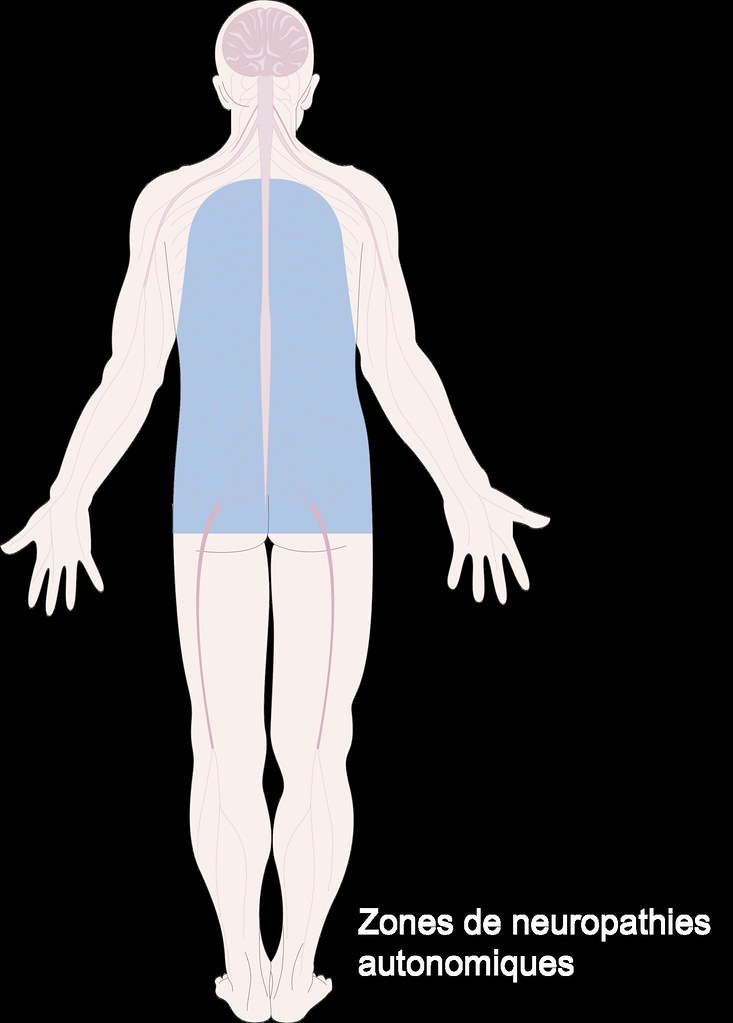
    Neuropathies 2
    Neuropathies 2

    Peripheral neuropathy occurs when nerves in the body become damaged and stop communicating accurately with the brain, leading to pain, numbness or tingling in hands and feet. It’s a side effect of cancer treatments such as chemotherapy as well as some drugs used for infections or cardiovascular conditions; cancer tumors themselves may press on nerves or destroy blood vessels that supply them.

    Medications can sometimes help

    One common approach for treating neuropathy is medications, including antidepressants and anticonvulsants to manage pain and enhance mood as well as opioids to relieve it. Other ways of alleviating symptoms may include exercising to relieve tension and enhance balance as well as taking supplements; others utilize acupuncture treatments which may relieve nerve pain.

    If a patient experiences neuropathy during chemotherapy, their doctor may delay or adjust the dosage of the drug causing it. They could also suggest another medication. In severe cases where neuropathy prevents functioning or enjoyment of life, treatment must be discontinued and alternatives explored.

    But is there a way to help patients avoid neuropathy altogether?

    According to research presented at the 2023 Society for Gynecologic Oncology annual meeting, combining compression with cooling techniques, such as using frozen gloves or socks during chemotherapy treatment could reduce chemotherapy-induced peripheral neuropathy.

    Research project involving 36 women

    women smile park pose girls 6342815
    women smile park pose girls 6342815

    Researchers conducted a research project involving 36 women receiving oxaliplatin chemotherapy treatments as part of their treatment regimes. Gloves and socks made of special breathable material were worn on every infusion except the initial one to assess if this helped with neuropathy symptoms.

    After six months of treatment with oxaliplatin, those using cold gloves and socks reported lower levels of neuropathy than those who did not use these devices. They also had higher scores on a questionnaire measuring quality of life and improved results with their compound motor action potential amplitudes (electric signals that inform muscles to move). But since this study wasn’t randomised, other factors could have affected its results and more research must be conducted to see whether its findings can be replicated. And more information is necessary about how best to implement cold therapy, including the appropriate temperatures and durations for treatment. But results indicate this straightforward, inexpensive, and user-friendly method might be worth trying for anyone at risk for developing neuropathy from taking oxaliplatin (Source: OncLive September 20 22 ). For more information about this matter, consult your oncologist.

  • Cryotherapy Vs Ice Bath

    Cryotherapy Vs Ice Bath

    Cold therapy offers many different solutions, from cold plunge pools and ice baths to whole body cryotherapy (WBC). Each one can help speed recovery after strenuous workouts or reduce muscle soreness; however, their effects and effectiveness may differ; in this article we’ll compare cryotherapy vs ice bath and see which may be more suitable.

    Cryotherapy uses liquid nitrogen

    Cryotherapy involves the use of liquid nitrogen to cool a chamber that you would enter, which causes blood vessels to constrict, which helps decrease swelling and inflammation after exercise, as well as increasing your internal temperature to accelerate natural healing processes in your body. Unfortunately, this method isn’t as safe or can even be painful for those suffering from certain medical conditions.

    Localized cryotherapy: This be effective for managing pain and diminishing cellulite, as well as relieving migraine symptoms or freezing cancer cells. It should be noted, however, that whole-body cryotherapy provides more significant improvements to athletic performance.

    Finding a healthy balance between ice baths and cryotherapy for recovery after workout can be challenging. While many consider ice baths safe, they can pose risks to individuals with heart or circulation issues. Furthermore, immersion into freezing water for too long could result in hypothermia or frost bite.

    Start Slow With Ice Baths

    ice bath
    ice bath

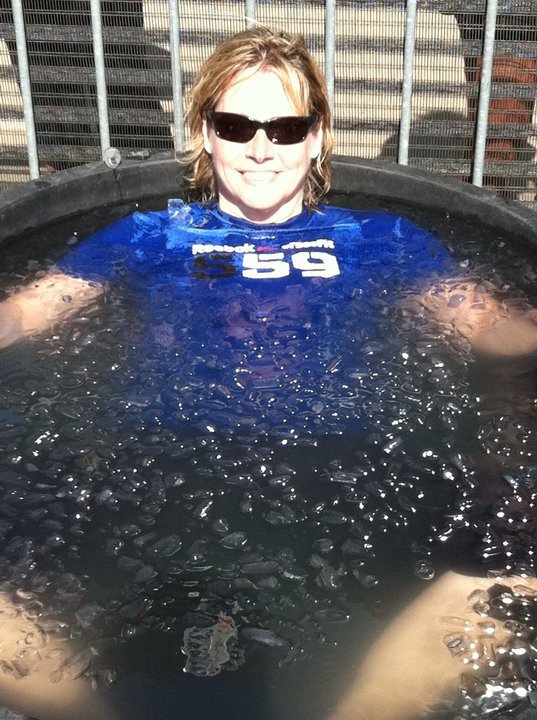
    If you’re considering taking an ice bath, begin by submerging only your feet and lower legs initially so they can adjust to the cold temperature before gradually expanding your submersion to include your torso. It is generally advised to remain submerged for no more than two minutes at a time before leaving to rest or experiencing discomfort; otherwise it is wise to exit immediately from the tub.

    Cold showers following treatments such as an ice bath should be avoided to prevent hypothermia; instead, warm showers will help raise your temperature and aid muscle recovery. After your cryotherapy session is complete, take some time to stretch and walk around, so your body can reacclimate itself. This step is crucial if you wish to maximize its effects.

    Stay hydrated and be sure to eat

    drink water

    As part of your wellness regimen, it’s also wise to stay hydrated by drinking water or another beverage and eating something nutritious in order to boost energy. Just be sure that before trying any cryotherapy or ice bath methods. They can advise you on which techniques are safest for your particular circumstances and offer maximum value in terms of recovery and performance enhancements. This will help ensure that you make the most of your experience and reduce complications as much as possible.

  • Does Cryotherapy Help With Weight Loss?

    Does Cryotherapy Help With Weight Loss?

    Cryotherapy is an extremely cold treatment option used to reduce pain and inflammation within the body, including conditions such as arthritis or fibromyalgia. Cryotherapy may even help you shed unwanted weight.

    Cryotherapy helps your body shed hundreds of calories quickly. Plus, its increased metabolic effects help boost daily calorie burn.

    It boosts your metabolism

    Cryotherapy is a non-invasive process in which extreme cold temperatures are used to promote health benefits for individuals. Cryotherapy can increase metabolism, tone the skin, help with weight loss, treat chronic medical conditions and can even pop-up shops! Cryotherapy services are offered at many medical clinics, wellness centers and even pop-up shops around the country.

    Cryotherapy utilizes extreme temperatures to stimulate your body’s natural response of heating itself back up again, which results in an intense period of high-calorie burn – non-shivering thermogenesis has been estimated to burn as many as 500 calories within three minutes!

    Recent studies showed that women who underwent whole-body cryotherapy (WBC) experienced lower waist measurements than the control group and reduced cholesterol levels, which is a common problem among menopausal women. While the research is promising, more studies will need to be conducted in order to fully verify its effects on humans; until that time, you should combine your cryotherapy treatment with diet and exercise in order to maximize results.

    It reduces inflammation

    Cryotherapy reduces inflammation, alleviating both pain and aches. Furthermore, it activates your body’s natural healing processes and reduces the need for medications like NSAIDs; additionally it boosts collagen production for faster injury recovery – this is why localized and whole body cryotherapy are becoming increasingly popular with athletes.

    Cryotherapy’s anti-inflammatory effect is likely attributable to vasoconstriction at a muscular level, which reduces blood flow to areas that have been inflamed, thus soothing pain. Furthermore, extreme cold causes your muscles to contract and relax rapidly for quick pain relief.

    Studies have demonstrated the efficacy of whole-body cryotherapy sessions when combined with healthy diet and exercise for weight loss. It’s important to remember, though, that long-term exposure to subzero temperatures can cause damage to skin cells as well as frostbite – it is best to opt for localized sessions rather than whole body cryotherapy and to limit exposure of sensitive areas like your face to cold temperatures.

    It numbs pain

    Cryotherapy is an easy and fast way to alleviate pain. By cooling soft tissues down and blocking pain signals from reaching your brain, cryotherapy helps numb them as well as limit inflammation spread. Cryotherapy offers a safer alternative than prescription drugs – many celebrities and athletes rely on cryotherapy to speed recovery after workouts for maximum performance gains.

    Increased brown fat cells help your body burn calories more efficiently without the usual shivering caused by cold exposure, while simultaneously raising metabolism can aid weight loss.

    Cryotherapy is an extreme-cold therapy treatment that exposes your entire body to ultra-cold temperatures for two or three minutes, standing inside an enclosed chamber protecting yourself with gloves, facemasks, ear muffs, socks or slippers – and some pods even come large enough for multiple people to use at once! Save costs when booking sessions with friends or family members as sessions together could save money!

    It reduces stress

    Cryotherapy involves subjecting your body to cold temperatures for short periods, which stimulates the nervous system and leads to the release of anti-inflammatory proteins, helping with weight loss by increasing metabolism and energy levels, improving performance and recovery among athletes, while providing benefits to other people as well. It’s often utilized by professional sports teams but other people may benefit as well.

    Exposure to cold air during cryotherapy sessions causes your skin’s blood vessels to contract, increasing circulation and providing your organs with more oxygen. This process also produces endorphins which boost mood and can alleviate stress; furthermore it increases collagen production which reduces wrinkles for an overall healthier glow on skin.

    Cryotherapy sessions offer an energy boost that lasts long afterward – perfect for kickstarting your day and getting more done. By increasing blood flow and oxygen to the brain, cryotherapy also promotes focus and concentration.