Category: Health

  • How CBD Is Made from Hemp Plants: From Field to Finished Product

    How CBD Is Made from Hemp Plants: From Field to Finished Product

    CBD (cannabidiol) has become one of the most widely used hemp-derived compounds in wellness products today. Youโ€™ll find it in creams, oils, capsules, gummies, balms, and even pet products. But many consumers do not fully understand how CBD is actually made.

    CBD does not appear magically in a bottle. It is the result of a multi-step agricultural and manufacturing process that begins in the soil and ends in a carefully tested extract. Understanding this process helps consumers make better buying decisions and separate high-quality CBD products from low-quality or misleading ones.

    This article walks through the entire CBD production processโ€”from growing hemp plants to extracting, refining, and formulating CBD for real-world use.


    1. What Is Hemp and Why Is It Used for CBD?

    CBD is naturally produced by Cannabis sativa L., the same species that includes marijuana. The key difference is THC content.

    • Hemp is legally defined in the U.S. as cannabis containing 0.3% THC or less by dry weight
    • Marijuana contains higher THC levels and is regulated differently

    Hemp is used for CBD production because it:

    • Naturally contains high levels of CBD
    • Contains only trace amounts of THC
    • Is federally legal when grown under approved programs
    • Can be cultivated at large scale for extraction

    Industrial hemp is grown specifically for flowers, not for fiber or seeds, when the goal is CBD.


    2. Growing Hemp for CBD Extraction

    Climate and Soil Requirements

    Hemp plants grown for CBD need:

    • Full sun exposure
    • Well-draining soil
    • Moderate rainfall or controlled irrigation
    • Minimal pesticide use

    High-quality CBD begins with healthy plants. Hemp readily absorbs compounds from the soil, which means clean soil is critical. Poor soil can lead to contaminated extracts later.

    Genetics Matter

    CBD content varies by strain. Licensed growers use CBD-dominant hemp genetics bred for:

    • High cannabidiol levels
    • Low THC expression
    • Consistent cannabinoid profiles

    Seed selection directly affects the final potency and purity of the extract.


    3. Harvesting Hemp at the Right Time

    Timing is critical.

    Hemp plants are harvested when:

    • CBD levels are at their peak
    • THC remains below legal limits
    • Flowers are mature but not degraded

    Harvest usually occurs just before full flowering finishes. If harvested too early, CBD levels are low. If harvested too late, THC may rise beyond legal thresholds.

    After cutting, the plants move immediately to drying.


    4. Drying and Curing the Hemp Flowers

    Fresh hemp contains a high moisture content. Drying is essential to:

    • Prevent mold growth
    • Preserve cannabinoids and terpenes
    • Prepare plant material for extraction

    Drying typically occurs in:

    • Climate-controlled barns
    • Low-heat environments
    • Well-ventilated spaces

    Once dried, flowers are trimmed and stored until extraction. At this stage, the hemp still contains CBD in its acid form (CBDA).


    5. Decarboxylation: Activating CBD

    Raw hemp does not contain much active CBD. Instead, it contains CBDA (cannabidiolic acid).

    To convert CBDA into CBD, the plant material undergoes decarboxylation, a controlled heating process that:

    • Removes a carbon group
    • Activates cannabinoids
    • Makes CBD bioavailable

    This step is essential. Without decarboxylation, CBD would not function as expected in finished products.


    6. CBD Extraction Methods

    Extraction is the process of pulling cannabinoids out of the hemp plant. Several methods exist, but quality varies greatly.

    COโ‚‚ Extraction (Gold Standard)

    Supercritical COโ‚‚ extraction is widely considered the cleanest and most precise method.

    How it works:

    • Carbon dioxide is pressurized and heated
    • COโ‚‚ acts like a solvent
    • Cannabinoids and terpenes are separated
    • COโ‚‚ evaporates completely, leaving no residue

    Advantages:

    • No toxic solvents
    • Highly controlled
    • Produces clean, potent extracts
    • Ideal for premium CBD products

    Ethanol Extraction

    Ethanol extraction uses food-grade alcohol to dissolve cannabinoids.

    Pros:

    • Efficient
    • Cost-effective
    • Common for large-scale production

    Cons:

    • Can extract chlorophyll
    • Requires additional refinement
    • Flavor may be harsher if not processed correctly

    Hydrocarbon Extraction (Less Common for CBD)

    Methods using butane or propane are more common for THC concentrates and less ideal for CBD wellness products due to safety and residue concerns.


    7. Refinement and Filtration

    After extraction, the raw CBD oil is thick, dark, and contains:

    • Plant waxes
    • Fats
    • Chlorophyll
    • Minor impurities

    Winterization

    The extract is mixed with alcohol and frozen to remove unwanted plant compounds. This improves:

    • Clarity
    • Stability
    • Texture

    Distillation

    Further refinement separates cannabinoids by boiling point, producing:

    • CBD distillate
    • Higher potency
    • Consistent cannabinoid levels

    At this stage, the extract may exceed 70โ€“90% CBD depending on refinement.


    8. Types of CBD Extracts

    Not all CBD extracts are the same.

    Full Spectrum CBD

    • Contains CBD + minor cannabinoids
    • Includes trace THC (โ‰ค0.3%)
    • Preserves natural plant profile

    Broad Spectrum CBD

    • Contains CBD + minor cannabinoids
    • THC removed
    • Ideal for THC-sensitive users

    CBD Isolate

    • Pure CBD only
    • No other cannabinoids or terpenes
    • Least โ€œplant-likeโ€ effect

    Broad spectrum and full spectrum extracts are often preferred for topical products and wellness formulations due to the entourage effect.


    9. Lab Testing and Quality Control

    Reputable CBD manufacturers test at multiple stages.

    Third-party lab testing verifies:

    • CBD potency
    • THC compliance
    • Absence of pesticides
    • Heavy metal safety
    • Microbial cleanliness

    A Certificate of Analysis (COA) should always be available to consumers.

    CBD that is not tested should be avoided.


    10. Formulating CBD into Finished Products

    Once extracted and tested, CBD is blended into products such as:

    • Creams and lotions
    • Salves and balms
    • Oils and tinctures
    • Capsules and edibles

    Formulation determines:

    • Absorption speed
    • Shelf life
    • User experience
    • Effectiveness

    For topicals, CBD is often combined with:

    • Carrier oils
    • Aloe
    • Shea butter
    • Essential oils
    • Cooling or warming agents

    This is where a CBD product becomes more than just an extractโ€”it becomes a usable solution.


    11. Why the CBD Production Process Matters

    CBD quality is not determined by milligram numbers alone. It depends on:

    • Hemp genetics
    • Farming practices
    • Extraction method
    • Refinement level
    • Lab verification
    • Final formulation

    Cheap CBD products often cut corners early in the process. Premium products invest in every step.

    Understanding how CBD is made helps consumers:

    • Avoid misleading claims
    • Identify trustworthy brands
    • Choose products that actually work

    Final Thoughts

    CBD creation is both agricultural and scientific. It starts with a plant grown under strict conditions and ends with a refined extract shaped into products people rely on daily.

    From soil quality to extraction method, every decision affects the final result. When done correctly, CBD remains one of the most versatile and well-tolerated hemp-derived compounds available today.

    For consumers, knowledge is power. Knowing how CBD is made allows you to choose quality over hypeโ€”and results over promises.

  • The 2018 Farm Bill: What It Really Means for Hemp and CBD

    The 2018 Farm Bill: What It Really Means for Hemp and CBD

    In December 2018, something quietly historic happened.
    Congress passedโ€”and the president signedโ€”the Agriculture Improvement Act of 2018, better known as the 2018 Farm Bill.
    On paper it sounds like a routine agriculture law, but for hemp growers, CBD makers, and anyone curious about natural wellness, it was a game changer.


    From Outlaw to Everyday Crop

    For decades, hemp lived in legal limbo.
    Because itโ€™s a cousin of marijuana, federal law treated it as a controlled substanceโ€”even though hemp canโ€™t make you high.
    This made growing it a risky, often illegal business.

    The 2018 Farm Bill finally drew a bright line:
    If hemp contains no more than 0.3% THC (the compound that causes a โ€œhighโ€), it is not marijuana. It is an ordinary agricultural commodity.

    That single sentence opened the door for farmers to grow hemp like corn or wheat, and for companies to make and ship CBD products across state lines without breaking federal law.


    Key Points Made Simple

    Hereโ€™s what the bill did in plain English:

    1. Legalized hemp nationwide
      Hemp and hemp-derived productsโ€”think CBD oil, fiber, seedsโ€”are legal as long as they stay under the 0.3% THC limit.
    2. Allowed interstate commerce
      Hemp can move freely from one state to another.
      Before 2018, shipping across state lines risked federal trouble.
    3. Set up state and federal oversight
      States and tribes can create their own hemp programs (with federal approval).
      Farmers must get licensed and follow testing rules to prove their crops stay under the THC threshold.
    4. Gave farmers access to support
      Hemp growers can now qualify for crop insurance, research grants, and loansโ€”benefits previously off-limits.

    What It Didnโ€™t Do

    Itโ€™s important to know what the bill didnโ€™t change:

    • Marijuana is still federally illegal.
      Anything with more than 0.3% THC remains a Schedule I drug.
    • FDA rules still apply.
      The U.S. Food and Drug Administration regulates how CBD can be marketed in foods, drinks, or supplements.
      A product can be legal to grow but still run afoul of FDA labeling or health-claim rules.

    Why It Matters Today

    The Farm Bill turned hemp into one of Americaโ€™s fastest-growing crops.
    From textiles to building materials to wellness products like CBD creams and tinctures, hemp is now part of everyday commerce.
    It also sparked a wave of research into how hemp-based products can help with stress, recovery, and skin healthโ€”topics once stuck on the sidelines.

    For small farmers, the change was more than symbolic.
    It created new revenue streams and allowed local agriculture to diversify.
    For consumers, it meant easier access to consistent, regulated products instead of a gray-market guessing game.


    Looking Ahead

    The 2018 Farm Bill must be renewed every five years, so the next version could tweak hemp rulesโ€”perhaps adjusting the THC threshold or clarifying CBD in foods and drinks.
    But the core shift has already taken root: hemp is no longer a forbidden plant; itโ€™s a legitimate crop with a bright economic future.


    Bottom line:
    The 2018 Farm Bill didnโ€™t just rewrite farm policyโ€”it rewrote hempโ€™s place in American life.
    By separating hemp from marijuana and allowing legal, regulated production, it opened doors for farmers, entrepreneurs, and consumers to explore the plantโ€™s full potential without fear.

  • The Rise of Broad Spectrum CBD: Why Itโ€™s the Go-To Choice for Topical Creams

    The Rise of Broad Spectrum CBD: Why Itโ€™s the Go-To Choice for Topical Creams

    Broad spectrum CBD has taken center stage in the world of hemp-based skincare and pain relief.
    Once overshadowed by full spectrum and CBD isolate, this middle-ground extract is now driving new product launches and winning over consumers who want natural benefits without THC.

    What Broad Spectrum CBD Is

    Broad spectrum CBD starts as a whole-plant hemp extract and then goes through a process to remove all detectable THC.
    What remains is a rich profile of cannabinoids (like CBG and CBC), terpenes, and flavonoids that work together to support the bodyโ€™s endocannabinoid systemโ€”minus the psychoactive component.

    This โ€œentourage effect without THCโ€ gives users a robust, plant-powered experience while staying compliant with zero-THC preferences or workplace testing requirements.

    Key Benefits for Topical Use

    1. Targeted Relief for Muscles and Joints
    Broad spectrum creams are applied directly to the skin, where cannabinoids interact with local receptors to soothe discomfort.
    Many people find them helpful for sore muscles, stiff joints, and post-workout recovery.

    2. Skin Health Support
    The cannabinoids and natural terpenes present can help calm irritation, balance oil production, and support hydrationโ€”making these creams popular for everyday skincare, eczema, or dry patches.

    3. Non-Greasy, Fast Absorption
    Modern formulas use lightweight carriers like MCT oil and aloe, allowing creams to absorb quickly without leaving a heavy residue.

    What Is Shave Butter?

    Why Its Popularity Is Surging

    • No THC Concerns
      Consumers seeking cannabis wellness without any risk of psychoactive effects or drug testing issues see broad spectrum as a safe and effective choice.
    • Fuller Plant Profile Than Isolate
      Compared to CBD isolate, broad spectrum offers more cannabinoids and terpenes for a stronger wellness synergy.
    • Scientific Backing
      Emerging studies on the entourage effect show that cannabinoids work better together than alone, fueling demand for products that preserve multiple compounds.
    • Mainstream Availability
      From boutique wellness shops to major pharmacies, broad spectrum creams are now widely stocked, making them easy to find and trust.

    The Takeaway

    Broad spectrum CBD blends the best of both worlds: the rich plant chemistry of full spectrum and the peace of mind of THC-free products. Visit Willamette weed works.com for even more information.


    For anyone seeking natural relief for aches, inflammation, or skin concerns, broad spectrum CBD topical creams are a smart, future-ready choice.

    Whether youโ€™re an athlete, office worker, or skincare enthusiast, this formulation delivers powerful benefitsโ€”without compromise.

  • Can CBD be added to creams to help with Eczema on nipples?

    Eczema on nipples can be uncomfortable and impact self-esteem. Knowing its causes and symptoms is key to managing it effectively.

    This article examines how CBD can help reduce eczema symptoms, including its benefits and potential side effects when used in creams.

    It also offers practical advice for applying CBD cream and other strategies to handle this condition. Whether you’re looking for relief or more information, this article provides useful insights.

    Understanding Eczema on Nipples

    Eczema on nipples is a skin condition that causes inflammation and irritation in this sensitive area. It often leads to discomfort, including dryness, redness, and itching.

    Allergic reactions, sensitivities, and underlying health conditions can contribute to developing this condition. Understanding the causes and symptoms of nipple eczema is important for effective management and treatment.

    What Causes Eczema on Nipples?

    The causes of eczema on nipples can include irritants, allergens, and sensitivities. Common triggers are contact with soaps, detergents, fabrics, and hormonal changes that affect skin health. Understanding these factors is key to finding effective treatments.

    Some people may not realize that specific foods or environmental factors, like pollen or pet dander, can worsen eczema. People with inflammatory skin conditions might experience unique reactions, so it’s important to identify personal triggers.

    This personalized approach allows for tailored care, ensuring that treatment plans meet individual skin needs. Maintaining a skin care routine that avoids known irritants can greatly reduce discomfort and decrease the frequency of flare-ups.

    What Are the Symptoms of Eczema on Nipples?

    Symptoms of eczema on the nipples often appear as dryness, redness, and intense itching, causing distress for those affected. People might also experience skin irritation, flaking, or eczema patches, varying in severity. Recognizing these symptoms early is important for managing discomfort and preventing further irritation.

    The discomfort from nipple eczema can significantly affect daily routines and emotional well-being. Many adjust their wardrobes to wear softer fabrics that reduce friction against sensitive skin. Constant itching may lead to frequent scratching, worsening the condition and causing bleeding or crusting. The visible symptoms can lead to self-consciousness, especially in social settings.

    Being aware of nipple eczema signs and seeking timely treatment can help ease discomfort and improve overall quality of life.

    How Can CBD Help with Eczema on Nipples?

    CBD, or cannabidiol, has become a potential natural solution for skin conditions like eczema on nipples. Its properties help reduce inflammation and irritation, offering an alternative to traditional treatments.

    Derived from hemp, CBD is non-psychoactive and may support skin health when used in topical applications.

    What is CBD?

    CBD, or cannabidiol, is a natural compound from the hemp plant, known for not being psychoactive. Unlike THC, it does not cause a high, making it a safe choice for various therapeutic uses. Its diverse cannabinoid profile offers potential health benefits, especially in skincare.

    CBD interacts with the body’s endocannabinoid system to promote balance and well-being. While both THC and CBD come from the cannabis plant, THC is psychoactive, and CBD is known for its calming and anti-inflammatory effects.

    This difference has led to CBD’s use in many wellness and skincare products, particularly for conditions like eczema. The calming properties of hemp extract help hydrate and soothe skin irritation, providing a natural remedy without the mind-altering effects of THC.

    How Does CBD Work on Eczema?

    CBD may help manage eczema by interacting with the body’s endocannabinoid system, which is important for skin health and controlling inflammation. Its anti-inflammatory properties can help reduce redness and irritation and support skin barrier repair, offering benefits for people with eczema.

    CBD binds to receptors in the skin to modulate inflammatory responses and decrease the production of pro-inflammatory cytokines. This can soothe irritations and support the skin’s natural defenses, improving moisture retention and protection against environmental stressors.

    Beyond easing discomfort, CBD helps stabilize the skin’s barrier, potentially preventing future flare-ups caused by dryness and sensitivity. As a result, CBD might offer a gentle and effective option for long-term skin health management for those dealing with eczema.

    Can CBD Be Added to Creams for Eczema on Nipples?

    CBD can be included in creams designed for treating eczema on nipples, improving their ability to relieve discomfort and provide hydration.

    Many topical treatments use CBD for its calming effects, offering a moisturizing texture that aids skin repair and comfort.

    What Are the Benefits of Using CBD Cream for Eczema on Nipples?

    CBD cream for eczema on nipples provides benefits like reduced inflammation, increased hydration, and better skin barrier function. This soothing balm relieves itching and discomfort and promotes overall skin health.

    People with nipple eczema often face sensitivity and irritation, so finding effective solutions is crucial. Applying CBD-infused therapeutic creams can ease symptoms by reducing localized inflammation and providing a calming effect directly to the affected area.

    Users often see noticeable reductions in redness and swelling after adding this balm to their daily skincare routine. The hydrating effects of CBD cream not only soothe the skin but also nourish it, leading to a healthier appearance.

    By using targeted treatments for personal care, many people find that they can significantly improve their quality of life.

    What Are the Potential Side Effects of Using CBD Cream for Eczema on Nipples?

    While CBD cream is usually safe, some people might have side effects like skin sensitivity or an allergic reaction, especially on sensitive areas like nipples. Testing the cream on a small patch of skin first is important to check for any issues.

    How the cream affects your skin can depend on its ingredients and your unique skin type. People with dry or oily skin might experience different absorption rates and irritation levels.

    If you have sensitive skin, watch for any unusual changes after applying the cream. Pay attention to the ingredients, as some additives could cause reactions.

    By monitoring how your skin responds and adjusting use as needed, you can safely enjoy the benefits of CBD in your skincare routine.

    How to Use CBD Cream for Eczema on Nipples

    To use CBD cream for eczema on nipples, first gently clean the area to prepare the skin.

    Then, apply a small amount of the cream and massage it in until fully absorbed, covering the affected areas completely.

    Step-by-Step Guide on Applying CBD Cream for Eczema on Nipples

    Using CBD cream for eczema on nipples requires careful application for effective relief and comfort. Follow these steps to seamlessly add CBD to your skincare routine.

    1. First, gently clean the area with a mild, fragrance-free soap to eliminate any irritants and prepare the skin for the cream.
    2. After drying the skin, take a small amount of CBD cream and warm it between your fingers, which improves absorption and provides a soothing application.
    3. Then, apply the cream to the affected areas using gentle, upward strokes to ensure even coverage.

    It’s important to apply the cream consistently, ideally twice a day, to maintain hydration and alleviate discomfort from eczema.

    Other Ways to Manage Eczema on Nipples

    Managing eczema on nipples requires a comprehensive approach that includes more than just topical treatments.

    Preventive care can greatly improve skin health and reduce flare-ups, enhancing overall comfort and well-being.

    1. Avoid Triggers

    To manage nipple eczema effectively, avoid triggers that can worsen the condition. Common irritants include certain fabrics, soaps, and stress, which may cause flare-ups.

    Identifying these triggers is important for managing this sensitive condition. For example, synthetic fabrics often irritate the skin, so choosing soft, breathable materials like cotton can help. Be careful with body washes and lotions containing harsh chemicals or fragrances, as these can aggravate symptoms. Keeping a journal to track stressful events can assist in developing better management strategies.

    Regularly moisturizing the area helps create a protective barrier, reducing the chance of irritation and flare-ups. By being attentive and proactive, individuals can manage their skin health more effectively.

    2. Keep Skin Moisturized

    Keeping the skin moisturized is important for managing eczema on nipples, as hydration helps maintain the skin barrier and reduce irritation. Using a quality moisturizer can greatly improve comfort and relieve symptoms.

    Proper hydration soothes dryness and strengthens the skin against irritants and allergens that can worsen eczema. For those with sensitive skin, gentle, fragrance-free moisturizers are recommended.

    Moisturizers with ceramides help restore the skin’s protective layer, while ingredients like hyaluronic acid draw moisture into the skin for long-lasting hydration. Emollients such as shea butter and colloidal oatmeal can further reduce itchiness and inflammation.

    Choosing these specialized moisturizers can significantly enhance comfort and overall skin health.

    3. Use Gentle Skincare Products

    Using gentle skincare products is important for individuals with eczema on the nipples, as harsh ingredients can irritate sensitive skin. Choosing products with natural ingredients can soothe the skin without causing more irritation.

    The skin in this area is very delicate and prone to flare-ups. When choosing products, look for those free from fragrances, parabens, and alcohol, as these can irritate the skin further.

    Instead, opt for moisturizers and creams with ingredients like colloidal oatmeal, coconut oil, and shea butter, which can hydrate and restore the skin barrier, providing relief from discomfort.

    Brands like Aveeno and Eucerin offer formulations specifically for sensitive skin, making them good options for managing eczema effectively.

    4. Consult with a Dermatologist

    Seeing a dermatologist is crucial for those with persistent eczema on the nipples, as they can offer tailored treatment plans and expert advice. A healthcare professional can evaluate skin health and suggest effective products or therapies.

    This is especially important due to the sensitivity of the skin in that area, where proper care can greatly improve comfort and quality of life. Through a detailed examination, a dermatologist can differentiate between various skin conditions to ensure an accurate diagnosis.

    They can recommend topical treatments like corticosteroids and lifestyle changes suited to individual needs, improving overall skin health.

    Additionally, they can provide valuable tips on identifying and avoiding irritants or allergens that might worsen symptoms, helping patients manage their condition effectively and reduce flare-ups.

  • The Benefits of Stretching Toes

    The Benefits of Stretching Toes

    The foot is an intricate system comprised of 26 bones and 33 joints that work together to support our bodies while providing balance, mobility and control when walking, running or engaging in other activities. Over time however, factors like long periods of standing or wearing poorly fitting shoes may cause toes to become swollen, tightened and misalign with one another, leading to discomfort when performing activities requiring pointing and flexing of the toes – this pain can only worsen with activity that involves pointing and flexing of toes; regular toe stretching can alleviate symptoms while helping prevent further issues from arising.

    Stretching may not cure bunions or hammer toe, but it may ease symptoms and lower their likelihood. Stretches for bunions or hammer toe can improve flexibility and movement in feet and toes while relieving pressure from toes and improving mobility in toes.

    Toe stretches are simple to incorporate into daily activities like exercise, yoga or simply getting out of bed each morning. Doing these stretches regularly can offer many advantages for improving flexibility, movement and strength in feet and toes as well as blood flow to these tissues – providing oxygen and nutrients while flushing out waste products from cells in feet and toes.

    Stretching can help alleviate many common foot and toe conditions such as bunions, hammer toes and plantar fasciitis. Furthermore, stretching can strengthen feet and toes reducing their susceptibility to injury from overuse or wear and tear.

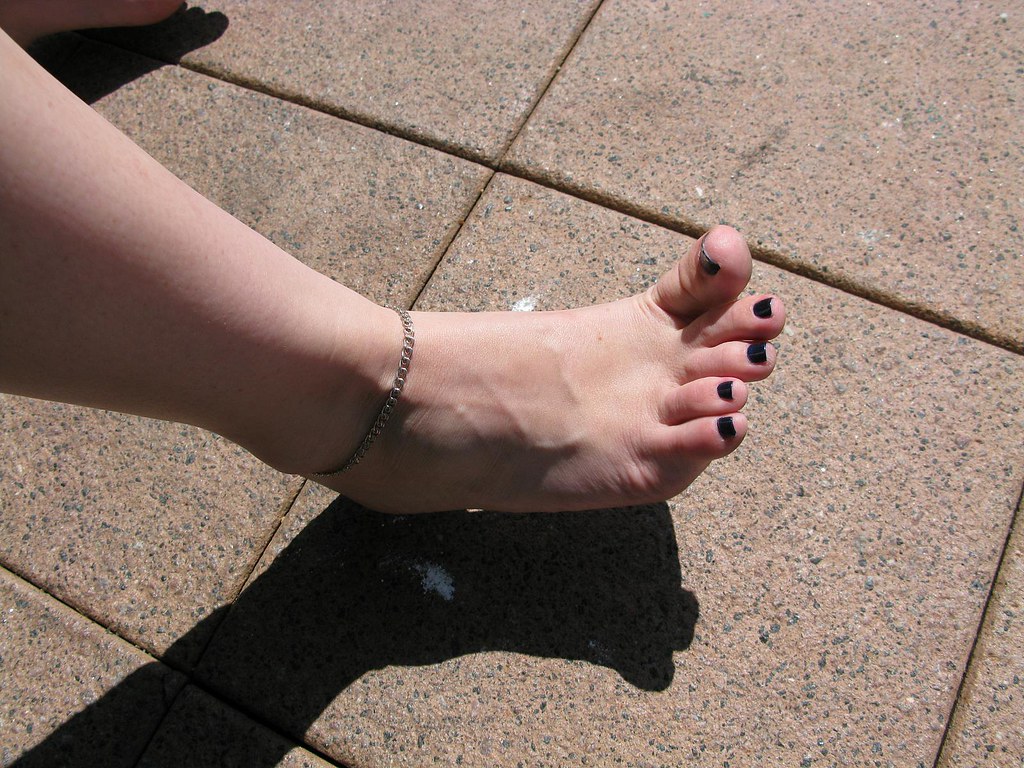
    Toe stretches can be performed by standing beside a wall or other hard upright surface with your feet shoulder-width apart and shoulder-width apart, using both hands for balance as you press your toes against it for about five seconds before returning your foot back onto the floor and repeating this for both feet.

    Other toe stretching exercises involve sitting down and raising your toes off of the floor while pointing and flexing them, spreading them as far apart as you can, and repeating these stretches twice or three times daily.

    Toe spacers can be an effective addition to stretching to increase range of motion and strengthen muscles in the feet and toes. Available in an array of sizes and adjustments to suit different foot and toe types, these devices can be worn during daily activities or while sleeping to provide support and comfort; during sports or walking they can help improve flexibility, mobility and reduce the risk of toe deformities from excessive tightening. To discover more about using toe spacers in daily life schedule an appointment with a podiatrist today!

  • Hiit Workouts For Women Over 50

    Hiit Workouts For Women Over 50

    Hiit workouts may seem intimidating to the average woman, yet they can still provide great benefits to women over 50. They typically feature models covered in sweat, with promises to reduce fat storage and eliminate “middle age spread.” Yet in reality, hiit workouts for women over 50 are just as effective and should easily fit into your fitness regime.

    HIIT (High Intensity Interval Training) is an intense form of exercise designed to raise your heart rate in short bursts before rest periods. This method builds endurance, muscle tone and can even accelerate metabolism so that more calories will be burned once your workout has ended. Research has proven that high intensity interval training (HIIT) workouts are beneficial to men and women of all ages; however, they are especially useful for postmenopausal and premenopausal women. Studies published in “Menopause”, The Journal of North American Menopause Society, have discovered that high intensity interval training (HIIT) workouts are an effective form of exercise to decrease fat mass and increase lean muscle mass, which in turn helps combat symptoms associated with menopause such as hot flashes and weight gain.

    There are various ways to perform a high intensity interval training workout, from doing it at the gym or at home with equipment to using bodyweight exercises alone. Whatever method you choose, the key to making your HIIT sessions effective and regular is working up to an intensity level you are comfortable with and practicing it regularly – for beginners starting out it may help to start off by rotating between 20 seconds of high intensity and 90 seconds of lower intensity; over time as your strength and stamina develop, gradually increase both interval intensity and decrease rest periods accordingly.

    HIIT workouts can vary from 10 minutes to 45, depending on your fitness level and intensity level of effort. Shorter workouts tend to be more appealing for people pressed for time as they require less of their attention to be diverted away from other activities and allow greater flexibility with regards to where and when they can be completed, which makes incorporating them easier into a busy schedule.

    HIIT workouts aren’t only time-efficient; they also work wonders in terms of hormone balance and visceral fat management – something common during menopause. By decreasing insulin sensitivity, blood sugar levels and oxygen consumption per beat, they help you increase heart pumping capacity while simultaneously managing stress through serotonin release and decreasing cortisol, two chemicals which may become elevated midlife.

    Although high intensity interval training (HIIT) workouts can provide you with maximum exercise return, they should only form part of an overall health and wellness plan, alongside low intensity resistance training, cardio exercise, balance and flexibility training and low intensity resistance training. Most experts suggest doing a few HIIT workouts each week along with regular physical activity to achieve the best results.

  • Facial Exercises For Jowls

    Facial Exercises For Jowls

    As we get older, the skin beneath your jawline may start to sag and hang lower, giving an aged appearance. However, there are facial exercises for jowls which can help tighten this loose skin and give your face a natural lift; additionally these facial exercises can improve blood circulation and overall health benefits.

    Though many may fear the sight of sagging jowls and wrinkles as part of aging, it’s important to remember these changes are part of life – though some people may notice these effects earlier than others. If this concerns you or you want to appear younger there are facial exercises for jowls that you can perform at home to tighten skin tighten it and reduce its appearance of jowls.

    The pufferfish exercise is an effective form of facial yoga designed to firm up cheek muscles. Begin by forming your hands into fists and using your knuckles to massage along the top jawbone in a circular motion – this will stimulate muscle tone while providing your face with fresh blood, oxygen and nutrients needed for healthy cells – thus helping prevent build-ups of fluid which cause jowls or wrinkles in this area.

    Another effective facial exercise to tighten sagging jowls is the jaw tapping exercise, an effortless practice you can perform while sitting comfortably in a chair or on a mat. When performing this exercise, use your fingertips to tap rapidly on cheeks, jaw, and skin around mouth – make sure that this occurs evenly over all parts of your face for best results and tone your facial features, remove fine lines from skin around mouth area and tighten sagging jowls!

    As well as the jaw tapping exercise, yawning exercises provide another effective form of face yoga for jowls while lying down. While not as powerful, it still serves to tighten loose jowls, eliminate wrinkles, and help tighten loose jawlines without creating turkey necks or wrinkles. When performing this exercise, open your mouth wide like you were yawning before slowly closing it again without touching your teeth with either hand before repeating until your jowls firm up or no longer show evidence of droopy jawlines!

    Researchers conducted a small study demonstrating that participants who engaged in facial exercises for jowls experienced reduced jowls, less of a turkey neck, more defined cheeks than in the control group and overall reduced double chin or wattle formation. While these exercises are promising, further research needs to be conducted on them in order to assess if they truly help tighten your jowls and eliminate double chin formation or not. Besides facial exercises alone, eating well-balanced meals and losing excess weight are essential steps as this will ensure your body receives necessary nutrition that will prevent fat accumulation around cheeks and double chin development resulting in further tightening or tightening of your jowls/wattle formation/wattle formation/etc.

  • Buffalo Hump Removal Exercises

    Buffalo Hump Removal Exercises

    A neck hump or buffalo hump may be caused by poor posture, hormonal imbalances and certain medical conditions; fortunately it is reversible through targeted exercises.

    Here are five easy Buffalo Hump Removal exercises that will help improve your neck and back posture, strengthening and stretching other parts of the body that need strengthening or flexibility work.

    Double Chin Exercise

    Diet and weight management remain key ways to diminishing double chins; however, regular facial and neck exercises may also help tone and contour the jaw area. These simple yet straightforward exercises can diminish fat accumulation while improving posture and shaping the jawline for a more defined jawline.

    Begin by standing or sitting upright, with your back straight. Gradually rotate your head from right to left to stretch your neck muscles. Do this daily.

    An effective neck exercise is to tilt back your head and gaze upward. While this exercise might initially prove challenging to complete, regular practice is necessary in order to strengthen chin muscles and decrease any appearance of double chins.

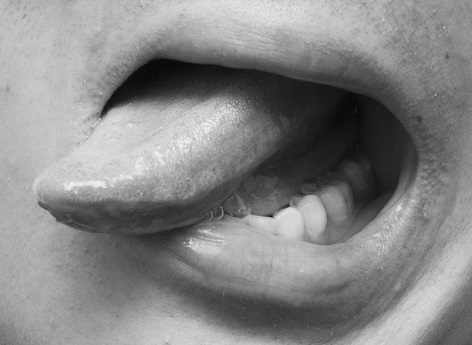
    Extending and switching your tongue side-to-side is another excellent exercise to tone the chin and jawline, providing visible results more quickly. Do this exercise before a mirror for maximum impact!

    Upper Back Stretch

    Known as a buffalo hump, neck humps result from fat accumulation at the base of your neck due to hereditary factors or medical conditions (or even using steroids), or even through using steroids themselves. Although untreatable in most cases, they are treatable with exercise alone.

    Ethan Cleary of Orthopedic & Sports Physical Therapy suggests doing shoulder blade squeezes as part of an exercise regimen to improve posture and reduce the appearance of a hump. To perform this exercise, sit up straight and draw together both shoulder blades as though pinching a pencil between them before holding for several seconds and repeating several times.

    Exercise for upper back and neck health. Yoga or stretching exercises may also help, which will improve rotation of spine – another contributing factor of neck hump formation.

    Shoulder Stretch

    A buffalo hump is a bulge of extra fat under your neck that makes you appear older than you really are. It may be caused by weight gain, hereditary factors or medication and in rare instances may even cause discomfort such as numbness and pain.

    To reduce a bump, exercises which strengthen posture and muscles may help. A non-invasive treatment called Precision Sculpt may also remove any extra fat without surgery.

    Begin your warm up session by warming up your muscles with dynamic stretching – moving the muscle through its full range of motion without holding it still – to increase flexibility and decrease stiffness. This is proven effective.

    Assemble near a doorway or wall and place your right hand on the edge of the door frame slightly below shoulder level with palm facing forward, palm down. Slowly turn left keeping arms down and back until a stretch in your chest and shoulder appears; hold this stretch for 30-60 seconds.

    Neck Stretch

    Fatty deposits behind the neck may reduce movement in both the upper back and thoracic spine, as well as irritating nerves in that area causing pain or even numbness.

    To ease tightness and tension that commonly appears here, try this simple exercise:

    Simply stand up with arms at your sides, slowly turn your head right until a stretch in your neck can be felt, hold for 20 seconds and return back to starting position. This exercise can help relieve neck and shoulder pain caused by poor posture or digital device usage, helping relieve neck strain.

    This exercise targets the levator scapulae muscles (the group that helps you move your shoulder blades). It is easy to perform and may help relieve neck and back pain as well as improving neck and shoulder alignment – perfect for anyone suffering from buffalo hump!

  • Tongue Stretching Benefits

    Tongue Stretching Benefits

    As yoga practitioners perform backbends to feel the open heart space or arm balances for power, your tongue can also benefit from regular exercises to strengthen and enlarge.

    Tongue stretching training has been demonstrated to increase tongue pressure, the area of the geniohyoid muscle and tongue protrusion during speech in healthy young adults. Furthermore, this exercise will reduce mouth tension and expand vocal range.

    1. Increased Range of Motion

    Tongue stretching exercises help increase the range of movement for your tongue muscle. They can be performed by protruding it out toward either side or up toward the roof of your mouth, flexing it in an O shape, curling around top and bottom teeth or repeating tongue twisters to stretch out its root.

    These exercises should be performed several times daily for optimal results, practicing until your tongue muscles feel slightly stretched out without experiencing pain.

    One study demonstrated that performing tongue stretching exercises for eight weeks increased maximum isometric pressure (MIP) measurements on both anterior and posterior tongue. Furthermore, this increase in strength was maintained over a 4-week detraining period, suggesting directional exercise training may be effective at increasing tongue strength for older adults with swallowing difficulties as well. Furthermore, high adherence was noted with this program.

    2. Increased Vocal Range

    Your current voice and muscle training could allow for increasing your vocal range by an octave or more, depending on how fast or hard you attempt it. Doing this, however, requires patience and could cause damage to the vocal cords if done too rapidly or excessively.

    Effective vocal range expansion exercises involve stretching exercises that increase airflow through your vocal folds while at the same time stretching them outward. Scale practice can help build this strength, but you should also employ other techniques to loosen up and train your voice so it moves more easily between higher and lower notes.

    One way of accomplishing this goal is through practicing high-range vowel exercises such as siren notes. Simply sing an “ooh” or “ee” note from low to high note and back again in order to create this siren sound. This exercise can especially benefit singers with heavier or chestier voices as it helps thin them as they ascend further in their range.

    3. Relieves Mouth Tension

    Stressful situations can cause the muscles in your mouth to tighten up, restricting vocal range. Stretching helps release this tension, freeing up more freedom for expression in voice.

    To stretch the tongue, extend it as far as possible and press against something flat (e.g. the back of a spoon or tongue depressor). There should not be any discomfort, just an enjoyable muscle stretch. Do this at least once daily – or more frequently for maximum results.

    Another simple tongue stretching exercise involves opening your mouth as wide as you can and pronouncing each vowel slowly and elongatedly. Repeat this exercise a few times each day to help strengthen throat and soft palate muscles. For additional resistance, place something between upper and lower teeth that provides resistance.

    4. Improves Breathing

    Many vocal issues, such as snoring and sleep apnea, result from tongue position during sleep that blocks airways. Tongue exercises help improve tongue positioning to ensure throat and upper airway stay open during restful slumber; one study showed how forcing back the back of tongue against teeth while raising the uvula could significantly decrease OSHA symptoms.

    To perform this exercise, position your tongue on the roof of your mouth just behind your front teeth, and gently move it back as far as possible until it touches both jawbones. Do this 10 times.

    Another tongue stretching exercise involves pushing your tongue outward to both sides, stretching not only its muscles but also engaging those of your neck and throat. This technique is often employed during voice therapy sessions for swallowing problems or as part of recovery from frenectomy surgery for tongue tie issues.

  • Exercises For Neuropathy in Feet

    Exercises For Neuropathy in Feet

    exercises for neuropathy in feet

    Neuropathy often deters individuals from engaging in physical activities due to its associated tingling, numbness, and pain; however, exercise can help manage and even stop neuropathy from progressing to more severe stages.

    This article offers a step-by-step guide on performing exercises to promote foot health and reduce neuropathy symptoms. These exercises include stretching, strengthening and balance exercises.

    Plantar Fascia Stretch

    The plantar fascia is a thick band of tissue located along the soles of feet to support arch. Stressful activities or repetitive weight-bearing activities may cause microtears in this tissue, leading to pain and discomfort in patients suffering from plantar fasciitis. A study by Digiovanni et al concluded that specific stretching of this fascia improved both pain management and function for those affected.

    To perform this exercise, sit comfortably on a chair and cross one leg over the other with toes of affected foot slightly behind healthy foot. Pull toes toward shin with your hand until a stretch can be felt in both heel and arch of affected foot – hold 60 seconds at least three times daily until desired result occurs.

    Another excellent exercise to try is the standing calf stretch. Position yourself a few feet away from a wall or other flat surface as a balance support if necessary, then position one unaffected foot on a step and lower its heel down until a stretch occurs in both your calf and arch of your foot.

    Calf Raises

    Individuals suffering from peripheral neuropathy frequently report difficulties with balance and foot strength, making them more prone to injuries like twisted ankles or falls. Exercise designed to strengthen ankle and foot muscles may provide the body with a strong foundation against these types of injuries.

    Calf raises are an ideal way to target muscles extending from your knees down towards your ankles – crucial muscles involved with walking, running and changing direction.

    To perform the calf raise, stand with feet shoulder-width apart and holding on to something for balance – such as a chair or countertop – before lowering heels until just above the back of a step or countertop, raising them back up again as your heels move slowly past it. As your strength improves, try holding weighted objects such as dumbbells or kettlebells during your calf raise to increase its intensity on muscles.

    Seated Hamstring Stretch

    Exercise not only eases neuropathy-induced foot pain and stiffness, but it can also protect nerve function. According to a new study published in Scientific Reports, balance training exercises such as calf raises can play an especially crucial role.

    Exercise programs designed to strengthen stability and balance can reduce fall risk associated with peripheral neuropathy by strengthening muscles and joints in your lower legs and feet, helping with circulation to relieve any painful sensation in your feet, as well as helping with circulation reduction resulting from neuropath foot pain and swelling, which could otherwise cause loss of sensation in them.

    This seated exercise targets your hamstring muscles, which are located at the back of your leg. Begin by sitting on the floor and stretching one leg straight out in front of you before bending forward at your waist as far as you can to engage your hamstrings while stretching feet and thighs for 15 to 30 seconds before repeating three times before switching legs.

    Towel Scrunches

    The Towel Scrunch is an efficient yet straightforward exercise for increasing foot and ankle strength. This simple but effective technique strengthens intrinsic muscles of the feet, supporting proper foot structure and function while decreasing nerve compression and decreasing discomfort.

    Start by sitting in a chair and placing a hand towel flat on the floor with your foot in front of it. Position your toes just over one end of the towel and use them to grasp and scrunch it toward you while keeping your heel planted on the ground. Continue this motion without moving your heel at any time during this exercise.

    This exercise is ideal for individuals prone to foot cramps, such as those working retail or healthcare roles requiring long shifts of standing and walking. Additionally, this workout helps those with flat feet by strengthening arch-supporting muscles of their foot to ease discomfort associated with flat feet and pain associated with this condition. For an added challenge add weight into the exercise!