Category: Running

  • Top Tips to Relieve Patellar Tendon Pain When Running

    Top Tips to Relieve Patellar Tendon Pain When Running

    Are you a runner experiencing pain in your patellar tendon?

    We will explore the causes of patellar tendon pain in runners, including overuse and muscle imbalances.

    Let’s discuss the common symptoms of this condition and how it is diagnosed.

    Find out about the various treatment options available, such as rest, physical therapy, and strengthening exercises.

    Learn how you can prevent patellar tendon pain and continue enjoying your runs pain-free.

    What Is Patellar Tendon Pain?

    Patellar tendon pain is a common condition characterized by discomfort or soreness in the knee area, specifically around the patellar tendon. This type of discomfort can range from mild pain to severe discomfort, affecting individuals, especially athletes and runners.

    The patellar tendon plays a crucial role in the extension of the knee joint, connecting the patella to the tibia. It is a strong, fibrous band that assists in the transfer of force from the quadriceps muscles to the lower leg.

    When individuals experience patellar tendon pain, activities such as running, jumping, or even climbing stairs can become challenging. Symptoms of this condition may include swelling, tenderness, and stiffness around the knee area, making daily movements and exercises uncomfortable.

    What Causes Patellar Tendon Pain in Runners?

    Patellar tendon pain in runners can stem from various factors, including overuse or repetitive strain, incorrect running form, muscle imbalances, and inadequate footwear. These issues can lead to discomfort, soreness, and potential injury in the patellar tendon.

    Poor running biomechanics play a significant role in causing stress and strain on the patellar tendon. Factors such as excessive pronation or supination of the feet, lack of flexibility in the ankle joint, and inadequate hip stability can all contribute to improper loading of the tendon during running.

    High training intensity without proper rest and recovery can result in chronic inflammation and weakening of the patellar tendon, making it more susceptible to pain and injury. It is crucial for runners to address these biomechanical aspects and training variables to prevent and manage patellar tendon pain effectively.

    Overuse or Repetitive Strain

    Overuse or repetitive strain on the patellar tendon occurs when the tendon is subjected to excessive stress without adequate rest or recovery. This continuous strain can lead to discomfort, soreness, and potential damage, requiring significant recovery time to heal.

    Recognizing the early symptoms of patellar tendon overuse is crucial as it allows individuals to address the issue promptly, preventing long-term damage. Athletes are particularly susceptible to developing such conditions due to the repetitive nature of their training.

    Implementing a proper fitness level assessment can help identify potential risk factors and guide individuals in adjusting their routines. Gradual return to physical activity after a period of rest is essential to avoid reinjury and ensure the tendon fully recovers.

    Taking proactive measures and listening to one’s body are key components in maintaining tendon health and overall athletic performance.

    Incorrect Running Form

    Incorrect running form can place undue strain on the patellar tendon, leading to discomfort and potential injury. Proper movement patterns and biomechanics are crucial for preventing excessive stress on the tendon and facilitating the rehabilitation process if an injury occurs.

    Common form errors such as overstriding, heel striking, and excessive hip rotation can contribute to increased pressure on the patellar tendon during running. These errors often result in poor shock absorption and inefficient energy transfer, further exacerbating the risk of developing patellar tendonitis or other related conditions.

    By focusing on correcting these form mistakes and optimizing running techniques, individuals can not only enhance their performance but also reduce the likelihood of chronic overuse injuries.

    Movement efficiency plays a pivotal role in mitigating strain on the patellar tendon, emphasizing the significance of proper foot strike, cadence, and body alignment throughout the running gait cycle.

    Muscle Imbalances

    Muscle imbalances around the knee and lower extremities can contribute to patellar tendon pain by altering movement patterns and loading mechanics. Addressing these imbalances through targeted rehabilitation programs involving strength and flexibility exercises is essential for restoring optimal function.

    When certain muscle groups are weaker or tighter than others, the knee joint may experience abnormal stresses during movement, leading to issues like patellar tendonitis. For instance, weak quadriceps and tight hamstrings can disrupt the balance of forces acting on the patella, causing it to track incorrectly and irritate the tendon. To counteract these imbalances, exercises targeting the quadriceps, hamstrings, glutes, and calf muscles are crucial.

    Strengthening exercises such as squats, lunges, leg presses, and hamstring curls can help build muscle strength and correct imbalances, while stretching routines for the quadriceps, hamstrings, and calves can enhance flexibility and prevent further strain on the patellar tendon.

    Poor Footwear

    Wearing inadequate or improper footwear while running can significantly impact the patellar tendon, leading to discomfort and increased risk of injury. Choosing appropriate running shoes that provide adequate support and cushioning is crucial for preventing tendon-related issues.

    These shoes should offer a good balance of cushioning to absorb impact and stability to support the foot and ankle, thus reducing strain on the patellar tendon.

    Look for shoes with a firm heel counter and ample arch support to maintain proper alignment during running.

    Incorporating exercises to strengthen the muscles around the knee and practicing proper running form can also help prevent patellar tendon pain.

    Remember to replace your running shoes regularly to ensure they continue to provide the necessary support for optimal tendon health.

    What Are the Symptoms of Patellar Tendon Pain?
    What Are the Symptoms of Patellar Tendon Pain?

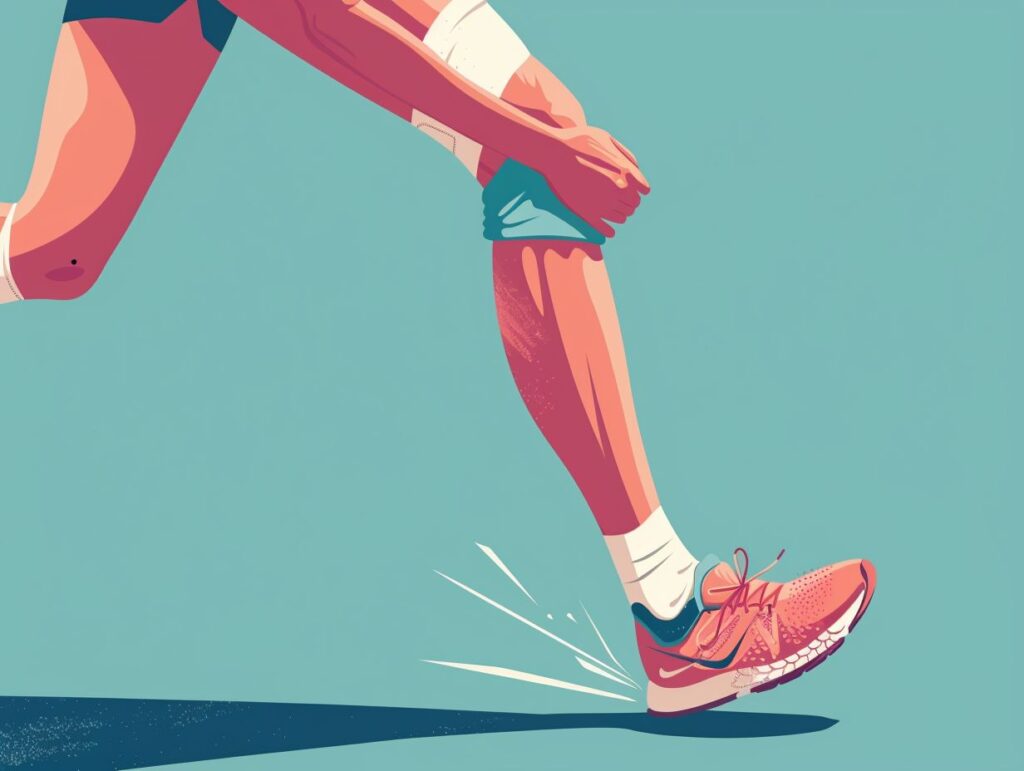
    The symptoms of patellar tendon pain typically manifest as localized discomfort or soreness in the knee region, often aggravated by physical activity such as running. Individuals may experience tenderness, swelling, or stiffness in the affected area, indicating possible tendinitis.

    As the condition progresses, individuals might also notice pain with activities like climbing stairs or kneeling. In severe cases, there can be a sharp, stabbing pain when bending or straightening the knee, making it hard to perform daily tasks. Some may even feel a sensation of weakness or instability in the knee joint. A thorough physical examination by a healthcare provider is crucial to accurate diagnosis, as patellar tendon pain shares similarities with other knee-related issues like patellofemoral pain syndrome or quadriceps tendinopathy.

    How Is Patellar Tendon Pain Diagnosed?

    Diagnosing patellar tendon pain typically involves a comprehensive medical evaluation, including a physical examination to assess the knee’s range of motion and stability. Imaging tests such as ultrasound or MRI may be recommended to visualize the tendon’s condition and identify any underlying issues.

    These diagnostic tools play a crucial role in confirming the presence of patellar tendon problems and guiding appropriate treatment plans. Medical professionals, such as orthopedic specialists or sports medicine physicians, rely on these assessments and imaging modalities to accurately diagnose conditions affecting the patellar tendon.

    By adhering to specific diagnostic criteria, healthcare providers can differentiate between various causes of knee pain, such as patellar tendinopathy or other tendon-related injuries. Understanding these distinctions is vital for developing targeted interventions and rehabilitation strategies to alleviate discomfort and promote optimal knee function.

    What Are the Treatment Options for Patellar Tendon Pain?

    The treatment options for patellar tendon pain encompass a multidisciplinary approach aimed at reducing inflammation, promoting healing, and restoring optimal function. Strategies such as rest, physical therapy, targeted exercises, and orthotic support may be employed to address the underlying causes of discomfort.

    Physical therapy plays a crucial role in strengthening the muscles around the knee joint, improving flexibility, and correcting movement patterns to reduce strain on the patellar tendon. Rehabilitation exercises are designed to enhance proprioception, balance, and coordination, which are essential for a safe return to sports or daily activities.

    In some cases, orthopedic interventions like bracing or injections may be recommended to manage symptoms and support the healing process. Individualized care plans ensure that each patient receives tailored treatment based on their specific needs and goals.

    Rest and Ice

    Rest and ice therapy play crucial roles in managing patellar tendon pain by reducing inflammation and alleviating discomfort. Adequate rest allows the tendon to heal, while ice application helps control swelling and pain, promoting a faster recovery time.

    Rest is essential as it gives the tendon the necessary time to repair and regenerate. Incorporating rest periods in your routine is vital to prevent overuse and further aggravation of the tendon.

    Ice therapy, on the other hand, constricts blood vessels, reducing blood flow and decreasing tissue metabolism to limit inflammation. By implementing a proper ice protocol, such as applying ice for 15-20 minutes every few hours, you can effectively manage pain and inflammation.

    These strategies, when used in conjunction, form a powerful duo in the initial management of patellar tendon pain.

    Physical Therapy

    Physical therapy is an essential component of the rehabilitation process for patellar tendon pain, focusing on restoring strength, flexibility, and functional movement patterns. Targeted exercises and manual techniques can help individuals improve their knee biomechanics and reduce pain.

    These rehabilitation programs aim to address the underlying issues contributing to patellar tendon pain by enhancing muscle strength, improving joint stability, and promoting proper movement mechanics.

    Therapeutic exercises such as leg presses, squats, and lunges are commonly incorporated to strengthen the quadriceps, hamstrings, and calf muscles. Stretching exercises targeting the hip flexors, quadriceps, and hamstrings can help improve flexibility and reduce tension in the surrounding muscles.

    Modalities such as ultrasound, electrical stimulation, and ice packs may also be utilized to alleviate pain and inflammation in the affected area.

    Strengthening and Stretching Exercises

    Strengthening and stretching exercises are pivotal in the recovery and prevention of patellar tendon pain, targeting muscle imbalances, and enhancing biomechanical efficiency. These exercises promote increased strength, flexibility, and stability in the knee joint, reducing the risk of recurrent discomfort.

    By incorporating specific exercises that target muscular weaknesses, individuals dealing with patellar tendon pain can address underlying issues that contribute to the condition. Strengthening routines such as leg presses, squats, and calf raises can help build muscle strength around the knee, providing better support and stability. Stretching exercises like hamstring stretches and quadriceps stretches improve joint mobility, enhancing flexibility and reducing stiffness.

    These exercises are not only beneficial for recovery but also for preventing future injuries by promoting proper biomechanics and movement patterns.

    Orthotics or Supportive Braces
    Orthotics or Supportive Braces

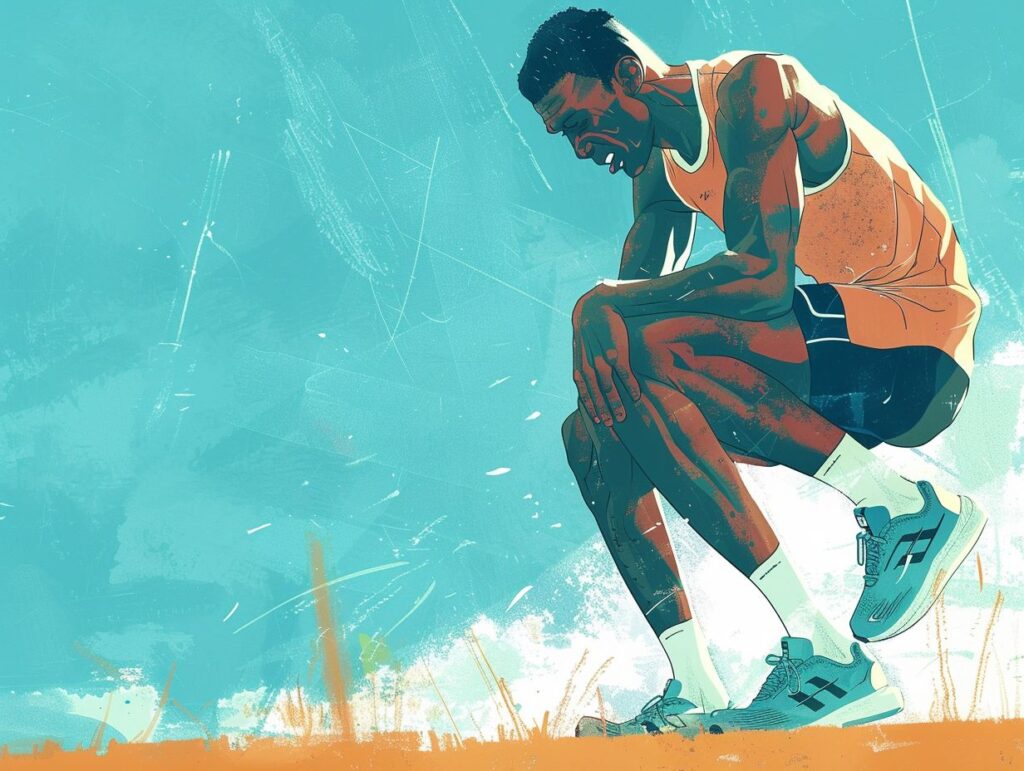
    Orthotic devices and supportive braces prescribed by orthopedic specialists can aid in the recovery and rehabilitation of patellar tendon pain by providing additional support and alignment for the knee joint. These interventions are often included in comprehensive recovery plans to optimize healing outcomes.

    By stabilizing the knee joint, orthotic devices help distribute pressure more evenly, reducing strain on the patellar tendon during movements. Supportive braces are designed to limit excessive or abnormal movement of the knee, promoting better alignment and function.

    Integrating orthotics into personalized recovery plans involves a thorough orthopedic assessment to determine the specific needs of the individual. Orthopedic specialists assess factors such as gait, muscle strength, and alignment to tailor the orthotic prescription accordingly, ensuring maximum benefit and comfort for the patient.

    How Can Patellar Tendon Pain Be Prevented?

    Preventing patellar tendon pain involves implementing proactive measures to reduce the risk of injury and optimize tendon health. Athletes and individuals engaged in sports activities can benefit from incorporating stretching routines, strengthening exercises, and injury prevention strategies into their training regimens.

    1. For athletes looking to maintain healthy knees and enhance performance, prehabilitation exercises play a crucial role in building strength and resilience in the patellar tendon. These exercises target specific areas to address weaknesses and imbalances that may contribute to tendon pain.
    2. Incorporating dynamic warm-up techniques before activities can also improve blood flow, flexibility, and neuromuscular activation, reducing the likelihood of overuse injuries.
    3. Biomechanical assessments help identify any movement patterns or structural issues that could predispose individuals to patellar tendon issues, allowing for targeted interventions to correct these factors and mitigate future risks.

    Gradual Increase in Running Intensity

    Gradually increasing running intensity and volume is essential for preventing patellar tendon pain and overuse injuries. Endurance athletes should incorporate structured training programs that prioritize progressive overload and adequate recovery to enhance fitness levels and reduce the risk of tendon-related discomfort.

    Balancing the demands of endurance training with injury prevention strategies is crucial for athletes looking to optimize their performance. Fitness assessments can help in determining individual baseline fitness levels and guiding the progression of training volume effectively.

    Implementing a gradual increase in running distance and intensity, while incorporating rest days and cross-training activities, can aid in preventing overuse injuries such as patellar tendon pain. By focusing on smart training practices and listening to their bodies, athletes can achieve peak fitness levels while minimizing the likelihood of sustaining tendon-related discomfort.

    Proper Warm-up and Cool-down

    Engaging in proper warm-up and cool-down routines before and after physical activity can help prepare the muscles and joints for exercise while promoting recovery and flexibility.

    1. Dynamic movements such as leg swings, arm circles, and lunges can help increase blood flow to the muscles, improving their elasticity and range of motion.
    2. Incorporating stretching exercises targeting the quadriceps, hamstrings, and calf muscles can also play a crucial role in preventing patellar tendon pain by reducing tightness and enhancing joint flexibility.
    3. It is recommended to perform these dynamic stretches and mobility exercises for at least 5-10 minutes before a workout and to gradually wind down with light jogging or walking post-exercise to aid in the recovery process and prevent muscle stiffness.

    Strengthening and Stretching Exercises

    Regularly engaging in targeted strengthening and stretching exercises can fortify the muscles around the knee joint, improving biomechanics and reducing the strain on the patellar tendon. These exercises should be integrated into fitness routines to enhance flexibility, strength, and movement efficiency.

    1. By incorporating exercises like squats, lunges, and leg presses, individuals can strengthen the quadriceps, hamstrings, and glutes, which play a crucial role in knee stabilization and balance.
    2. Focusing on calf raises and leg curls helps to maintain overall lower limb strength, assisting in the prevention of patellar tendon issues.
    3. Including stretches such as quadriceps stretches and hamstring stretches can increase flexibility and improve joint range of motion, contributing to optimal lower limb biomechanics and reducing the likelihood of injury.

    Proper Footwear and Running Form

    Choosing appropriate footwear and maintaining proper running form are essential aspects of preventing patellar tendon pain in athletes. The right shoes and running techniques can minimize impact forces, reduce strain on the tendon, and enhance overall comfort and performance during physical activity.

    By opting for shoes with adequate cushioning and support tailored to the individual’s foot arch and biomechanics, runners can help distribute pressure evenly and reduce the risk of patellar tendon issues.

    Similarly, focusing on running mechanics such as stride length, foot strike pattern, and posture can promote optimal biomechanical alignment, decreasing the chances of overloading the patellar tendon.

    Prioritizing these aspects not only aids in injury prevention but also contributes to a more efficient and enjoyable running experience.

    Frequently Asked Questions

    What is patellar tendon pain?

    Patellar tendon pain, also known as runner’s knee, is a common injury that occurs when the patellar tendon, which connects the kneecap to the shinbone, becomes inflamed or strained.

    What causes patellar tendon pain when running?

    Patellar tendon pain when running can be caused by a variety of factors, including overuse or sudden increase in training, improper running form, weak thigh muscles, and tightness in the muscles surrounding the knee.

    How can I prevent patellar tendon pain when running?

    To prevent patellar tendon pain when running, it is important to gradually increase your training intensity and duration, maintain proper running form, and incorporate strengthening and stretching exercises for your thigh muscles.

    Can I still run with patellar tendon pain?

    If you are experiencing patellar tendon pain, it is important to give your body time to rest and heal. Continuing to run may worsen the injury and prolong recovery time. It is best to consult with a medical professional before continuing to run.

    How is patellar tendon pain treated?

    Treatment for patellar tendon pain may include rest, ice, compression, and elevation (RICE), as well as physical therapy exercises to strengthen and stretch the affected muscles. In some cases, a doctor may recommend using a knee brace or orthotic inserts to support the knee during activity.

    When should I seek medical attention for patellar tendon pain?

    It is important to seek medical attention if you are experiencing persistent or severe patellar tendon pain, as it may indicate a more serious injury. Additionally, if the pain is accompanied by swelling, redness, or difficulty bearing weight on the affected knee, medical attention should be sought immediately.

  • Say Goodbye to Shin Pain: 5 Tips to Relieve Running-Related Discomfort

    Say Goodbye to Shin Pain: 5 Tips to Relieve Running-Related Discomfort

    Do you find yourself asking, “Why do my shins hurt from running?” If so, you may be experiencing shin splints.

    In this article, we will explore what shin splints are, the causes and risk factors, symptoms, prevention tips, and treatment options.

    Whether you’re a seasoned runner or just starting out, understanding how to prevent and manage shin splints can help you continue enjoying your runs pain-free.

    Let’s dive in and learn more about this common running injury.

    Why Do My Shins Hurt from Running?

    Running can sometimes lead to discomfort or pain in the shins, commonly known as shin splints. This discomfort can occur due to various factors related to your running routine or physical condition.

    1. One of the main reasons for experiencing shin splints while running is often attributed to overuse or sudden increase in intensity or duration of one’s running workouts. This places excessive stress on the shin bones and muscles, leading to inflammation and pain.
    2. Biomechanical issues such as improper running form, wearing worn-out shoes, or running on hard surfaces can also contribute to shin splints. The impact of running on the leg muscles and bones is significant, as the repetitive nature of the activity can strain the muscles and create micro-tears in the shinbone, causing discomfort and pain.

    What Is Shin Splints?

    Shin splints are a common condition experienced by runners and athletes that involve discomfort or pain along the inner edge of the shinbone. Understanding the nature of shin splints is crucial for managing and preventing this issue effectively.

    Runners may notice symptoms such as tenderness, soreness, or a dull ache in the lower leg area when suffering from shin splints. These discomforts often worsen during physical activities, especially running on hard surfaces or suddenly increasing the intensity of training. The causes of shin splints can be attributed to various factors, including overpronation, inadequate footwear, improper training techniques, or sudden changes in workout surfaces. Engaging in high-impact sports without proper conditioning or using worn-out shoes can also exacerbate the risk of developing shin splints.

    What Causes Shin Splints?

    Shin splints are primarily caused by repetitive stress on the shinbone and the tissues attaching the muscles to the bone. Understanding the root causes of shin splints is essential for effective prevention strategies.

    Engaging in high-impact activities like running or sports that involve sudden stops and starts puts significant strain on the shins, leading to micro-tears in the muscle tissue. This repetitive stress can also result from improper footwear or sudden increases in training intensity.

    The role of physical strain in causing discomfort cannot be understated, as overuse injuries often manifest as shin splints. It is crucial to incorporate proper warm-ups, stretches, and gradual progression in training to reduce the risk of developing this painful condition.

    What Are the Risk Factors for Developing Shin Splints?

    Several risk factors can increase the likelihood of developing shin splints, including overtraining, improper footwear, and sudden intensity changes in physical activity. Identifying these risk factors is crucial for preventing shin splints.

    Overtraining, such as pushing oneself too hard without adequate rest, is a common factor that can lead to shin splints. Wearing improper footwear, which lacks sufficient support or cushioning, can put excessive strain on the shins during physical activities. Sudden and drastic changes in exercise intensity, like rapidly increasing mileage or intensity without proper conditioning, can also contribute to the onset of shin discomfort. Understanding how these factors can impact shin health is essential for individuals looking to maintain a safe and effective exercise routine.

    How Can Improper Running Technique Lead to Shin Splints?

    Improper running technique, such as overstriding or excessive heel striking, can significantly increase the strain on the shins and contribute to the development of shin splints. Correcting running form is essential for preventing discomfort.

    When runners overstride, the foot lands far ahead of the body’s center of mass, leading to a braking effect that puts added stress on the shins. Similarly, excessive heel striking can transfer excessive impact forces through the lower leg, exacerbating the risk of shin splints. It’s crucial to maintain a proper cadence and ensure a midfoot strike to reduce the strain on the shins. By engaging core muscles, leaning slightly forward, and focusing on a quicker turnover, runners can minimize the risk of shin splints and enjoy a more efficient and pain-free running experience.

    What Are the Symptoms of Shin Splints?

    What Are the Symptoms of Shin Splints?

    The symptoms of shin splints often include dull aching pain along the inner part of the shinbone, tenderness, swelling, and discomfort during or after physical activity. Recognizing these signs is crucial for early intervention.

    When shin splints occur, individuals may experience pain that worsens with activity and improves with rest, often described as a throbbing or shooting sensation. Tenderness along the shin bone can be felt upon touch, and swelling may be visible or felt in the affected area. It is essential to not ignore these symptoms as they can lead to more severe complications if left untreated. Prompt identification and appropriate management can aid in a quicker recovery and prevent the condition from worsening.

    Do Shin Splints Cause Pain During or After Running?

    Shin splints can cause discomfort and pain both during and after running or other physical activities. Understanding the timing of pain can help differentiate shin splints from other leg-related issues.

    During running, individuals with shin splints typically experience a sharp or dull ache along the inner part of the lower leg. This pain may intensify as the activity progresses, becoming almost unbearable in severe cases. Post-running, the discomfort can linger and may even worsen, leading to tenderness, swelling, and an increased risk of injury if not addressed promptly.

    By pinpointing when the pain arises and worsens, healthcare professionals can accurately identify shin splints and recommend appropriate treatment strategies to alleviate symptoms and prevent further complications.

    Can Shin Splints Cause Swelling?

    In some cases, shin splints may lead to localized swelling around the shin area due to inflammation in the tissues. Recognizing swelling as a symptom is essential for comprehensive management.

    This swelling can result from the body’s natural response to the inflammation caused by repetitive stress on the shinbone and surrounding muscles. The accumulation of fluid in the affected area can exacerbate pain and discomfort, potentially hindering mobility.

    Immediate attention to swelling in the lower leg region is crucial to prevent further complications and aid in a faster recovery process. It is advisable to rest, apply ice, elevate the leg, and consider consulting a healthcare professional to determine the best course of treatment for shin splints-induced swelling.

    Do Shin Splints Affect Both Legs?

    Shin splints can impact either one or both legs, depending on the underlying causes and individual physical conditions. Understanding the bilateral nature of shin splints is crucial for tailored treatment approaches.

    When both legs are affected by shin splints, it can be a sign of overuse or biomechanical issues that are consistent across both sides. Factors such as improper footwear, sudden changes in intensity or duration of physical activity, and inadequate stretching can contribute to bilateral discomfort.

    Addressing these factors through a comprehensive evaluation by a healthcare professional is essential to create a personalized treatment plan that targets the specific symptoms in each leg. By identifying and addressing the root cause of shin splints in each leg, individuals can effectively manage their condition and prevent future recurrences.

    How Can I Prevent Shin Splints from Occurring?

    Preventing shin splints involves incorporating proper warm-up routines, gradually increasing exercise intensity, wearing appropriate footwear, and maintaining a balanced training schedule. Proactive measures can help mitigate discomfort and pain.

    To further prevent shin splints, it is essential to focus on flexibility and strengthening exercises that target the muscles around the shins. Stretching the calves, hamstrings, and quadriceps before and after workouts can enhance the elasticity of the leg muscles, reducing the strain on the shin area. Paying attention to running technique and form can alleviate excessive stress on the shins. Implementing cross-training activities like swimming or cycling can provide a break from high-impact exercises, allowing the shins to recover and prevent overuse injuries.

    What Are Some Tips for Choosing the Right Running Shoes?

    What Are Some Tips for Choosing the Right Running Shoes?

    Selecting appropriate running shoes involves considering factors like foot arch, pronation, cushioning, and support. Choosing the right footwear can significantly reduce the risk of developing shin splints.

    When shopping for running shoes, it is crucial to assess your foot arch to determine whether you have high, neutral, or low arches. Understanding your pronation type, whether it’s overpronation, neutral pronation, or underpronation, will further guide you in finding shoes that provide the right level of support.

    Cushioning is another key aspect to prioritize, as it helps absorb impact and provides comfort during runs. By focusing on these features, you can ensure that your running shoes offer the necessary support to prevent shin splints and promote overall foot health.

    How Can Stretching and Strengthening Exercises Help Prevent Shin Splints?

    Incorporating targeted stretching and strengthening exercises for the calves, shins, and ankles can improve muscle flexibility and endurance, reducing the likelihood of developing shin splints. Building strength and flexibility is key to injury prevention.

    These exercises not only help in preventing discomfort but also enhance overall lower leg functionality. By regularly engaging in activities like calf raises, ankle circles, and toe taps, one can fortify the muscles surrounding the shins.

    Incorporating dynamic stretches such as walking lunges or yoga poses like Downward-Facing Dog can further improve the flexibility and stability of these muscle groups. Gradually increasing the intensity of these exercises can aid in conditioning the lower leg muscles, making them more resilient to strain.

    What Is the Treatment for Shin Splints?

    Treating shin splints typically involves rest, ice therapy, compression, elevation, and gradual return to activity. Managing shin splint symptoms promptly can aid in faster recovery and prevent recurrent issues.

    Ensuring adequate rest is crucial as it allows the affected area to heal and reduces inflammation. Ice therapy helps in decreasing pain and swelling in the shins. When combined with compression and elevation, it can enhance the overall recovery process.

    Gradual resumption of activities is key to avoid exacerbating the condition. It’s essential to listen to your body and not rush back into high-impact workouts to prevent worsening the injury.

    Early intervention, coupled with these treatment protocols, plays a significant role in addressing discomfort and promoting a successful recovery.

    How Can Rest and Ice Help Relieve Shin Splint Pain?

    Resting the affected leg and applying ice to the shin area can reduce swelling, alleviate pain, and promote healing of the tissues. Incorporating proper rest and ice therapy is essential in the early stages of shin splint treatment.

    Rest helps the body to recover and heal from the overuse injury, while ice therapy aids in decreasing inflammation and numbing the area to provide relief.

    When applying ice, it’s crucial to wrap the ice pack in a cloth to prevent direct contact with the skin, reducing the risk of ice burns. It’s recommended to apply the ice pack for about 15-20 minutes at a time, every few hours, for best results.

    This simple yet effective combination plays a significant role in managing discomfort and accelerating the healing process.

    What Are Some Other Treatment Options for Shin Splints?

    Apart from rest and ice therapy, treatments for shin splints may include physical therapy, orthotic inserts, anti-inflammatory medications, and biomechanical adjustments. Exploring alternative treatment options can enhance recovery outcomes.

    Physical therapy plays a crucial role in shin splint management by focusing on strengthening and stretching exercises to improve muscle balance and flexibility, addressing underlying biomechanical issues that may contribute to the condition. Orthotic inserts or customized shoe inserts can provide additional support and help correct foot dysfunction, reducing strain on the shins. In some cases, anti-inflammatory medications are prescribed to alleviate pain and reduce inflammation, allowing for better tolerance of physical therapy interventions. This holistic approach to shin splint care emphasizes addressing both symptoms and root causes for long-term relief.

    Frequently Asked Questions

    Frequently Asked Questions

    Why do my shins hurt from running?

    Shin pain while running is a common issue that can be caused by a variety of factors such as overuse, improper form, or underlying medical conditions.

    How can I prevent my shins from hurting while running?

    To prevent shin pain while running, make sure to properly warm up and stretch before your run, wear appropriate footwear, and gradually increase your mileage to avoid overuse injuries.

    What are some common injuries that cause shin pain from running?

    Some common injuries that can cause shin pain from running include shin splints, stress fractures, and compartment syndrome. It is important to consult a medical professional for proper diagnosis and treatment.

    Can running on hard surfaces contribute to shin pain?

    Yes, running on hard surfaces such as concrete or pavement can contribute to shin pain. Consider varying your running surfaces to lessen the impact on your shins.

    When should I seek medical attention for my shin pain from running?

    If your shin pain persists despite rest and proper stretching, or if you experience severe pain or swelling, it is important to seek medical attention to rule out any serious underlying conditions.

    Are there any exercises or stretches that can help alleviate shin pain from running?

    Yes, there are various exercises and stretches that can help strengthen and stretch the muscles in your lower legs, such as calf raises and toe taps. Consult a physical therapist for a personalized plan.

  • Relieve Outer Knee Pain from Running with These

    Relieve Outer Knee Pain from Running with These

    Do you love running but struggle with outer knee pain?

    We will explore the common causes of this discomfort, such as overuse injuries and muscle imbalances.

    Discover practical tips on how to prevent outer knee pain, including proper warm-up and strengthening exercises.

    Learn about the symptoms to watch out for and effective treatment options like rest, physical therapy, and medications.

    Find out how you can take proactive steps to avoid outer knee pain and continue enjoying your runs pain-free.

    What Causes Outer Knee Pain from Running?

    Outer knee pain from running can be caused by various factors such as overuse injuries, incorrect footwear, muscle imbalances, and poor running form.

    Overuse injuries, common among runners, occur when the repetitive stress on the knee joint exceeds its capacity to recover. For example, running long distances without proper rest can lead to micro-tears in the knee structures.

    Incorrect footwear, like worn-out shoes or those without adequate support, can result in misalignment during running, putting excess pressure on the outer knee.

    Muscle imbalances, where some muscles are stronger than others, can pull the knee joint off-centre, leading to pain.

    Poor running form, such as overpronation or improper stride length, can exacerbate outer knee pain by causing additional strain.

    Overuse Injuries

    Overuse injuries are common among runners and can lead to outer knee pain, requiring proper diagnosis and preventive measures.

    1. These injuries can include conditions such as iliotibial band syndrome and patellar tendinitis, both of which commonly manifest as pain on the outer side of the knee. Iliotibial band syndrome is often characterized by sharp pain that worsens with activity, while patellar tendinitis presents as a dull ache that intensifies with jumping or running.
    2. Early detection of these injuries is crucial to prevent chronic issues and long-term damage. Runners should focus on proper warm-ups, stretching routines, and gradually increasing mileage to reduce the risk of overuse injuries in the knee.

    Incorrect Footwear

    Wearing incorrect footwear while running can significantly impact knee alignment and lead to outer knee pain, making it crucial to choose the right shoes.

    Improper footwear can cause the knee to roll inwards or outwards excessively during each stride, putting additional stress on the outer part of the knee joint. This can result in inflammation, pain, and even long-term damage if not addressed.

    When selecting running shoes, individuals should consider factors such as their foot shape, arch height, and pronation type. Consulting with a professional at a specialty running store or podiatrist can help determine the best shoe for their unique foot mechanics and running gait, ultimately reducing the risk of knee issues.

    Muscle Imbalances

    Muscle imbalances, if left unaddressed, can result in outer knee pain for runners, necessitating interventions like strength training and physical therapy.

    When certain muscles in the leg become stronger or weaker than their counterparts, it can cause an imbalance that places undue stress on the knee joint. This stress can manifest as pain, especially during activities like running that require repetitive knee movements.

    Strength training targeted at specific muscle groups can help correct these imbalances by building strength in weaker areas and maintaining balance throughout the kinetic chain. Physical therapy can provide guidance on exercises and techniques to improve muscle balance and alignment to reduce knee pain and enhance running performance.

    Poor Running Form

    Maintaining poor running form can exert undue stress on the knees, potentially causing outer knee pain, emphasizing the importance of proper biomechanics and exercise technique.

    When running with improper form, the alignment of the lower body can be disrupted, leading to increased strain on the outer part of the knee. This can result in conditions like iliotibial band syndrome or patellofemoral pain syndrome.

    To prevent these running-related knee injuries, focus on engaging core muscles for stability, landing with a midfoot strike rather than heel striking, and maintaining a slight forward lean to promote a more efficient stride.

    Incorporating strength training exercises targeting the glutes, quadriceps, and core can help improve overall running biomechanics and reduce the risk of knee pain.

    How to Prevent Outer Knee Pain from Running?

    Preventing outer knee pain from running involves incorporating stretching exercises, strength training, and proper knee pain prevention techniques into your routine.

    Stretching exercises are beneficial for increasing flexibility in the muscles around the knee, helping to prevent tightness and strain on the outer knee area. It is essential to focus on dynamic stretches that target the quadriceps, hamstrings, and calves before and after running to minimize the risk of injury.

    Strength training exercises that target the muscles supporting the knee can help improve stability and reduce stress on the outer knee. Incorporating exercises such as squats, lunges, and calf raises into your training regimen can be beneficial for preventing knee pain while running.

    Proper Warm-up and Cool-down

    Engaging in a proper warm-up and cool-down routine before and after running can help prevent outer knee pain by promoting rest and recovery for the knees.

    1. During a warm-up, it’s essential to gradually increase your heart rate and loosen up muscles to prepare them for the upcoming workout. Dynamic stretches like leg swings, hip circles, and high knees can help improve flexibility and reduce the risk of knee strain.
    2. After the run, a cool-down session allows your heart rate to gradually decrease, preventing blood from pooling in your lower extremities. Incorporating static stretches targeting the quadriceps, hamstrings, and calf muscles can also aid in relieving tension in the knees and promoting circulation for better recovery.

    Strengthening Exercises

    Strengthening Exercises

    Incorporating strengthening exercises into your routine can enhance muscle balance and stability, reducing the risk of outer knee pain from running.

    1. These exercises not only target the major muscle groups such as quadriceps, hamstrings, and calves but also focus on the smaller stabilizing muscles around the knee joint.
    2. Moves like leg presses, lunges, and calf raises can help correct any imbalances that may be placing excess strain on the outer knee during running. By strengthening these muscles, you can improve overall knee stability, prevent injuries, and enhance your performance as a runner.

    Choosing the Right Footwear

    Selecting the right footwear that supports your foot mechanics and aligns the knees properly is crucial in preventing outer knee pain during running.

    When your shoes are specifically tailored to your foot mechanics, they can help distribute the impact of each stride evenly, reducing the strain on the outer part of your knees. By maintaining correct knee alignment, these shoes assist in minimizing the risk of injuries and discomfort.

    It is essential to understand that different foot types require different levels of support and cushioning, so investing in shoes that are personalized to your gait can go a long way in enhancing your running experience and overall knee health.

    Maintaining Good Running Form

    Focusing on maintaining good running form, correct biomechanics, and proper exercise technique can significantly reduce the risk of developing outer knee pain while running.

    It is crucial to pay attention to the alignment of your body when running. Ensure that your shoulders are relaxed, your back is straight, and your hips are stable. Engage your core muscles to provide support and stability, which can alleviate strain on the knees. Be mindful of your foot strike – aim for a midfoot or forefoot strike rather than striking with your heel. This can help distribute impact forces more evenly and reduce the pressure on your knees. Remember, proper form is the foundation for injury prevention.

    What are the Symptoms of Outer Knee Pain from Running?

    Recognizing the symptoms of outer knee pain from running is crucial for timely intervention, including identifying pain on the outer side of the knee, swelling, and limited range of motion.

    Runners experiencing outer knee pain may also notice redness and warmth in the affected area, which are signs of inflammation. In severe cases, the pain can be sharp and constant, making it challenging to bear weight on the affected leg. Swelling around the knee joint may lead to stiffness and difficulty bending or straightening the leg, affecting the runner’s gait and overall performance. Maintaining healthy joints through proper stretching, strength training, and adequate rest is essential for preventing and managing knee pain in runners.

    Pain on the Outer Side of the Knee

    One of the primary symptoms of outer knee pain from running is experiencing discomfort or pain on the outer side of the knee, indicating potential inflammation that requires appropriate knee pain relief measures.

    This type of pain can be particularly challenging for runners as it can significantly impact their performance and training routines. Inflammation in the knee joint can lead to stiffness, reduced range of motion, and swelling, making it difficult to maintain a consistent running schedule.

    To address this issue effectively, incorporating rest, ice therapy, and elevation can help alleviate the discomfort and reduce inflammation. Using a knee brace or compression sleeve may provide extra support and stability to the knee during recovery.

    Swelling and Inflammation

    Swelling and inflammation around the knee joint are common indicators of outer knee pain resulting from running, necessitating appropriate treatment methods such as physical therapy.

    These symptoms are often a result of overuse or repetitive stress on the knee joint, which is a common occurrence in runners due to the high-impact nature of the activity. Physical therapy plays a crucial role in managing knee pain by reducing swelling and inflammation through targeted exercises, stretches, and modalities. By addressing the root cause of the pain and promoting proper biomechanics, physical therapy helps runners regain strength, mobility, and function in their knees, allowing them to return to their running routine with reduced discomfort and improved performance.

    Stiffness and Limited Range of Motion

    Experiencing stiffness and a restricted range of motion in the knee joints can be indicative of outer knee pain from running, emphasizing the importance of seeking proper diagnosis and establishing an appropriate exercise regimen.

    When runners feel stiffness and limited mobility in their knees, it not only affects their performance but also raises concerns about potential injuries.

    The key to addressing outer knee pain lies in understanding the root cause through thorough diagnostic assessments. By consulting with a healthcare professional, runners can pinpoint the specific issues contributing to their discomfort.

    Once a diagnosis is made, tailored exercise programs aimed at enhancing joint flexibility and strength can play a crucial role in alleviating symptoms and improving overall knee health.

    How to Treat Outer Knee Pain from Running?

    How to Treat Outer Knee Pain from Running?

    Effective treatment for outer knee pain from running involves a combination of rest and ice therapy, physical therapy, medication, and in severe cases, surgical intervention.

    Rest and ice therapy are crucial initial steps in managing outer knee pain, as they help reduce inflammation and provide relief to the affected area. Physical therapy plays a vital role in strengthening the muscles around the knee, improving flexibility, and correcting any biomechanical issues contributing to the discomfort. Medication options such as anti-inflammatory drugs can help alleviate pain and swelling. In cases where conservative measures fail to bring relief, surgical treatment may be necessary to address underlying structural problems causing the pain.

    Rest and Ice Therapy

    Rest and ice therapy play a crucial role in alleviating outer knee pain from running by reducing inflammation and promoting the recovery of the affected area.

    Taking time to rest allows the body to heal and repair damaged tissues, giving the knee the much-needed break to recover. It is recommended to rest the affected knee for at least 24-48 hours after a strenuous run to prevent further irritation.

    Icing the area helps constrict blood vessels, reducing swelling and numbing the pain. Aim to ice the knee for 15-20 minutes every 2-3 hours for the first 48 hours post-injury. This simple yet effective method aids in accelerating the healing process and can be complemented with gentle stretching exercises to maintain flexibility.

    Physical Therapy

    Engaging in physical therapy can facilitate the rehabilitation process for runners with outer knee pain, focusing on tailored exercises and techniques to strengthen the knee joint and surrounding muscles.

    1. By targeting specific muscle groups through exercises like leg lifts, clamshells, and step-ups, runners can effectively address imbalances and weaknesses contributing to their knee pain.
    2. A personalized regimen may also include stretching routines to improve flexibility and reduce strain on the knees during runs. Physical therapists can provide guidance on proper running form and footwear choices to prevent future injuries and promote long-term joint health.
    3. Through consistent therapy sessions, runners can gradually build up their strength and endurance, enabling them to return to their favorite activity with reduced risk of recurring knee issues.

    Medications

    Certain medications can help manage pain and inflammation associated with outer knee pain from running, offering relief while addressing the underlying causes through proper diagnosis.

    1. Effective pain management for knee issues in runners often involves the use of nonsteroidal anti-inflammatory drugs (NSAIDs), such as ibuprofen or naproxen, to reduce swelling and alleviate discomfort.
    2. Corticosteroids may be prescribed to target severe inflammation.

    It’s crucial to consult healthcare professionals before starting any medication regimen, as they can provide a proper diagnosis and tailor a treatment plan that best suits individual needs. Seeking medical guidance ensures that the underlying issues contributing to knee pain are addressed comprehensively.

    Surgery (in severe cases)

    In severe cases of outer knee pain that do not respond to conservative treatments, surgical intervention may be necessary to address underlying issues and facilitate the recovery process for runners.

    Prior to undergoing surgery, runners with persistent outer knee pain often undergo pre-operative assessments to evaluate the exact cause of their discomfort. These assessments may include imaging tests such as MRI scans to determine the extent of any damage to the knee structures. Discussions with orthopedic specialists help runners understand the potential benefits and risks associated with the surgical intervention.

    Post-surgery, a tailored rehabilitation program is crucial for runners to regain strength, flexibility, and proper biomechanics in the affected knee. With dedication to post-operative care and adherence to the rehabilitation plan, runners can expect improved function and reduced pain levels, allowing them to gradually return to their running activities.

    Can Outer Knee Pain from Running be Prevented?

    Preventing outer knee pain from running is achievable through proactive measures such as listening to your body, proper training, regular stretching, and maintaining a healthy body weight.

    1. When it comes to maintaining a healthy body weight, runners should focus not only on what they eat but also on building overall strength to support their joints. Strengthening exercises for the hips, quads, and core can help alleviate stress on the knees during runs.
    2. Incorporating cross-training activities like swimming or cycling can give your joints a break while still keeping up your cardiovascular fitness. Remember, being mindful of your body’s signals, adjusting your training methods, and prioritizing flexibility and strength will go a long way in preventing outer knee pain and improving your overall running experience.

    Listen to Your Body

    Listening to your body’s cues and signals is essential in preventing outer knee pain from running, enabling timely intervention and the adoption of suitable recovery strategies.

    As a runner, paying attention to the subtle messages your body sends can help you avoid more serious issues down the road. Recognizing warning signs like persistent discomfort or changes in gait can indicate underlying problems that need to be addressed.

    By taking proactive measures such as adjusting your running technique, incorporating rest days into your training schedule, and seeking guidance from sports medicine professionals, you can maintain optimal physical health and performance. It’s crucial to prioritize body awareness and responsiveness in order to prevent injuries and ensure long-term well-being.

    Proper Training and Gradual Increase in Intensity

    Proper Training and Gradual Increase in Intensity

    Adopting a structured training program with a gradual increase in intensity can aid in preventing outer knee pain by enhancing sports performance and minimizing the risk of overuse injuries.

    It is crucial to tailor training programs to individual needs, considering factors such as fitness level, age, and specific sport requirements.

    Incorporating cross-training activities into the regimen can help improve overall strength and flexibility, reducing the strain on the knees.

    Scheduling adequate recovery periods between intense training sessions allows the body to repair and strengthen, promoting better performance and reducing the likelihood of knee injuries.

    By following these guidelines, athletes can not only enhance their sports performance but also maintain optimal knee health in the long run.

    Regular Stretching and Foam Rolling

    Incorporating regular stretching and foam rolling routines can help maintain muscle flexibility, alleviate imbalances, and reduce inflammation, contributing to effective knee pain prevention strategies for runners.

    Stretching exercises play a crucial role in improving the overall range of motion of muscles and joints, which is essential for preventing stiffness and strains around the knee area. Specific stretches like quad stretches, hamstring stretches, and calf stretches are beneficial for runners to target key muscle groups.

    Foam rolling, on the other hand, can work out muscle knots and tightness, promoting better blood flow and quicker muscle recovery. Incorporating dynamic warm-up exercises such as leg swings, hip openers, and walking lunges before a run can further enhance muscle flexibility and reduce the risk of overuse injuries.

    Maintaining a Healthy Body Weight

    Maintaining a healthy body weight is essential in reducing the strain on the knee joints while running, promoting joint health and minimizing the risk of developing outer knee pain.

    Excess weight can significantly increase the pressure on the knees during physical activities like running, leading to potential injuries and discomfort. To support your knees and enhance your running performance, focus on incorporating a balanced diet rich in nutrients such as vitamins, minerals, and antioxidants that can help in weight management and reduce inflammation.

    Engaging in low-impact exercises like swimming or cycling can also aid in strengthening the muscles around the knees, providing better support and stability.

    Frequently Asked Questions

    What is outer knee pain from running?

    Outer knee pain from running is a common injury experienced by runners. It refers to pain on the outer side of the knee, usually caused by overuse or improper running form.

    What are the symptoms of outer knee pain from running?

    The most common symptoms of outer knee pain from running include pain on the outer side of the knee, tenderness, stiffness, and swelling. Some runners may also experience a clicking or popping sensation in the knee.

    What are the common causes of outer knee pain from running?

    Outer knee pain from running can be caused by a variety of factors including overuse, insufficient warm-up, poor running form, muscle imbalances, and weak muscles in the hips and core.

    How can I prevent outer knee pain from running?

    To prevent outer knee pain from running, it is important to properly warm up before a run, maintain good running form, and incorporate strength and flexibility exercises for the hips and legs into your training routine.

    When should I seek medical attention for outer knee pain from running?

    If the pain persists for more than a few days, becomes increasingly severe, or interferes with daily activities, it is recommended to seek medical attention. A doctor or physical therapist can help identify the root cause of the pain and develop a treatment plan.

    How can I treat outer knee pain from running?

    Treatment for outer knee pain from running may include rest, ice and heat therapy, stretching and strengthening exercises, and possibly using a knee brace for support. In more severe cases, a doctor may prescribe medication or recommend physical therapy.

  • Preventing and Treating Quad Pain from Running

    Preventing and Treating Quad Pain from Running

    Are you experiencing quad pain while running? It can be a frustrating and uncomfortable issue that may hinder your performance.

    We discuss the common causes of quad pain during running, such as overuse, muscle imbalance, poor form, and previous injuries. We also provide valuable tips on how to prevent quad pain, recognize its symptoms, and effectively treat it through rest, stretching, and physical therapy.

    Learn how to keep your quads healthy and pain-free while hitting the pavement.

    What Causes Quad Pain While Running?

    Quad pain while running can be caused by a variety of factors, including overuse/repetitive strain, muscle imbalance, poor running form, and previous injury.

    1. Overuse or repetitive strain on the quadriceps, such as increasing mileage too quickly or running on steep terrain without proper conditioning, can lead to muscle fatigue and strain. For instance, a runner who suddenly doubles their usual distance without adequate rest may experience intense quad pain.
    2. Muscle imbalance, where certain muscles are stronger than others, can also contribute to quad discomfort. This imbalance can result from neglecting strength training or favoring one leg over the other during running, placing excess strain on the quadriceps.

    Overuse/Repetitive Strain

    Overuse or repetitive strain on the quad muscles can lead to significant pain and discomfort while running. This strain occurs when the muscles are subjected to repetitive stress without adequate rest or recovery.

    Common activities that can contribute to overuse of the quad muscles include running on hard surfaces, frequent uphill running, sudden increase in running intensity or duration, and improper running technique.

    Signs of overuse may manifest as persistent pain or tightness in the front of the thigh, reduced flexibility, and decreased performance.

    To prevent quad muscle overuse, runners should prioritize proper warm-up and cool-down routines, incorporate strength training exercises targeting the quads and surrounding muscles, vary running surfaces, and ensure sufficient rest days between intense workouts.

    Muscle Imbalance

    Muscle imbalance in the quad muscles can result in pain and discomfort while running. When certain muscles within the quad group are weaker or tighter than others, it can lead to strain and injury.

    For example, if the quadriceps are stronger than the hamstrings, it can cause an imbalance in the front and back of the thigh, altering the mechanics of the knee joint and potentially leading to issues like patellofemoral pain syndrome.

    Tight hip flexors can also contribute to quad imbalances, impacting proper running form and increasing the risk of injuries.

    To address these imbalances, exercises such as hamstring curls, lunges, and hip flexor stretches can help to strengthen weaker muscles and improve flexibility, promoting better overall muscle function during running.

    Poor Running Form

    Poor running form can contribute to quad pain while running. Incorrect posture, stride length, or foot placement can increase stress on the quad muscles and lead to discomfort.

    When it comes to quad muscles, form errors while running can result in strains, tightness, and even injuries. For example, overstriding can put excessive pressure on the quads, causing them to work harder and leading to muscle fatigue. Likewise, leaning too far forward or backward can disrupt the alignment of the body, putting additional strain on the quad muscles.

    To prevent quad pain and ensure proper form, runners should focus on maintaining a slight forward lean from the ankles, landing with a mid-foot strike, and keeping a relaxed upper body posture to reduce tension in the quads.

    Previous Injury

    A previous quad injury can predispose individuals to quad pain while running. Residual weakness or scar tissue from past injuries may increase the risk of recurrent pain during running.

    This lingering weakness or scar tissue can alter the biomechanics of the quadriceps muscles, leading to compensatory movements that place excess strain on the affected area. It is crucial for individuals with previous quad injuries to engage in targeted rehabilitation exercises that focus on strengthening and restoring flexibility in the quadriceps muscle group.

    Incorporating regular stretching routines, proper warm-up techniques, and gradually increasing running intensity can help prevent the recurrence of quad pain. Consulting with a physical therapist or sports medicine specialist for personalized guidance on injury prevention strategies can be beneficial for long-term pain management.

    How to Prevent Quad Pain While Running?

    Preventing quad pain while running involves incorporating specific strategies and practices into your routine to support muscle health and reduce the risk of injury.

    1. One crucial preventive measure is to start each running session with a proper warm-up routine, including dynamic stretches and light jogging to prepare your muscles for the activity.
    2. Following your run, ensure to cool down with static stretches to help prevent stiffness.

    Incorporating muscle-strengthening exercises for your quads, such as lunges and squats, into your regular workout routine can help build strength and endurance. Paying attention to your running form, such as maintaining proper posture and stride length, can also reduce strain on your quadriceps.

    Listen to your body’s signals during runs, pacing yourself and taking breaks as needed to avoid overexertion and minimize the risk of quad pain.”

    Warm-Up and Cool Down Properly

    Warm-Up and Cool Down Properly

    Proper warm-up and cool-down routines are essential for preventing quad pain while running. These practices help prepare the muscles for activity and aid in recovery post-exercise.

    Engaging in a dynamic warm-up routine before a run, such as leg swings, high knees, and butt kicks, can specifically target and activate the quad muscles. This helps increase blood flow to the area and loosens up the muscles, reducing the risk of strain or injury during the run.

    Similarly, incorporating static stretches like standing quad stretches and lunges in your cool-down can promote flexibility and prevent tightness in the quad muscles, aiding in their recovery and overall maintenance of muscle health.

    Strengthen Your Muscles

    Strengthening your quad muscles is crucial for preventing pain while running. Building strength in these muscles can enhance stability and endurance, reducing the likelihood of strain or injury.

    Incorporating specific exercises that target the quadriceps, such as squats, lunges, leg extensions, and step-ups, into your workout routine can help fortify these muscles. For beginners, bodyweight squats and lunges are a great starting point, gradually progressing to using resistance bands or weights for added challenge. Intermediate and advanced individuals can incorporate plyometric exercises like jump squats or split jumps to further engage the quadriceps and improve power. It’s essential to maintain proper form and gradually increase intensity to avoid overloading the muscles.

    Improve Your Running Form

    Enhancing your running form can help prevent quad pain while running. Correcting posture, stride mechanics, and foot alignment can reduce stress on the quad muscles.

    One common running form error that contributes to quad pain is overstriding, where the foot lands too far ahead of the body, causing increased impact and strain on the quads. Improving cadence, which refers to the number of steps per minute, can help prevent overstriding.

    Weak glute muscles can lead to compensatory movements, putting extra stress on the quads. Incorporating strength training exercises like squats, lunges, and hip bridges can help strengthen the glutes and support proper running form.

    Listen to Your Body

    Listening to your body’s signals is key in preventing quad pain while running. Paying attention to discomfort, fatigue, or unusual sensations can help you adjust your running routine and avoid potential injuries.

    Recognizing early signs of muscle strain or tightness in the quadriceps, such as a dull ache or tightness, can prompt you to incorporate more stretching or foam rolling into your pre and post-run routines. It’s essential to distinguish between the discomfort that comes with pushing your limits and the pain that signals a potential problem. If you do experience persistent quad pain, taking a break from running to allow your muscles to recover and heal is crucial for long-term performance and injury prevention.

    What are the Symptoms of Quad Pain While Running?

    Recognizing the symptoms of quad pain while running is crucial for early intervention and effective management. These symptoms can manifest in various ways and indicate underlying issues within the quad muscles.

    Soreness in the quads during running can often be a sign of overuse or fatigue, highlighting the need for proper rest and recovery.

    Tightness in the quads may suggest muscle imbalances or inadequate warm-up routines before engaging in physical activity.

    If you experience pain specifically while running, it could be a red flag for a more serious injury that requires attention.

    Difficulties in leg extension might point towards issues with muscle flexibility or potential strains that need to be addressed through targeted rehabilitation exercises.

    Soreness or Tightness in the Quad Muscles

    Soreness or tightness in the quad muscles while running can indicate overuse or strain on these muscle groups. These sensations may worsen during physical activity and impact overall performance.

    It is essential to pay attention to these signals from your body as they could be a sign of muscle fatigue or inadequate recovery. Factors such as improper running form, inadequate warm-up, or sudden increase in workout intensity can contribute to this discomfort.

    To manage soreness and tightness in the quads, incorporating proper stretching exercises and foam rolling into your routine can help release tension and improve flexibility. Ensuring adequate rest between runs and scheduling regular rest days can assist in preventing further strain and promoting muscle recovery.

    Pain or Discomfort While Running

    Pain or Discomfort While Running

    Experiencing pain or discomfort in the quad muscles while running can be a sign of underlying strain or injury. Persistent pain during activity warrants attention and assessment to prevent worsening of the condition.

    Different types of pain in the quadriceps, such as sharp, dull, or throbbing sensations, can indicate varying degrees of stress on the muscles. Sharp pain may signal a more acute issue like a muscle tear, while dull or throbbing pain could be linked to overuse or muscle fatigue.

    Runners should pay close attention to the quality and duration of pain, as persistent discomfort may suggest a more serious problem that requires medical evaluation. Seeking professional guidance is crucial if the pain persists beyond a few days or intensifies during physical activity.

    Difficulty Fully Extending the Leg

    Difficulty fully extending the leg while running can indicate restricted mobility or weakness in the quad muscles. Incomplete leg extension may affect running efficiency and increase the risk of compensatory injuries.

    When the leg cannot fully extend during the running stride, it can lead to overloading other muscle groups, such as the hamstrings or calves, to compensate for the decreased range of motion. This can result in muscle imbalances, reduced power output, and ultimately hinder performance.

    To address this issue, incorporating stretching exercises like quad stretches, hamstring stretches, and mobility drills such as leg swings and hip flexor stretches can help improve leg extension range, enhance quad muscle function, and reduce discomfort during running.

    How to Treat Quad Pain While Running?

    Effective treatment of quad pain while running involves a comprehensive approach that addresses the underlying cause of discomfort and promotes muscle recovery. From rest and ice to physical therapy, various interventions can help alleviate pain and restore muscle function.

    1. Rest is crucial in the initial stages of treating quad pain. Elevate the affected leg, apply a cold pack for 15-20 minutes every 2-3 hours, and avoid strenuous activities. When using ice, remember to wrap it in a cloth to prevent direct contact with the skin.


    2. Gentle stretching exercises can also aid in improving flexibility and reducing tension in the quadriceps muscles. Seeking professional help from a physical therapist can provide personalized exercises and techniques to speed up recovery.


    Rest and Ice

    Rest and ice are fundamental components of treating quad pain while running. Allowing the muscles time to recover and applying ice can help reduce inflammation and alleviate acute pain.

    Resting gives the quad muscles the opportunity to repair and regenerate after the strain of running, which is crucial for preventing further injury.

    By applying ice to the affected area, you can constrict blood vessels, decrease tissue swelling, and numb the area to reduce pain.

    It’s recommended to rest the affected leg for 1-2 days, avoiding strenuous activities. When applying ice, remember to use a cloth barrier to prevent skin damage and limit sessions to 15-20 minutes every few hours for optimal results.

    Stretching and Foam Rolling

    Incorporating stretching and foam rolling into your routine can help alleviate quad pain while running. These techniques promote flexibility, reduce muscle tension, and enhance blood flow to aid in recovery.

    1. Stretching and foam rolling are vital components for maintaining healthy quad muscles. Dynamic stretches like leg swings and walking lunges can warm up the quads before a run, while static stretches such as standing quad stretch and kneeling hip flexor stretch can help lengthen and loosen tight muscles post-run. Foam rolling exercises like quad rollouts and cross-friction massage can target trigger points and knots, releasing tension and improving muscle function.

    It’s important to stretch gently and avoid bouncing movements to prevent injury, and always consult with a professional before trying new stretching techniques.

    Physical Therapy

    Engaging in physical therapy can be instrumental in the recovery and rehabilitation of quad pain while running. A tailored therapy program can address muscle imbalances, enhance strength, and restore mobility.

    By incorporating specific exercises like leg press, squats, and lunges, physical therapists target the quadriceps, hamstrings, and glutes to improve overall muscle strength and endurance. Modalities such as ultrasound therapy and electrical stimulation can help reduce inflammation and promote healing in the quadriceps muscles. Regular physical therapy sessions not only aid in pain relief but also focus on preventing future injuries by correcting running mechanics and optimizing muscle function.

    Taking Anti-Inflammatory Medication

    Taking Anti-Inflammatory Medication

    Using anti-inflammatory medication can help manage pain and reduce inflammation associated with quad pain while running. These medications can provide temporary relief and support the healing process.

    1. Over-the-counter nonsteroidal anti-inflammatory drugs (NSAIDs) like ibuprofen and naproxen are commonly used to alleviate pain and swelling in quad muscle injuries. It is important to follow the recommended dosage and duration specified on the label to avoid potential side effects.

    If the pain persists or worsens after a few days of using OTC medications, it is advisable to consult a healthcare professional. They can assess the severity of the injury and provide appropriate treatment options, including prescription-strength anti-inflammatory drugs or other interventions based on individual needs.

    Frequently Asked Questions

    What is running quad pain?

    Running quad pain refers to discomfort or soreness in the quadriceps muscle group that occurs during or after running. It can range from a mild ache to sharp pain and can affect both amateur and experienced runners.

    What causes running quad pain?

    Running quad pain can be caused by a variety of factors, including overuse, poor running form, inadequate warm-up or stretching, muscle imbalances, and underlying conditions such as tendonitis or IT band syndrome.

    How can I prevent running quad pain?

    To prevent running quad pain, it is important to properly warm up before running, maintain good running form, gradually increase mileage and intensity, cross-train to strengthen supporting muscles, and listen to your body to avoid overuse.

    When should I see a doctor for running quad pain?

    If running quad pain persists despite rest and self-care measures, or if it is accompanied by swelling, bruising, or difficulty moving the affected leg, it is important to seek medical attention to rule out serious injuries or underlying conditions.

    How can I treat running quad pain at home?

    Mild cases of running quad pain can be treated at home with rest, ice packs, gentle stretching, and over-the-counter pain relievers. It is important to avoid running until the pain subsides and gradually return to activity.

    Can running quad pain be a sign of a more serious injury?

    In some cases, running quad pain may be a symptom of a more serious injury, such as a stress fracture or torn muscle. It is important to pay attention to the severity and duration of the pain and seek medical attention if it persists or worsens.

  • How to Prevent Shin Pain While Running: Tips for Avoiding Shin Splints

    How to Prevent Shin Pain While Running: Tips for Avoiding Shin Splints

    Shin pain when running can be a frustrating and debilitating issue for many athletes. It can stem from a variety of causes such as overuse injuries, muscle imbalances, and poor running form. Distinguishing between shin pain and shin splints is crucial in determining the best course of action for treatment.

    Prevention is key, with proper warm-up, gradual intensity increases, and strengthening exercises for the lower legs being essential. Treatment options include rest, ice therapy, stretching, and seeking medical attention when necessary.

    For more information on shin pain when running and how to effectively manage it, read this comprehensive article.

    What Is Shin Pain When Running?

    Shin pain when running refers to discomfort or pain experienced along the shin bone during or after running. It is a common lower leg issue that can range from mild discomfort to severe pain, affecting runners of all levels.

    Some runners may experience shin splints, which are characterized by sharp or dull pain along the shin bone due to inflammation of the muscles, tendons, and bone tissue. Others might feel aching or throbbing sensations that could indicate stress fractures in the shin bone.

    Regardless of the specific type of discomfort, shin pain can significantly impact a runner’s performance, making it challenging to maintain speed and endurance. Persistent shin pain can lead to long-term injuries if not addressed promptly, emphasizing the importance of proper rest, stretching, and footwear choices in managing and preventing such issues.

    What Are The Causes Of Shin Pain When Running?

    Shin pain when running can stem from various causes that impact the lower leg and shin area. Understanding these causes is crucial in addressing and preventing this discomfort.

    1. Overuse injuries are a common culprit, often occurring when runners increase their mileage too quickly without allowing sufficient time for the muscles and bones to adapt.
    2. Incorrect footwear can also contribute to shin pain by not providing adequate support or cushioning, leading to added stress on the shins.
    3. Muscle imbalances, where certain muscles are weak while others are overactive, can strain the lower leg during running.
    4. Poor running form, such as overstriding or landing heavily with each step, can exacerbate the impact on the shins and lower leg.

    Overuse Injuries

    Overuse injuries are a significant factor contributing to shin pain when running. These injuries result from repetitive stress on the lower leg muscles and bones, leading to discomfort and potential long-term issues.

    As runners engage in frequent and intense exercise, the continuous impact and strain placed on the shins can cause microtears in the muscles and inflammation of the surrounding tissues. This repetitive stress can result in conditions like shin splints, which are characterized by sharp pain along the inner or outer shin area.

    If left unaddressed, these overuse injuries can progress to chronic discomfort, hindering performance and requiring extended periods of rest for recovery.

    Incorrect Footwear

    Wearing improper footwear while running can contribute to shin pain. Ill-fitting shoes, lack of support, or worn-out soles can lead to discomfort along the shin bone, affecting the overall running experience.

    This discomfort can escalate to more serious issues, such as shin splints or stress fractures, if not addressed promptly. The impact of incorrect footwear on the lower leg muscles can disrupt the biomechanics of running, causing overpronation or inadequate shock absorption. Injuries related to shin pain can hinder one’s training progress and overall performance. It is crucial to invest in well-fitted running shoes that provide adequate cushioning and support to minimize the risk of such injuries.

    Muscle Imbalances

    Muscle imbalances in the lower leg can contribute to shin pain during running. When certain muscle groups are weaker or tighter than others, it can lead to uneven stress distribution and discomfort along the shin bone.

    These imbalances can alter the normal mechanics of the lower leg, putting excess strain on the muscles and connective tissues. For runners, this can manifest as nagging pain along the shins that worsens with activity.

    Strengthening exercises targeting the weaker muscle groups and stretching tight muscles can help rebalance the lower leg muscles and alleviate shin discomfort. Proper warm-up and cool-down routines can also aid in preventing muscle imbalances from developing and reduce the likelihood of shin pain during running.

    Poor Running Form

    Maintaining improper running form can increase the risk of shin pain. Poor posture, overstriding, or incorrect foot strike patterns can all contribute to discomfort along the shin bone while running.

    This can lead to a variety of injuries, including shin splints, stress fractures, and muscle strains. The impact of these issues can not only affect your running performance but also hinder your overall physical health.

    When the impact of each stride is not absorbed properly due to poor running form, the lower leg muscles and bones can experience unnecessary strain. It is essential to pay attention to your form and make necessary adjustments to prevent long-term consequences on your body.

    How To Distinguish Between Shin Pain And Shin Splints?

    How To Distinguish Between Shin Pain And Shin Splints?

    Distinguishing between shin pain and shin splints is crucial for effective treatment and management. While both conditions involve discomfort along the shin area, they differ in their causes and symptoms.

    Shin pain may stem from a variety of reasons, such as stress fractures, muscle strains, or nerve irritation, often resulting from overuse or sudden changes in physical activity.

    On the other hand, shin splints, known medically as medial tibial stress syndrome, typically develop from repetitive stress on the shin bone and surrounding tissues, common in activities like running or jumping.

    Symptoms of shin pain can include tenderness, swelling, and a dull ache, while shin splints often present with localized pain along the inner edge of the shin bone during or after exercise.

    What Are The Symptoms Of Shin Splints?

    Shin splints present specific symptoms that differentiate them from general shin pain. Recognizing these symptoms is essential for accurate diagnosis and appropriate treatment.

    Common symptoms of shin splints include localized pain along the inner edge of the shin bone, tenderness to the touch, and swelling in the lower leg area. Individuals may experience discomfort during physical activities like running or jumping, which tends to worsen with continued exercise. Patients with shin splints often report a dull, aching sensation that can progress to sharp pains if left untreated. It is crucial to distinguish shin splints from other lower leg injuries, such as stress fractures or compartment syndrome, as the treatment approaches differ significantly.

    What Are The Symptoms Of Shin Pain?

    Shin pain can manifest in various ways, ranging from dull aches to sharp pains during or after running. Understanding these symptoms can aid in identifying the underlying causes of discomfort.

    Runners experiencing shin pain may also feel tenderness along the inner part of the shin bone, or a throbbing sensation that worsens with activity. Some may notice swelling or redness in the affected area.

    Shin splints, a common issue among runners, can cause a dull, diffuse pain along the front of the shin bone, usually occurring at the start of a run and easing as the muscles warm up. It’s crucial for individuals to pay attention to these signs and seek proper treatment to prevent chronic issues.

    How Can Shin Pain When Running Be Prevented?

    Preventing shin pain when running involves implementing proactive measures to reduce the risk of discomfort or injury. By addressing key factors that contribute to shin pain, runners can enhance their overall running experience.

    1. One vital strategy to prevent shin pain is by ensuring a proper warm-up routine before hitting the pavement. A dynamic warm-up, including leg swings, ankle circles, and light jogging, can help prepare the muscles and reduce the impact on the shins.
    2. Incorporating a gradual increase in running intensity and duration can prevent overloading the lower leg muscles, which often leads to shin splints.
    3. Strengthening exercises targeting the calf muscles and shins, such as heel raises and toe curls, can also provide added support and protection against potential injuries.

    Proper Warm-Up And Cool-Down

    A proper warm-up and cool-down routine is essential in preventing shin pain during running. By preparing the muscles and joints before a run and aiding in recovery post-run, runners can reduce the risk of discomfort.

    A dynamic warm-up that includes exercises such as leg swings, calf raises, and ankle rotations can help increase blood flow to the lower leg muscles, optimizing their performance and reducing the impact on the shins. Cooling down with stretches like the calf stretch, toe touches, and ankle circles can assist in loosening tight muscles and preventing stiffness after a run. These activities also promote flexibility and improve overall lower leg strength, which are crucial in maintaining proper form and preventing strain on the shins during intense workouts.

    Gradual Increase In Running Intensity

    Gradually increasing running intensity can help prevent shin pain by allowing the body to adapt to higher levels of impact and stress. Sudden spikes in activity can contribute to discomfort and potential injuries.

    By following a progressive training program, runners can build up their endurance and strength gradually, which reduces the risk of developing shin splints and other running-related injuries. Incremental adjustments in intensity also help improve running biomechanics and form, leading to more efficient and effective workouts. Ensuring proper warm-up and cool-down routines further supports muscle recovery and reduces the strain on the shins during runs. A consistent and mindful approach to training is key in maintaining a healthy and injury-free running routine.

    Strengthening Exercises For The Lower Legs

    Strengthening Exercises For The Lower Legs

    Incorporating strengthening exercises for the lower legs can help improve muscle stability and reduce the risk of shin pain. Targeted workouts that focus on the calf, shin, and ankle muscles can enhance running performance and prevent injuries.

    These exercises not only benefit athletes but also individuals seeking overall leg strength. Simple yet effective routines such as calf raises, ankle circles, and resisted flexion exercises can have a significant impact on lower leg strength.

    Practicing exercises like toe taps, heel drops, and single-leg squats can further challenge the muscles and improve balance. Incorporating these exercises into your workout regimen can lead to stronger lower legs, better posture, and decreased chances of encountering common leg issues.

    Proper Footwear And Running Form

    Wearing appropriate footwear and maintaining proper running form are crucial in preventing shin pain. Shoes that offer adequate support and cushioning, combined with correct running mechanics, can reduce the strain on the lower legs.

    Choosing the right shoes for your running style and foot type can help prevent common running injuries like shin splints. By ensuring that your shoes provide the necessary stability and shock absorption, you can minimize the impact on your shins and lower legs.

    It’s also important to focus on your running technique, such as maintaining a good posture, avoiding overstriding, and landing with a midfoot strike. Making these form adjustments can significantly decrease the likelihood of experiencing discomfort and pain during your runs.

    What Are The Treatment Options For Shin Pain When Running?

    Treating shin pain when running involves a combination of rest, targeted therapies, and lifestyle adjustments to address the underlying causes of discomfort. By adopting a comprehensive treatment approach, runners can recover effectively and prevent future issues.

    Rest is crucial in allowing the shin splints to heal, providing the necessary time for the body to repair the impacted muscles and tissues.

    Ice therapy can help reduce inflammation and numb the area, offering relief from pain and swelling.

    Incorporating regular stretching exercises for the calf muscles and shin can improve flexibility and reduce strain during runs.

    Seeking guidance from a physical therapist can help in developing a tailored exercise program to strengthen the muscles around the shins and correct any biomechanical issues.

    In some cases, medications may be prescribed to manage pain and inflammation, but it is important to consult a healthcare professional before starting any medication regimen.

    Rest And Ice Therapy

    Rest and ice therapy are fundamental interventions for shin pain when running. By allowing the affected area to heal and reducing inflammation through cold therapy, runners can facilitate recovery and alleviate discomfort.

    The lower leg bears a significant impact during running, making it susceptible to overuse injuries like shin splints. Resting assists in minimizing further strain on the affected muscles, tendons, and bones, enabling the body to repair itself. Ice therapy constricts blood vessels, diminishing blood flow to the injured area, which helps reduce swelling and pain. This combination not only aids in faster healing but also plays a crucial role in preventing more severe issues, allowing runners to return to their training routine sooner.

    Stretching And Foam Rolling

    Incorporating stretching and foam rolling exercises can help alleviate shin pain by improving flexibility and reducing muscle tightness. These activities aid in maintaining optimal lower leg function and preventing recurrent discomfort.

    Stretching before a run can warm up the muscles and increase blood flow to the lower legs, which can reduce the likelihood of developing shin splints. Foam rolling, on the other hand, can target specific areas of tightness and help release tension in the muscles.

    Some effective stretches for shin splints include calf stretches, ankle circles, and toe taps. Foam rolling techniques such as rolling out the calves and shins can also be beneficial in relieving tightness and discomfort.

    Physical Therapy

    Seeking physical therapy for shin pain when running can provide targeted interventions to address muscle imbalances, weaknesses, and gait issues. A customized treatment plan can help runners recover effectively and prevent future injuries.

    Through a series of specialized exercises and techniques, a physical therapist can work with individuals to improve strength, flexibility, and overall lower leg function. By focusing on specific areas of weakness and addressing faulty movement patterns, runners can experience significant improvements in their performance and comfort while running. These tailored interventions not only aid in the rehabilitation of existing injuries but also serve as a proactive measure to reduce the risk of developing shin pain in the future.

    Anti-Inflammatory Medications

    Anti-Inflammatory Medications

    Anti-inflammatory medications are often used to manage shin pain by reducing pain and inflammation in the affected area. These medications can provide relief from discomfort and support the healing process.

    By targeting the inflammatory response in the body, these medications help decrease swelling and tenderness in the shins, allowing runners to continue their training without significant interruptions.

    It’s important to note that while anti-inflammatory drugs are effective in managing symptoms, they do come with potential side effects, such as gastrointestinal issues, kidney problems, and interference with blood clotting. Therefore, it’s crucial for individuals to consult their healthcare provider before starting any medication regimen to address shin pain stemming from exercise-related injury.

    When Should You Seek Medical Attention For Shin Pain When Running?

    Seeking medical attention for shin pain when running is crucial in cases of persistent or severe discomfort that do not improve with rest or home remedies. Identifying the underlying cause of shin pain through professional evaluation is essential for effective treatment.

    Persistent shin pain while running can indicate issues such as shin splints, stress fractures, or muscle strains. Consulting a healthcare provider promptly can prevent further exacerbation of the injury. Delaying treatment for shin pain may lead to prolonged recovery times and potential complications.

    It is important to pay attention to any changes in the intensity or frequency of pain during running activities. Seeking timely medical advice can help in implementing a targeted treatment plan and preventing the progression of the injury.

    Frequently Asked Questions

    What causes shin pain while running that is not shin splints?

    There are several potential causes for shin pain while running that are not shin splints, including stress fractures, tendonitis, compartment syndrome, and muscle strains.

    How can I differentiate between shin pain and shin splints when running?

    Shin pain caused by conditions other than shin splints typically presents with different symptoms, such as sharp or stabbing pain, pain that worsens with activity, or pain that is localized to a specific area of the shin.

    What can I do to prevent shin pain while running?

    To prevent shin pain while running, it is important to wear proper footwear, gradually increase your mileage and intensity, warm up and cool down properly, and practice good running form.

    Can I continue running if I am experiencing shin pain that is not shin splints?

    It is not recommended to continue running if you are experiencing shin pain that is not shin splints. Continuing to run can worsen the underlying condition and lead to more serious injuries.

    How can I treat shin pain while running that is not shin splints?

    Treatment for shin pain while running that is not shin splints may include rest, ice, compression, and elevation, as well as physical therapy and strengthening exercises.

    When should I see a doctor for shin pain while running that is not shin splints?

    If your shin pain persists for more than a week or if it is accompanied by severe swelling, redness, or bruising, it is important to see a doctor for a proper diagnosis and treatment plan.

  • Solving Inner Ankle Pain While Running: Quick Tricks

    Solving Inner Ankle Pain While Running: Quick Tricks

    Do you experience inner ankle pain when running? It can be a frustrating and debilitating issue that can impact your ability to enjoy your favorite physical activity.

    Explore the various causes of inner ankle pain when running, the common symptoms to look out for, tips on prevention, treatment options, and when it may be necessary to seek medical attention.

    Learn how to address and alleviate this uncomfortable and limiting condition. Stay tuned!

    What Causes Inner Ankle Pain When Running?

    Inner ankle pain when running can be caused by various factors such as overuse injuries, poor running form, improper footwear, ankle sprain or strain, and tendinitis.

    Overuse injuries are a common cause of inner ankle pain in runners, often resulting from pushing the body beyond its limits without proper rest and recovery. For example, excessive mileage increases or sudden intensity spikes can put immense strain on the ankle joints, leading to pain. Poor running form, characterized by overpronation or supination, can also place undue stress on the inner ankle area, contributing to discomfort and potential injury. Improper footwear that lacks proper support or cushioning can further exacerbate these issues, impacting performance and increasing the risk of developing chronic pain.

    Overuse Injuries

    Overuse injuries are common in runners and can lead to inner ankle pain, affecting running performance and causing discomfort.

    These injuries often arise from repetitive stress on the inner ankle due to constant impacts during running activities. Common overuse injuries that affect the inner ankle include Achilles tendinopathy, posterior tibial tendonitis, and medial tibial stress syndrome (shin splints). Symptoms may manifest as swelling, tenderness, or aching pain along the inner ankle area. To prevent such injuries, runners should gradually increase their mileage, wear proper footwear, perform strengthening exercises for the lower legs, and incorporate rest days into their training regimen to allow for sufficient recovery.

    Poor Running Form

    Poor running form can contribute to inner ankle pain while running due to biomechanical issues affecting the foot strike, stride length, and overall posture.

    When a runner’s form is off, it can place excessive stress on the inner ankle area, leading to discomfort or even injury. By ensuring proper alignment from head to toe, such as maintaining a slight forward lean, engaging core muscles, and landing midfoot rather than on the heel, runners can reduce the strain on their inner ankles.

    Biomechanical analysis can provide insights into individual gait patterns, helping runners identify areas for improvement in their technique for enhanced efficiency and injury prevention. By focusing on optimizing running posture and gait mechanics, runners can enjoy a smoother, more enjoyable running experience.”

    Improper Footwear

    Wearing improper footwear while running can lead to inner ankle pain, emphasizing the importance of selecting shoes that provide adequate support, cushioning, and fit.

    This is why choosing the right running shoes is crucial for enhancing performance and preventing injuries. Different types of running shoes cater to varying needs, such as stability shoes for overpronation or neutral shoes for a more natural gait.

    Features like breathable mesh uppers, responsive cushioning, and durable outsoles play a key role in ensuring comfort and protection during runs. Advanced technologies like EVA foam midsoles, gel cushioning, and carbon fiber plates further elevate the running experience by providing optimal shock absorption and energy return for a smoother ride.

    Ankle Sprain or Strain

    An ankle sprain or strain can result in inner ankle pain during running, requiring proper management, rehabilitation, and potential the use of ankle braces for support.

    While both ankle sprains and strains involve damage to the ankle area, they differ in the specific structures affected. A sprain typically involves damage to ligaments, which are tissues connecting bones to each other, whereas a strain usually relates to damage in the muscles or tendons surrounding the ankle.

    Treatment for ankle sprains and strains may include rest, ice, compression, and elevation (RICE method), as well as pain management strategies like over-the-counter medications. Rehabilitation exercises, such as range of motion exercises and strengthening routines, play a crucial role in restoring ankle stability and function.

    Tendinitis

    Tendinitis in the ankle can be a source of inner ankle pain, requiring specific exercises, therapy, and management strategies for relief and recovery.

    This condition often occurs due to overuse or repetitive stress on the ankle tendons, such as from activities like running or jumping. Common symptoms include swelling, tenderness, and stiffness in the affected area, making it challenging to walk or engage in physical activities.

    Treatment options for ankle tendinitis may include rest, ice, compression, and elevation (RICE method), along with anti-inflammatory medications to reduce pain and inflammation. Physical therapy and rehabilitation exercises play a crucial role in strengthening the ankle muscles and improving flexibility to prevent future injuries.

    What Are the Symptoms of Inner Ankle Pain When Running?

    Recognizing the symptoms of inner ankle pain when running is crucial for early intervention and effective management, which may include sharp or dull pain, swelling, stiffness, tenderness, and more.

    This discomfort can often be felt on the inside of the ankle, sometimes radiating towards the arch of the foot. Runners may also experience a clicking or popping sensation in the ankle joint during movement.

    It is essential to pay attention to any redness or warmth in the affected area, as these signs could indicate inflammation. Another common symptom is instability in the ankle while running, making it challenging to maintain proper form.

    Taking note of these symptoms can help in pinpointing the underlying cause and determining the best course of action for relief and recovery.

    Sharp or Dull Pain

    Sharp or dull pain in the inner ankle while running can indicate underlying issues that require appropriate relief measures, therapy, or targeted exercises.

    This discomfort may be a result of various factors such as overuse injuries, tendonitis, stress fractures, or even improper footwear. To address these issues, it’s crucial to first identify the root cause through a thorough evaluation by a healthcare professional.

    Once the cause is determined, treatment options may include rest, ice packs, elevation, and compression. Incorporating specific ankle-strengthening exercises and stretches into your routine can help improve stability and prevent future injuries.

    It’s essential to listen to your body and not push through the pain, as it could exacerbate the condition.

    Swelling

    swelling of the ankle

    Swelling in the inner ankle while running can be a sign of inflammation or injury that necessitates appropriate treatment, relief measures, or preventive strategies for long-term mobility and health.

    Understanding the underlying causes of ankle swelling is crucial in determining the most effective treatment approach. Depending on the severity of the swelling, rest, ice, compression, and elevation (RICE) therapy may be recommended to alleviate pain and reduce inflammation. Nonsteroidal anti-inflammatory drugs (NSAIDs) can help manage swelling and discomfort. For chronic or recurrent ankle swelling, physical therapy exercises focusing on strengthening and flexibility may be beneficial in preventing future issues.

    It’s important to address swelling promptly to avoid potential long-term complications and maintain optimal ankle function.

    Stiffness

    Stiffness in the inner ankle can impede running performance and highlight issues related to ankle stability, mobility, and flexibility, prompting the need for targeted prevention exercises.

    1. This stiffness commonly arises from tight calf muscles and limited ankle range of motion, affecting the body’s ability to absorb shock efficiently while running. Ankle stability is crucial for maintaining proper alignment and reducing the risk of injury during repetitive movements.
    2. Improving ankle mobility through specific exercises like ankle circles, calf stretches, and toe raises can enhance performance and decrease the likelihood of discomfort. Incorporating dynamic warm-up routines and regular stretching can help mitigate stiffness and enhance running efficiency in the long term.

    Tenderness

    Tenderness in the inner ankle area can signify specific discomfort or injury that may necessitate a thorough diagnosis, consideration of relief options, prevention measures, and understanding of inner ankle anatomy.

    1. One common condition associated with inner ankle tenderness is posterior tibial tendonitis, which can be caused by overuse or improper footwear.
    2. Diagnostic procedures may involve physical examinations, imaging tests like X-rays or MRIs, and sometimes even ultrasound to assess the severity of the injury.
    3. Relief choices range from rest, ice, and elevation to wearing supportive footwear or orthotics.
    4. Prevention strategies include proper warm-up before physical activities, strengthening exercises for the ankle, and maintaining a healthy weight to reduce strain on the joint.

    Understanding the anatomical aspects of the inner ankle, such as the ligaments, tendons, and bones involved, can help in identifying potential sources of pain and guiding treatment decisions.

    How Can Inner Ankle Pain When Running Be Prevented?

    Preventing inner ankle pain while running involves a proactive approach that includes proper warm-up and cool-down, targeted strengthening exercises, using adequate ankle support, and incorporating regular stretching routines.

    1. One effective way to strengthen the ankles is by performing exercises that focus on mobility and stability, such as calf raises, ankle circles, and heel-to-toe walks. These exercises help in improving the flexibility and strength of the ankle joint, reducing the strain experienced during running.
    2. Incorporating ankle-supporting footwear or orthotics can provide the necessary stability to prevent overpronation or supination, which are common causes of inner ankle pain. Regularly stretching the calf muscles and Achilles tendon also plays a crucial role in maintaining ankle health and preventing injuries.

    Proper Warm-up and Cool-down

    Engaging in a proper warm-up and cool-down routine can enhance ankle health, improve strength, and optimize running speed, contributing to a decreased risk of inner ankle pain.

    1. During the warm-up phase, movements that focus on ankle mobility and flexibility are key to prepare the muscles and ligaments for the upcoming activities. Simple dynamic stretches like ankle circles, calf raises, and toe taps can help increase blood flow and flexibility in the ankle joint.
    2. When it comes to cool-down, incorporating static stretches such as calf stretches and ankle dorsiflexion stretches can aid in reducing muscle tension and preventing stiffness. Strengthening the ankle muscles through exercises like calf raises and ankle rotations can further support stability and reduce the likelihood of injury.

    Strengthening Exercises

    Incorporating targeted strengthening exercises like ankle stabilizers, arch support, and flexibility routines can fortify the inner ankle region, enhancing stability, mobility, and support during running.

    By focusing on exercises that target the intrinsic muscles of the foot and ankle, individuals can improve their overall foot mechanics and prevent common issues like overpronation or supination. Exercises such as heel raises, toe curls, and toe spreads are beneficial for building strength and flexibility in the ankle, which plays a crucial role in maintaining proper alignment and reducing the risk of injury.

    Incorporating balance exercises like single-leg stands or using a wobble board can further enhance proprioception and stability in the ankle joint.

    Using Proper Footwear

    Selecting proper footwear tailored for running, with adequate ankle support, correct fit, and cushioning, is essential to prevent inner ankle pain and ensure comfort during running activities.

    When it comes to choosing the right running shoes, paying attention to features such as arch support, stability, and shock absorption can make a significant difference in your overall running experience.

    A good pair of running shoes should have a supportive arch that helps to distribute weight evenly and reduce strain on the inner ankle. Opt for shoes with ample cushioning to absorb impact, especially with each step taken.

    It’s also crucial to ensure a proper fit by trying on shoes later in the day when your feet are slightly swollen to prevent any discomfort or rubbing while running.

    Listening to Your Body

    Listening to your body’s signals, managing ankle stress, addressing discomfort during running, and seeking relief measures are essential components of preventing and managing inner ankle pain effectively.

    1. Being attuned to how your body responds to different movements and activities can help you detect early signs of strain in the inner ankle area.


    2. By proactively managing stress through proper warm-up routines, stretching exercises, and wearing supportive footwear, you can reduce the likelihood of experiencing discomfort while engaging in physical activities.


    Incorporating relaxation techniques like deep breathing, meditation, or yoga into your routine can help alleviate overall stress levels, which can contribute to ankle pain. Exploring alternative therapies such as acupuncture, physical therapy, or massage may also provide relief and support in managing inner ankle discomfort.

    What Are the Treatment Options for Inner Ankle Pain When Running?

    What Are the Treatment Options for Inner Ankle Pain When Running?

    Treating inner ankle pain when running involves various options such as rest and ice, physical therapy, medications, and in severe cases, surgical interventions, aiming to alleviate pain, promote recovery, and restore optimal function.

    1. Rest and ice therapy is often the initial approach, helping to reduce inflammation and provide relief.


    2. Physical therapy plays a crucial role in strengthening muscles, improving flexibility, and addressing any underlying biomechanical issues contributing to the pain.


    3. Medications like anti-inflammatories can help manage discomfort, but it’s important to be cautious of potential side effects.


    4. For severe cases where conservative methods fail, surgical interventions may be considered to address structural issues.


    Recovery timelines vary depending on the chosen treatment, with rest and therapy typically requiring weeks to months for full healing.

    Rest and Ice

    Resting and applying ice to the inner ankle can help reduce inflammation, manage pain, and initiate the healing process, offering immediate relief and promoting recovery.

    Rest is crucial in allowing the tissues to repair and recover while ice works to decrease swelling and numb the area, providing a soothing sensation. For optimal results, it is recommended to elevate the ankle above heart level when resting and to apply ice for about 15-20 minutes at a time, every 2-3 hours. This routine can be followed for the first 48-72 hours post-injury.

    In addition to rest and ice, gentle ankle exercises, such as ankle circles and toe curls, can help maintain flexibility and strengthen the muscles surrounding the affected area.

    Physical Therapy

    Physical therapy plays a crucial role in rehabilitating inner ankle pain, involving targeted exercises, rehabilitation techniques, and functional training to restore strength, flexibility, and mobility.

    1. Specialized exercises like calf raises to strengthen the muscles surrounding the ankle joint are often employed in physical therapy sessions.
    2. Therapists may utilize modalities such as ultrasound therapy or electrical stimulation to reduce pain and inflammation.
    3. The focus is not only on immediate relief but also on preventing future injuries through improving balance and proprioception.
    4. Customized rehabilitation protocols are tailored to each individual’s needs, ensuring a comprehensive approach to healing and recovery.

    Medications

    Medications may be prescribed to manage pain, reduce inflammation, or address underlying conditions contributing to inner ankle discomfort while running, offering relief and facilitating recovery.

    1. Common medications such as nonsteroidal anti-inflammatory drugs (NSAIDs) like ibuprofen or naproxen are often recommended for their ability to alleviate pain and reduce swelling in the ankle area. These medications work by inhibiting the production of prostaglandins, which are chemicals in the body that promote inflammation and pain.
    2. While effective in providing symptomatic relief, NSAIDs can sometimes cause stomach irritation, ulcers, or kidney issues, especially with long-term use, so it’s important to use them cautiously and as directed by a healthcare provider.

    Surgery (in severe cases)

    In severe cases of inner ankle pain with limited response to conservative treatments, surgical interventions may be considered as a last resort to address structural issues and restore optimal function.

    1. Surgery for inner ankle pain is typically indicated when there is significant damage to the ligaments, tendons, or bones in the ankle joint. Common procedures include ligament repair, tendon reconstruction, and bone realignment.
    2. Recovery from ankle surgery varies depending on the specific procedure performed, but generally involves a period of immobilization followed by physical therapy to regain strength and mobility.
    3. The potential outcomes of ankle surgery can range from complete pain relief and restored function to improved but not completely resolved symptoms, with the overall goal being to improve the patient’s quality of life.

    When Should You See a Doctor for Inner Ankle Pain When Running?

    Understanding when to seek medical attention for inner ankle pain when running is crucial, especially in cases of severe pain, inability to bear weight, persistent discomfort, or signs of infection.

    In such situations, it is essential to undergo a thorough diagnostic assessment which may include physical examination, imaging tests like X-rays or MRI to evaluate for fractures, ligament sprains, or other structural issues, and possibly blood tests to rule out underlying medical conditions.

    Symptom management approaches often involve a combination of rest, ice, compression, and elevation (RICE method), along with targeted exercises for strengthening and flexibility. Relief strategies like nonsteroidal anti-inflammatory drugs (NSAIDs), physical therapy, and orthotics can aid in reducing pain and promoting recovery.

    Severe Pain

    Experiencing severe pain in the inner ankle while running necessitates immediate attention, evaluation, and intervention to alleviate discomfort, explore treatment options, and promote recovery.

    Whether the pain is due to issues like tendonitis, stress fractures, or plantar fasciitis, seeking prompt medical help is crucial to identify the root cause. A healthcare professional can conduct a thorough examination, potentially including imaging tests, to accurately diagnose the condition. Based on the diagnosis, treatment may involve rest, ice, compression, and elevation (RICE protocol), along with specific exercises or physical therapy to strengthen the ankle and prevent future injuries.

    Supportive footwear, orthotics, or ankle braces may offer relief and aid in the rehabilitation process. Effective management strategies may also encompass modifying running techniques, cross-training, and gradually increasing mileage to avoid exacerbating the discomfort.

    Inability to Put Weight on the Ankle

    The inability to put weight on the inner ankle while running is a concerning sign that may indicate structural damage, stress, or injury, requiring prompt evaluation, stress management, and relief techniques.

    In such cases, proper footwear is crucial to support the ankle and relieve pressure. Engaging in low-impact activities like swimming or cycling can help maintain fitness without exacerbating the condition. Incorporating ankle-strengthening exercises such as calf raises and ankle circles can improve stability and reduce the risk of further injury.

    It’s essential to listen to your body, rest when needed, and gradually increase activity levels to prevent overloading the weakened ankle. By addressing weight-bearing issues and adopting a comprehensive approach to care, individuals can effectively manage ankle pain and promote healing.

    Persistent Pain

    Persistent Pain

    Persistent pain in the inner ankle during or after running warrants attention, as it may indicate chronic issues, underlying conditions, or improper healing, necessitating targeted management, relief, and cause identification.

    Addressing persistent ankle pain requires a multifaceted approach. To effectively manage the discomfort, individuals should first consult a healthcare professional for a thorough evaluation. Common strategies for pain relief may include rest, ice, compression, and elevation (RICE therapy), along with the use of over-the-counter pain medications. Physical therapy exercises can help strengthen the ankle and improve mobility. Investigating the root cause of the pain through imaging tests, such as X-rays or MRIs, can provide valuable insights into potential structural abnormalities or injuries that need to be addressed.

    Signs of Infection

    Detecting signs of infection in the inner ankle, such as warmth, redness, swelling, or discharge, while running necessitates immediate evaluation, infection management, and relief strategies to prevent complications.

    If left untreated, an infection in this area can lead to serious issues like cellulitis or even abscess formation. Timely evaluation by a healthcare professional is crucial to determine the appropriate course of treatment, which may include antibiotics or drainage procedures.

    In addition to medical interventions, applying warm compresses and keeping the affected foot elevated can help alleviate discomfort. It’s also important to avoid putting weight on the affected ankle to allow for adequate healing. Integrating these management approaches can promote faster recovery and prevent the infection from spreading further.

    Frequently Asked Questions

    What is inner ankle pain while running?

    Inner ankle pain while running refers to any discomfort or discomfort felt on the inside part of the ankle during or after a running workout. It can range from a mild ache to sharp pain and can occur in one or both ankles.

    What causes inner ankle pain while running?

    Inner ankle pain while running can be caused by various factors such as overpronation, muscle imbalances, improper footwear, overuse injuries, and ankle sprains. It can also be a sign of underlying conditions like tendonitis or plantar fasciitis.

    How can I prevent inner ankle pain while running?

    To prevent inner ankle pain while running, it is essential to maintain proper form and technique when running. It is also crucial to wear appropriate and supportive footwear, warm-up properly before a run, and gradually increase mileage and intensity. Strengthening exercises for the ankle and surrounding muscles can also help prevent pain.

    When should I see a doctor for inner ankle pain while running?

    It is recommended to see a doctor if the inner ankle pain persists for more than a week, is accompanied by swelling or bruising, or if it is interfering with daily activities. If the pain is severe or affects your ability to walk or run, seek medical attention immediately.

    How can I treat inner ankle pain while running at home?

    If the pain is mild, you can try resting, icing the affected area, and taking over-the-counter pain medication. If the pain persists, it is best to consult a doctor for a proper diagnosis and treatment plan. You may also consider seeing a physical therapist for targeted exercises to relieve pain and prevent future injuries.

    Can inner ankle pain while running be a sign of a more serious condition?

    Yes, in some cases, inner ankle pain while running can be a sign of a more severe condition such as a stress fracture, nerve entrapment, or arthritis. If the pain is persistent and does not improve with home treatment, it is best to consult a doctor for proper evaluation and treatment.

  • Troubleshooting Pain Behind the Knee After Running – Expert Tips

    Troubleshooting Pain Behind the Knee After Running – Expert Tips

    Do you experience pain behind your knee after running? This discomfort can be caused by various factors such as overuse injuries, muscle imbalances, and poor running form.

    In this article, we will explore the reasons behind this pain, how to prevent it, symptoms to look out for, and the diagnostic and treatment options available.

    Whether you’re a seasoned runner or just starting out, understanding and addressing this issue is crucial for your overall running experience.

    What Causes Pain Behind Knee After Running?

    Pain behind the knee after running can be triggered by various factors such as injuries to the meniscus, tendons, or ligaments, inflammation, or overuse strain due to biomechanical issues.

    Injuries to the meniscus, which is the cushioning cartilage within the knee joint, can result in pain behind the knee after running. Tendons connecting muscles to bones can also become inflamed or strained from overuse during running, leading to discomfort. Biomechanical issues such as improper running form or muscle imbalances can place excess stress on the knee joint, causing pain.

    It’s essential to address these underlying causes through proper rest, stretching, strengthening exercises, and possibly seeking professional guidance to prevent further complications and improve running performance.

    Overuse Injuries

    Overuse injuries are prevalent in runners and can result in pain behind the knee due to repetitive strain on the muscles, tendons, and ligaments from extensive running.

    These injuries can occur gradually over time as the body experiences constant stress and strain during physical activities. When the knee is subjected to repetitive motion without adequate rest or proper recovery, it can lead to inflammation, swelling, and aches. Ignoring these warning signs can further exacerbate the injury, impacting a runner’s performance and overall well-being. Understanding the importance of listening to one’s body and incorporating sufficient rest periods into training routines is crucial in preventing and managing knee overuse injuries.

    Muscle Imbalances

    Muscle imbalances, stemming from overtraining or weakness in certain muscle groups, can contribute to pain behind the knee during or after running.

    When a particular muscle group becomes tight due to overtraining, it can lead to increased stress on the surrounding knee structures. This tightness often results in altered biomechanics, placing excessive strain on the knee joint. Conversely, weakness in opposing muscle groups can also contribute to an imbalance, further exacerbating the issue.

    Tight muscles may cause limited range of motion, affecting the knee’s ability to function properly, while weak muscles can result in improper alignment and stability, increasing the risk of injury and pain.

    Poor Running Form

    Poor running form can lead to discomfort behind the knee as it alters biomechanical alignment and increases the risk of injury, especially when combined with improper footwear.

    Misalignment during running, caused by poor form, can place excessive pressure on the ligaments and tendons around the knee joint. This heightened stress may contribute to conditions like patellofemoral pain syndrome or IT band syndrome, which are common in runners with flawed biomechanics.

    Improper footwear can exacerbate these issues by failing to provide adequate cushioning and support, further straining the knee area. Over time, these factors can lead to chronic knee pain, reduced performance, and even more severe injuries if not addressed promptly.

    Knee Joint Injuries

    Knee joint injuries, such as ligament strains or swelling, can manifest as pain behind the knee after running and require proper diagnosis and treatment for recovery.

    It is crucial to address running-related knee pain promptly to prevent long-term complications. When left untreated, knee joint injuries can lead to chronic issues, affecting not only running performance but also daily activities. This emphasizes the significance of seeking timely medical attention for an accurate diagnosis.

    Depending on the severity of the injury, treatment options may include rest, physical therapy, or in some cases, surgical intervention. Recovery strategies, such as targeted exercises and rehabilitation programs, play a vital role in restoring strength and flexibility to the knee joint post-injury.

    Underlying Medical Conditions

    Underlying medical conditions, coupled with factors like age and weight, can contribute to pain behind the knee post-running, necessitating medical evaluation for appropriate prevention and management strategies.

    Age plays a significant role in how our bodies respond to physical activity, affecting our joints and muscles. Younger runners may experience different types of knee discomfort compared to older individuals due to the natural aging process. Similarly, excessive weight can put added stress on the knees, leading to increased risk of injury.

    Understanding these factors is crucial in designing personalized prevention measures tailored to each individual’s specific needs, ensuring a holistic approach to managing knee pain in runners.

    How to Prevent Pain Behind Knee After Running?

    Preventing pain behind the knee after running involves incorporating proper warm-up, cool-down routines, stretching exercises, strength training, and flexibility work to support joint health and muscle function.

    1. During warm-up, focus on dynamic movements like leg swings, high knees, and butt kicks to increase blood flow and prepare the muscles for activity.
    2. After the run, cooling down with gentle walking or stretching can help reduce muscle soreness.
    3. Incorporating strength training exercises such as squats, lunges, and leg presses can enhance muscle stability around the knee joint, reducing the risk of injury.
    4. Regular flexibility exercises targeting the hamstrings, quadriceps, and calves can improve range of motion and prevent tightness that may contribute to knee pain.

    Warm Up and Cool Down Properly

    Proper warm-up and cool-down routines are essential for runners to prevent knee pain by preparing the muscles and joints for exercise and aiding in post-run recovery.

    Engaging in a thorough warm-up before a run helps increase blood flow to the muscles, improve flexibility, and mentally prepare the body for the upcoming activity. This can enhance performance and reduce the risk of injuries, including knee discomfort.

    Similarly, a proper cool-down session allows the body to gradually return to its resting state, preventing muscle stiffness and reducing the likelihood of post-run soreness. By incorporating these routines into a regular running regimen, runners can promote longevity in their physical health and reap the benefits of a more enjoyable and sustainable fitness journey.

    Strengthen and Stretch Muscles

    Muscle strengthening and flexibility exercises are crucial for runners to prevent knee pain by enhancing muscle support, reducing strain, and improving overall joint flexibility during running sessions.

    These workouts play a vital role in ensuring that the muscles surrounding the knee are strong enough to provide adequate support and stability during physical activities. By incorporating exercises that target the quadriceps, hamstrings, and calf muscles, runners can protect the knee joints from excessive strain and stress.

    Regular flexibility routines help maintain a full range of motion in the joints, reducing the risk of injuries. Building muscle endurance through targeted workouts also supports overall joint health and prevents imbalances that can lead to knee discomfort over time.

    Use Proper Running Shoes

    Wearing proper running shoes that align with your biomechanics and foot pronation is essential for preventing knee pain post-running and reducing the risk of related injuries.

    When it comes to selecting the right footwear, it’s crucial to consider factors such as arch support, cushioning, and stability to ensure proper alignment during each stride.

    Foot pronation, which refers to the natural inward rolling motion of the foot, plays a significant role in distributing the impact forces evenly and preventing excessive stress on the knees.

    By choosing shoes that cater to your specific pronation type, whether it be neutral, overpronation, or underpronation, you can optimize your running mechanics and decrease the likelihood of developing knee discomfort.

    This attention to detail not only enhances comfort but also promotes injury prevention and overall performance.

    Maintain Good Running Form

    Maintaining proper running form is crucial to prevent knee pain by reducing the strain on joints, correcting biomechanical issues, and addressing muscle imbalances that may lead to discomfort.

    When your running form is correct, your body is in alignment, which helps distribute the impact of each stride evenly throughout your muscles and joints. By running with good form, you can also avoid putting unnecessary stress on your knees, which are particularly vulnerable to injury.

    When you maintain a strong core and focus on proper foot strike and posture, you not only prevent knee pain but also enhance your overall running efficiency and performance.

    What Are the Symptoms of Pain Behind Knee After Running?

    The symptoms of pain behind the knee after running may manifest as sharp or dull discomfort, swelling, stiffness, and occasional clicking or popping sensations, warranting a thorough diagnosis.

    These symptoms can be indicative of various underlying issues such as overuse injuries, meniscus tears, ligament damage, or even conditions like arthritis. Swelling around the knee joint, coupled with limited range of motion and a feeling of instability, are common signs that should not be ignored.

    It’s essential to consult a healthcare professional for an accurate diagnosis to determine the root cause of the discomfort and implement an appropriate treatment plan.

    Sharp or Dull Pain

    Sharp or dull pain behind the knee after running can indicate various issues ranging from temporary muscle strain to potential inflammation or injury, necessitating accurate diagnosis for appropriate treatment.

    It is important to pay attention to accompanying symptoms such as swelling, instability, or difficulty bearing weight on the affected knee, as these can provide valuable clues for healthcare providers to make an accurate diagnosis.

    Seeking prompt medical evaluation is crucial in order to rule out serious conditions like ligament tears or meniscus injuries that may require specific interventions.

    Proper diagnosis not only helps in determining the best course of treatment but also prevents further complications or long-term damage to the knee joint, ensuring a quicker recovery and return to physical activity.

    Swelling or Inflammation

    Swelling or inflammation behind the knee post-running can be indicative of soft tissue damage or irritation, requiring prompt attention and appropriate treatment to alleviate discomfort.

    Ignoring swelling in this area could lead to prolonged pain and potential aggravation of the underlying issue, hindering physical activity and impacting daily life. Seeking early treatment, such as rest, icing, compression, and elevation (RICE), can aid in reducing inflammation and preventing further damage. Consulting a healthcare professional for proper diagnosis and targeted treatment is crucial to ensure a swift recovery and a return to pain-free running.

    Stiffness or Tightness

    Experiencing stiffness or tightness behind the knee post-running may signify muscle fatigue, lack of flexibility, or potential strain, underscoring the importance of stretching and flexibility exercises for relief.

    When stiffness or tightness sets in after a run, it can impede mobility and lead to discomfort. Incorporating regular stretching routines can help improve flexibility, loosen tight muscles, and enhance blood flow to the joints, promoting better overall joint health. Ignoring the signs of stiffness may exacerbate the issue, potentially causing long-term damage or chronic pain.

    By focusing on maintaining flexibility through stretching and proper warm-ups, runners can prevent injuries and enhance their performance.

    Clicking or Popping Sensation

    Experiencing a clicking or popping sensation behind the knee during or after running could indicate issues with joint alignment, cartilage, or ligaments, warranting a thorough diagnostic evaluation.

    These sensations are not to be dismissed lightly, as they could signify underlying joint-related concerns that may impact your running performance and overall knee health. The clicking sound might indicate loose cartilage or potential meniscus problems, while the popping sensation could point towards issues with the ligaments. Seeking timely medical attention for a comprehensive diagnosis is crucial to address any potential issues promptly and prevent further complications.

    How Is Pain Behind Knee After Running Diagnosed?

    Diagnosing pain behind the knee after running typically involves a medical evaluation, potentially including diagnostic imaging such as MRI or x-ray to assess the extent of any underlying injuries or conditions.

    During the medical evaluation, the healthcare provider will conduct a thorough physical examination to pinpoint the exact location of the pain and assess any associated symptoms. This evaluation helps determine the possible causes of the knee pain, such as tendonitis, ligament injuries, or meniscus tears.

    Diagnostic imaging like MRI or x-ray plays a crucial role in providing detailed images of the internal knee structures, aiding in the accurate diagnosis of conditions that may not be visible during a physical exam alone. These imaging tests help in assessing the severity of the injury and guiding appropriate treatment plans.

    What Are the Treatment Options for Pain Behind Knee After Running?

    Addressing pain behind the knee after running involves various treatment options such as rest, ice, physical therapy, and in severe cases, surgical interventions may be considered.

    Rest is essential to allow the muscles and joints to recover from the stress of running, enabling the body to heal naturally.

    Ice therapy can help reduce inflammation and numb the pain in the affected area.

    Physical rehabilitation plays a crucial role in strengthening the muscles surrounding the knee to improve stability and prevent further injuries.

    If conservative treatments fail to provide relief, surgical procedures like arthroscopic surgery may be recommended to address underlying issues such as meniscus tears or ligament damage.

    Rest and Ice

    Rest and ice application are fundamental in managing pain behind the knee after running, particularly to reduce inflammation, alleviate discomfort, and adhere to the RICE protocol for effective recovery.

    Rest is crucial as it allows the body to heal and repair the micro-injuries that occur during physical activity. Ice therapy aids in constricting blood vessels, reducing blood flow to the injured area, which in turn helps control inflammation. By combining rest and ice, individuals can optimize their recovery process and prevent further damage to the knee. Implementing the RICE protocol (Rest, Ice, Compression, Elevation) is a widely recommended approach for treating sports-related knee injuries efficiently.

    Physical Therapy

    Physical therapy is a vital component of rehabilitating knee pain after running, focusing on recovery, strengthening exercises, and restoring optimal function for a safe return to physical activity.

    It plays a crucial role in addressing the underlying factors causing knee discomfort, such as muscle imbalances, joint instability, or improper running form. Through specialized treatment plans tailored to individual needs, physical therapists help in reducing pain, improving mobility, and enhancing overall function. By emphasizing targeted exercises for strengthening key muscle groups, like quadriceps and hamstrings, physical therapy aids in building endurance and stability necessary for a successful comeback to running. Modalities such as ultrasound or electrical stimulation may be utilized to promote tissue healing and reduce inflammation, expediting the recovery process.

    Medications

    Medications, including nonsteroidal anti-inflammatory drugs (NSAIDs), are commonly prescribed to manage pain behind the knee after running and aid in reducing inflammation for effective pain management.

    NSAIDs play a crucial role in alleviating knee pain post-running by targeting the underlying inflammation that often accompanies overuse injuries. By inhibiting the production of certain enzymes that contribute to pain and swelling, NSAIDs help to provide relief and improve mobility for individuals experiencing discomfort. When used as part of an overall treatment plan that includes rest, ice, compression, and elevation (RICE), NSAIDs can significantly enhance the recovery process and allow runners to return to their regular training routine faster.

    Surgery (in severe cases)

    Surgical intervention may be necessary for severe cases of knee pain post-running, following a comprehensive diagnosis and considering the recovery timeline and potential benefits of surgical solutions.

    While surgery is often reserved for extreme cases where conservative treatments have failed, it can offer significant relief and improvement in quality of life.

    In such scenarios, the recovery timeline post-surgery varies depending on the specific procedure performed, typically ranging from weeks to several months.

    Accurate diagnosis plays a crucial role in determining the necessity of surgical intervention, ensuring that the underlying cause of the knee pain is addressed effectively.

    By addressing the root issue through surgery, individuals can experience long-lasting benefits and a return to an active, pain-free lifestyle.

    Frequently Asked Questions

    What causes pain behind knee after running?

    Pain behind the knee after running can be caused by a variety of factors including overuse, improper form, muscle imbalances, and injuries such as runner’s knee or hamstring strain.

    How can I prevent pain behind knee after running?

    To prevent pain behind the knee after running, it is important to warm up properly, stretch before and after running, wear proper footwear, maintain good form, strengthen leg muscles, and gradually increase mileage and intensity.

    When should I seek medical attention for pain behind knee after running?

    If the pain behind your knee persists or becomes severe, it is best to seek medical attention. This could be a sign of a more serious injury or condition that requires professional treatment.

    Can tight muscles cause pain behind knee after running?

    Yes, tight muscles can contribute to pain behind the knee after running. It is important to stretch and foam roll regularly to prevent tightness and muscle imbalances that can lead to pain.

    Are there any home remedies for pain behind knee after running?

    Yes, you can try icing the affected area, resting, and taking over-the-counter pain medication to relieve pain behind the knee after running. Stretching and foam rolling can also be effective in alleviating discomfort.

    How long does it take to recover from pain behind knee after running?

    The recovery time for pain behind the knee after running depends on the severity of the injury or condition. It can take anywhere from a few days to several weeks. It is important to rest and follow proper rehabilitation exercises to aid in recovery.