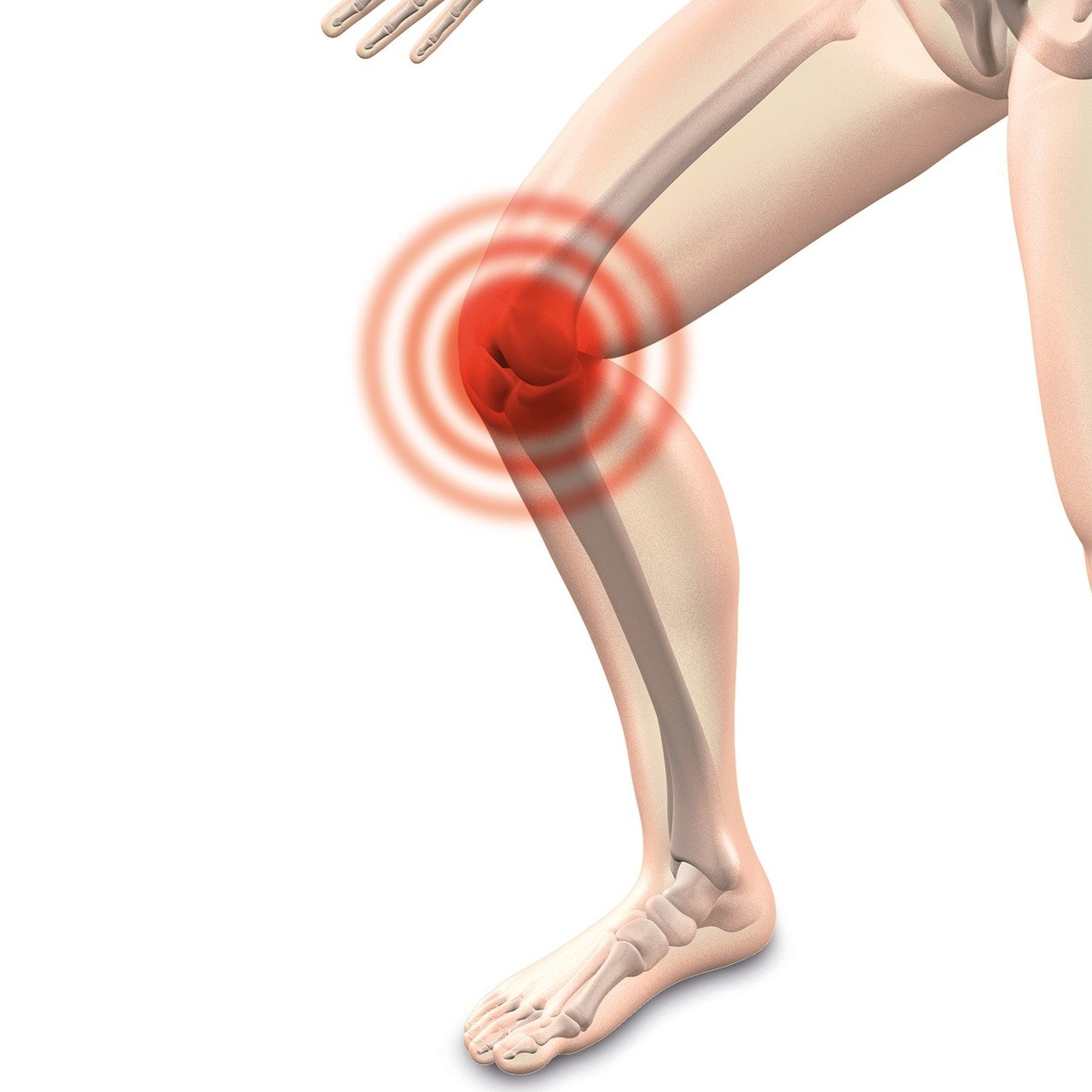
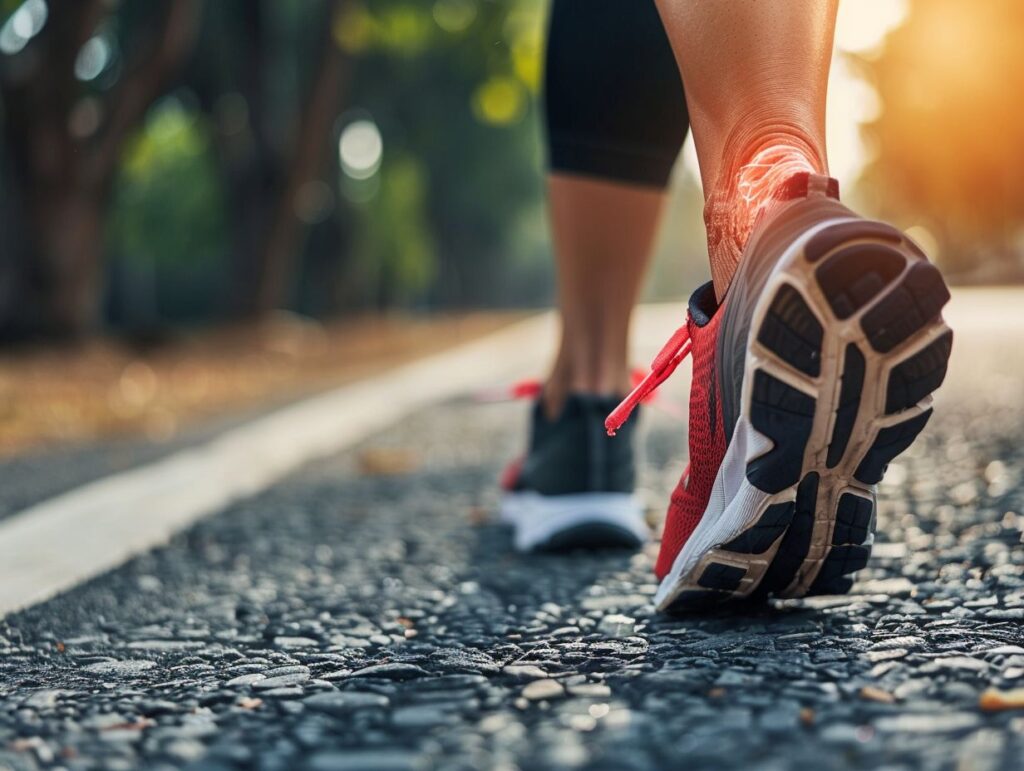
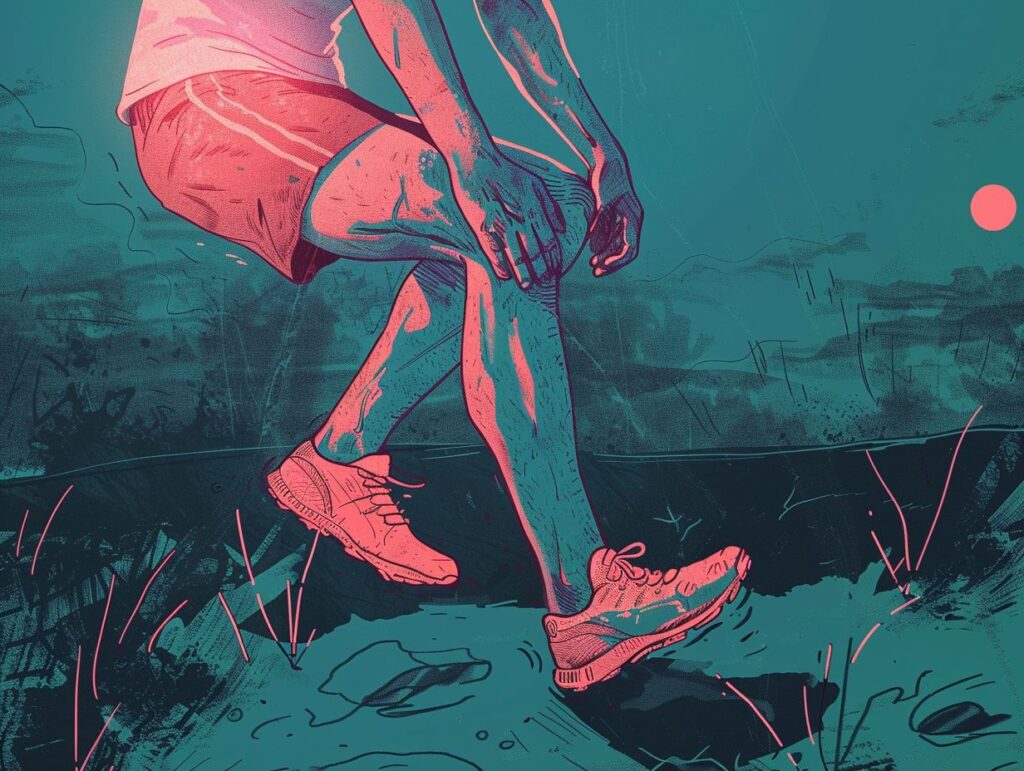
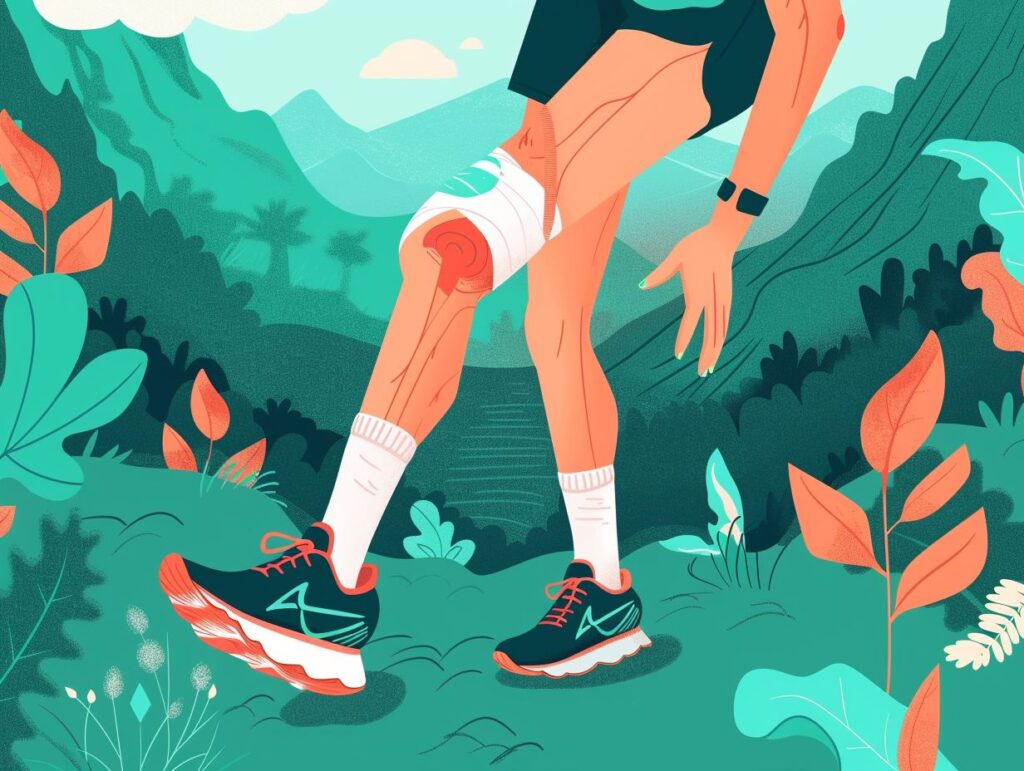
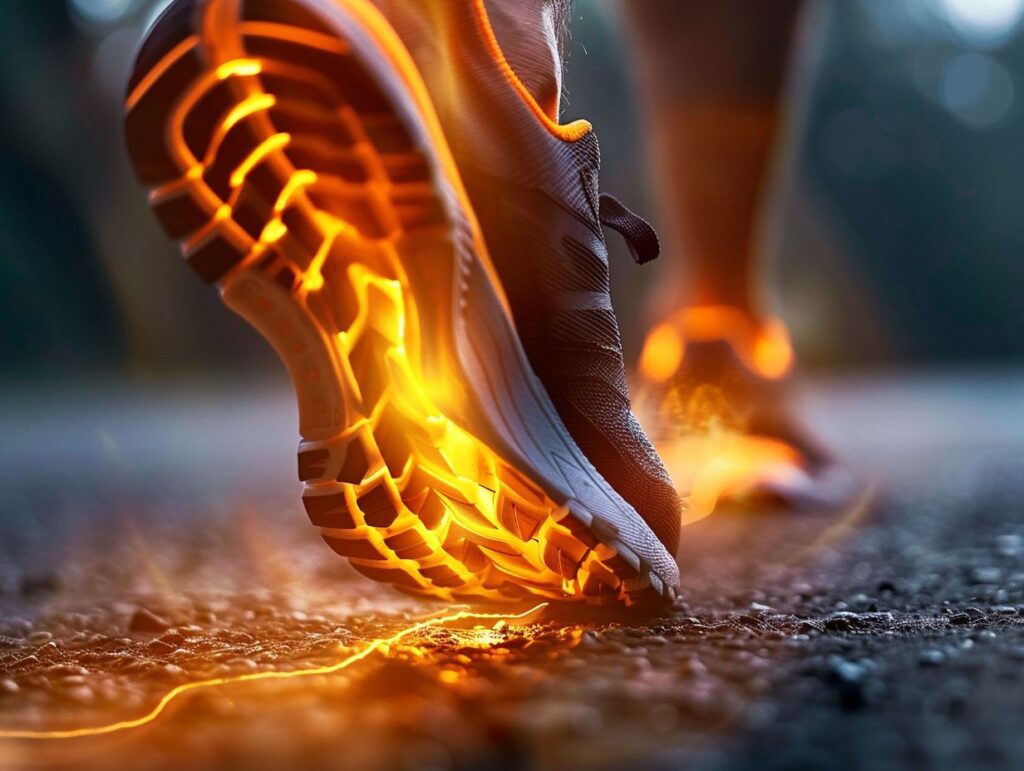
As runners, we accept that some aches come with the miles. Blisters, sore calves, a stiff back—those usually fade with a rest day or two. But knee pain? That one hits differently. It lingers, nags at you on every stride, and makes you wonder if the pavement you love so much is slowly plotting against you.
My First Encounter with Runner’s Knee
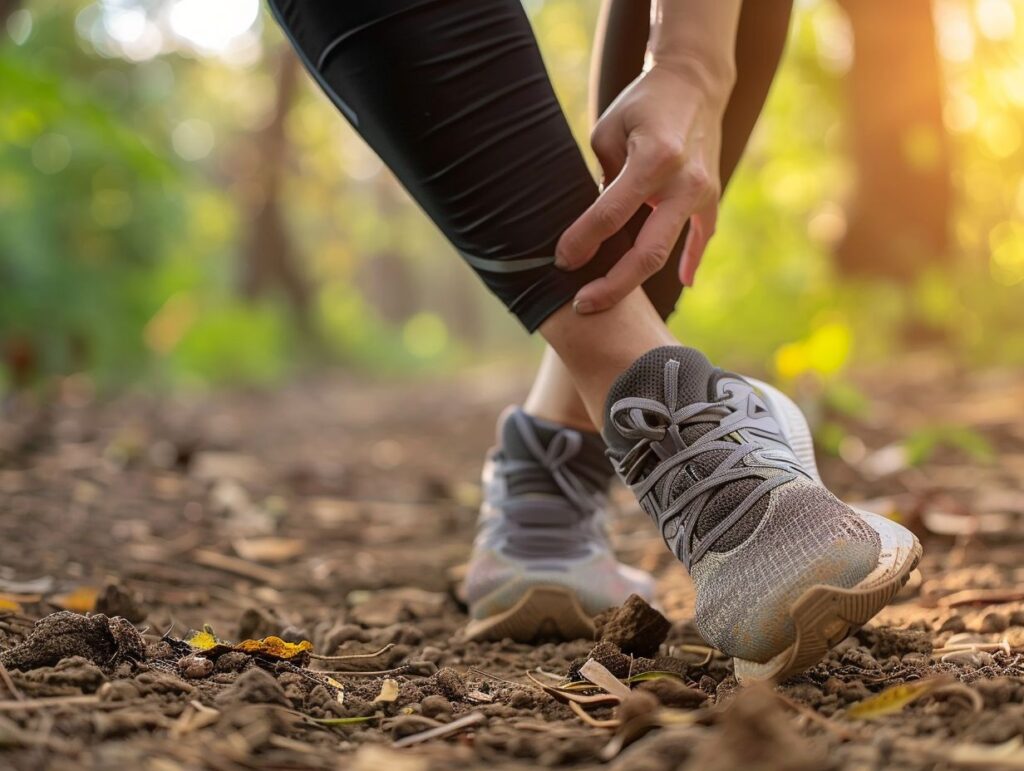
I remember the exact run when my knees first spoke up. It wasn’t during a marathon or a trail adventure—it was a simple five-miler around the neighborhood. Halfway through, a dull ache spread around my kneecap. I brushed it off, thinking it was just tight quads. By the time I hit the finish, I could barely walk up my own stairs. That was my first brush with what many of us call runner’s knee (patellofemoral pain syndrome).
Why Our Knees Take the Hit
Running is a repetitive motion sport. Step after step, our knees absorb impact forces that can reach three times our body weight. Over time, a mix of factors—like weak hips, tight IT bands, or simply overtraining—can send all that pressure straight into the joint.
Overuse: Adding too many miles too soon.
Poor form: Overstriding or running with a heavy heel strike.
Muscle imbalance: Strong quads but weak glutes equals trouble.
Surface choice: Constant pavement pounding without variety.
What Helped Me Push Forward
I learned quickly that ignoring knee pain is the fastest way to turn a small problem into a season-ending one. A few strategies made the difference:
Strength Training: Squats, lunges, and hip bridges to balance my muscles.
Stretch & Roll: Keeping the IT band, hamstrings, and quads loose with foam rolling.
Better Shoes: Finding footwear that matched my stride and cushioning needs.
Rest & Recovery: Swapping a run for cycling or swimming instead of pushing through.
Topical Relief: I personally found CBD creams and balms helped reduce soreness after long runs—especially around the knees where inflammation liked to set in.
Lessons Learned on the Road
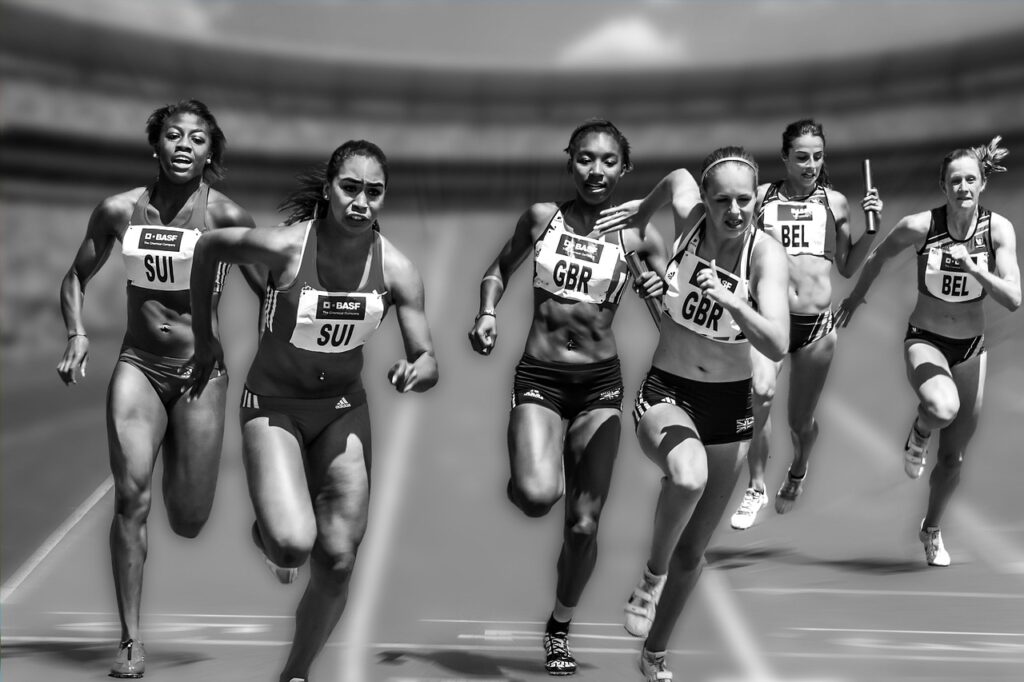
running woman race athlete sport 4782722
The hardest part about knee pain isn’t physical—it’s mental. Running isn’t just exercise, it’s therapy. Being sidelined feels like losing a part of yourself. But I’ve learned that smart runners don’t just run hard, they run smart. Addressing pain early, respecting recovery, and building strength are what keep us on the road for the long haul.
So if you’re a runner battling knee pain, don’t ignore it. Your knees may not thank you today, but give them some care now and they’ll carry you across finish lines for years to come.
For me, one unexpected game-changer has been CBD lotion. After long runs when my knees would usually throb for hours, I started massaging a CBD cream around the joint. The difference was noticeable—less stiffness the next morning, less swelling after tough hill sessions, and a quicker return to training. I won’t claim it’s a magic fix, but it’s become part of my recovery toolkit, right up there with stretching and foam rolling. It helps take the edge off the inflammation so I can focus on healing and getting back to the miles I love.
As a dedicated writer and martial art enthusiast, I have carved a unique niche where the pen and the sword truly coexist. With over a decade of experience, my journey has been one of constant evolution, blending the discipline and focus of martial arts with the creativity and depth of writing. My work spans various genres, including fiction, self-help, and martial arts instruction, offering readers insights not just into the arts themselves, but into the life lessons they embody.
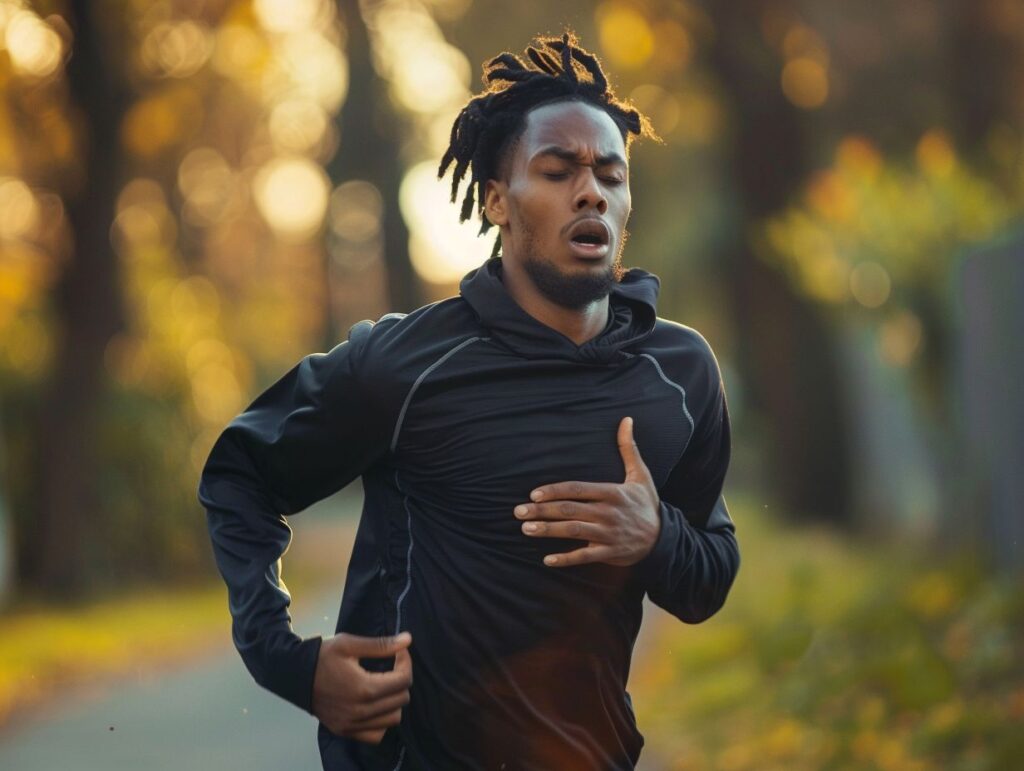
Do you ever experience a sharp pain in your chest when you’re out for a run? It can be a common issue for many runners, but understanding the reasons behind this discomfort can help you prevent it from happening in the future.
In this article, we will explore the potential causes of lung pain while running, how to prevent it, signs of serious lung conditions to watch out for, when to seek medical attention, and tips on how to treat lung pain post-run.
Lace up your shoes and let’s dive into the world of running and lung health.
Why Do Lungs Hurt When Running?
Lungs can hurt when running due to a variety of reasons, including exercise-induced bronchoconstriction, which causes the airways to narrow, leading to chest pain and shortness of breath. Jogging, a form of cardio exercise, can sometimes trigger discomfort in the respiratory system, resulting in breathing difficulties.
The physical exertion during running increases the demand for oxygen in the body, placing additional stress on the lungs. This heightened activity can lead to the development of exercise-induced symptoms such as chest tightness, wheezing, and a feeling of not getting enough air. These sensations can be particularly challenging for individuals with underlying respiratory conditions, exacerbating their lung pain and discomfort during exercise. Proper breathing techniques, gradual warm-ups, and adequate hydration can help mitigate these issues and improve overall respiratory function during jogging.
What Causes Lung Pain While Running?
Lung pain while running can be caused by conditions such as asthma, which may manifest as wheezing, coughing, and inflammation in the airways. Exercise intolerance can also contribute to chest pain, shortness of breath, and discomfort during physical exertion.
The constriction of the airways in asthma makes it harder for air to flow in and out of the lungs efficiently, leading to symptoms such as tightness in the chest and difficulty breathing. Inflammation further exacerbates the situation by narrowing the air passages, making it challenging to get an adequate amount of oxygen during exercise.
The persistent coughing and wheezing experienced by individuals with asthma can significantly impact their ability to engage in strenuous physical activities such as running. This exercise-induced bronchoconstriction can result in a feeling of chest tightness and increased respiratory rate, causing discomfort and hindering performance.
Poor Breathing Technique
Poor breathing technique while running can strain the respiratory muscles, limit lung capacity, and lead to breathing problems and discomfort. Inadequate lung expansion during exercise can exacerbate lung issues and contribute to pain or discomfort.
This highlights the crucial role that proper breathing plays in optimizing running performance. By focusing on breathing technique, runners can enhance their lung function and overall endurance. Common breathing problems experienced by runners include shallow breathing, side stitches, and getting out of breath quickly.
To combat these issues, it’s important to practice deep breathing exercises, maintain a steady breathing rhythm, and engage the diaphragm for efficient oxygen intake. Improving lung capacity through regular cardiovascular exercise and incorporating breathing drills can significantly enhance running efficiency and reduce the risk of respiratory distress.
Exercise-induced Asthma
Exercise-induced asthma is a common cause of lung pain while running, affecting lung function and causing symptoms like chest discomfort and breathing difficulties. Runners with exercise-induced asthma may experience discomfort during physical activity.
This condition can be particularly challenging for runners as it hampers their ability to perform at their best. The feeling of tightness in the chest and shortness of breath can significantly impact the overall running experience.
There are effective strategies to manage exercise-induced asthma while running. These include proper warm-up routines, using a rescue inhaler before exercise, maintaining hydration levels, and choosing appropriate outdoor environments with lower pollen levels for running sessions.
Acid Reflux
Acid reflux can cause thoracic pain and discomfort in the chest area, leading to symptoms like acid regurgitation. Gastrointestinal issues related to acid reflux may contribute to lung discomfort while running.
When acid regurgitation occurs due to acid reflux, the stomach acids may make their way up into the esophagus, causing irritation and inflammation in the chest region. This irritation can manifest as thoracic pain, which can intensify during physical activity like running. The proximity of the esophagus to the lungs means that the discomfort from gastrointestinal issues can impact lung function, leading to a sensation of breathlessness or tightness in the chest while exercising. Managing acid reflux through lifestyle changes such as avoiding trigger foods, maintaining a healthy weight, and practicing good posture can help alleviate these symptoms during physical activities, ensuring a more comfortable running experience.
Pneumonia
Pneumonia, a lung infection, can lead to respiratory distress and discomfort during exercise. Individuals with pneumonia may experience symptoms of lung disease and increased respiratory distress during physical activity.
This respiratory condition can significantly impact lung health, hindering the body’s ability to efficiently exchange oxygen and carbon dioxide. When running with pneumonia, the compromised lung function may result in shortness of breath, coughing, and overall reduced exercise tolerance. It is crucial for individuals battling pneumonia to listen to their bodies, start with low-intensity activities, and gradually increase their exercise intensity as they recover. Seeking medical guidance and monitoring symptoms closely during physical exertion are paramount in managing respiratory distress effectively.
How to Prevent Lung Pain While Running?
To prevent lung pain while running, focus on improving lung capacity, maintaining lung health, and optimizing workout performance. Enhancing exercise tolerance can also help reduce the risk of discomfort during physical activity.
Engaging in regular cardiovascular exercises like running, swimming, or cycling can significantly enhance lung capacity.
Incorporating breathing exercises such as diaphragmatic breathing and pursed lip breathing can help strengthen respiratory muscles and improve oxygen uptake.
Maintaining proper posture while running, such as keeping your back straight and shoulders relaxed, can aid in efficient breathing.
Staying hydrated and avoiding environmental pollutants like smoke can contribute to better lung health and function.
Consistent training and gradual progression in intensity can also boost exercise tolerance and endurance levels.
Improve Breathing Technique
Improving breathing technique is crucial to address breathing issues, maintain lung health, and alleviate chest discomfort while running. Proper lung expansion techniques can reduce breathing discomfort during exercise.
One effective method to enhance breathing technique is diaphragmatic breathing, where you focus on deep inhalation through the diaphragm rather than shallow chest breathing. This technique helps maximize oxygen intake and improve lung capacity.
Another beneficial practice is pursed lip breathing, which involves exhaling through tightly pressed lips to create resistance, helping to regulate and slow down breathing.
Incorporating breathing exercises such as belly breathing and box breathing can also aid in strengthening respiratory muscles and promoting better oxygen circulation in the body.
Warm Up and Cool Down Properly
Properly warming up and cooling down can help enhance running stamina, reduce lung discomfort, and support optimal lung function and health during physical activity. Effective warm-up and cool-down routines are essential for maintaining lung health.
When you warm up properly before a run, you gradually increase your heart rate, circulation, and body temperature, preparing your muscles and joints for the upcoming exercise. This helps to improve the efficiency of oxygen delivery to your muscles, reducing the strain on your lungs. Incorporating dynamic stretches, light jogging, or lunges can be great ways to warm up effectively.
Similarly, cooling down after your run allows your body to gradually return to its normal state, promoting muscle recovery and preventing stiffness. Try including activities like gentle stretching and deep breathing exercises in your cool-down routine to support lung function and overall well-being.
Stay Hydrated
Staying hydrated is crucial to prevent exercise-induced pain, maintain optimal lung capacity, and reduce breathing difficulties while running. Adequate hydration supports lung health during physical activity.
Dehydration can lead to muscle cramps, reduced endurance, and decreased lung function, making it harder to breathe effectively. By drinking water before, during, and after your runs, you ensure that your body can perform at its best. To enhance lung capacity, aim to drink about 8-10 glasses of water per day, including electrolyte-rich fluids like sports drinks to replenish lost minerals. Proper hydration not only aids in keeping your muscles and joints lubricated but also benefits your respiratory system, allowing you to run more efficiently and with less strain on your lungs.
Avoid Trigger Foods
Avoiding trigger foods can help reduce exercise-induced discomfort, support optimal lung function, and maintain lung capacity during exercise. Identifying and avoiding trigger foods is essential for preserving lung health.
Certain foods, like dairy products and highly processed foods, can increase mucus production and inflammation in the airways, leading to breathing issues while running.
Spicy foods, carbonated beverages, and high-fat meals are also common triggers that can cause digestive discomfort and reduce lung function.
Opting for a balanced diet rich in fruits, vegetables, whole grains, and lean proteins can help support lung health and improve exercise performance. Staying hydrated and practicing good breathing techniques can further enhance lung capacity and endurance during physical activities.
What Are the Signs and Symptoms of a Serious Lung Condition?
Signs and symptoms of a serious lung condition may include shortness of breath, chest pain, coughing up blood, and difficulty breathing. Recognizing these indicators is crucial for prompt medical intervention.
Shortness of breath, especially when it becomes persistent and is not relieved by rest, can be a red flag for underlying lung issues.
Similarly, chest pain that is sharp, worsens with deep breaths, or is accompanied by fever or sweating should not be ignored.
Coughing up blood, even in small amounts, should always prompt a visit to a healthcare provider.
Sudden onset of severe difficulty breathing or wheezing needs immediate medical attention as it could indicate a critical lung condition.
Shortness of Breath
Shortness of breath, also known as respiratory distress, can be caused by various factors such as side stitches, strained respiratory muscles, and challenges in the cardiovascular system. Recognizing the underlying causes is essential for addressing this symptom.
Side stitches, often experienced during physical activity, can lead to a restriction in breathing due to the diaphragm being under strain. Respiratory muscle strain from overexertion or poor posture can result in difficulty expanding the chest cavity for proper breathing. Issues within the cardiovascular system, such as heart conditions or high blood pressure, can also impact the body’s ability to oxygenate effectively. Understanding how these components intertwine is crucial in pinpointing the root cause of shortness of breath and implementing appropriate interventions.
Chest Pain
Chest pain can stem from issues related to pulmonary function, cardiovascular system abnormalities, chest tightness, and underlying lung diseases. Understanding the source of chest pain is vital for appropriate management and treatment.
Chest pain, although commonly associated with heart problems, can also be indicative of a range of complexities within the body. For instance, chest tightness can result from physical strain or muscle tension, while lung diseases such as pneumonia or asthma can manifest as sharp or dull chest discomfort.
Identifying the root cause of chest pain is crucial as it guides healthcare professionals in pinpointing the most suitable diagnostic tests and treatment options. By taking into account these various potential causes, a targeted approach can be adopted for more effective management of chest pain.
Coughing Up Blood
Coughing up blood may indicate concerns related to endurance, oxygen intake, peak flow rates, and overall lung health. Monitoring this symptom is crucial for assessing respiratory well-being and determining appropriate interventions.
When blood is present in coughed-up phlegm, it can be a sign of various underlying conditions, including respiratory infections, lung cancer, tuberculosis, or pulmonary embolism. Such conditions can significantly impact one’s ability to engage in physical activities and affect overall lung function.
Monitoring this symptom over time and seeking medical guidance for comprehensive respiratory assessments can aid in early detection and prompt treatment, potentially preventing further complications and promoting better lung health.
Difficulty Breathing
Difficulty breathing can occur during training sessions or physical exertion, leading to challenges experienced by athletes and individuals dealing with jogging pain. Understanding the impact of difficulty breathing is essential for optimizing performance and well-being.
It is crucial for athletes and individuals to recognize the signs of breathing difficulties early on, as it can greatly impede their training progress and overall athletic performance. Addressing jogging pain and respiratory challenges head-on enables individuals to develop strategies to manage and improve their breathing efficiency. By incorporating proper breathing techniques and seeking professional guidance when needed, athletes can minimize the impact of breathing issues and enhance their endurance and stamina during physical activities. Overcoming these obstacles can lead to a more enjoyable and effective training experience, ultimately leading to better performance outcomes.
When Should You See a Doctor for Lung Pain?
If you experience persistent respiratory distress during exercise, declining cardiovascular endurance, or recurring chest discomfort when running, it is advisable to consult a doctor promptly. Seeking medical advice can help diagnose underlying issues and ensure appropriate management.
Ignoring such symptoms can lead to potential complications, as they might indicate serious conditions such as asthma, bronchitis, or even cardiac problems. It is crucial to pay attention to any unusual sensations in the lungs or chest, as early detection can significantly improve outcomes and prevent further health issues.
Keeping track of your symptoms and sharing these details with a healthcare provider can aid in receiving timely and effective medical care, potentially preventing any potential progression of the underlying problems.
How to Treat Lung Pain from Running?
Treating lung pain from running involves addressing exercise-induced discomfort, optimizing lung function, promoting lung health, and managing breathing problems. Various strategies can help alleviate pain and enhance respiratory well-being.
To effectively manage lung pain, individuals can utilize techniques such as diaphragmatic breathing to improve oxygen exchange and reduce strain on the lungs during physical activity. Proper hydration is also crucial in maintaining lung health and preventing discomfort while running. In addition, incorporating interval training and progressively increasing exercise intensity can help build lung capacity and endurance over time, leading to reduced instances of pain and improved overall respiratory function.
Rest and Take Breaks
Resting and taking breaks are essential for preserving lung health, reducing chest discomfort, promoting lung expansion, and addressing potential lung problems. Incorporating adequate rest intervals during exercise can support overall respiratory well-being.
Allowing your lungs to rest between physical activities not only helps prevent strain but also allows them to recover and function optimally. By incorporating short pauses during exercise sessions, you give your lungs a chance to fully expand and contract, maximizing their efficiency. These brief breaks enable better oxygen intake and circulation, reducing the likelihood of experiencing discomfort or complications related to your respiratory system. Prioritizing rest periods can significantly contribute to maintaining healthy lungs and minimizing any potential issues that may arise.”
Use a Breathing Aid
Utilizing a breathing aid can enhance cardiorespiratory fitness, regulate running pace, optimize aerobic capacity, and alleviate lung discomfort during exercise. Incorporating suitable breathing aids can improve overall respiratory performance.
When selecting a breathing aid, individuals should consider their specific needs and preferences. For example, some may benefit from devices that focus on deep breathing, while others may find respiratory trainers helpful in strengthening their breathing muscles.
It’s important to consult with a healthcare professional or a certified fitness trainer to determine the most suitable option for your fitness goals. By choosing the right breathing aid, you can enhance your workout experience, improve your endurance levels, and maximize the benefits of your cardiorespiratory training.
Take Anti-inflammatory Medication
Taking anti-inflammatory medication can help manage exercise-induced symptoms, support endurance exercise, alleviate respiratory distress, and enhance cardiovascular endurance. Incorporating appropriate medication can aid in symptom relief and performance optimization.
Anti-inflammatory drugs play a crucial role in combating inflammation caused by rigorous physical activity, including muscle soreness and joint pain, enabling individuals to push through workouts with reduced discomfort. By targeting the body’s inflammatory response, these medications allow athletes and fitness enthusiasts to recover faster and engage in more consistent training.
For individuals dealing with exercise-induced asthma or bronchospasm, certain anti-inflammatory medications can help open up the airways, facilitating improved respiratory function during physical exertion. The use of such medication not only eases immediate symptoms but also contributes to long-term fitness progress and overall well-being.
Frequently Asked Questions
Why do my lungs hurt when I run?
Your lungs may hurt when you run due to a buildup of lactic acid, a lack of oxygen, or strained muscles in your chest and back. It could also be a sign of an underlying medical condition.
How can I prevent my lungs from hurting when I run?
Make sure to warm up properly before running, maintain good posture while running, and gradually increase your distance and intensity. It may also be helpful to practice controlled breathing techniques.
Is it normal for my lungs to hurt when I start running?
Yes, it is normal for your lungs to hurt when you start running, especially if you are new to running or have taken a break from it. Your body needs time to adjust to the increased demands of running.
What should I do if my lungs hurt when I run?
Take a break and rest if your lungs start to hurt when you run. If the pain persists or is severe, it is important to stop and seek medical advice. It may be a sign of a more serious issue.
Can running help improve my lung health?
Yes, running can help improve your lung health by increasing your lung capacity and strengthening the muscles involved in breathing. It can also help reduce the risk of respiratory infections.
Are there any tips for running with lung pain?
If you experience lung pain while running, try slowing down your pace, taking deeper breaths, and focusing on your breathing technique. If the pain persists, it is best to stop and seek medical advice.
My passion for martial arts goes beyond practice; it is a philosophy that shapes my writing, bringing a distinctive edge to my narratives and advice. I hold black belts in two martial arts disciplines and have competed internationally, experiences that enrich my storytelling with authenticity and excitement.
Do you experience breast pain after running? You’re not alone.
Explore the common causes of breast pain after running, including improper sports bras, hormonal changes, and breast injuries.
Find tips on how to prevent and treat this discomfort, such as wearing a proper sports bra, warming up and cooling down, and strengthening chest muscles.
Discover ways to alleviate breast pain and improve your running experience by reading on.
What Causes Breast Pain After Running?
Breast pain after running can be caused by various factors, including the impact of physical activity on the chest area, inadequate support from sports bras, and muscular strain due to movement during high-impact activities.
When engaging in running or other high-impact exercises, the bouncing and movement of the breasts can lead to discomfort, especially if proper support is not provided. Female athletes often face challenges in finding a sports bra that offers the right balance of compression and flexibility to minimize breast motion. The muscular strain in the chest area during running can exacerbate any existing discomfort, making it crucial for individuals to pay attention to their form and overall fitness level to prevent injury and manage post-exercise soreness effectively.
Improper Sports Bra
Wearing an improper sports bra while running can lead to breast pain as it fails to provide adequate support to the chest, causing discomfort and potentially impacting breast health and overall sports performance.
When engaging in physical activities like running, the right sports bra is crucial for maintaining comfort and preventing strain on the delicate ligaments in the chest area. A well-fitted sports bra not only reduces discomfort but also enhances your sports performance by allowing you to move freely without distractions. It is important to avoid wearing bras that are too tight, as they can restrict blood flow and lead to discomfort. The correct sports bra not only protects breast health but also boosts confidence and ensures a more enjoyable workout experience.
Hormonal Changes
Hormonal changes in the body, especially in female athletes, can contribute to breast pain after running due to the impact on breast tissue and potential health conditions, highlighting the importance of breast health awareness.
Female athletes often experience fluctuations in hormone levels, such as estrogen and progesterone, which can affect breast tissue sensitivity. This heightened sensitivity can result in discomfort or pain during physical activities like running.
While breast pain post-exercise is common, it is essential for women to pay attention to their breast health to detect any abnormalities early. Health conditions such as fibrocystic breasts or hormonal imbalances can further exacerbate breast pain, underscoring the need for regular breast self-exams and screenings to promote overall breast health.
Breast Injury
Breast pain after running can also be attributed to breast injuries that affect the chest wall muscles, requiring attention from sports medicine professionals and possibly sports chiropractic care for effective sports injury prevention, treatment, and recovery.
These types of injuries not only cause physical discomfort but can also impact athletic performance and overall well-being. Sports science plays a crucial role in identifying the root causes of such injuries through advanced diagnostic techniques, such as imaging studies and biomechanical assessments. By understanding the biomechanics of sports-related movements, sports medicine experts can tailor treatment plans that focus on strengthening the chest muscles, improving flexibility, and preventing future injuries. Sports chiropractic care offers specialized interventions like spinal adjustments and soft tissue therapy to enhance recovery and optimize athletic performance.
How to Prevent Breast Pain After Running?
Preventing breast pain after running involves:
wearing a supportive sports bra
incorporating proper warm-up and cool-down routines
strengthening chest muscles
avoiding high-impact activities
maintaining hydration
focusing on biomechanics
following sports injury prevention techniques
Ensuring proper stretching exercises for the chest muscles before and after running can help prevent strain and reduce the likelihood of breast pain.
Participating in sports injury prevention programs can enhance overall fitness, agility, and reduce the risk of potential injuries while running.
By paying attention to these preventive measures and incorporating them into your running routine, you can minimize the occurrence of breast pain and promote a safer and more enjoyable running experience.
Wear a Proper Sports Bra
One of the primary preventive steps is to wear a proper sports bra that provides adequate support and compression to minimize discomfort and effectively manage breast pain after running.
This is particularly crucial for female runners, as the repetitive motion during running can lead to breast tissue damage and pain if not properly supported. A well-fitted sports bra can significantly reduce bouncing and movement of the breasts, which in turn reduces strain on the ligaments and tissues. By offering the right level of compression, a sports bra helps to distribute the weight of the breasts more evenly, preventing excessive movement that might cause discomfort or pain. Ultimately, choosing the right sports bra is not just about comfort, but also plays a vital role in enhancing performance and overall well-being.
Warm Up and Cool Down
Incorporating effective warm-up and cool-down routines, along with proper stretching, can help prepare the muscles for movement, reduce physical discomfort, and alleviate post-workout pain, thus contributing to minimizing breast pain after running.
During a warm-up, the body’s temperature and heart rate gradually increase, enhancing blood flow to the muscles and improving flexibility. This prepares the muscles for the upcoming physical activity, reducing the risk of strain or injury.
Similarly, a cool-down session allows the body to gradually return to its resting state, preventing sudden drops in blood pressure and helping to relax the muscles. Stretching plays a critical role in maintaining muscle movement and preventing stiffness, aiding in recovery and reducing post-workout pain for a more comfortable running experience.
Strengthen Chest Muscles
Building strength in the chest muscles not only enhances support and endurance but also improves biomechanics, leading to better muscle movement coordination and reduced strain that can contribute to breast pain after running.
Strong chest muscles play a crucial role in maintaining proper posture during physical activities, such as running, which can significantly reduce the risk of experiencing discomfort or pain in the breast area.
When the chest muscles are well-developed, they work more efficiently in providing support to the upper body, thereby reducing strain on the surrounding tissues.
By strengthening the chest muscles, individuals can also enhance their overall endurance, allowing them to engage in longer and more challenging workouts with greater ease and efficiency.
Avoid High Impact Activities
To prevent breast pain after running, it is advisable to avoid high-impact activities that may exacerbate discomfort or lead to sports injuries, especially if the activity level exceeds the body’s current fitness capacity.
Engaging in high-impact exercises like jumping or intense aerobic routines can strain the chest muscles, causing further soreness and potential injuries. By tailoring one’s post-running activities to their individual fitness level, they can reduce the risk of developing breast pain or other related discomforts.
Gradual progression in intensity and choosing low-impact exercises such as swimming or cycling can offer a safer alternative for continued physical activity without compromising one’s well-being. It is crucial to listen to the body’s signals and adjust activities accordingly to maintain a healthy balance between exercise and prevention of injuries.
What are the Symptoms of Breast Pain After Running?
Symptoms of breast pain after running may include soreness, swelling, tenderness, and general discomfort, highlighting the importance of effective pain management strategies in the context of overall health and fitness.
Runners, especially women, commonly experience breast pain due to the repetitive motion and impact of running. This pain can range from mild discomfort to more severe soreness, impacting one’s ability to engage in physical activities. Swelling and tenderness in the breast tissue can also occur post-exercise, emphasizing the need for proper support and fitting sports bras.
Implementing pain management techniques such as applying ice packs, taking over-the-counter pain relievers, and opting for gentle stretching exercises can aid in alleviating breast pain and maintaining optimal health and fitness levels.
Soreness
Soreness in the breast area after running is a common symptom that may result from muscle movement strain, requiring self-care measures and home remedies to alleviate discomfort and promote recovery.
This type of pain often stems from the intense physical activity of running, which can cause the chest muscles to contract and expand rapidly, leading to temporary soreness.
To help manage this discomfort, it is essential to engage in gentle stretching exercises to relieve tension and improve circulation in the affected area. Applying a warm compress or taking a warm bath can help relax the muscles and reduce inflammation.
Ensuring adequate hydration and getting enough rest are also crucial components of self-care when dealing with post-run breast pain.
Swelling
Swelling in the breast area post-running may indicate discomfort and require attention to hydration levels, potential sports massage for relief, and appropriate measures for managing sports-related injuries effectively.
When the breast tissue swells after running, it can often lead to tenderness and soreness, impacting the overall running experience. Ensuring proper hydration before, during, and after a run is crucial to prevent excessive swelling and discomfort. Sports massage can be highly beneficial in reducing the swelling and relieving the associated pain.
In addition to massage, implementing a consistent stretching routine and allowing for adequate rest between runs are essential strategies for managing sports-related injuries and promoting recovery. By paying attention to these key aspects, runners can minimize swelling, discomfort, and the risk of developing more serious sports injuries.
Tenderness
Tenderness in the breast area post-running indicates discomfort and may benefit from gentle stretching, along with adherence to sports injury prevention strategies and guidelines to minimize the risk of further discomfort or injuries.
This symptom of breast pain after a run can be quite common among female athletes and active individuals. The discomfort experienced can range from mild to severe, affecting one’s ability to engage in physical activities.
By incorporating gentle stretching exercises specifically targeting the chest and shoulder muscles, it can help alleviate some of the tenderness and improve flexibility. Following sports injury prevention guidelines, such as wearing proper supportive sports bras and gradually increasing running intensity, can play a crucial role in reducing the likelihood of experiencing such discomfort in the future.
How to Treat Breast Pain After Running?
Treating breast pain after running involves strategies such as rest and ice application, appropriate pain medication, gentle stretching exercises, and seeking medical attention if the discomfort persists or intensifies, including potential sports injury diagnosis.
Rest is crucial as it allows the body to recover and reduce inflammation, while ice application helps to soothe pain and reduce swelling. Over-the-counter pain medication can provide relief from any lingering discomfort. Gentle stretching exercises can help improve flexibility and prevent muscle tightness.
It’s essential to listen to your body and know when to seek professional advice, especially if the pain is persistent or impacts your daily activities. A sports injury diagnosis can pinpoint the exact cause of the discomfort, enabling tailored treatment for optimal recovery.
Rest and Ice
Resting and applying ice to the affected area can aid in pain management and promote recovery, serving as initial steps in sports injury treatment for breast pain after running.
By giving the body time to rest, it allows the injured area to heal and reduces inflammation, helping to alleviate discomfort. Ice application constricts blood vessels, decreasing blood flow to the area and reducing swelling and pain. This combination helps to manage acute pain and initiate the healing process. Ice numbs the area, providing temporary relief from any soreness or tenderness. Proper rest and ice application not only address the immediate discomfort but also contribute to a quicker recovery timeframe, essential for returning to running or any physical activity without complications.
Pain Medication
The use of pain medication can offer relief from discomfort associated with breast pain after running, aiding in the recovery process and complementing other sports injury recovery tips for effective management.
Pain medication plays a crucial role in managing post-running discomfort by targeting the root cause of pain, allowing individuals to continue with their training or daily activities without excessive strain. By reducing inflammation and alleviating soreness, these medications can expedite the healing process and promote faster recovery. Integrating pain medication into a comprehensive sports injury recovery plan can enhance the overall comfort level and accelerate the healing of muscle strains or tissue damage caused by intense physical activity.
Gentle Stretching
Engaging in gentle stretching exercises can improve muscle movement, enhance flexibility, and aid in preventing sports injuries, offering a holistic approach to managing breast pain after running.
Stretching plays a vital role in post-running recovery by alleviating muscle tension and reducing the risk of strains and sprains. By incorporating stretches into your routine, you not only increase your range of motion but also enhance blood circulation to the muscles, promoting faster healing. Regular stretching can help correct muscle imbalances, which is crucial in preventing chronic pain and discomfort associated with running. These exercises are beneficial not only for athletes but also for individuals seeking overall well-being and improved physical performance.
Seek Medical Attention if Severe
In cases of severe breast pain after running, seeking prompt medical evaluation is recommended to assess the condition thoroughly and receive appropriate sports medicine advice for effective sports injury management aligned with sports science principles.
This is crucial because sports-related breast pain can be indicative of underlying issues such as muscle strains, inadequate breast support, or even more serious conditions like costochondritis or mastitis, which may require specific interventions for optimal recovery.
By undergoing a thorough medical evaluation, individuals can not only obtain a clear diagnosis but also benefit from personalized guidance on treatment options and preventive measures to mitigate the risk of future injuries.
Sports science plays a significant role in unveiling the root causes of sports injuries and designing tailored strategies to enhance performance and prevent recurrence.
When to See a Doctor for Breast Pain After Running?
Knowing when to see a doctor for breast pain after running is crucial if the pain persists, accompanied by lumps, changes in breast appearance, difficulty breathing, fever, or chills, as these signs may indicate underlying health concerns that require medical attention.
Persistent breast pain following a run could be a red flag, especially when accompanied by unusual changes like skin dimpling or nipple discharge. Any breast abnormalities or discomfort that impact your daily activities should be brought to the attention of a healthcare provider.
In addition to lumps, keep an eye out for any discharge from the nipples, as well as sudden difficulty in breathing or unexplained fevers and chills. Consultation with your doctor becomes imperative when these symptoms persist or worsen over time, warranting a thorough evaluation for proper diagnosis and management.
Persistent Pain
Persistent breast pain after running warrants attention, especially if it indicates underlying health conditions that may require sports massage or further sports injury education to address the root causes effectively.
Such pain could be linked to issues like improper sports bra fit, muscle strain, or inflammation, which can benefit from the techniques and knowledge offered through sports injury education.
Understanding the potential health conditions associated with persistent breast pain is crucial for athletes to prevent exacerbating injuries and promoting overall well-being.
Identifying the specific triggers of this discomfort and receiving appropriate sports massage therapy or guidance on sports injury prevention can significantly enhance an individual’s athletic performance and comfort during physical activities.
Lumps or Changes in Breast Appearance
The presence of lumps or noticeable changes in breast appearance post-running highlights the importance of breast health awareness and may require participation in sports injury prevention programs to address any concerns effectively.
Regular physical activity like running not only plays a crucial role in maintaining overall health but also aids in early detection of potential issues, such as abnormalities in breast tissue. By being attuned to these changes and seeking appropriate guidance, individuals can take proactive steps towards ensuring their breast health.
Integrating sports injury prevention programs into one’s fitness routine can further enhance awareness and provide strategies to minimize the risk of injuries during physical activities, promoting a holistic approach to well-being.
Difficulty Breathing
Experiencing difficulty breathing along with breast pain after running may indicate the need for proper recovery measures, including following sports injury recovery guidelines tailored for aerobic exercise to ensure respiratory health and overall well-being.
These symptoms could stem from various factors such as inadequate warm-up, improper breathing techniques, overtraining, or even underlying medical conditions.
Ignoring these warning signs and continuing to push through the discomfort can lead to more serious injuries and long-term health consequences.
Incorporating rest, gentle stretching, and focused breathing exercises into your post-run routine can help alleviate the strain on your respiratory system and promote healing.
It is crucial to listen to your body, prioritize recovery, and seek medical advice if the symptoms persist or worsen.
Fever or Chills
The presence of fever or chills alongside breast pain after running may indicate the necessity for proper hydration, support for sports performance, and seeking sports injury support to address potential health issues and aid in recovery.
Ensuring adequate hydration before, during, and after exercise is crucial for maintaining optimal performance and preventing symptoms like fever or chills. Proper hydration supports muscle function, regulates body temperature, and facilitates the transport of nutrients throughout the body.
In addition, wearing a well-fitted sports bra during physical activities can provide necessary support for the breasts, reducing discomfort and potential trauma.
Seeking sports injury support from healthcare professionals can help diagnose any underlying issues, offer tailored treatment plans, and guide individuals towards a safe and efficient recovery process.
Taking these steps can significantly benefit overall health and well-being while promoting longevity and success in sports activities.
Frequently Asked Questions
What causes breast pain after running?
Breast pain after running can be caused by a number of factors, including ill-fitting sports bra, intense workout, hormonal changes, and even medical conditions such as fibrocystic breast disease.
Is breast pain after running normal?
Yes, mild breast pain after running is considered normal and is a common complaint among female athletes. However, if the pain is severe and persistent, it is recommended to seek medical advice.
How can I prevent breast pain after running?
Wearing a properly fitted sports bra, warming up and stretching before running, and gradually increasing the intensity of your workouts can help prevent breast pain after running. It is also important to stay hydrated and maintain a healthy diet.
What should I do if I experience breast pain after running?
If you experience breast pain after running, it is important to rest and allow your body time to recover. Applying ice packs to the affected area and taking over-the-counter pain medication can also help alleviate the discomfort.
Can breast pain after running be a sign of a serious medical condition?
In most cases, breast pain after running is not a cause for concern and can be managed with self-care measures. However, if the pain is severe, persistent, and accompanied by other symptoms such as fever or discharge, it is recommended to consult a doctor to rule out any underlying medical conditions.
What type of sports bra is best for preventing breast pain after running?
A well-fitted, high-impact sports bra is recommended for preventing breast pain after running. Look for bras with adjustable straps, moisture-wicking fabric, and good support to reduce bounce and discomfort during exercise.
My passion for martial arts goes beyond practice; it is a philosophy that shapes my writing, bringing a distinctive edge to my narratives and advice. I hold black belts in two martial arts disciplines and have competed internationally, experiences that enrich my storytelling with authenticity and excitement.
Do you ever experience tooth pain after a run and wonder why it’s happening?
We explore the common causes of tooth pain while running, including teeth grinding, sinus infections, dental issues, and jaw misalignment.
Learn how to prevent tooth pain during your runs, such as wearing a mouthguard and maintaining good oral hygiene.
Discover treatment options for tooth pain while running and when it might be a sign of something more serious, like TMJ or nerve damage.
Find out when it’s time to see a dentist or doctor about this uncomfortable phenomenon.
Why Do Teeth Hurt After Running?
Teeth can experience discomfort or pain after running due to various factors related to physical activity and impact on the jaw and mouth. This discomfort can range from a mild ache to soreness, affecting individuals differently based on their oral health and teeth sensitivity.
The physical exertion involved in running can lead to increased blood flow, which in turn may heighten sensitivity in the teeth and gums. The impact from the repetitive pounding of feet on the ground can cause jarring vibrations that reverberate through the jawbone, potentially aggravating any existing dental issues.
It’s essential for runners to be mindful of their dental health, to address any discomfort promptly, and to maintain a consistent dental hygiene routine to prevent potential tooth pain associated with running.
What Are the Causes of Tooth Pain While Running?
Tooth pain while running can be attributed to several reasons, including teeth grinding, sinus infections, underlying dental issues, and jaw misalignment. These factors can contribute to discomfort and pain experienced during physical activity.
Teeth grinding, also known as bruxism, involves clenching or grinding the teeth, which can lead to increased pressure on the jaw and surrounding structures. This pressure can cause pain and discomfort, especially when engaging in high-impact activities like running.
Sinus infections can result in pressure and inflammation in the sinus cavities, which may radiate and manifest as tooth pain during physical exertion. Dental issues such as cavities, abscesses, or gum disease can trigger pain that intensifies while running due to increased blood flow and impact. Jaw misalignment can put strain on the teeth and jaw muscles, exacerbating pain while running.
Teeth Grinding
Teeth grinding during running can exacerbate dental discomfort and pain, potentially leading to increased soreness and ache in the jaw and mouth. It is essential to address teeth grinding issues to alleviate running-related dental problems.
When a person grinds their teeth, especially during physical activities like running, the pressure and impact placed on the teeth can intensify any existing dental issues, such as gum sensitivity or cavities. This habit can also strain the jaw muscles, causing tension and discomfort throughout the mouth. Over time, persistent teeth grinding can lead to wearing down of the enamel, increasing the risk of tooth damage and related pains. Proper dental care, including wearing a mouthguard during exercise, can help mitigate the negative effects of teeth grinding on oral health.
Sinus Infection
Sinus infections can contribute to tooth pain while running by causing pressure changes in the sinus cavities that impact the surrounding dental structures. Understanding sinus-related discomfort is crucial in managing dental soreness during physical exertion.
When sinus cavities become inflamed due to an infection, it can lead to increased pressure in the facial region, including around the teeth. This pressure can radiate to the jaw and create sensations of toothache, especially when engaging in activities like running that elevate blood flow and sinus activity.
The close proximity of the sinuses to the upper teeth means that any changes in pressure can get transmitted, making runners more susceptible to feeling dental discomfort. Proper diagnosis and treatment of sinus issues can help alleviate tooth pain experienced during exercise.
Dental Issues
Pre-existing dental problems such as cavities, abscesses, or gum disease can manifest as tooth pain while running, highlighting the importance of addressing dental issues promptly. Neglecting dental care can exacerbate discomfort during exercise.
Tooth pain during running can be particularly distressing, impacting one’s performance and overall exercise experience. When dental issues are left untreated, the pain can intensify, potentially leading to more serious complications.
Proper dental care, including regular check-ups and good oral hygiene practices, plays a crucial role in preventing exercise-related pain. By taking proactive steps to maintain oral health, individuals can reduce the risk of experiencing tooth pain while engaging in physical activities like running.
Jaw Misalignment
Jaw misalignment can contribute to tooth pain while running by exerting uneven pressure on the teeth and jaw joints. Correcting jaw alignment issues is crucial in reducing running-related dental discomfort and ensuring oral health.
This uneven pressure on the teeth and jaw joints can lead to various forms of dental discomfort, such as tooth sensitivity, jaw pain, and even headaches.
When the jaw is not properly aligned, the impact of each step taken while running can exacerbate these issues, causing significant discomfort.
Addressing jaw misalignment through orthodontic treatments or dental devices can help distribute pressure evenly, reducing the strain on the teeth and jaw joints during physical activities like running.
By prioritizing proper jaw alignment, individuals can not only alleviate tooth pain while running but also enhance their overall oral health and well-being.
How to Prevent Tooth Pain While Running?
Preventing tooth pain while running involves wearing a mouthguard to protect the teeth from impact and maintaining good oral hygiene practices. Addressing any underlying dental issues proactively can also help prevent discomfort during physical activity.
Regular dental check-ups are essential in identifying and treating any dental concerns before they escalate. Ensuring that your mouthguard fits properly and is in good condition is crucial for effective protection.
It is important to brush your teeth before and after running to remove any food particles that can contribute to tooth pain. Using a fluoridated toothpaste can strengthen your enamel and decrease sensitivity, reducing the likelihood of experiencing discomfort while running.
Wear a Mouthguard
Utilizing a mouthguard while running can significantly reduce the risk of dental pain and sensitivity by providing a protective barrier against impact and excessive pressure on the teeth. Properly fitted mouthguards are essential in preventing exercise-related dental discomfort.
Such equipment acts as a cushion, absorbing shock from sudden movements or accidental hits during intense workouts. By minimizing the force transmitted to the teeth and jaw, mouthguards play a crucial role in safeguarding oral health.
When selecting a mouthguard, ensuring it fits snugly and comfortably is paramount for optimal protection. It is advised to opt for custom-fitted mouthguards from dental professionals, as they offer superior fit and protection compared to generic ones. Maintaining hygiene by cleaning the mouthguard regularly is vital to prevent bacterial buildup and maintain its effectiveness.
Maintain Good Oral Hygiene
Maintaining good oral hygiene practices, such as regular brushing, flossing, and dental check-ups, is essential in preventing tooth pain while running. Healthy dental habits can minimize oral discomfort during physical activity.
When you run, the increased blood flow and breathing rate can sometimes exacerbate existing dental issues, leading to discomfort. By prioritizing oral hygiene, you create a strong foundation for your teeth and gums, reducing the risk of pain while being active.
Brushing twice a day with fluoride toothpaste and flossing daily help remove plaque and debris that can cause dental problems. Regular dental check-ups also play a crucial role in catching any issues early and maintaining optimal oral health.
Address Any Dental Issues
Promptly addressing any existing dental problems, such as cavities, gum disease, or dental sensitivity, can help mitigate tooth pain while running. Seeking timely dental care is crucial in managing and preventing exercise-related discomfort.
Untreated dental issues can worsen and lead to more severe pain, affecting your overall performance and well-being. When experiencing tooth pain during physical activity, it’s advisable to consult a dentist to identify the root cause.
Depending on the diagnosis, your dentist may recommend treatments like fillings, root canals, or deep cleanings to address the underlying problems. Ignoring dental issues can not only result in persistent pain but also impact your oral health in the long run.
Regular dental check-ups and proper oral hygiene are essential for maintaining healthy teeth and gums.
What Are the Treatment Options for Tooth Pain While Running?
Treatment options for tooth pain while running include over-the-counter pain relievers, specific dental procedures to address underlying issues, and sinus treatments to alleviate discomfort. Effective pain management is crucial in handling running-related dental sensitivity.
Over-the-counter pain relievers such as ibuprofen or acetaminophen can help alleviate tooth pain temporarily during a run. Dental interventions like fillings, root canals, or crown placements may be necessary to address cavities, infections, or damaged teeth causing the discomfort. Sinus treatments like nasal decongestants or steam inhalation can provide relief if tooth pain is stemming from sinus pressure. It is important to consult with a dentist to determine the root cause of the pain and explore appropriate treatment options for long-term oral health.
Over-the-counter Pain Relievers
Over-the-counter pain relievers like ibuprofen can help alleviate tooth pain and discomfort experienced during or after running. These medications can provide temporary relief from running-related dental sensitivity.
It is important to follow the recommended dosage instructions when using these pain relievers to avoid potential side effects. Ibuprofen works by reducing inflammation and pain signals, making it an effective option for managing tooth pain. It is essential to consult a dentist if the pain persists or worsens.
Other alternatives such as acetaminophen can also be considered for tooth pain relief, but it is crucial to be aware of its potential liver toxicity if used excessively. Over-the-counter pain relievers can be a convenient and effective solution for addressing tooth pain while engaging in physical activities like running.
Dental Procedures
Undergoing specific dental procedures such as fillings, root canals, or dental cleanings can address underlying issues causing tooth pain during running. Professional dental care plays a vital role in managing oral discomfort related to physical activity.
These procedures are essential not only in relieving immediate pain but also in preventing future dental problems. Fillings help restore damaged teeth, while root canals treat infections that cause severe discomfort. Regular dental cleanings remove plaque and tartar buildup, reducing the risk of gum disease and cavities. Optimal oral health is crucial for athletes, as untreated tooth pain can worsen with strenuous exercise. Proper dental care not only ensures a healthy smile but also contributes to overall well-being by managing pain effectively.
Sinus Treatment
Sinus treatments such as decongestants or nasal sprays can help relieve tooth pain caused by sinus infections during running. Managing sinus-related discomfort is essential in reducing dental sensitivity and pain while exercising.
When sinus infections occur, the inflammation and pressure in the sinuses can extend to the teeth, causing discomfort, especially during physical activities like running. Decongestants work by shrinking the swollen blood vessels in the nasal passages, thus helping to alleviate sinus congestion and indirectly reducing tooth pain. Nasal sprays, on the other hand, can provide targeted relief by delivering medication directly to the affected area.
If tooth pain persists despite using over-the-counter remedies, seeking medical attention for proper diagnosis and treatment is crucial to prevent worsening dental sensitivity and potential complications.
Can Tooth Pain While Running be a Sign of Something More Serious?
Tooth pain experienced while running can sometimes indicate underlying health issues like temporomandibular joint disorder (TMJ), cardiovascular problems, or nerve damage. Recognizing potential signs of serious conditions is crucial for timely intervention and management.
Addressing tooth pain during physical activity, such as running, may serve as a red flag for broader health concerns. For instance, TMJ can lead to jaw pain that radiates to the teeth, mimicking dental issues. Similarly, cardiovascular problems like angina or heart disease can manifest as tooth discomfort during exercise due to reduced blood flow. Nerve damage related to trigeminal neuralgia could cause sharp tooth pain during high-impact activities. Therefore, paying attention to dental symptoms while running could provide valuable insights into one’s overall well-being.
Temporomandibular Joint Disorder (TMJ)
Temporomandibular Joint Disorder (TMJ) can manifest as tooth pain while running due to jaw misalignment or joint issues. Recognizing TMJ symptoms early is essential in managing athletic-related dental discomfort.
This discomfort can often be attributed to the excessive clenching of the jaw while engaging in physical activities such as running, which can exacerbate any existing TMJ issues. Jaw misalignment can put pressure on the surrounding muscles and nerves, leading to radiating pain that may be felt in the teeth during strenuous exercise. It’s crucial for athletes to be aware of the connection between TMJ and dental pain to seek timely treatment and prevent worsening of their condition.
Cardiovascular Issues
Cardiovascular issues like heart conditions or circulation problems can sometimes present as tooth pain during running. Understanding the link between dental discomfort and cardiovascular health is crucial for overall well-being.
Poor blood flow, which can occur in individuals with heart conditions, may lead to a lack of oxygen supply to the gums and teeth, resulting in dental pain while engaging in physical activities like running.
Certain heart conditions may have systemic effects that manifest in the mouth, causing symptoms such as gum inflammation or heightened sensitivity in the teeth.
It’s important for individuals experiencing tooth pain during exercise to consult with a healthcare professional to rule out any underlying cardiovascular issues and ensure proper management of their overall health.
Nerve Damage
Nerve damage in the oral or facial region can cause tooth pain and sensitivity during running. Identifying signs of nerve damage is crucial in addressing running-related dental discomfort and pain effectively.
When nerve damage affects the oral or facial area, it can disrupt the nerve signals responsible for transmitting sensation in the teeth. This disruption can lead to heightened sensitivity and discomfort, especially when engaging in activities like running that involve impact and exertion.
Recognizing the symptoms of nerve issues, such as sharp or shooting pain in the teeth during physical activity, is vital for early intervention and appropriate treatment. Seeking prompt dental care to address nerve damage can help prevent further complications and alleviate tooth pain experienced while running.
When Should You See a Dentist or Doctor?
Seeking professional evaluation from a dentist or doctor is recommended if tooth pain while running persists, or if there are signs of dental sensitivity, oral discomfort, or underlying dental problems. Timely assessment and treatment are essential for maintaining oral health.
When experiencing tooth pain while engaging in physical activities like running, it’s crucial to be attentive to any ongoing discomfort or sensitivity. Persistent tooth pain can be indicative of various dental issues that may require professional attention. Therefore, it is advisable to consult with a dentist or doctor if the pain worsens or continues over an extended period.
Ignoring dental pain while running can lead to further complications, so prompt evaluation and treatment can help address any underlying oral health concerns effectively.
Frequently Asked Questions
Why do my teeth hurt after running?
Running can cause your teeth to hurt due to the impact and vibrations from your feet hitting the ground. This can cause your teeth to feel sensitive or even develop a dull ache.
Can running cause tooth pain?
Yes, running can cause tooth pain due to the increased blood flow and pressure in your head and mouth. This can exacerbate any existing dental issues you may have.
What can I do to prevent my teeth from hurting after running?
To prevent tooth pain after running, make sure to wear a mouthguard to cushion your teeth and absorb shock. You can also try running on softer surfaces or taking breaks to catch your breath.
How can I relieve tooth pain after running?
If you experience tooth pain after running, you can try taking an over-the-counter pain reliever, applying a cold compress to your face, or rinsing your mouth with warm salt water to ease any inflammation.
Is tooth pain after running a sign of a serious issue?
In most cases, tooth pain after running is not a cause for concern and can be relieved with at-home remedies. However, if the pain persists or becomes severe, it’s best to consult with a dentist to rule out any underlying dental problems.
Can poor dental hygiene contribute to tooth pain after running?
Yes, poor dental hygiene can lead to tooth pain after running. Not properly brushing and flossing can cause plaque buildup and tooth decay, making your teeth more sensitive and prone to pain when exposed to increased pressure or vibrations.
My passion for martial arts goes beyond practice; it is a philosophy that shapes my writing, bringing a distinctive edge to my narratives and advice. I hold black belts in two martial arts disciplines and have competed internationally, experiences that enrich my storytelling with authenticity and excitement.
Are you a runner experiencing discomfort in the back of your thigh? Running hamstring pain can be a common issue for athletes, but understanding the causes, symptoms, prevention methods, and treatment options can help you effectively manage this condition.
Factors such as overuse, strain, or poor running form can contribute to hamstring pain. In this article, we will explore everything you need to know about running hamstring pain to help you stay healthy and injury-free.
What Is Running Hamstring Pain?
Running hamstring pain refers to the discomfort or soreness experienced in the back of the thigh during or after running activities. It can range from mild tightness to severe pain, impacting the individual’s ability to run or even walk comfortably.
This type of pain often arises due to overuse or strain on the hamstring muscles, which play a crucial role in propelling the body forward during running. The hamstring muscle group consists of three main muscles that run along the back of the thigh, connecting the hip to the knee. When these muscles are overworked or not properly conditioned, they can become tight and prone to injury.
Common treatment approaches for running hamstring pain typically include rest, ice, compression, and elevation (RICE), along with stretching exercises and strengthening routines to prevent future occurrences.
What Causes Running Hamstring Pain?
Running hamstring pain can be caused by a variety of factors, including muscle strain, overuse, tears, or inflammation of the hamstring muscles. These issues can arise due to poor running form, previous injuries, or muscle imbalances.
Muscle strain, one of the common causes of hamstring pain among runners, can occur when the muscles are stretched beyond their limits, leading to micro-tears and subsequent inflammation.
Overuse injuries, on the other hand, stem from repetitive stress on the hamstrings without adequate rest, causing strain and irritation.
Tears, which are more severe than strains, result from sudden, forceful movements that exceed the muscle’s capacity.
Inflammation, often associated with overuse and repetitive strain, can also contribute to discomfort and limited mobility in the hamstring area.
Overuse or Strain
Overuse or strain of the hamstring muscles is a common cause of running-related pain. This can occur due to excessive running, inadequate recovery periods, or sudden increases in workout intensity.
Continuous stress on the hamstrings can result in various injuries such as strains, tears, or tendinitis. It is crucial to allow the muscles to recover adequately between workouts to prevent overuse injuries.
Incorporating stretching exercises, such as hamstring stretches and foam rolling, can improve flexibility and reduce the risk of strain. Strengthening exercises targeting the hamstrings, such as deadlifts or leg curls, also play a vital role in building muscle resilience and preventing injuries.
Listening to your body, gradually increasing intensity, and wearing proper footwear can help mitigate strain on the hamstrings.
Muscle Imbalance
Muscle imbalances, where certain muscles are stronger or weaker than others, can contribute to running hamstring pain. Weak hamstring muscles coupled with overactive quadriceps or glutes can lead to imbalances that strain the hamstrings.
To prevent and address these imbalances, it’s essential to focus on developing balanced muscle strength and flexibility throughout the lower body. Strengthening exercises targeting the hamstrings, such as deadlifts and hamstring curls, can help to address weaknesses in this muscle group. Incorporating stretching movements like forward bends and hamstring stretches can enhance flexibility and range of motion, reducing the risk of imbalances. A well-rounded fitness routine that includes exercises for all major muscle groups is crucial for promoting overall balance and preventing injuries.
Poor Running Form
Improper running form, such as overstriding, leaning too far forward, or landing heavily on the heels, can strain the hamstrings and lead to pain. Biomechanical issues during running can exacerbate muscle tightness and increase the risk of injury.
One common biomechanical error that can negatively affect hamstring health is excessive lateral trunk movement, which can cause unnecessary strain on the hamstrings. Improper arm swing mechanics, like crossing the arms over the body, may disrupt the natural rhythm of the legs, leading to compensatory movements that strain the hamstrings further.
To improve running form and reduce strain on the hamstrings, runners should focus on maintaining a proper posture with a slight forward lean from the ankles, landing mid-foot rather than on the heels, and ensuring a quick turnover of the legs to minimize ground contact time and optimize efficiency.
Previous Injury
A history of hamstring injuries, such as strains or tears, can predispose individuals to recurrent running hamstring pain. Inadequate rehabilitation, premature return to running, or insufficient rest can impede the healing process and lead to persistent discomfort.
This chronic pain can significantly impact an individual’s running performance and overall quality of life if not addressed properly. It is crucial for those recovering from hamstring injuries to prioritize a well-rounded rehabilitation program that includes strengthening exercises, flexibility training, and gradual reintroduction to running activities. Rushing the recovery process increases the risk of reinjury and can prolong the healing time. Therefore, adhering to comprehensive recovery protocols, seeking guidance from healthcare professionals, and listening to one’s body are vital steps in ensuring a successful and long-lasting recovery.
What Are The Symptoms Of Running Hamstring Pain?
Symptoms of running hamstring pain may include aching or tightness in the back of the thigh, difficulty fully extending the leg, and sometimes swelling or bruising in the affected area.
These manifestations can lead to discomfort and limitations in mobility, often causing individuals to experience a decrease in their running performance.
In addition to the physical symptoms, individuals may also feel a sensation of stiffness or weakness in the hamstring region.
It is crucial to seek proper diagnosis from a healthcare professional to accurately determine the root cause of the pain and distinguish it from other potential conditions that may mimic similar symptoms.
Pain or Tightness in the Back of the Thigh
One of the primary symptoms of running hamstring pain is the presence of pain or tightness in the back of the thigh.
This sensation can vary from mild discomfort to severe soreness, affecting mobility and performance. Mild pain in the hamstring region may manifest as a dull ache that worsens during activity, while severe tightness can lead to sharp, shooting pain with any movement. When the hamstring muscles are tight, flexibility is compromised, making movements such as bending, straightening the leg, or even walking difficult.
To alleviate these symptoms, incorporating regular stretching routines focusing on the hamstrings, along with targeted strengthening exercises, can help increase flexibility and provide relief from discomfort.
Difficulty Straightening the Leg
Individuals with running hamstring pain may experience difficulty straightening the leg completely due to muscle tightness, cramps, or pain. This limitation in leg extension can hinder daily activities and athletic performance.
Hamstring pain is often a result of overuse or poor muscle conditioning. Factors contributing to this symptom include inadequate warm-up, sudden increase in physical activity, or improper running form.
To improve leg flexibility and relieve hamstring pain, incorporating dynamic stretching exercises such as leg swings, lunges, and yoga poses can be beneficial.
Proper diagnosis is crucial for effective treatment, as it helps identify the underlying cause of the pain and allows for targeted interventions to address the issue at its root.
Swelling or Bruising
In some cases of running hamstring pain, individuals may notice swelling or bruising in the affected area. Swelling indicates inflammation, while bruising can result from muscle strain or tear.
These symptoms of swelling and bruising can be signs of tissue damage caused by overexertion or improper running form. Inflammation in the hamstring region can lead to discomfort and restricted movement.
To reduce swelling, applying ice packs and elevating the leg can help alleviate symptoms. It is crucial to seek medical evaluation, especially in cases of severe swelling or persistent bruising, as it could indicate a more serious injury that requires professional treatment and rehabilitation.
How To Prevent Running Hamstring Pain?
Preventing running hamstring pain involves a comprehensive approach that includes proper warm-up and cool-down routines, hamstring strengthening exercises, improving overall flexibility, and ensuring adequate rest and recovery between training sessions.
Engaging in dynamic stretching before a run can help prepare the muscles for activity and prevent injury. Incorporating exercises like Deadlifts and Romanian Deadlifts can specifically target the hamstrings, promoting strength and resilience. It is also essential to include exercises that focus on the hip flexors and glutes to support the hamstrings and reduce strain. Implementing a well-rounded training plan that includes both strength and flexibility components will contribute to a balanced and healthy hamstring function during running activities.
Warm-up and Stretch Properly
Proper warm-up and stretching routines before running sessions can help prevent hamstring pain by increasing muscle flexibility, improving circulation, and preparing the body for physical exertion.
Engaging in dynamic warm-up exercises such as leg swings, high knees, and butt kicks can effectively raise heart rate, loosen up muscles, and enhance joint mobility.
Incorporating stretches like forward bends, hamstring stretches, and hip flexor stretches can further improve flexibility and reduce the risk of injury.
Integrating mobility exercises, such as leg circles and hip rotations, into your routine can also help maintain joint range of motion, ultimately aiding in injury prevention during running activities.
Strengthen the Hamstrings
Strengthening the hamstring muscles through specific exercises like leg curls, deadlifts, and lunges can enhance muscle stability, reduce the risk of strain, and promote better running performance.
Incorporating dynamic movements such as hamstring bridges, kettlebell swings, and Romanian deadlifts into your workout regimen can help in developing muscle endurance and flexibility. These exercises not only target the hamstrings but also engage surrounding muscles, leading to a more balanced lower body strength.
A comprehensive hamstring strengthening routine may involve a mix of resistance training, plyometrics, and stretching to support the demands of various running activities and prevent injuries. Consistency and proper form are key in achieving optimal results and maintaining overall muscle health.
Improve Running Form
Optimizing running form by focusing on stride length, foot placement, and posture can reduce the strain on the hamstrings, improving running efficiency and lowering the risk of pain and injury.
Maintaining a proper foot strike during each step is crucial in distributing the impact forces evenly, which can help alleviate the burden on the hamstrings. Paying attention to cadence, or the number of steps taken per minute, can aid in minimizing overstriding and excessive loading on the hamstring muscles. Good posture not only enhances overall balance and stability but also plays a significant role in reducing unnecessary strain on the hamstrings.
By incorporating these biomechanical aspects into your running technique, you can work towards a more efficient and sustainable stride pattern, ultimately leading to improved performance and a decreased likelihood of experiencing hamstring discomfort.
Rest and Recover
Incorporating adequate rest periods between runs, applying ice to reduce inflammation, and practicing compression and elevation techniques can facilitate the recovery process and prevent overuse injuries.
After a strenuous run, giving your muscles time to rest and repair is crucial in managing running hamstring pain. Rest allows your muscles to recover and adapt to the stress placed on them during exercise. Icing the affected area helps reduce pain and inflammation, while compression and elevation can aid in minimizing swelling and promoting blood flow for faster recovery. These strategies not only alleviate immediate discomfort but also play a key role in preventing future injuries and ensuring long-term running success.
What Are The Treatment Options For Running Hamstring Pain?
Treatment options for running hamstring pain may include rest, ice therapy, physical therapy sessions to improve muscle strength and flexibility, the use of anti-inflammatory medications to reduce pain and swelling, and in severe cases, surgical interventions to repair damaged tissues.
Rest is crucial in the initial stages to allow the hamstring muscles to heal, while ice therapy helps in reducing inflammation and pain.
Physical therapy sessions play a vital role in restoring range of motion and preventing muscle imbalances.
Anti-inflammatory medications can provide relief by addressing the underlying issue of inflammation.
Surgical procedures are considered as a last resort for severe cases where conservative treatments have not been effective.
Rest and Ice
Resting the affected leg and applying ice packs to reduce inflammation are initial steps in managing running hamstring pain. These measures can help alleviate pain, promote healing, and prevent further damage to the muscles.
Proper rest after a hamstring injury is crucial in facilitating the body’s natural healing process. By giving the muscles time to repair and regenerate, you allow them to recover more effectively. During this period, it is vital to avoid any activities that may strain or aggravate the hamstring.
Applying ice to the injured area helps constrict blood vessels, reducing blood flow and minimizing swelling. This cold therapy not only numbs the area, providing relief from pain, but also limits the inflammatory response. By combining rest and ice therapy, you can expedite the recovery process and experience improved outcomes in the management of hamstring pain.
Physical Therapy
Physical therapy plays a crucial role in the rehabilitation of running hamstring injuries by focusing on improving muscle strength, flexibility, and mobility. Therapists utilize targeted exercises, manual techniques, and modalities to aid in recovery and prevent future issues.
These therapy sessions also aim to enhance endurance, balance, and coordination to support the overall function of the lower body. Specific exercises such as hamstring curls, lunges, and hip bridges are commonly incorporated to strengthen the hamstring muscles and surrounding areas. Stretches like the standing hamstring stretch and seated hamstring stretch help improve flexibility and range of motion, reducing the risk of re-injury.
Adherence to the prescribed treatment plan is essential for achieving optimal outcomes, as consistency in attending sessions and performing exercises is key to successful rehabilitation.
Anti-inflammatory Medications
Anti-inflammatory medications such as ibuprofen or naproxen can be recommended to manage pain and reduce inflammation associated with running hamstring injuries. These medications help alleviate soreness and discomfort, enabling individuals to engage in the recovery process effectively.
By targeting the inflammatory response in the body, these medications work to ease the pain caused by overuse or strain on the hamstring muscles. They assist in reducing swelling, which can be a common issue with such injuries.
It is crucial to follow the recommended dosage instructions provided on the medication packaging or by a healthcare provider to avoid potential side effects. Prior to starting any new medication regimen, especially if there are pre-existing health conditions or ongoing medical treatments, consulting a healthcare professional is essential for proper guidance.
Surgery (in severe cases)
In severe cases of running hamstring injuries, surgical intervention may be necessary to repair extensive muscle tears or tissue damage. Surgery aims to restore the normal function of the hamstring muscles, followed by a structured rehabilitation program to regain strength and flexibility.
Indications for surgery include cases where conservative treatments have failed to improve symptoms or for athletes requiring a faster return to sports. Common surgical procedures for severe hamstring injuries involve repairing the torn muscle fibers or reattaching the tendon to the bone.
Post-operative care typically involves immobilization, physical therapy, and gradual progression of exercises to prevent stiffness and re-injury. Rehabilitation plays a crucial role in optimizing recovery, focusing on strengthening the hamstring muscles and improving range of motion for a successful return to activity.
Can Running Hamstring Pain Be Prevented?
While running hamstring pain can be challenging, it is possible to prevent its occurrence through proper training and conditioning, listening to your body’s signals to avoid overexertion, and addressing underlying muscle imbalances or weaknesses that contribute to strain.
Focusing on endurance training plays a crucial role in strengthening not just the hamstrings, but the entire lower body musculature. Seeking guidance from sports medicine professionals can provide valuable insights into personalized injury prevention strategies tailored to your specific needs. By incorporating a proactive approach to muscle health maintenance, runners can effectively reduce the risk of hamstring pain and discomfort, allowing them to enjoy their runs with greater ease and confidence.
Proper Training and Conditioning
Engaging in proper training programs that incorporate gradual progression, cross-training activities, and adequate recovery periods can help condition the muscles, improve sports performance, and minimize the risk of running hamstring pain.
By following training principles that focus on building endurance gradually, individuals can strengthen their hamstrings and other supporting muscles, reducing the likelihood of injury during running sessions.
Cross-training, such as swimming or cycling, can complement running by working different muscles and providing a break from high-impact activities, allowing for a more balanced workout routine.
Sports-specific conditioning exercises, such as resistance training and plyometrics, can target key muscle groups involved in running, enhancing muscle strength and endurance to support better performance and prevent strain on the hamstrings.
Listen to Your Body
Paying attention to subtle signs of discomfort, fatigue, or muscle imbalances during running activities is crucial in preventing hamstring pain. Understanding your body’s limitations and addressing any biomechanical issues promptly can help minimize the risk of injury.
By tuning in to how your body responds to physical activity, you can identify warning signals such as persistent tightness in the hamstrings or uneven muscle activation. These indications of potential issues should not be ignored, as they could lead to more severe injuries if left unaddressed. To proactively safeguard against hamstring pain, you can incorporate specific exercises to correct muscle imbalances, stretch regularly to maintain flexibility, and consult with a fitness professional to fine-tune your training program for optimal performance and injury prevention.
Address Muscle Imbalances
Correcting muscle imbalances through targeted strength training exercises for the hamstrings, glutes, and other muscle groups can help stabilize the lower body, improve running mechanics, and reduce the strain on the hamstrings, lowering the risk of pain and injury.
When there are imbalances in the muscles surrounding the hamstrings, it can lead to compensations during movement, affecting the overall function and performance of the legs.
Incorporating exercises such as Romanian deadlifts, single-leg deadlifts, and glute bridges can specifically target the hamstrings and glutes, helping to strengthen these as well as rebalance these key muscle groups.
By focusing on building strength in these areas, not only can you enhance your running capabilities, but you also prevent overuse injuries and promote better overall athletic performance.
Frequently Asked Questions
What is running hamstring pain?
Running hamstring pain is a type of discomfort or soreness that occurs specifically in the hamstring muscles while running. It is typically caused by overuse or strain on these muscles during physical activity.
What are the symptoms of running hamstring pain?
The symptoms of running hamstring pain may include a dull ache or tightness in the back of the thigh, difficulty straightening the leg, and pain when walking or running.
How is running hamstring pain treated?
Treatment for running hamstring pain may include rest, ice, compression, and elevation (RICE), as well as stretching and strengthening exercises. In severe cases, medical intervention such as physical therapy or surgery may be necessary.
How can I prevent running hamstring pain?
To prevent running hamstring pain, it is important to properly warm up and stretch before exercise, gradually increase intensity and duration of physical activity, and listen to your body’s signals to avoid overuse and strain on the muscles.
When should I seek medical attention for running hamstring pain?
If the pain persists for more than a few days, becomes severe, or interferes with daily activities, it is important to seek medical attention. Additionally, if there is any visible bruising or swelling, it may be a sign of a more serious injury.
Can running hamstring pain be a sign of a more serious condition?
In some cases, running hamstring pain can be a symptom of a more serious condition such as a muscle tear or tendonitis. It is important to consult a medical professional if the pain is persistent or worsening.
My passion for martial arts goes beyond practice; it is a philosophy that shapes my writing, bringing a distinctive edge to my narratives and advice. I hold black belts in two martial arts disciplines and have competed internationally, experiences that enrich my storytelling with authenticity and excitement.
Are you experiencing pain in your calf while running? This article explores the causes of discomfort, including muscle strain, shin splints, Achilles tendonitis, and compartment syndrome.
We also provide insights on preventing and treating calf pain, such as proper warm-up, gradual intensity increase, and rest days.
Learn when to seek medical attention and how to prevent future pain through strengthening exercises and proper training techniques. Let’s get you back on track pain-free!
What Causes Pain in the Calf While Running?
Pain in the calf while running can be caused by various factors including muscle strain, shin splints, Achilles tendonitis, and compartment syndrome. These conditions can result from overuse, improper form, inadequate warm-up, or muscle fatigue.
Muscle strain typically presents with sharp pain in the calf muscle during or after running, accompanied by swelling and tenderness. Athletes engaging in activities like sprinting may be more prone to this injury due to the explosive muscle contractions involved. To prevent muscle strain, it’s crucial to gradually increase training intensity and incorporate proper stretching routines.
Shin splints, characterized by a dull ache along the inner edge of the shin bone, often affect runners who suddenly increase their mileage. Jogging regularly on hard surfaces can exacerbate this condition, requiring proper footwear and gradual mileage increments to prevent it.
Achilles tendonitis, indicated by pain and stiffness in the back of the ankle, can hinder marathon training, especially for individuals with tight calf muscles. Adequate rest between training sessions and incorporating strengthening exercises can help prevent this overuse injury.
Compartment syndrome, marked by severe pain, numbness, or weakness in the calf during exercise, can impact runners, particularly during intense workouts like interval training. A proper warm-up routine that includes dynamic stretches can reduce the risk of developing compartment syndrome by improving muscle flexibility and blood flow.
Muscle Strain
Muscle strain in the calf is a common injury among runners, characterized by pain, discomfort, or cramping in the affected area. It can occur due to overexertion, inadequate warm-up, or muscle imbalance.
There are different types of calf muscle strains, including Grade 1, Grade 2, and Grade 3 strains, each varying in severity. Symptoms of calf muscle strain may include swelling, bruising, limited range of motion, and difficulty bearing weight on the affected leg.
To treat calf muscle strains, rest, ice, compression, and elevation (RICE) therapy is often recommended. Gentle stretching, foam rolling, and gradual strengthening exercises can help in the recovery process.
Prevention of future calf muscle strains involves incorporating proper warm-up and cool-down routines, regular stretching, strength training, and allowing ample time for muscle recovery between workouts.
Shin Splints
Shin splints, a common running injury, cause pain and discomfort along the shin bone. Runners may experience tightness, soreness, and inflammation in the affected area, often due to overuse or improper biomechanics.
These symptoms can worsen during running or physical activities, making it crucial for individuals to address them promptly. One effective approach is through proper warm-up routines that help prepare the muscles and reduce the strain on the shins.
Gait analysis is another valuable tool in identifying any biomechanical issues that may contribute to shin splints, allowing for targeted interventions. Rest and appropriate recovery time are essential in allowing the shin muscles to heal and prevent further damage.
Sports medicine professionals and physical therapists play a vital role in diagnosing, treating, and preventing shin splints by providing tailored exercises and guidance to improve muscle strength and flexibility.
Achilles Tendonitis
Achilles tendonitis, an overuse injury affecting the tendon at the back of the calf, can cause pain, stiffness, and discomfort during running activities. It is commonly seen in athletes who engage in repetitive movements like sprinting or distance running.
Risk factors for Achilles tendonitis include wearing improper footwear that does not provide adequate support or cushioning, as well as having weak calf muscles that cannot handle the stress of repetitive running.
Treatment options for this condition often involve rest, ice, and anti-inflammatory medication to reduce pain and swelling. Stretching exercises can help to improve flexibility and strengthen the tendon. It is crucial for individuals to gradually return to their normal activity levels after recovering from Achilles tendonitis to prevent re-injury.
Proper sports training techniques, focusing on form, flexibility, and strength, can also play a significant role in preventing the development of this painful condition.
Compartment Syndrome
Compartment syndrome in the calf involves increased pressure within muscle compartments, leading to pain, tightness, and swelling. This condition can be chronic or acute and may require medical intervention for relief.
If left untreated, compartment syndrome can progress rapidly, causing severe muscle and nerve damage. Symptoms may also include numbness, tingling, and weakness in the affected limb.
To diagnose compartment syndrome, healthcare providers may conduct physical exams, measure compartment pressures, and assess muscle function. It’s crucial to recognize early signs of muscle damage and seek immediate medical attention if experiencing persistent or worsening pain.
Treatment options for compartment syndrome may range from conservative measures like rest and ice to surgical interventions to release the pressure within the affected compartments.
How to Prevent Pain in the Calf While Running?
Preventing pain in the calf while running involves implementing proper warm-up routines, wearing appropriate footwear, staying hydrated, and allowing for adequate rest between intense workouts. These preventive measures can help reduce the risk of muscle strains and discomfort during physical activity.
Hydration is key to maintaining muscle function and preventing cramping in the calf muscles. When you are well-hydrated, your muscles are better able to perform optimally, reducing the likelihood of stiffness and pain.
Proper footwear provides support and cushioning for your feet and legs, reducing the impact on your calf muscles during each stride.
Rest is essential for muscle recovery and repair, allowing your calf muscles to heal and strengthen after strenuous workouts.
Incorporating a dynamic warm-up and cooldown routine into your running regimen can improve flexibility, strength, and endurance, further reducing the risk of calf pain and injury.
Proper Warm-up and Stretching
A crucial aspect of preventing calf pain while running is engaging in a proper warm-up routine that includes dynamic stretches to prepare the muscles for the activity. This warm-up helps reduce the risk of muscle strains and cramps during exercise.
By incorporating dynamic stretching exercises like calf raises, ankle circles, and walking lunges into your warm-up routine, you can specifically target the calf muscles. These exercises promote increased blood flow, flexibility, and range of motion in the calves, making them more resilient to the demands of running. Maintaining flexibility in the calves through regular stretching not only reduces the likelihood of muscle injuries but also enhances overall performance by allowing for a greater range of motion. Remember, a well-rounded warm-up is key to a successful and injury-free workout!
Gradual Increase in Intensity
To prevent calf pain while running, it is essential to gradually increase the intensity and duration of your workouts. Sudden spikes in activity levels can lead to muscle fatigue, overuse injuries, and strains in the calf muscles.
Incorporating a progressive training approach is key to building endurance and preventing muscle fatigue. By steadily increasing the intensity and duration of your runs, you allow your calf muscles to adapt and strengthen over time, reducing the risk of strain.
Integrating rest and recovery periods into your workout routine is essential for promoting muscle repair and overall physical fitness. Taking time off to allow your muscles to recover helps prevent burnout and allows your body to heal and grow stronger for future workouts.
Proper Footwear
Choosing the right footwear for running is crucial in preventing calf pain and injuries. Proper running shoes provide adequate support, cushioning, and stability to reduce the strain on the calf muscles during physical activity.
The selection of running shoes should be personalized based on individual foot arch, gait pattern, and running style. Understanding your foot arch type, whether it’s high, low, or neutral, can help determine the level of arch support needed in your shoes.
Analyzing your gait, such as overpronation or supination, is essential in finding the right footwear to maintain muscle balance and prevent tension. By choosing the most suitable running shoes, you can minimize the risk of calf strains and other potential running-related injuries.
Cross-training and Rest Days
Incorporating cross-training activities and rest days into your workout schedule can help prevent calf pain while running. Cross-training allows for muscle recovery and reduces the risk of overuse injuries, enhancing overall physical fitness.
It’s essential to engage in a variety of activities such as cycling, swimming, and strength training to target different muscle groups and improve overall muscle strength, agility, and flexibility. By varying your workouts, you challenge your body in new ways, preventing plateaus and improving your running performance.
Rest days are crucial for allowing your muscles to repair and grow stronger. Adequate rest helps in avoiding burnout and allows you to push harder in your training sessions, ultimately leading to better running results.
How to Treat Pain in the Calf While Running?
When experiencing pain in the calf while running, treatment options include rest, ice therapy, compression sleeves, and targeted stretching exercises. Physical therapy, massage therapy, and rehabilitation programs can also aid in the recovery process.
Physical therapy is highly recommended for addressing calf pain as it focuses on targeted exercises to strengthen the muscles and improve flexibility. Massage therapy helps in reducing muscle tension and improving blood circulation to the affected area. Rehabilitation programs offer a structured approach to gradually returning to normal physical activities while preventing future injuries. These treatment methods not only alleviate discomfort but also promote muscle recovery and overall rehabilitation of the calf muscles.
Rest and Ice
Resting the affected calf and applying ice can help reduce pain, inflammation, and muscle soreness. This treatment method is effective in managing acute injuries or strains and promoting recovery.
Applying ice to the calf should be done immediately following the injury to help minimize swelling and discomfort. It is recommended to apply ice for about 15-20 minutes at a time, every 2-3 hours for the first 48 hours after the injury. This helps constrict blood vessels, decrease inflammation, and numb the area to alleviate pain.
It’s essential to avoid applying ice directly to the skin, using a cloth or towel as a barrier, and giving the skin time to warm up between icing sessions to prevent any potential frostbite.
Compression and Elevation
Using compression sleeves and elevating the calf can help reduce swelling, stiffness, and discomfort. These methods improve circulation, reduce inflammation, and support the healing process for muscle injuries.
Compression therapy works by gently applying pressure to the calf muscles, enhancing blood flow and preventing fluid buildup. This increased circulation aids in flushing out toxins and reducing muscle soreness. Elevating the calf helps in draining excess fluid from the area, further decreasing swelling and promoting faster recovery. Together, these techniques play a crucial role in managing calf pain, enabling individuals to regain mobility and return to their daily activities with reduced discomfort.
Physical Therapy
Physical therapy plays a vital role in rehabilitating calf injuries, improving muscle function, and restoring mobility. Therapists use targeted exercises, manual techniques, and modalities to address pain, stiffness, and muscle imbalances.
For calf pain while running, physical therapists often incorporate specific exercises such as calf raises, ankle dorsiflexion, and eccentric heel drops to strengthen the muscles. Stretching exercises like soleus and gastrocnemius stretches can help increase flexibility and reduce tightness. Modalities like ultrasound therapy and electrical stimulation are commonly used to manage pain and promote healing. Soft tissue mobilization techniques such as massage and myofascial release can help improve blood flow and tissue elasticity in the injured calf muscle, aiding in the overall recovery process.
Medical Treatment
Seeking medical advice for persistent calf pain while running is crucial to receive a proper diagnosis and treatment plan. Sports medicine professionals can offer specialized care, diagnostic tests, and recommendations for managing sports-related injuries.
These experts have a deep understanding of the unique demands that running places on the body, allowing them to tailor their treatment plans to individual athletes. By consulting with a sports medicine specialist, runners can benefit from personalized medical advice that takes into account their specific condition, training regimen, and goals. This tailored approach not only helps in the effective management of calf pain but also aids in preventing future injuries, enhancing performance, and promoting overall athletic well-being.
When to Seek Medical Attention for Pain in the Calf While Running?
It is advisable to seek medical attention for persistent or severe pain in the calf while running, especially if the discomfort worsens or interferes with everyday activities. Sports medicine professionals can provide an accurate diagnosis and tailored treatment plan.
Consulting a medical expert becomes crucial when calf pain is accompanied by swelling, redness, or warmth in the area, as these could indicate a more serious underlying issue.
If the pain is sudden and sharp, or if there is a noticeable deformity in the calf muscle, immediate medical attention is necessary to rule out a potential muscle tear or rupture.
Seeking early intervention not only helps in properly managing sports-related injuries but also prevents complications that may arise from delayed treatment.
How to Avoid Pain in the Calf While Running in the Future?
Preventing future calf pain while running involves listening to your body’s signals, focusing on proper training techniques, incorporating strengthening exercises, and maintaining a routine of regular stretching and foam rolling to enhance muscle flexibility and resilience.
Runners can benefit from implementing strategies such as gradually increasing mileage to avoid overworking the calves.
Wearing proper footwear to support the arch of the foot.
Warming up adequately before each run.
Developing a strong core and hip muscles can also help distribute the workload more evenly and reduce strain on the calves. It’s crucial to pay attention to any signs of discomfort and address them promptly to prevent minor issues from developing into more serious injuries.
Listen to Your Body
Paying attention to your body’s signals during running activities is crucial in preventing calf pain and potential injuries. Recognizing signs of muscle fatigue, weakness, or discomfort allows for timely adjustments to training intensity and techniques.
An important aspect of body awareness is understanding the difference between normal post-exercise soreness and more serious warning signs. For example, persistent sharp pain in the calf muscle, a sudden decrease in strength or endurance, or tightness that does not improve with stretching could all indicate the need to take a step back and reassess your running routine.
It’s essential to listen to your body, respect its limits, and proactively modify your training plan to avoid overuse injuries and setbacks.
Proper Training and Technique
Adopting proper training methods and refining running techniques are essential in minimizing the risk of calf pain and optimizing performance. Understanding biomechanics, gait analysis, and muscle balance can improve running efficiency and reduce strain on the calf muscles.
Biomechanics plays a crucial role in how the body moves during running and understanding this concept can help runners make adjustments to their form.
Conducting a gait analysis can provide valuable insights into any inefficiencies in the running stride, which, when corrected, can alleviate pressure on the calves.
Identifying and addressing muscle imbalances through targeted exercises can prevent overloading specific muscles and reduce the likelihood of injury.
By incorporating these strategies into training routines, individuals can enhance their overall calf health, performance, and enjoyment of running.
Strengthening Exercises
Incorporating targeted strengthening exercises for the calf muscles can improve stability, endurance, and resilience, reducing the likelihood of pain and injuries while running. Strengthening routines that focus on muscle weakness and tension areas enhance overall lower limb function.
By engaging in exercises like calf raises, both with straight and bent knees, individuals can specifically target the gastrocnemius and soleus muscles, essential for propulsion during running. Incorporating jump squats or box jumps can help enhance explosive power in the calf muscles, crucial for sprinting capabilities. Regular strength training not only builds muscle strength but also improves muscle coordination, balance, and flexibility, all of which are key in preventing muscle fatigue and spasms while running.
Regular Stretching and Foam Rolling
Incorporating regular stretching and foam rolling routines into your workout regimen promotes muscle flexibility, reduces stiffness, and aids in muscle recovery. These practices help prevent calf pain by maintaining optimal muscle elasticity and reducing post-exercise soreness.
By incorporating dynamic stretches like calf raises, downward dog stretches, and ankle circles, you can effectively target and stretch the calf muscles before and after runs to prevent tightness and potential injuries. Foam rolling techniques such as calf massages and using a foam roller to roll out tight spots can also aid in increasing blood flow and speeding up the recovery process for your calf muscles, enhancing overall performance and endurance during your runs.
Frequently Asked Questions
What causes pain in calf while running?
Pain in the calf while running can be caused by a variety of factors, including muscle strain, overuse, poor footwear, or underlying medical conditions.
How can I prevent pain in my calf while running?
To prevent pain in your calf while running, make sure to warm up properly before exercising, wear appropriate shoes, and gradually increase your running intensity and distance.
Is it normal to experience pain in calf while running?
It is common to experience some discomfort or tightness in the calf muscles while running, but persistent and severe pain could indicate an injury or underlying issue that should be addressed.
Can stretching help relieve pain in calf while running?
Stretching can help alleviate pain in the calf while running, as it can help improve flexibility and reduce muscle tension. Make sure to stretch properly and regularly for best results.
When should I seek medical attention for pain in calf while running?
If the pain in your calf persists or worsens despite rest and self-care measures, it is best to consult a medical professional for proper evaluation and treatment.
How long does it take for pain in calf while running to heal?
The healing time for pain in the calf while running depends on the severity of the injury or underlying condition. It is important to rest, ice, and gradually return to running under the guidance of a medical professional.
My passion for martial arts goes beyond practice; it is a philosophy that shapes my writing, bringing a distinctive edge to my narratives and advice. I hold black belts in two martial arts disciplines and have competed internationally, experiences that enrich my storytelling with authenticity and excitement.
Have you ever experienced tailbone pain after a run and wondered why?
We explore the causes of tailbone pain after running, including the impact and pressure on the tailbone, poor running form, weak muscles in the pelvic floor, and previous tailbone injuries.
Learn how to prevent tailbone pain by warming up properly, wearing appropriate footwear, strengthening core and pelvic floor muscles, and improving your running form.
We cover treatment options for tailbone pain, when to see a doctor, and whether tailbone pain could be a symptom of a more serious condition.
Discover more about managing and preventing tailbone pain after running.
What is Tailbone Pain?
Tailbone pain, also known as coccydynia, refers to discomfort or pain in the coccyx area at the base of the spine. It can be caused by various factors such as injury, inflammation, or poor posture.
The anatomy of the tailbone, or the coccyx, consists of three to five fused vertebrae that form the lowest part of the spine. This triangular bone structure plays a crucial role in supporting the body when sitting and helping to anchor various muscles and ligaments. When inflammation occurs in the coccyx region, it can lead to pain and discomfort, often exacerbated by activities that put pressure on the tailbone.
Common symptoms of coccydynia include localized pain that worsens with sitting, standing, or sudden movements.
What Causes Tailbone Pain After Running?
Tailbone pain after running can be attributed to various factors such as impact and pressure on the tailbone, poor running form, weak muscles in the pelvic floor, or a previous tailbone injury.
The coccyx, or tailbone, is particularly vulnerable to strain and overuse during running due to the repetitive impact on this area. It’s crucial for runners to maintain correct posture while running to alleviate pressure on the tailbone. Strengthening the muscles surrounding the coccyx, such as the glutes and core muscles, can provide added support and stability, reducing the likelihood of experiencing tailbone pain. Incorporating regular stretching exercises into the running routine can help prevent tightness and discomfort in the lower back and pelvic region.
Impact and Pressure on Tailbone
Running exerts significant impact and pressure on the tailbone due to the repetitive motion and ground impact experienced during each stride. Improper running shoes can exacerbate this discomfort.
This stress on the tailbone can lead to various issues such as coccydynia, a condition characterized by pain and tenderness around the coccyx. Proper footwear with adequate cushioning is crucial as it helps absorb some of the shock and reduce the impact on the tailbone. By choosing shoes that provide good support and cushioning, runners can protect their coccyx from unnecessary strain, minimizing the risk of injuries and discomfort associated with prolonged running sessions.
Poor Running Form
Poor running form can contribute to tailbone pain as it places unnecessary strain on the muscles surrounding the coccyx, leading to an increased risk of injury and discomfort.
This strain often results from poor muscle engagement, with improper alignment and posture during running further exacerbating the issue. By correcting posture and encouraging proper muscle activation, runners can effectively reduce the strain on their tailbone and minimize the chances of experiencing discomfort or injury.
Understanding the impact of running form on the coccyx underscores the importance of incorporating movement patterns that support a balanced and efficient running gait, ultimately promoting better overall running performance and long-term musculoskeletal health.
Weak Muscles in the Pelvic Floor
Weak muscles in the pelvic floor can contribute to tailbone pain after running, as they are essential for providing support and stability to the coccyx during physical activities.
These muscles, located at the base of the pelvis, play a crucial role in maintaining overall pelvic stability. When these muscles are weak, the coccyx, or tailbone, lacks the necessary support leading to discomfort and pain, especially during high-impact movements like running.
Strengthening exercises targeted at the pelvic floor can significantly improve core strength and stability, which not only aids in alleviating tailbone pain but also enhances overall fitness and movement efficiency. By incorporating specific exercises that target these muscles, individuals can better support their coccyx, prevent pain, and improve their overall quality of movement.
Previous Tailbone Injury
A previous tailbone injury can be a predisposing factor for experiencing tailbone pain after running, requiring targeted pain relief measures and rehabilitation to prevent recurrence.
Tailbone injuries, if not properly addressed, may lead to chronic discomfort during physical activities like running. It is crucial to consult with healthcare professionals for an accurate diagnosis and personalized treatment plan. Recovery from coccyx injuries often involves a combination of pain management techniques, such as ice packs or anti-inflammatory medications, along with guided rehabilitation exercises to strengthen the surrounding muscles.
By tailoring these strategies to the individual’s specific needs, one can enhance their recovery process and minimize the risk of ongoing pain and limitations in physical activities.
How to Prevent Tailbone Pain After Running?
Preventing tailbone pain after running involves incorporating proper warm-up and stretching routines, wearing appropriate running shoes, strengthening core and pelvic floor muscles, and improving running form.
To further prevent tailbone pain, it is crucial to incorporate a variety of exercises into your routine. Start by incorporating standing exercises that help improve posture and reduce stress on the tailbone. Including biking in your fitness regimen can help reduce impact on the tailbone while still maintaining cardiovascular fitness. Yoga is another beneficial practice to incorporate, as it helps with flexibility, strength, and balance – all important factors in preventing tailbone pain. These exercises, when done consistently and correctly, can make a significant difference in minimizing the occurrence of tailbone pain after running.
Warm Up and Stretch Properly
Proper warm-up and stretching routines are essential to prepare the muscles and joints, including the tailbone area, for the impact and movement involved in running. Cooling down after a run aids in muscle recovery.
This is particularly crucial in preventing tailbone pain, as the lower back and pelvic region play significant roles in providing support and stability during physical activity. By incorporating targeted stretches that focus on these areas, individuals can promote flexibility and strength, reducing the risk of strain or injury. Warm-up exercises help increase blood flow to the muscles, enhancing their performance and overall comfort. Similarly, cooling down allows the body to gradually return to its resting state, preventing sudden tightness or discomfort in the muscles around the tailbone.
Wear Appropriate Footwear
Choosing the right running shoes with adequate cushioning and support can help reduce the impact on the tailbone and lower body during running, minimizing the risk of pain and discomfort.
Properly cushioned shoes absorb the shock of each foot strike, distributing pressure evenly and reducing the strain on the coccyx. In addition to cushioning, the right shoes should provide ample support to maintain proper alignment and reduce the risk of injuries. By wearing footwear designed specifically for running, you can enhance your comfort and performance while safeguarding your body from unnecessary stress.
Remember, investing in quality running shoes is not just about style; it’s a crucial step in ensuring your safety and well-being as you pursue your fitness goals.
Strengthen Your Core and Pelvic Floor Muscles
Strengthening your core and pelvic floor muscles through targeted exercises can improve stability and support for the tailbone during running, reducing the likelihood of pain and injury.
Engaging in exercises such as planks, bridges, and pelvic tilts can specifically target these muscle groups to enhance your overall fitness and endurance levels.
Incorporating movements like bird dog exercises and clamshells can further strengthen the core and pelvic floor, promoting better posture and alignment while running.
It’s crucial to maintain proper form and technique during these exercises to effectively activate and strengthen the muscles that play a vital role in coccyx stability. Consistent practice of these techniques can lead to a more resilient and injury-free running experience.
Improve Your Running Form
Improving your running form by maintaining proper posture and movement patterns can help reduce strain on the tailbone and minimize the risk of discomfort or pain.
Ensuring that your body is aligned from head to toe is essential in protecting your coccyx during running. Maintaining a slight forward lean from the ankles, keeping your shoulders relaxed, and engaging your core muscles can help distribute the impact forces more efficiently.
Focus on landing mid-foot to promote shock absorption and reduce stress on your tailbone. Stride length plays a vital role as well; aim for a natural and efficient stride that isn’t too long, which can lead to overstriding and increased impact on your lower back.
By fine-tuning these key elements of running form, you can enhance your body mechanics, lessen the burden on your coccyx, and prevent potential injuries.
What Are the Treatment Options for Tailbone Pain?
Treatment options for tailbone pain include rest and ice therapy, over-the-counter pain medications, physical therapy, injections, and in severe cases, surgical intervention.
Rest and ice therapy serve as initial interventions to reduce inflammation and provide relief; however, for persistent discomfort, physical therapy can help strengthen the surrounding muscles.
Injections, like corticosteroids, can be beneficial for targeting pain directly at the source, although repeated injections may have risks.
Surgical intervention is usually a last-resort option for cases unresponsive to other treatments, aiming to alleviate chronic pain.
Medical attention is crucial in deciding the most suitable course of action for effective recovery and rehabilitation.
Rest and Ice
Resting and applying ice to the affected tailbone area can help reduce inflammation and provide relief from pain, promoting the natural healing process.
This simple yet effective approach is crucial in managing tailbone soreness and accelerating recovery. By reducing swelling with ice therapy, individuals can experience decreased discomfort and improved mobility. Incorporating rest and ice into a self-care routine for tailbone pain is a proactive way to alleviate symptoms and support the body’s healing efforts. These therapeutic strategies not only offer immediate relief but also contribute to long-term well-being by prioritizing proper care and maintenance of the injured area.
Over-the-Counter Pain Medications
Over-the-counter pain medications such as NSAIDs can help alleviate tailbone pain by reducing inflammation and providing temporary relief from discomfort.
These medications work by targeting the body’s production of prostaglandins, which are chemicals responsible for promoting inflammation and transmitting pain signals to the brain. By inhibiting this process, NSAIDs effectively help in managing tailbone pain. Along with their anti-inflammatory properties, these medications also help reduce swelling around the tailbone area, further contributing to pain relief.
It is important to follow the recommended dosage instructions and consult a healthcare professional, especially if using these medications for an extended period, to ensure effective and safe treatment.
Physical Therapy
Physical therapy tailored to the specific needs of individuals with tailbone pain can help improve strength, flexibility, and overall function, facilitating recovery and pain management.
By customizing exercise programs and stretching routines, physical therapists address the unique needs of each patient, focusing on strengthening the muscles around the tailbone for improved support and stability. Through a combination of targeted exercises and rehabilitation techniques, individuals can regain mobility, reduce discomfort, and enhance their quality of life.
An accurate diagnosis plays a crucial role in developing an effective treatment plan, ensuring that therapy efforts are specifically tailored to address the root cause of tailbone pain.
Injections
Injections such as corticosteroids or local anesthetics may be recommended for individuals with persistent tailbone pain to reduce inflammation and provide targeted pain relief.
Healthcare professionals often consider injections as part of the treatment plan for chronic tailbone pain after a thorough diagnosis. These injections can offer significant relief by directly targeting the source of pain in the tailbone area. While the benefits of injections include quick pain relief and reduced inflammation, there are some risks to consider, such as potential side effects or temporary discomfort at the injection site.
Patients should discuss with their healthcare provider to weigh the benefits and risks and make an informed decision on the best course of action for managing their chronic tailbone pain.
Surgery (in severe cases)
Surgical intervention for tailbone pain is reserved for severe cases that do not respond to conservative treatments, and it is typically considered as a last resort option.
When a patient’s tailbone pain reaches a point where daily activities become unbearable despite non-invasive methods, a referral to a specialist for a surgical evaluation may be the next step. It is crucial for the healthcare provider to conduct a thorough diagnosis to determine if the individual meets the criteria for surgical candidacy.
If surgery is deemed appropriate, the patient will undergo a comprehensive pre-operative preparation stage that includes discussions about potential risks, expected recovery timeline, and post-operative rehabilitation strategies.
When Should You See a Doctor for Tailbone Pain?
If tailbone pain persists, worsens, or is accompanied by symptoms such as bruising, soreness, or persistent discomfort, it is advisable to seek medical attention for a proper diagnosis and treatment.
A healthcare professional can help assess the severity of the pain and may recommend diagnostic tests like X-rays or MRI scans to evaluate the underlying cause. If conservative treatments such as rest, ice, and pain medication do not provide relief, a referral to a specialist for further evaluation and management may be necessary. It is important not to ignore persistent tailbone pain as it can indicate more serious issues that require medical intervention for proper healing and long-term comfort.
Can Tailbone Pain Be a Symptom of a Serious Condition?
While tailbone pain is often due to minor injuries or strain, it can sometimes be a symptom of a more serious underlying condition, necessitating evaluation by a healthcare professional for accurate diagnosis and appropriate treatment.
In some cases, persistent tailbone pain may indicate issues related to the nerves surrounding the coccyx, such as nerve compression or damage. These conditions can significantly impact mobility and overall quality of life if left untreated. Seeking prompt medical assessment is crucial to rule out any serious causes and implement targeted interventions.
Diagnostic tests, including imaging studies, can help identify the root cause of the pain. Depending on the diagnosis, treatment may involve physical therapy, chiropractic care, or even massage therapy to alleviate discomfort and address the underlying issue.
Frequently Asked Questions
Why does my tailbone hurt after running?
Running can put a lot of impact on your tailbone, causing it to become inflamed and sore.
What causes tailbone pain after running?
Tailbone pain after running can be caused by strain, injury, or a condition known as runner’s tailbone.
How can I prevent tailbone pain when running?
To prevent tailbone pain, make sure to stretch before and after running, use proper form, and gradually increase your running distance and intensity.
Is tailbone pain after running common?
Yes, tailbone pain after running is a common issue among runners. It is important to address the pain to prevent further injury.
Could my running shoes be causing my tailbone pain?
Ill-fitting or worn out running shoes can cause improper alignment and put extra strain on your tailbone, leading to pain.
When should I see a doctor for tailbone pain after running?
If your tailbone pain persists for more than a week or is accompanied by numbness, tingling, or difficulty walking, it is best to consult a doctor for proper diagnosis and treatment.
My passion for martial arts goes beyond practice; it is a philosophy that shapes my writing, bringing a distinctive edge to my narratives and advice. I hold black belts in two martial arts disciplines and have competed internationally, experiences that enrich my storytelling with authenticity and excitement.
Are you a beginner runner experiencing knee pain after your runs?
We discuss the common causes of knee pain in beginners, such as overuse, poor running form, improper footwear, and weak muscles.
Find practical tips on how to prevent knee pain, including starting slow, focusing on form, wearing the right shoes, and strengthening your muscles.
We provide some home remedies for managing knee pain and highlight when it is necessary to seek medical attention.
Learn how to keep your knees healthy and pain-free!
What Causes Knee Pain After Running for Beginners?
Knee pain after running can be a common issue for beginners, often caused by a combination of factors related to running techniques, fitness levels, and muscle imbalances.
Overuse is a significant factor contributing to knee pain in beginners who push themselves too hard without allowing proper rest periods for recovery. Poor running form can also put excessive stress on the knee joints, leading to soreness and potential injury. Improper footwear, such as shoes that lack adequate cushioning or support, can further amplify the impact on the knees during running. Muscle weakness in the quadriceps, hamstrings, and glutes can result in poor knee alignment and stability, increasing the likelihood of experiencing discomfort after running.
Overuse or Overtraining
Overuse or overtraining in running can lead to knee pain, especially for beginners who may push themselves too hard without allowing for adequate rest and recovery.
This can result in various knee issues such as runner’s knee, IT band syndrome, or patellar tendonitis. To prevent these injuries and promote knee health, it’s crucial to prioritize gradual progression in training, incorporate rest days into your routine, and utilize proper recovery techniques like foam rolling and stretching. By giving your knees the support they need through strength training exercises and wearing knee braces if necessary, you can significantly reduce the risk of overuse injuries and maintain your overall joint health.
Poor Running Form
Poor running form can put excess stress on the knees, leading to potential injuries and discomfort, especially for novice runners who may not have established proper biomechanics.
When someone’s running form is off, it can create muscle imbalances and misalignments that amplify the impact on the knees. Biomechanics play a vital role in the distribution of forces throughout the body, and any deviation from the correct posture and stride can increase the risk of developing issues like tendonitis.
By focusing on strengthening key muscles, such as the quadriceps, hamstrings, and glutes, individuals can help stabilize their knee joints and reduce the likelihood of encountering pain during and after their runs.
Improper Footwear
Wearing improper footwear while running can contribute to knee pain, as the lack of cushioning, support, or stability can impact the way the knees absorb shock during each stride.
This is why it is crucial to choose shoes that offer adequate cushioning to help absorb the impact when your feet hit the ground, ultimately reducing the strain on your knees. Proper footwear should provide stability features to maintain proper alignment and support the natural movement of your joints.
By investing in good quality footwear that prioritizes cushioning and stability, you can significantly decrease the risk of experiencing knee pain or other joint issues during physical activities.
Weak Muscles
Weak muscles, especially in the lower body, can contribute to knee pain after running, as they may not provide adequate support and stability for the joints during physical activity.
One effective way to combat this issue is to focus on improving muscle strength through targeted exercises that aid in stabilizing, supporting, and protecting the knee joints. Strength training is crucial in building the muscles around the knees and improving overall stability. By incorporating exercises that target the quadriceps, hamstrings, and hip muscles, individuals can help reduce the risk of knee injuries.
Maintaining a balance between different muscle groups is essential in preventing muscle fatigue and strains, which can also contribute to knee pain. Incorporating regular stretching routines can further aid in improving flexibility and reducing stiffness in the muscles that support the knees, ultimately enhancing overall joint function and decreasing the likelihood of experiencing pain or discomfort.
How to Prevent Knee Pain After Running?
Preventing knee pain after running involves implementing strategies that focus on improving running techniques, enhancing muscle strength, and incorporating proper recovery methods to keep the knees healthy and pain-free.
Starting slowly is essential to allow your body to adapt gradually to the demands of running, reducing the risk of overuse injuries such as knee pain.
Focusing on maintaining proper form while running can help distribute the impact evenly across your joints, including the knees, thus minimizing potential strain.
Wearing appropriate footwear that provides adequate cushioning and support is crucial in reducing impact on the knees during running sessions.
Incorporating muscle-strengthening exercises for the quadriceps, hamstrings, and glutes, as well as regular stretching routines, can help relieve tension and enhance overall knee joint stability.
Start Slow and Gradually Increase Intensity
For beginners, it is essential to start running at a comfortable pace and gradually increase the intensity and duration of the runs to allow the body to adapt and reduce the risk of developing knee pain.
By slowly building up your endurance and fitness level, you give your muscles, joints, and cardiovascular system time to adjust to the demands of running. Pushing yourself too hard too soon can lead to injuries and setbacks that can hinder your progress.
Listening to your body’s signals is crucial in avoiding overtraining or burnout. Remember, progress in running is a journey, and each step forward, no matter how small, contributes to your overall improvement and long-term success.
Focus on Proper Running Form
Maintaining proper running form is crucial in preventing knee pain, as it ensures that the body’s biomechanics are optimized to reduce stress on the knees and lower the risk of injuries.
One of the key elements to focus on for correct running form is maintaining good posture. Keeping the body upright and aligned helps distribute the impact of each step evenly, reducing the strain on the knees.
Paying attention to foot strike can make a significant difference. Striking the ground with the midfoot rather than the heel can decrease joint pain and improve overall body mechanics.
Coordinating arm movement in a relaxed and controlled manner can aid in balance and efficiency while running, ultimately benefiting knee health.
Wear Appropriate Footwear
Choosing the right footwear for running is essential to provide adequate support, cushioning, and stability for the feet and knees, reducing the impact of each step on the joints.
Proper shoe selection takes into account individual biomechanics, such as arch support to help distribute weight evenly, cushioning to absorb shock, and pronation control to prevent overpronation or underpronation.
When these factors align with the runner’s unique foot structure and gait pattern, the risk of injuries, including knee pain and discomfort, can be significantly minimized.
By investing in quality running shoes tailored to your specific needs, you not only enhance your performance but also safeguard your knee health in the long run.
Strengthen Muscles
Incorporating strength training exercises that target the muscles around the knees and hips can help improve stability, reduce imbalances, and support the joints during running, decreasing the likelihood of developing knee pain.
Strong muscles around the knees and hips play a crucial role in preventing injuries and maintaining overall joint health.
Exercises like squats, lunges, and leg presses are excellent for building muscle strength and endurance in these areas.
Activities such as cycling and swimming can also enhance muscle flexibility, aiding in proper joint function.
By addressing muscle imbalances through targeted exercises, individuals can significantly reduce the risk of knee issues and improve their overall athletic performance.
What Are Some Home Remedies for Knee Pain After Running?
Home remedies can be effective in alleviating knee pain after running, offering relief and promoting recovery through simple yet beneficial techniques that can be easily implemented by runners at home.
One common home remedy for knee pain is rest, which allows the muscles and joints to recuperate. Ice therapy can help reduce inflammation and swelling in the affected area. Stretching exercises can improve flexibility and mobility, while foam rolling can help release tension in the muscles surrounding the knee. Practicing self-care techniques like elevating the leg and using over-the-counter pain medications can aid in managing pain. Activity modification, such as avoiding high-impact exercises, can prevent further strain on the knees and support the healing process.
Rest and Ice
Resting the affected knee and applying ice packs can help reduce inflammation, alleviate pain, and promote healing after a run, offering a simple yet effective way to manage knee discomfort.
Taking the time to rest and applying ice therapy are crucial components in the recovery process for knee pain. By providing relief through the reduction of inflammation and soothing soreness, these remedies aid in the overall recovery of the affected area. Swelling can be significantly decreased with consistent use of ice packs, which also helps in improving mobility and flexibility. This restorative approach offers a natural and non-invasive method to address knee pain, supporting the body’s natural healing abilities and promoting a faster return to normal activities.
Stretching and Foam Rolling
Engaging in stretching exercises and foam rolling routines can help improve flexibility, reduce muscle tension, and enhance circulation around the knees, aiding in recovery and preventing future episodes of knee pain.
Stretching and foam rolling are beneficial practices that not only promote overall knee health but also support proper alignment and joint function. Targeted exercises like quad stretches, hamstring stretches, and calf stretches can specifically benefit the muscles and connective tissues around the knees. Foam rolling techniques such as rolling out the quadriceps, IT band, and calves can help release tension and improve blood flow to the knee area, contributing to better mobility and reduced risk of injury.
Over-the-Counter Pain Medication
Using over-the-counter pain medications such as acetaminophen or ibuprofen can help manage knee pain and discomfort after running, providing temporary relief from soreness and inflammation.
These medications work by reducing pain signals and decreasing inflammation, allowing individuals to continue their daily activities with less discomfort. When considering the dosage, it’s essential to follow the instructions on the packaging or consult a healthcare provider. While these medications can be effective for managing post-run discomfort, it is crucial to be mindful of potential side effects such as stomach irritation or liver damage if taken excessively.
It is advisable to use OTC pain medications as part of an overall pain management plan that includes rest, ice, compression, and elevation to support the healing process.
Using a Knee Brace
Wearing a knee brace during or after running can provide additional support, stability, and compression to the knees, reducing strain on the joints and lowering the risk of exacerbating existing injuries.
This added support can help alleviate discomfort during runs by promoting proper alignment and distribution of weight, ultimately reducing the impact on the knees. By aiding in injury prevention, knee braces offer a layer of protection against potential overuse injuries or tears, which are common among runners. The compression provided by the brace can also improve blood flow and reduce swelling, contributing to faster recovery post-run.
Incorporating a knee brace into your running routine can help you run more comfortably, efficiently, and with reduced risk of knee-related issues.
When Should You See a Doctor for Knee Pain After Running?
It is essential to consult a healthcare provider if knee pain after running is severe, persistent, or accompanied by other concerning symptoms, as early intervention and professional advice can help diagnose and address underlying issues.
Some red flags to be aware of include sudden and severe discomfort, excessive swelling, inability to bear weight on the affected knee, or any unusual sensations such as locking or giving way. If any of these symptoms arise, it is crucial to seek medical attention promptly. A sports medicine specialist can provide targeted guidance tailored to athletes and active individuals, offering expertise in diagnosing and treating sports-related knee injuries.
Remember, the sooner you address troublesome knee pain, the better chance you have at preventing further damage and speeding up your recovery process.
If the Pain is Severe or Persistent
Severe or persistent knee pain after running should prompt a visit to a healthcare professional, as these symptoms may indicate a more serious underlying injury or condition that requires medical evaluation and treatment.
Ignoring such discomfort can lead to prolonged suffering and potentially worsen the injury. Seeking early medical intervention aids in identifying the root cause of the pain, whether it stems from overuse, trauma, or structural issues.
A timely diagnosis not only enables targeted treatment but also reduces the risk of developing chronic complications. Appropriate rehabilitation measures prescribed by a healthcare provider can enhance healing, restore mobility, and prevent recurrent issues in the future.
If There is Swelling or Redness
The presence of swelling or redness around the knee joint after running may indicate inflammation or an acute injury, necessitating a consultation with a healthcare provider to assess the extent of the problem and recommend appropriate interventions.
Such warning signs should not be ignored, as they can signal underlying issues that, if left untreated, may lead to further complications. Inflammation can impede proper healing and exacerbate discomfort, potentially hindering your running performance. Seeking medical attention promptly allows for a thorough evaluation of the injury, leading to a tailored treatment plan that addresses both the inflammation and discomfort effectively. Ignoring these symptoms may prolong recovery time and aggravate the condition, affecting your overall athletic capabilities.
If the Pain is Accompanied by Other Symptoms
Any knee pain after running that is accompanied by additional symptoms such as instability, locking, or audible pops should be evaluated by a healthcare professional to determine the underlying cause and appropriate treatment options.
Recognizing these associated symptoms is crucial as they can provide valuable insights into the nature of the discomfort and potential severity of the issue.
For instance, experiencing instability or noticing clicking noises in the knee joint along with pain can indicate more complex problems like ligament tears or meniscus injuries. Ignoring such signs and continuing to push through the pain can lead to further damage and prolonged recovery.
Seeking professional advice promptly can help in early diagnosis and effective management, preventing the condition from worsening.
Frequently Asked Questions
What is knee pain after running beginner?
Knee pain after running beginner refers to discomfort or pain experienced in the knee joint by individuals who are new to running. It can range from mild discomfort to intense pain and is a common occurrence for beginners who are not used to the physical demands of running.
What causes knee pain after running beginner?
There are several possible causes of knee pain after running beginner, including inadequate warm-up, poor running form, overpronation, weak muscles, and inappropriate or worn-out footwear. It can also be caused by underlying conditions such as arthritis, bursitis, or tendonitis.
How can I prevent knee pain after running as a beginner?
To prevent knee pain after running as a beginner, it’s essential to start with a proper warm-up, gradually increase the intensity and duration of your runs, maintain good running form, and wear appropriate shoes. Strengthening the muscles around the knee can also help prevent knee pain.
When should I be concerned about knee pain after running as a beginner?
You should be concerned about knee pain after running as a beginner if it persists or becomes more severe over time, affects your daily activities, or if you experience swelling, redness, or bruising in the knee area. If your knee pain does not improve with rest and basic home treatments, it’s best to consult a doctor.
How can I treat knee pain after running as a beginner?
Minor knee pain after running as a beginner can be treated with rest, ice, compression, and elevation. Over-the-counter pain relievers, such as ibuprofen, can also help reduce pain and inflammation. If the pain persists or is severe, it’s best to seek medical advice for a proper diagnosis and treatment plan.
Can I continue running with knee pain as a beginner?
If you’re experiencing knee pain after running as a beginner, it’s best to take a break from running and allow your knee to rest and heal. Continuing to run with knee pain can worsen the condition and lead to more serious injuries. Consult a doctor if the pain persists to determine when it’s safe to resume running.
My passion for martial arts goes beyond practice; it is a philosophy that shapes my writing, bringing a distinctive edge to my narratives and advice. I hold black belts in two martial arts disciplines and have competed internationally, experiences that enrich my storytelling with authenticity and excitement.
Are you experiencing inner knee pain after running?
This common issue can be caused by a variety of factors, from overuse injuries to poor running form.
We will explore the potential causes of inner knee pain, the symptoms to watch out for, and how to prevent it from happening.
We will also discuss treatment options, including rest, physical therapy, and even surgery in severe cases.
Learn more about how to keep your knees pain-free during your runs.
What Causes Inner Knee Pain After Running?
Inner knee pain after running can be caused by various factors such as overuse injuries, poor running form, muscle imbalances, arthritis, or a meniscus tear. These issues can lead to discomfort and inflammation in the knee joint.
Overuse injuries occur when the knee is subjected to repetitive stress without adequate rest, leading to tissue breakdown. Poor running form, such as overpronation or excessive inward rolling of the foot, can strain the inner knee. Muscle imbalances, where certain muscles are weaker or tighter than others, can disrupt the knee’s alignment. Arthritis, whether osteoarthritis or rheumatoid arthritis, can cause inner knee pain due to cartilage degradation. A meniscus tear, a common injury in runners, can result in sharp, localized pain in the inner knee area.
Overuse Injuries
Overuse injuries are a common cause of inner knee pain after running, resulting from repetitive strain on the knee joint. These injuries can manifest as discomfort or soreness in the inner knee area, affecting the runner’s performance.
Runners often experience a sharp pain on the inner side of the knee when overuse injuries occur, especially during or after running sessions. This discomfort may worsen with continued activity, making it challenging for runners to maintain their usual pace. It’s vital to address such discomfort promptly to prevent the development of more serious conditions like tendonitis.
Effective discomfort management techniques such as rest, ice, compression, and elevation (RICE protocol), along with proper stretching and strengthening exercises, play a crucial role in alleviating inner knee pain and promoting recovery.
Poor Running Form
Poor running form can put excessive stress on the knee joint, leading to inner knee pain after running. Incorrect posture or technique while running can exacerbate discomfort and impact the overall knee health of the individual.
The biomechanics of running play a crucial role in maintaining joint health, especially in the knees. When the foot strikes the ground with improper form, the knee joint may be subjected to excessive twisting or bending forces, contributing to inner knee pain. Focusing on proper alignment of the hip, knee, and ankle during each stride can help distribute the impact forces more evenly, reducing the risk of discomfort. Incorporating strength training exercises to improve muscle support around the knee joint can enhance stability and reduce strain during running.
Muscle Imbalances
Muscle imbalances in the lower body can contribute to inner knee pain after running by affecting the alignment and stability of the knee joint. These imbalances may result in discomfort or soreness that requires proper management and recovery strategies.
Strengthening the muscles surrounding the knee, such as the quadriceps, hamstrings, and glutes, is crucial in addressing these imbalances. By focusing on targeted exercises that improve muscle strength and flexibility, individuals can help alleviate the strain on the knee joint and reduce the risk of discomfort.
Incorporating techniques like foam rolling and stretching can aid in promoting muscle recovery and preventing further discomfort. It’s essential for runners and athletes to pay attention to their body’s signals and take proactive steps to address muscle imbalances for long-term knee health and overall well-being.
Arthritis
Arthritis, particularly osteoarthritis, can cause inner knee pain after running due to the degeneration of the knee joint over time. Individuals with arthritis may experience discomfort that requires specific treatment options for relief.
This discomfort often manifests as a dull ache or stiffness in the inner knee area, making daily activities challenging. To alleviate this pain, doctors may suggest a combination of therapies ranging from physical therapy to nonsteroidal anti-inflammatory drugs. These treatment options aim to reduce inflammation, improve joint function, and enhance mobility.
In some cases, injections like corticosteroids or hyaluronic acid may be recommended to provide targeted relief. It’s important for individuals with knee pain from arthritis to consult with a healthcare professional for personalized treatment plans tailored to their specific needs.
Meniscus Tear
A meniscus tear, a common knee injury among runners, can result in inner knee pain after running. This injury may cause discomfort, limited range of motion, and require proper diagnosis and recovery strategies.
Symptoms of a meniscus tear include swelling, stiffness, and difficulty fully straightening the affected knee. Diagnosis typically involves a physical examination, imaging tests like MRI, and sometimes arthroscopic surgery for confirmation. Upon diagnosis, recovery strategies may include rest, physical therapy, and possibly surgery depending on the severity of the tear. Rehabilitation exercises to strengthen the surrounding muscles and improve flexibility are crucial for a successful recovery and to prevent future knee issues.
What Are the Symptoms of Inner Knee Pain After Running?
Symptoms of inner knee pain after running may include pain on the inner side of the knee, stiffness, a clicking or popping sensation, and in some cases, swelling. These symptoms can vary in intensity and location within the knee joint.
The pain experienced on the inner side of the knee post-running can range from a dull ache to sharp, shooting pain that worsens with movement. Stiffness in the inner knee area may make it challenging to fully extend or bend the knee. The clicking or popping sensation could indicate issues with the knee joint’s alignment or cartilage. Swelling in the inner knee can lead to a feeling of tightness and decreased range of motion, impacting daily activities and exercise routines.
Pain on the Inner Side of the Knee
Pain on the inner side of the knee after running is a prevalent symptom that indicates potential issues with the knee joint. This discomfort may persist post-exercise and follow specific patterns based on the running activity performed.
Runners commonly experience inner knee discomfort after lengthy runs or sudden increases in mileage. The pain can range from a dull ache to sharp twinges, often intensified during movements like bending or squatting. To alleviate this discomfort, stretching exercises that target the inner thigh and knee, as well as strengthening routines for the quadriceps and hamstrings, can be beneficial. Ice therapy and elevation are also effective in reducing inflammation and soothing the affected area.
Stiffness and Limited Range of Motion
Stiffness and limited range of motion in the knee joint after running can indicate underlying discomfort or injury. Evaluating discomfort post-exercise and understanding the level of discomfort are crucial in diagnosing the issue effectively.
Often, stiffness accompanied by decreased range of motion may point towards overuse injuries, such as tendonitis or stress fractures.
Ignoring these symptoms can lead to further complications and prolonged recovery times.
Pain or discomfort assessment post-activity helps in determining whether the issue is a minor strain that can be managed with rest or a more serious condition requiring medical intervention.
Monitoring changes in discomfort levels over time can also provide valuable insights into the progress of the condition and guide appropriate treatment strategies.
Clicking or Popping Sensation
A clicking or popping sensation in the knee joint after running can be a sign of discomfort and potential issues. Understanding the causes of this sensation is essential for effective discomfort management and prevention.
These sensations may occur due to various factors like muscle imbalances, worn cartilage, or improper tracking of the patella.
Muscle imbalances can lead to stress on the knee joint, causing it to click or pop. Similarly, wear and tear of the cartilage can result in these sensations.
Proper warm-up exercises, stretching routines, and strength training can help alleviate discomfort and prevent further issues. It’s important to listen to your body, rest when needed, and consult a healthcare professional if the clicking or popping persists.
Swelling (If Present)
Swelling in the knee joint, if present after running, can indicate inflammation or injury. Proper discomfort management techniques are essential to address swelling and prevent further discomfort.
Whether the swelling is due to overuse, strain, or an underlying condition, it is crucial to take appropriate steps to alleviate discomfort. Resting the affected knee, applying ice packs intermittently, and elevating the leg can help reduce swelling and inflammation. Gentle stretching exercises and using compression bandages may aid in promoting circulation and reducing fluid buildup. It is important to avoid activities that aggravate the knee and to consult a healthcare professional if the swelling persists or worsens.
How Can Inner Knee Pain After Running Be Prevented?
Preventing inner knee pain after running involves various strategies such as gradually increasing running intensity and distance, incorporating strength and flexibility exercises, wearing proper running shoes, and maintaining correct running form.
Stretching routines play a crucial role in preventing inner knee pain by improving flexibility in the muscles around the knee joint, reducing the risk of strain or injury.
Including exercises that focus on strengthening the quadriceps, hamstrings, and glutes can help stabilize the knee joint and improve overall lower body strength, which is essential for reducing pressure on the inner knee.
Using proper footwear with adequate cushioning and support can help absorb impact and reduce stress on the knees during running, further preventing discomfort and potential injuries.
Gradually Increase Running Intensity and Distance
Gradually increasing running intensity and distance can help prevent inner knee pain by allowing the knee joint to adapt to the stress imposed during physical activity. This approach reduces discomfort during the running session.
This gradual progression aids in strengthening the muscles and ligaments around the knee, which in turn enhances stability and support. By giving the body time to adjust, the risk of overuse injuries such as patellofemoral pain syndrome is minimized. It allows for a more efficient oxygen delivery to the muscles, improving overall performance and reducing the likelihood of experiencing discomfort or pain while running.
Strengthen and Stretch Muscles
Strengthening and stretching the muscles around the knee joint are essential for preventing inner knee pain after running. These exercises improve muscle balance, flexibility, and stability, reducing the risk of discomfort.
Engaging in a combination of strength and flexibility exercises can help in maintaining the overall health and function of the knee joint. For muscle strengthening, exercises like squats, lunges, and leg presses can target the quadriceps, hamstrings, and glutes, providing support to the knee.
Incorporating stretches such as quad stretches, hamstring stretches, and calf stretches can enhance flexibility and range of motion, aiding in preventing tightness and strain in the knee area. By consistently incorporating these exercises into a workout routine, runners can effectively prevent inner knee pain and improve their overall lower body strength.
Wear Proper Running Shoes
Choosing and wearing proper running shoes is crucial in preventing inner knee pain after running. The right footwear provides adequate support, cushioning, and stability, reducing discomfort post-exercise.
Not only do well-fitted running shoes offer protection to your joints and muscles during your workout, but they also help in maintaining proper alignment and reducing the impact of each step on your knees.
When selecting running shoes, it’s essential to consider factors such as your foot arch type, gait pattern, and the terrain you typically run on. Look for shoes with sufficient arch support, shock absorption, and a comfortable fit.
Remember, investing in quality footwear is an investment in your long-term joint health and overall running experience.
Maintain Proper Running Form
Maintaining proper running form is essential for reducing the risk of inner knee pain after working out. Correct posture and technique can help prevent discomfort and improve overall knee health.
By focusing on maintaining a strong core and keeping the torso upright while running, runners can decrease the strain on their knees, particularly the inner knee area. Engaging the glutes and hips properly can also distribute the impact of each stride more evenly, reducing the pressure put on the knees.
It’s important to ensure that your foot lands under your body, not in front, to lessen the stress on the knees. Listening to your body, staying hydrated, and gradually increasing mileage can all contribute to a healthier running experience and minimize post-workout knee pain.
What Are the Treatment Options for Inner Knee Pain After Running?
Treatment options for inner knee pain after running include rest and ice therapy, physical therapy sessions, anti-inflammatory medications, and in severe cases, surgical intervention to address underlying knee issues.
Rest and ice therapy are often recommended initially to reduce inflammation and provide relief.
Physical therapy sessions play a vital role in strengthening the muscles around the knee, improving stability and flexibility.
Anti-inflammatory medications can help manage pain and swelling, but long-term use should be monitored.
In severe cases where conservative methods fail, surgical intervention may be necessary to repair damaged structures and restore normal knee function. It’s essential to consult a healthcare professional to determine the most suitable treatment plan based on the specific cause and severity of the inner knee discomfort.
Rest and Ice
Rest and ice therapy are fundamental in managing inner knee pain after running, as they help reduce inflammation and provide relief from discomfort. These simple yet effective measures aid in the initial stages of treatment.
Rest plays a crucial role in allowing the body to heal by giving the affected area time to recuperate and reduce strain. Combining rest with ice therapy helps to constrict blood vessels, reduce blood flow to the injured area, and thereby minimize inflammation. The application of ice on the inner knee for about 15-20 minutes at a time, multiple times a day, can significantly alleviate pain and swelling. By diligently following this protocol, individuals can promote faster recovery and prevent further aggravation of the discomfort.
Physical Therapy
Engaging in physical therapy sessions can aid in the recovery and management of inner knee pain after running. Therapeutic exercises, stretching routines, and strengthening techniques help address discomfort and promote knee health.
Through targeted exercises specifically designed to improve mobility and build strength in the surrounding muscles, physical therapy plays a crucial role in enhancing the stability and function of the knee joint. By focusing on progressive movements and personalized treatment plans, individuals can experience a reduction in pain levels and an improvement in overall functionality. Physical therapists are skilled in teaching patients proper body mechanics and providing techniques for managing discomfort effectively, facilitating a smoother and swifter recovery process.
Anti-inflammatory Medications
Anti-inflammatory medications can be prescribed to manage inner knee pain by reducing inflammation and alleviating discomfort. These medications offer relief and aid in the recovery process for individuals experiencing knee discomfort.
By targeting inflammation in the affected area, these medications help to reduce swelling and pain, allowing runners to continue their training or exercise routines with minimal hindrance. Whether in the form of oral tablets, topical creams, or injections, anti-inflammatory drugs can effectively target the source of discomfort, promoting a faster recovery time. By decreasing inflammation, these medications can also prevent further damage to the knee joint, making them an essential part of post-running care for athletes and fitness enthusiasts.
Surgery (In Severe Cases)
In severe cases of inner knee pain after running, surgical intervention may be necessary to address underlying knee issues. Orthopedic specialists can perform surgical procedures to alleviate discomfort and facilitate effective recovery.
These specialists evaluate factors such as persistent pain, limited mobility, and failure of conservative treatments before recommending surgery.
Surgical options may include arthroscopic procedures to repair damaged cartilage or realign the knee joint.
Patients undergoing surgery may experience post-operative discomfort, which can be managed through a combination of pain medications, physical therapy, and rest.
It is essential to follow post-operative care instructions diligently to promote healing and reduce the risk of complications.
Regular follow-up appointments with the orthopedic team are crucial for monitoring progress and adjusting treatment plans as needed.
Frequently Asked Questions
What causes inner knee pain after running without any swelling?
Inner knee pain after running without any swelling can be caused by a variety of factors, such as overuse, muscle imbalances, improper form, or even previous injuries. It is important to identify the specific cause in order to properly treat and prevent future pain.
Is it normal to experience inner knee pain after running without any swelling?
No, it is not normal to experience inner knee pain after running without any swelling. While some discomfort may be expected after intense workouts, persistent pain in the inner knee area should not be ignored and should be addressed by a medical professional.
What can I do to alleviate inner knee pain after running without any swelling?
Resting, icing, and elevating the affected knee can help to reduce pain and inflammation. Stretching and foam rolling can also help to loosen tight muscles and improve flexibility. If the pain persists, it is best to consult a doctor or physical therapist for a proper diagnosis and treatment plan.
Can improper running form contribute to inner knee pain without any swelling?
Yes, improper running form can contribute to inner knee pain without any swelling. Running with a heel strike, overstriding, or not engaging the correct muscles can put extra strain on the inner knee area, leading to pain and discomfort.
How can I prevent inner knee pain after running without any swelling?
To prevent inner knee pain after running without any swelling, it is important to warm up properly before a run and to gradually increase the intensity and duration of your workouts. Strengthening the muscles around the knee, such as the quadriceps and hamstrings, can also help to prevent pain and injuries.
When should I seek medical attention for inner knee pain after running without any swelling?
If the pain persists for more than a few days, or if it becomes increasingly severe, it is important to seek medical attention. It is also recommended to seek help if the pain is accompanied by other symptoms, such as swelling, redness, or difficulty bearing weight on the affected knee.
My passion for martial arts goes beyond practice; it is a philosophy that shapes my writing, bringing a distinctive edge to my narratives and advice. I hold black belts in two martial arts disciplines and have competed internationally, experiences that enrich my storytelling with authenticity and excitement.
If you’re a runner who has experienced lateral knee pain after a run, you’re not alone. This common issue can be caused by a variety of factors, including IT band syndrome, patellofemoral pain syndrome, meniscus tears, and LCL injuries.
In this article, we’ll explore the potential causes of lateral knee pain, prevention strategies such as proper warm-up and strengthening exercises, treatment options like rest and physical therapy, and tips for safely resuming running post-recovery. Let’s dive in and learn more about how to tackle lateral knee pain and get back to enjoying your runs pain-free.
What Causes Lateral Knee Pain After Running?
Lateral knee pain after running can be caused by various factors such as IT band syndrome, patellar tracking issues, meniscus tears, and overpronation. These conditions can lead to discomfort, inflammation, and sharp pain in the lateral area of the knee due to the stress placed on the joint and surrounding structures.
IT band syndrome, characterized by tightness and friction of the iliotibial band running along the outer thigh, is a common culprit. When this band becomes tight or inflamed, it can cause lateral knee pain.
Patellar tracking issues, where the kneecap doesn’t move smoothly within the groove of the femur, may lead to lateral knee discomfort.
Meniscus tears, often seen in athletes due to repetitive stress, can manifest as sharp pain on the side of the knee after running.
IT Band Syndrome
IT band syndrome is a common cause of lateral knee pain in runners, characterized by inflammation and discomfort along the outer thigh and knee area. The iliotibial band, a thick band of tissue that runs from the hip to the shin, can become tight or inflamed due to overpronation or biomechanical issues.
When the IT band becomes tight or inflamed, it can lead to IT band syndrome, causing issues with knee alignment and muscle imbalances. This condition often results from repetitive motions such as running that put stress on the tendon and ligaments of the knee. Overpronation, where the foot rolls inward excessively during running, can exacerbate the strain on the IT band, increasing the risk of developing this painful syndrome. Proper running biomechanics, including adequate warm-up, stretching, and strengthening exercises, play a crucial role in preventing and managing IT band syndrome.
Patellofemoral Pain Syndrome
Patellofemoral pain syndrome, also known as runner’s knee, can manifest as sharp pain around the kneecap during and after running. This condition is often caused by muscle imbalances, overuse, and improper tracking of the patella within the femoral groove.
Weakness in the quadriceps muscles can lead to an imbalance in the forces acting on the patella, resulting in increased pressure and friction. Poor joint alignment or abnormalities in the way the patella moves within the femoral groove can contribute to patellofemoral pain. Muscle fatigue, especially in the quadriceps, can further exacerbate the issue, as tired muscles are unable to properly support the knee joint during physical activities like running, leading to increased stress on the patellofemoral joint.
Meniscus Tear
women running race racing athletes
A meniscus tear can lead to lateral knee pain after running, especially if the tear affects the lateral meniscus. This injury can cause discomfort, swelling, and a feeling of instability in the knee joint, impacting the overall stability and function during running.
Individuals with a meniscus tear may also experience clicking or locking of the knee joint, further hindering their ability to engage in physical activities. If left untreated, a meniscus tear can increase the risk of developing cartilage damage, leading to long-term joint issues such as osteoarthritis. In sports-related knee injuries, meniscus tears are often accompanied by ligament sprains, requiring specialized care from sports medicine professionals for proper diagnosis and rehabilitation.
Lateral Collateral Ligament (LCL) Injury
An LCL injury can result in lateral knee pain after running, affecting the stability of the knee joint. This type of injury can be diagnosed through a thorough knee examination by an orthopedic specialist, focusing on the range of motion, ligament integrity, and potential need for diagnostic tests.
The impact of an LCL injury on knee stability can disrupt daily activities and lead to chronic issues if left untreated. Orthopedic assessments may include stress tests to evaluate the integrity of the ligaments and determine the extent of the injury. Accurate diagnosis is crucial for creating a tailored treatment plan that may involve physical therapy, bracing, or even surgery to prevent further damage and promote proper healing. Regular knee examinations are essential in identifying potential injuries early on, allowing for timely intervention and minimizing long-term complications.
How Can Lateral Knee Pain Be Prevented?
Preventing lateral knee pain after running involves a comprehensive approach that addresses the underlying causes and risk factors. Strategies include proper warm-up routines, cross-training activities, and exercises to improve muscle imbalances and knee alignment.
Cross-training, such as cycling or swimming, can help reduce the repetitive stress on the knees from running.
Building strength in the surrounding muscles, particularly the quadriceps, hamstrings, and calves, is essential for better knee support.
Focusing on biomechanics, such as proper running form and foot strike, can alleviate strain on the knees.
Wearing appropriate footwear that provides cushioning and support is crucial to absorb shock and minimize impact on the joints during running sessions.
Proper Warm-up and Cool-down
Engaging in a proper warm-up routine before running can help prepare the muscles, joints, and ligaments for physical activity, reducing the risk of muscle fatigue and injury. Similarly, cooling down after running with stretches can aid in maintaining flexibility and promoting post-run recovery.
Incorporating dynamic stretches like leg swings, arm circles, and lunges into your warm-up routine can enhance blood flow to the muscles and improve flexibility. These movements loosen up the muscles, making them more pliable and less prone to injury during your run.
On the other hand, a cool-down session that includes static stretches can help prevent muscle tightness and reduce the chances of post-exercise soreness. This post-run stretching can also aid in the dissipation of lactic acid buildup, enhancing endurance and facilitating quicker recovery.
Strengthening Exercises for the Hips and Knees
Incorporating strengthening exercises targeting the hip and knee muscles can help improve joint stability, correct muscle imbalances, and reduce the risk of lateral knee pain during running. Exercises focusing on the quadriceps, hamstrings, and hip abductors can enhance overall lower body strength and alignment.
Strengthening these specific muscle groups plays a crucial role in preventing injuries commonly associated with the lower body. Building strength in the quadriceps helps support the knee joint and aids in proper tracking of the patella. Similarly, working on the hamstrings not only balances out the strength ratio between the front and back of the thigh but also contributes to improved knee stability. Incorporating targeted exercises for the hip abductors can help address alignment issues and reduce the strain on the knees during physical activities.
Wearing the Right Shoes
Choosing the right footwear is crucial in preventing lateral knee pain while running, as it can help maintain proper knee alignment, reduce impact forces on the joints, and support overall joint health. The correct shoes can provide cushioning, stability, and alignment to mitigate stress on the knees.
Proper footwear plays a significant role in managing biomechanics during physical activities, especially in high-impact sports like running. When the foot strikes the ground, the shoe’s construction influences how forces are distributed throughout the body. By providing adequate cushioning and support, the shoes can help absorb shock and prevent excessive stress on the knees. This, in turn, reduces the risk of developing lateral knee pain and promotes optimal performance by ensuring proper alignment and stability for the athlete.
Avoiding Overtraining
Overtraining can exacerbate the risk of lateral knee pain in runners, especially if coupled with factors like overpronation or inadequate recovery. Following a balanced training regimen, allowing for adequate rest, and monitoring signs of muscle fatigue are essential in avoiding overtraining-related knee issues.
Consistency in training intensity is key to building endurance without straining the knees. It’s crucial to gradually increase mileage and incorporate strength training to support the knees and prevent injuries.
Incorporating cross-training activities can give the knees a break from constant impact while still maintaining fitness levels. Understanding the importance of recovery, such as proper nutrition, hydration, and quality sleep, plays a significant role in allowing the body to repair and adapt to the training demands, ensuring optimal performance and minimizing knee pain.
What Are the Treatment Options for Lateral Knee Pain?
When addressing lateral knee pain, various treatment options are available to manage the discomfort and promote healing. These options include rest and recovery, physical therapy, the use of anti-inflammatory medications, and in severe cases, surgical intervention.
Rest and recovery play a crucial role in allowing the injured knee to heal properly, giving it the necessary time to recover from any strain or overuse. Physical therapy is often recommended to strengthen the muscles around the knee, improve flexibility, and correct any underlying biomechanical issues contributing to the pain. Anti-inflammatory medications, such as ibuprofen, can help reduce swelling and alleviate pain. In cases where conservative measures are not effective, surgical intervention may be considered to address structural issues or injuries affecting the lateral aspect of the knee.
Rest and Ice
Rest and ice therapy are key components of the initial treatment for lateral knee pain, helping to reduce inflammation, manage discomfort, and support the healing process. Using ice packs and compression sleeves can aid in pain relief and promote recovery.
Rest allows the knee joint to recuperate and prevents further strain, while ice therapy helps constrict blood vessels, reducing swelling. Together, they create an optimal environment for the body to begin its healing process. Applying ice immediately after an injury can be particularly effective in decreasing inflammation and numbing the area to alleviate pain.
Utilizing knee support accessories like braces or sleeves can also provide additional stability and reduce strain on the affected area during daily activities, aiding in a quicker recovery.
Physical Therapy
Physical therapy plays a crucial role in the rehabilitation of lateral knee pain, focusing on restoring muscle strength, improving joint stability, and addressing any underlying biomechanical issues. Targeted exercises and stretches can aid in the recovery process and prevent future injuries.
By incorporating tailored rehabilitation exercises, physical therapists can help individuals regain range of motion and functionality in the affected knee. Muscle strengthening exercises not only assist in reducing pain but also enhance overall knee stability. Physical therapists play a key role in guiding patients through proper form and technique, ensuring exercises are performed safely and effectively. Through personalized treatment plans, physical therapy can significantly improve knee function and quality of life for those suffering from lateral knee pain.
Anti-inflammatory Medications
Anti-inflammatory medications are often prescribed to manage pain and reduce inflammation in cases of lateral knee pain. These medications can help alleviate chronic discomfort, reduce swelling, and improve mobility for individuals dealing with knee issues.
By targeting the inflammation in the affected area, anti-inflammatory medications work to decrease the production of prostaglandins, which are substances in the body that contribute to pain and swelling. By inhibiting these substances, the medications can provide relief from discomfort and promote healing. These medications may also help to restore normal function to the knee joint, facilitating a speedier recovery process for those experiencing lateral knee pain.
Surgery (in severe cases)
In severe cases of lateral knee pain where conservative treatments are ineffective, surgical intervention may be necessary to address structural issues or significant injuries. Surgical procedures are typically recommended after thorough diagnostic tests and consultations with orthopedic specialists.
Orthopedic specialists play a crucial role in evaluating the extent of damage and determining the most appropriate surgical approach to alleviate the pain and restore knee function. Diagnostic tests such as MRI scans and X-rays help in identifying the specific source of pain, whether it be a torn meniscus, ligament damage, or issues with the patella. The decision to opt for surgical intervention is carefully considered based on the severity of symptoms, functional limitations, and the patient’s overall health status.
When Should You See a Doctor for Lateral Knee Pain?
Seeking medical attention for lateral knee pain is crucial, especially if the pain persists or worsens over time. A doctor can conduct a comprehensive knee examination, recommend diagnostic tests, and assess the overall health of the athlete to determine the underlying cause of the pain.
This initial consultation is vital as it allows the doctor to evaluate various factors contributing to the knee pain, such as previous injuries, activity levels, and any underlying health conditions.
Through a detailed examination, including tests like X-rays or MRIs, the doctor can pinpoint specific areas of concern within the knee joint.
By understanding the athlete’s overall health, lifestyle, and exercise habits, the doctor can tailor a treatment plan that not only addresses the current pain but also prevents future occurrences.
How Can You Resume Running After Recovering from Lateral Knee Pain?
Gradually reintroducing running after recovering from lateral knee pain requires a structured approach that focuses on recovery strategies, mobility exercises, and monitoring training intensity. Listening to the body, gradually increasing mileage, and incorporating mobility exercises are essential in resuming running safely.
It is crucial to pay attention to warning signs such as increased muscle fatigue or any discomfort in the knee area. As you progress, consider adjusting the intensity of your training sessions to prevent overexertion and potential injury. Incorporating strength training exercises to build endurance and stability in the muscles surrounding the knees can also aid in injury prevention. Including regular stretching routines can improve flexibility and reduce the risk of muscle imbalances that may contribute to knee pain.
Gradually Increase Mileage and Intensity
Gradually increasing mileage and intensity is key to a successful return to running after lateral knee pain. Monitoring training intensity, analyzing gait patterns, and managing muscle fatigue can help prevent re-injury and enhance overall sports performance.
As you continue to increase your mileage post-injury, it is important to listen to your body’s signals and gradually introduce higher intensity runs. Incorporating strength training and cross-training can aid in reducing muscle fatigue and improving overall performance. Conducting a gait analysis with a professional can provide valuable insights into your running mechanics, helping you optimize your form and reduce the risk of potential injuries. By progressing cautiously and paying attention to these key elements, you can build a strong foundation for your return to running.
Listen to Your Body and Rest When Needed
Listening to your body and prioritizing rest when needed are essential elements in preventing recurrent lateral knee pain. Incorporating injury prevention tips, managing impact forces, and ensuring adequate pain relief contribute to a safe and sustainable running experience.
While pushing your limits can be thrilling, understanding the importance of recovery strategies can significantly impact your overall knee health during running. By implementing appropriate rest intervals, following a proper warm-up and cool-down routine, and engaging in cross-training activities, you provide your knees with the necessary time to recover and adapt. Managing impact forces through proper running technique, appropriate footwear selection, and gradually increasing training intensity can also reduce the risk of knee injuries. Incorporating strength and flexibility exercises targeted at supporting the knee joint can enhance stability and prevent common overuse injuries.
Continue with Strengthening Exercises
Continuing with strengthening exercises post-recovery is crucial for building muscle endurance, improving joint stability, and reducing the risk of future knee issues. Consulting an orthopedic specialist for personalized exercise plans and using appropriate knee support can aid in long-term knee health.
By regularly engaging in strengthening exercises, one can help maintain the health of their knees by developing stronger muscles around the joint. Muscle endurance plays a vital role in supporting the knee, especially during physical activities or sports that put stress on the joint. Orthopedic guidance ensures that the exercises are targeted towards strengthening the specific muscles that support the knee, reducing the likelihood of recurrent lateral knee pain. Utilizing proper knee support such as braces or sleeves can provide added stability and protection, further preventing injuries and promoting overall knee health.
Frequently Asked Questions
What causes lateral knee pain after running?
Lateral knee pain after running can be caused by a variety of factors, including overuse, improper form, muscle imbalances, and underlying conditions such as IT band syndrome or patellofemoral pain syndrome.
How can I prevent lateral knee pain after running?
To prevent lateral knee pain after running, make sure to warm up properly, maintain a balanced training program, wear proper footwear, and listen to your body for any signs of overuse or injury.
When should I seek medical attention for lateral knee pain after running?
If the pain persists or worsens, or if you experience swelling, instability, or difficulty bearing weight, it is important to seek medical attention for proper diagnosis and treatment.
Is stretching helpful for alleviating lateral knee pain after running?
Stretching can be beneficial for reducing tension and tightness in the muscles surrounding the knee, but it is important to perform stretches correctly and gradually increase intensity to avoid further pain or injury.
Can lateral knee pain after running be treated at home?
Mild cases of lateral knee pain after running can often be treated at home with rest, ice, compression, and elevation (RICE), as well as avoiding activities that aggravate the pain. However, it is important to consult a medical professional for persistent or severe pain.
Are there any exercises or strengthening techniques that can help with lateral knee pain after running?
Yes, exercises such as clamshells, lateral leg raises, and hip abductor strengthening can help improve muscle imbalances and prevent lateral knee pain after running. It is important to consult a professional for proper form and recommendations tailored to your specific needs.
My passion for martial arts goes beyond practice; it is a philosophy that shapes my writing, bringing a distinctive edge to my narratives and advice. I hold black belts in two martial arts disciplines and have competed internationally, experiences that enrich my storytelling with authenticity and excitement.
Do you often experience pain in your feet while running? It could be due to a common foot condition known as bunions.
In this article, we will explore what bunions are, what causes them, and how they are diagnosed. We will also discuss the symptoms of bunions, the treatment options available, and how running can affect this condition.
Stay tuned to learn more about preventing and managing bunions while staying active.
What Are Bunions?
Bunions, also known as hallux valgus, are bony protrusions that form at the base of the big toe. They are often accompanied by discomfort, inflammation, and swelling in the affected area.
Although bunions can be inherited, they are commonly triggered by wearing ill-fitting shoes or high heels that squeeze the toes and force them out of their natural alignment. As the bunion progresses, the big toe may angle towards the other toes, causing pain and difficulty in wearing certain types of footwear. Individuals with bunions may also experience corns, calluses, and redness around the joint. In severe cases, bunions can lead to limited mobility and difficulty walking.
What Causes Bunions?
Bunions are primarily caused by the misalignment of the big toe joint. Factors such as genetics, improper footwear, and biomechanical issues can contribute to the development of bunions.
Genetic predisposition plays a significant role in predisposing individuals to bunions, as individuals with a family history of bunions are more likely to develop them. Wearing tight, narrow shoes or high heels can exacerbate the condition by putting pressure on the big toe joint. Poor biomechanics, such as flat feet or overpronation, can alter the distribution of weight on the foot, leading to an increased risk of bunion formation. Addressing these underlying causes is essential in both preventing and managing bunions effectively.
Is Running a Cause of Bunions?
While running itself may not directly cause bunions, the repetitive impact and stress on the feet during running can exacerbate existing foot conditions like bunions.
The biomechanics of running can place an increased strain on the joints and tendons in the foot, leading to gradual changes in foot structure. Individuals with a genetic predisposition to bunions may find that running further irritates the affected area, causing discomfort and potentially accelerating bunion development. The constant pressure and friction from running shoes can aggravate existing bunions, making it essential for runners to choose footwear that provides adequate cushioning and support to alleviate excessive pressure on the bunion area.
What Are the Symptoms of Bunions?
Common symptoms of bunions include pain, discomfort, swelling, and redness around the affected area of the foot. The presence of a visible bony bump is also characteristic of bunions.
Individuals with bunions often experience pain that can range from mild to severe, especially when wearing tight-fitting shoes or engaging in prolonged walking or standing. Along with discomfort, swelling and redness may be noticeable, further accentuating the inflammation in the affected area. The bony bump, which is typically located at the base of the big toe, can cause the joint to appear enlarged and protrude outward, leading to difficulty finding comfortable footwear that accommodates the deformity.
Is Pain While Running a Symptom of Bunions?
Pain while running can be a symptom of bunions, especially if the discomfort and tenderness are localized around the base of the big toe joint. This pain may worsen during physical activities like running.
Bunions, the bony bumps that form at the base of the big toe, can often go undiagnosed, with runners attributing the pain to general wear and tear. Persistent discomfort during running could indicate the need for a closer look at the feet.
Understanding the connection between bunion-related pain and running is crucial for both seasoned athletes and beginners alike. Ignoring these warning signs may lead to further complications and hinder performance, making it essential to address any foot pain promptly and seek professional advice to prevent long-term damage.
How Are Bunions Diagnosed?
Bunions are typically diagnosed through a physical examination by a podiatrist or foot specialist. The healthcare provider may also order X-rays to assess the severity of the bunion.
During the physical assessment, the podiatrist will examine the structure of the foot, looking for the characteristic bump at the base of the big toe. They may also assess the range of motion in the affected joint and observe how the bunion impacts the person’s gait.
X-rays are crucial in providing detailed images of the bones in the foot, which help the podiatrist determine the extent of the deformity and plan an appropriate treatment strategy. These imaging techniques play a vital role in guiding the podiatrist in offering personalized care for each patient’s bunion.
What Are the Treatment Options for Bunions?
Treatment options for bunions range from conservative measures like wearing orthotic inserts and proper footwear to surgical interventions for severe cases. These treatments aim to provide relief from bunion-related discomfort.
Orthotic devices, such as bunion splints or pads, can help realign the foot and alleviate pressure on the affected area, promoting better foot mechanics and reducing pain.
Physical therapy and specific exercises may also be recommended to strengthen the muscles around the bunion and improve overall foot function.
In more advanced cases, surgical procedures like bunionectomy may be necessary to correct the deformity and restore normal alignment.
Pain relief strategies, including over-the-counter medications or corticosteroid injections, can also be utilized to manage bunion-related pain and inflammation effectively.
Non-Surgical Treatment Options
Non-surgical treatment options for bunions often include the use of orthotic inserts, padding, and supportive footwear to alleviate discomfort and prevent further bunion progression.
Orthotic inserts are custom-made devices that can be worn inside shoes to help redistribute pressure on the foot, relieving pain and reducing the strain on the bunion. Padding placed over the bunion can cushion the area, reducing friction and irritation. Finding suitable footwear with a wide toe box can also help in accommodating the bunion and reducing discomfort. These non-surgical approaches focus on providing relief and improving overall foot function, offering a conservative option before considering surgical intervention.
Surgical Treatment Options
In cases where bunions cause severe pain and deformity, surgical intervention performed by an orthopedic surgeon may be recommended to realign the toe joint and alleviate symptoms.
Bunion surgery aims to address the underlying structural issues that lead to the bony bump formation at the base of the big toe. Orthopedic surgeons employ various techniques such as osteotomy (bone cutting and realignment) or arthrodesis (joint fusion) to correct the misalignment and relieve discomfort.
The primary goals of bunion surgery include improving joint function, reducing pain, enhancing toe alignment, and restoring mobility. Patients can expect reduced swelling, improved shoe fit, and an overall enhancement in foot health post-surgery.
How Can Running Affect Bunions?
Running can impact bunions by exerting pressure on the foot joints and altering the biomechanics of the lower limbs, potentially worsening bunion symptoms over time.
The repetitive motion of running can lead to increased stress on the metatarsophalangeal joint, which is commonly affected by bunions. This constant pressure can cause the joint to become misaligned, exacerbating the structural deformity associated with bunions. The way a runner lands and pushes off during each stride can further distort the alignment of the toes, contributing to the development and progression of bunions. Understanding how running mechanics affect bunion formation is crucial for individuals who engage in this physical activity.
Can Running Make Bunions Worse?
The repetitive impact and stress from running can exacerbate bunion discomfort and potentially accelerate the progression of bunions, leading to increased pain and functional limitations.
This continuous stress on the feet as they repeatedly strike the ground during running activities can cause further inflammation and irritation around the bunion area. Over time, the repetitive motions and pressure can lead to structural changes in the foot, exacerbating bunion symptoms. There are strategies that can help alleviate the impact of running on bunions, such as wearing well-fitted shoes with good support, using orthotic inserts, and incorporating low-impact exercises to reduce strain on the affected area.
Can Running Cause Bunion Pain?
Running can cause bunion pain due to the inflammation and irritation of the bunion area resulting from repetitive motion and pressure during running activities.
This inflammatory response is often exacerbated by factors like improper footwear, biomechanical issues, and excessive stress on the feet. When running, the constant pressure and friction on the bunion can lead to increased swelling and discomfort. It is essential for runners experiencing bunion-related pain to address footwear choices, consider orthotic support, and incorporate rest and stretching routines to alleviate the inflammation and prevent further aggravation of the condition.
How Can Bunions Be Prevented?
Preventing bunions involves wearing proper footwear that provides ample toe space and support, incorporating regular stretching exercises, and making lifestyle adjustments to reduce bunion risk factors.
Ensuring your shoes have a wide toe box allows your toes to move freely, reducing pressure on the joints.
Implementing targeted stretches for the feet and toes can help strengthen the muscles and ligaments, promoting better alignment and reducing strain.
Maintaining a healthy body weight and avoiding high heels can alleviate excess stress on the feet, contributing to bunion prevention.
By being mindful of these preventive strategies and prioritizing foot health, you can decrease the likelihood of developing bunions and promote overall foot well-being.
Proper Footwear
Choosing footwear with adequate cushioning and toe room can help prevent bunions by reducing pressure on the toes and providing comfort during daily activities.
Selecting shoes with a wide toe box allows the toes to spread naturally, minimizing the risk of developing bunions. Proper arch support is also crucial in maintaining foot alignment and reducing strain on the toes. By prioritizing footwear that prioritizes these features, individuals can not only prevent bunions but also promote overall foot health and comfort. Investing in well-fitted shoes can go a long way in supporting the feet and preventing foot conditions like bunions.
Stretching and Strengthening Exercises
Engaging in regular stretching and strengthening exercises can improve foot flexibility, strengthen supporting muscles, and enhance overall foot function to reduce bunion risks.
Incorporating exercises like toe scrunches, calf stretches, and toe spreads into your routine can help maintain optimal range of motion in the toes and ankles, while also strengthening the intrinsic muscles of the feet. These exercises not only promote proper alignment and stability in the foot joints but also alleviate pressure on the big toe joint, where bunions commonly develop. Consistency is key in reaping the benefits of these exercises, as they can prevent further progression of bunions and improve overall foot health.
Avoiding High-Impact Activities
Limiting high-impact activities such as running can help protect the feet from excessive stress and strain, reducing the risk of developing or worsening bunions.
Engaging in high-impact activities puts significant pressure on the toes and the joints of the feet, potentially exacerbating bunion formation. Thus, it is crucial to be mindful of maintaining proper running form to alleviate strain on the feet.
In case running needs to be limited, individuals can explore alternative low-impact exercises like cycling or swimming to keep up with their fitness routine while safeguarding their foot health. By diversifying workout routines, one can reduce the repetitive stress on the feet and minimize the chances of bunion development or progression.
Frequently Asked Questions
What is bunion pain running?
Bunion pain running refers to the discomfort and soreness experienced by individuals who have bunions while engaging in running activities.
What causes bunion pain while running?
Bunion pain while running is usually caused by the pressure and friction placed on the bunion joint from the continuous impact and movement of the foot during running.
Can running make bunions worse?
Running can aggravate existing bunions and make them worse if proper precautions are not taken. The repetitive impact and pressure from running can lead to increased inflammation and pain in the bunion joint.
How do I prevent bunion pain while running?
To prevent bunion pain while running, it is important to wear proper running shoes with good arch support and wide toe boxes to reduce pressure on the bunion joint. Stretching and strengthening exercises for the feet and wearing orthotics or toe spacers can also help alleviate bunion pain.
Should I continue running if I have bunion pain?
If bunion pain while running is severe or persistent, it is best to take a break and allow the foot to rest and heal. Continuing to run with bunion pain can lead to further damage and potentially worsen the condition.
When should I seek medical treatment for bunion pain while running?
If bunion pain while running is interfering with your daily activities or is accompanied by severe swelling, redness, or difficulty walking, it is important to seek medical treatment. A doctor can provide a proper diagnosis and recommend treatment options to alleviate bunion pain.
My passion for martial arts goes beyond practice; it is a philosophy that shapes my writing, bringing a distinctive edge to my narratives and advice. I hold black belts in two martial arts disciplines and have competed internationally, experiences that enrich my storytelling with authenticity and excitement.
Experiencing hip pain while running and curious about the causes? Wondering if it’s normal or preventable?
In this article, we delve into the significance of selecting the best running shoes for hip pain and factors to ponder when choosing the right pair.
We also offer a compilation of the top running shoes for hip pain and how they can aid in easing discomfort. Learn about preventing hip pain while running through suitable warm-up methods and strengthening exercises.
Lace up your shoes and let’s get started!
What Causes Hip Pain While Running?
Hip pain while running can be caused by various factors related to biomechanics, foot anatomy, and running form. Common causes of hip pain during running include poor running form, muscle imbalances, overpronation or supination, and inadequate cushioning and support in running shoes.
Issues such as muscle tightness or weakness in the hip flexors, glutes, or IT band can also contribute to hip pain. Improper alignment of the pelvis or hips during running can increase the strain on the hip joints, leading to discomfort. Excessive training volume or intensity without proper recovery can put excessive stress on the hips and result in pain. Inadequate warm-up or cool-down routines, as well as running on uneven surfaces, can further exacerbate hip issues while running.
Is It Normal to Have Hip Pain While Running?
Experiencing occasional hip pain while running can be common, especially for runners who are new to the activity or have recently increased their running intensity or frequency. Persistent or severe hip pain during running should not be considered normal and may indicate underlying issues that need to be addressed.
It is essential for runners to listen to their bodies and differentiate between occasional discomfort, which can often be attributed to the body adjusting to the demands of running, and persistent pain that could signal an injury. Proper injury prevention measures, such as stretching, strength training, and adequate rest, play a crucial role in maintaining the health of the hips and preventing potential issues from developing. By paying attention to signs of discomfort and adjusting their running routine accordingly, runners can ensure they stay injury-free and continue to enjoy their running activities.
How to Choose the Best Running Shoes for Hip Pain?
Selecting the best running shoes for hip pain involves considering factors such as proper support, cushioning, and arch support to alleviate discomfort and provide comfort during running. The right running shoes can effectively mitigate hip pain by ensuring proper alignment, shock absorption, and stability with every stride.
Choosing running shoes with adequate cushioning is crucial for reducing the impact on the hips during each step.
Paying attention to pronation is essential in selecting suitable footwear. Understanding whether you overpronate, underpronate, or have a neutral gait can help determine the level of support needed.
Opting for shoes with supportive features, such as reinforced midsoles and contoured arch support, can help distribute pressure evenly and prevent excessive strain on the hip joints.
Prioritizing comfort and fit is key to maintaining proper alignment and minimizing discomfort while running.”
What Are the Important Factors to Consider?
When deciding on the best running shoes for hip pain, several essential factors need to be considered to ensure optimal support, cushioning, and comfort. Factors such as arch support, pronation control, and impact absorption play a crucial role in selecting running shoes that can alleviate hip pain and enhance the running experience.
Proper arch support is vital for maintaining the natural alignment of the foot and reducing strain on the hips. Pronation control helps address any overpronation or underpronation issues that could exacerbate hip pain. Impact absorption, often provided by quality midsole cushioning, attenuates the shock from each foot strike, protecting the hips from excessive stress. These factors not only aid in mitigating hip discomfort but also contribute to overall foot mechanics, ensuring a stable and comfortable running gait while preventing potential injuries.
What Types of Running Shoes are Best for Hip Pain?
Various types of running shoes are considered best for managing hip pain, including stability shoes, motion control shoes, and cushioned shoes that offer optimal support, stability, and comfort for runners with hip discomfort. Understanding the specific features and benefits of each type can help in choosing the most suitable running shoes to alleviate hip pain.
Stability shoes are designed to control excessive inward rolling of the foot, catering to overpronators, which can contribute to hip pain. On the other hand, motion control shoes provide maximum support and stability, ideal for severe overpronation. Cushioned shoes prioritize impact absorption, offering a plush feel suitable for neutral runners seeking additional cushioning.
Considering factors like pronation type, neutral alignment, and durability can enhance the effectiveness of running shoes in reducing hip discomfort and preventing injuries.
What Are the Best Running Shoes for Hip Pain?
Finding the best running shoes for hip pain can significantly impact your running experience and overall foot health. Several top-rated running shoes known for their excellent support, cushioning, and comfort have proven effective in alleviating hip pain and enhancing running performance.
Specifically designed with features to address common issues such as plantar fasciitis, heel pain, and the need for orthotic-friendly options, these recommended running shoes focus on providing stability and shock absorption to reduce stress on the hips. Brands like Brooks, Asics, and Saucony offer models with specialized technologies like gel cushioning, arch support, and motion control to ensure proper alignment and comfort while running, making them ideal choices for runners looking to combat hip discomfort.
Brooks Ghost 13
The Brooks Ghost 13 is a highly recommended choice for runners experiencing hip pain due to its exceptional cushioning, support, and comfort features. Designed to provide a neutral running experience, these shoes offer excellent arch support and shock absorption to minimize impact on the hips and joints.
This model features a cushioned midsole that ensures a plush feel underfoot, ideal for individuals seeking relief from hip discomfort during their runs. The responsive outsole of the Ghost 13 helps in enhancing the natural gait cycle, allowing for a smoother transition from heel to toe. The durability of these shoes is commendable, making them a long-lasting option for those looking for reliable support while managing hip pain. The combination of cushioning, support, and durability in the Brooks Ghost 13 makes it a standout choice for runners seeking comfort and protection, especially when dealing with hip issues.
Hoka One One Clifton 7
The Hoka One One Clifton 7 is a popular choice among runners seeking relief from hip pain, thanks to its superior cushioning, lightweight construction, and responsive outsole. These shoes excel in providing ample support and shock absorption, making them ideal for long-distance running and reducing strain on the hips.
The heel-to-toe drop of the Clifton 7 is designed to promote a natural foot strike, enhancing stability and reducing the risk of hip discomfort. The traction provided by the outsole offers reliable grip on various surfaces, ensuring a secure and steady run. The impact protection features of these shoes help cushion the foot from harsh landings, further minimizing the impact on the hips during running sessions. All these elements combine to create a shoe that not only supports your feet but also safeguards your hip joints from unnecessary strain.
New Balance Fresh Foam 1080v11
The New Balance Fresh Foam 1080v11 stands out as an excellent choice for individuals with hip pain due to its exceptional cushioning, supportive heel cup, and breathable design. These shoes offer a blend of comfort and stability, making them suitable for runners seeking relief from hip discomfort without compromising on performance.
The supportive heel cup in the Fresh Foam 1080v11 ensures proper alignment and stability, reducing strain on the hips during runs. The padded collar and lockdown fit contribute to a secure and customized feel, minimizing any potential friction or rubbing that could exacerbate hip pain. This model prioritizes comfort with a responsive Fresh Foam midsole that absorbs impact and provides energy return, allowing runners to maintain a smooth stride even on longer distances, which can be crucial for managing hip pain effectively.
Asics Gel-Kayano 27
The Asics Gel-Kayano 27 is a reliable option for runners experiencing hip pain, offering exceptional stability, impact absorption, and durability. These shoes are designed to correct overpronation and provide superior arch support, making them a preferred choice for individuals seeking optimal comfort and injury prevention.
Their seamless construction reduces friction and irritation, while the moisture-wicking properties keep your feet dry and comfortable during long runs. The energy return technology in the Gel-Kayano 27 enhances propulsion, giving you that extra push with each stride. By aligning the muscles and joints properly, these shoes not only alleviate hip pain but also promote overall joint health and alignment, reducing the risk of injury and enhancing your running experience.
Saucony Ride 13
The Saucony Ride 13 is a versatile choice for runners with hip pain, offering a balance of cushioning, flexibility, and responsiveness. These shoes excel in providing a supportive heel counter, seamless construction, and excellent durability, making them suitable for various running surfaces and intensities.
In addition to their impressive support features, the Saucony Ride 13 running shoes are praised for their exceptional breathability, allowing for a cool and comfortable experience during long runs. The engineered mesh upper of these shoes promotes airflow, keeping your feet dry and preventing overheating. Their flexibility plays a key role in reducing strain on your hips by adapting to your natural foot movements, providing a smooth and natural gait cycle. The combination of cushioning and joint support in these shoes ensures that each step is well-cushioned and protected, minimizing the impact on your hips.
How Do Running Shoes Help with Hip Pain?
Running shoes play a vital role in alleviating hip pain by providing essential support, cushioning, and impact absorption during each stride. The right pair of running shoes can help correct overpronation, reduce joint stress, and enhance overall comfort to prevent hip discomfort and promote healthy running mechanics.
By maintaining proper foot alignment and absorbing shock effectively, running shoes assist in aligning the lower body, thereby reducing strain on the hips. Specialized features like arch support and heel counters help in stabilizing the foot and ankle, preventing excessive inward rolling that can lead to hip pain. The cushioning in the midsole of running shoes acts as a buffer, absorbing the impact of each step to shield the hip joints from excessive force. Understanding the biomechanics of gait and foot movement is crucial in choosing the right running shoes tailored to individual needs, ensuring proper foot mechanics and injury prevention.
Proper Cushioning and Support
Proper cushioning and support in running shoes are essential for individuals with hip pain, as these features help absorb impact, reduce stress on the hips, and promote a more comfortable running experience. The right balance of cushioning and support can significantly alleviate discomfort and prevent injury while enhancing overall performance.
By providing adequate cushioning, running shoes help distribute the impact forces generated with each step, thereby reducing the strain on the hips. Support features such as arch support and heel counters contribute to stabilizing the foot and ankle, which in turn can improve overall alignment and reduce the risk of overpronation or supination.
This optimal combination of cushioning and support not only enhances comfortability during runs but also supports foot health by minimizing the risk of developing issues like plantar fasciitis or shin splints. The enhanced stability offered by well-cushioned and supportive running shoes can positively impact athletic performance by allowing for a more efficient and smoother stride.
Correcting Overpronation or Supination
Running shoes designed to correct overpronation or supination can help individuals with hip pain maintain proper alignment, reduce strain on the hips, and prevent discomfort. By addressing gait issues and promoting natural foot mechanics, these shoes play a crucial role in minimizing hip pain and enhancing running efficiency.
Proper muscle support provided by these specialized shoes helps to distribute impact forces more evenly during each stride, reducing the stress placed on the hip joints. Gait analysis, which is often part of the fitting process for these shoes, allows for personalized adjustments to ensure optimal foot strike and alignment. By supporting the arches and controlling pronation or supination, these shoes help in preventing undue rotation of the hips, thus protecting the muscles and joints from overuse injuries.
Reducing Impact on Joints
Running shoes that prioritize impact absorption are beneficial for individuals with hip pain as they help reduce stress on the joints, including the hips. By cushioning each step and minimizing shock transmission, these shoes contribute to joint protection, injury prevention, and enhanced comfort during running.
The effective impact absorption capabilities of these running shoes play a vital role in managing hip pain by dispersing the forces generated with each foot strike. This not only reduces the strain on the hip joints but also promotes overall joint health.
The integration of advanced shock absorption materials in the shoe design enhances durability and responsiveness, ensuring that the shoe maintains its supportive properties over prolonged use. The energy return mechanism in these shoes aids in optimizing foot strike efficiency, reducing the impact on the hips and lower body.”
Tips for Preventing Hip Pain While Running
Preventing hip pain while running involves implementing proactive strategies such as proper warm-up and cool down routines, targeted hip muscle strengthening exercises, and attentive listening to the body’s signals for rest and recovery. By incorporating these preventive measures into your running routine, you can reduce the risk of hip discomfort and maintain optimal performance.
Engaging in dynamic stretching exercises before starting your run can help increase blood flow to the hip muscles, reducing the likelihood of injury. Focusing on exercises that target the glutes, hip flexors, and abductors can provide essential muscle support and stability during your runs.
Remember to give your body ample time to rest and recover between runs to prevent overuse injuries and allow your muscles to repair and grow stronger. By combining these preventive actions, you can enhance your fitness level while safeguarding against hip pain.
Warm Up and Cool Down Properly
Proper warm-up and cool-down routines are essential for runners to prevent hip pain and injuries. Warm-up activities help prepare the muscles and joints for exercise, while cool-down exercises aid in muscle recovery and relaxation, reducing the likelihood of post-run discomfort and hip pain.
Including hip-specific exercises in your warm-up routine can help improve hip flexibility and strength, supporting joint stability during running. Dynamic stretches like leg swings, hip circles, and hip flexor stretches are beneficial for increasing blood flow to the hip muscles and enhancing their flexibility. For the cool-down phase, incorporating static stretches such as the figure-four stretch or pigeon pose can release tension in the hip area, promoting a faster recovery and reducing the risk of hip-related issues. These practices align with exercise physiology principles to optimize joint support and flexibility for overall hip health.
Strengthen Hip Muscles
Strengthening the hip muscles through targeted exercises can help improve stability, support, and alignment, reducing the risk of hip pain during running. By incorporating strength training routines that focus on hip muscle activation and engagement, runners can enhance their running mechanics and prevent discomfort.
Strong hip muscles are crucial for maintaining proper running form and ensuring optimal muscle support throughout each stride. For instance, exercises like bridges are effective in activating the glutes and hamstrings while enhancing hip stability.
Clamshells target the often neglected hip abductor muscles, which play a vital role in supporting the hips and pelvis during running.
Leg lifts are excellent for strengthening the hip flexors, contributing to improved joint health and overall performance.
Listen to Your Body and Rest When Needed
Listening to your body’s signals and prioritizing adequate rest and recovery are crucial for preventing hip pain while running. Recognizing early signs of discomfort or fatigue and allowing sufficient time for recovery can help avoid overuse injuries and maintain long-term hip health and running performance.
It’s essential to establish a healthy balance between pushing your running limits and giving your body the rest it needs to recuperate. Incorporating active rest days into your routine can aid in preventing muscle fatigue and stress on your hips. Consulting with a running coach or healthcare professional can provide valuable insights tailored to your running experience and injury history.
By following expert advice and committing to injury prevention strategies, you can enhance your hip strength, flexibility, and overall running performance.”
Frequently Asked Questions
What are the best running shoes for hip pain?
The best running shoes for hip pain are those that provide proper support and cushioning to alleviate pressure on the hips. Look for shoes with good arch support, shock absorption, and a comfortable fit.
Can wearing the wrong running shoes cause hip pain?
Yes, wearing the wrong running shoes can cause hip pain. Shoes that do not provide enough support or cushioning can put excess strain on the hips, leading to pain and discomfort.
Are there specific features to look for in running shoes to prevent hip pain?
Yes, there are several features to look for in running shoes to prevent hip pain. These include good arch support, shock absorption, a comfortable fit, and a cushioned heel to reduce impact on the hips.
What should I do if my current running shoes are causing hip pain?
If your current running shoes are causing hip pain, it may be time to invest in a new pair. Look for shoes with better support and cushioning, and make sure they fit properly to prevent further pain and discomfort.
Can running shoes help alleviate existing hip pain?
Yes, wearing the right running shoes can help alleviate existing hip pain. Look for shoes with good arch support, cushioning, and shock absorption to reduce pressure on the hips while running.
Are there any specific brands or models of running shoes that are recommended for hip pain?
There are many brands and models of running shoes that are recommended for hip pain. Some popular options include Brooks, Asics, and New Balance, but it is important to try on and find the best fit for your individual needs and foot shape.
My passion for martial arts goes beyond practice; it is a philosophy that shapes my writing, bringing a distinctive edge to my narratives and advice. I hold black belts in two martial arts disciplines and have competed internationally, experiences that enrich my storytelling with authenticity and excitement.
Experiencing leg pain after running? There are several potential causes, including muscle fatigue, overuse injuries, poor running form, inadequate warm-up or cool-down, and underlying medical conditions.
In this article, we will explore these reasons in depth and provide tips on how to prevent leg pain after running. From proper warm-up and cool-down techniques to strengthening exercises and choosing the right running shoes, we’ve got you covered.
If you find yourself with leg pain, we’ll also discuss effective treatment options such as rest, ice, compression, and physical therapy. Keep reading to keep those legs feeling strong and pain-free!
What Causes Leg Pain After Running?
Leg pain after running can be caused by various factors including muscle fatigue, overuse injuries, poor running form, inadequate warm-up or cool-down, and underlying medical conditions.
Muscle Fatigue and Strain
Muscle fatigue and strain are common culprits of leg pain after running, often leading to soreness, lactic acid build-up, muscle damage, and delayed onset muscle soreness (DOMS) due to improper body mechanics.
When muscles undergo intense physical activity like running, they rely heavily on energy production through aerobic and anaerobic pathways. As the demand for energy increases, the body breaks down glycogen to fuel muscle contraction. This process results in the release of lactic acid, which can accumulate in the muscles, contributing to the burning sensation often felt during prolonged exercise.
The repetitive impact of running can cause microscopic muscle damage, leading to inflammation and soreness. Proper rest and recovery play a crucial role in allowing the muscles to repair and strengthen, reducing the risk of ongoing strain and potential injuries.
Overuse Injuries
Overuse injuries can result in leg pain after running, with conditions such as shin splints, knee pain, calf pain, hamstring pain, quad pain, and IT band pain being common afflictions among runners.
Runners may notice symptoms like tenderness, swelling, or aching in the affected areas. Shin splints typically manifest as sharp pain along the shin bone, while knee pain can vary from mild discomfort to severe agony. Calf pain might feel like tightness or cramping, hindering smooth movements. Hamstring pain often presents as a dull ache in the back of the thigh, impacting flexibility. Quadriceps pain may arise from overtraining or muscle imbalances, causing discomfort in the front of the thigh. IT band pain can lead to sharp stinging sensations on the outer part of the knee or hip.
To prevent these injuries, maintaining a balanced training routine, incorporating rest days, proper warm-ups, stretching, strength training, and cross-training are essential. Focusing on gradual progression, listening to the body’s signals, and investing in quality footwear can help runners reduce the risk of overuse injuries and improve overall performance.
Poor Running Form
Poor running form can contribute to leg pain after running as it places undue stress on muscles, tendons, and joints, leading to increased muscle fatigue and higher risk of injury.
Understanding the role of biomechanics in running helps in comprehending how poor form can lead to these issues. Biomechanics focuses on analyzing body movements during various activities like running, highlighting the importance of proper body alignment and movement patterns. By maintaining correct body mechanics while running, individuals can reduce the impact on their legs and lower body, thus decreasing the chances of developing pain and injuries. Correcting running form not only aids in injury prevention but also plays a crucial role in minimizing muscle fatigue, allowing for more efficient and enjoyable runs.
Inadequate Warm-Up or Cool-Down
Skipping or inadequately performing warm-up and cool-down routines can lead to leg pain after running by increasing the risk of muscle, tendon, and ligament strain due to lack of proper stretching and preparation.
Stretching plays a crucial role in ensuring the muscles, tendons, and ligaments are adequately warmed up and prepared for the physical demands of running. Gentle dynamic stretches such as leg swings, hip circles, and calf raises help improve blood circulation, flexibility, and range of motion.
Cooling down after a run is equally vital to allow the body to gradually transition to a resting state. Post-run static stretches like quad stretches, hamstring stretches, and calf stretches help alleviate muscle tightness and reduce the chance of injury by promoting recovery and muscle flexibility.
Medical Conditions
Certain medical conditions such as inflammation, dehydration, obesity, or age-related issues can exacerbate leg pain after running, highlighting the importance of addressing underlying health concerns.
These factors play a significant role in the recovery process and overall well-being of a runner. For instance, inflammation in the joints or muscles can lead to prolonged discomfort and hinder healing. Proper hydration levels are crucial for maintaining muscle function and reducing the risk of cramps and strains. Body weight can also impact the amount of stress placed on the legs during running, potentially increasing the likelihood of pain. Age-related changes in muscle elasticity and bone density may contribute to post-run soreness.
It’s essential for runners to pay attention to these factors and seek medical advice if they experience persistent or severe leg pain to prevent further complications.
How to Prevent Leg Pain After Running?
Preventing leg pain after running involves key strategies such as proper warm-up and cool-down routines, gradually increasing intensity and distance, incorporating strengthening and stretching exercises, wearing appropriate running shoes, and prioritizing adequate rest and recovery.
Proper Warm-Up and Cool-Down
Engaging in a thorough warm-up and cool-down routine is essential to prevent leg pain after running, as it prepares the muscles for activity, aids in injury prevention, and promotes proper hydration during exercise.
A dynamic warm-up typically involves movements that mimic the running motion to gradually raise the heart rate and increase blood flow to the muscles. Examples include butt kicks, high knees, leg swings, and hip circles.
On the other hand, static cool-down stretches focus on relaxing the muscles and promoting flexibility. Key stretches for runners may include calf stretches, hamstring stretches, quad stretches, and hip flexor stretches. These stretches should be held for 15-30 seconds to allow the muscles to lengthen and release tension.
Gradual Increase in Intensity and Distance
Gradually increasing the intensity and distance of your runs is crucial to prevent leg pain by avoiding overtraining, ensuring sustainable training volume, and enhancing overall endurance levels over time.
By incorporating the principle of progressive overload into your running routine, you are essentially challenging your body to adapt and grow stronger. This gradual increment in intensity and distance not only helps in preventing overtraining but also plays a significant role in reducing the risk of injury.
One effective training tip is to follow a structured training plan that includes a mix of easy runs, tempo runs, intervals, and long runs. This varied approach helps in improving different aspects of your running fitness while preventing monotony and reducing the chances of overuse injuries.
Strengthening and Stretching Exercises
Incorporating strengthening and stretching exercises into your routine can help prevent leg pain after running by improving muscle flexibility, strengthening key muscle groups, and enhancing the resilience of tendons and ligaments.
Exercises targeting the calves, hamstrings, quadriceps, and hip flexors are especially beneficial for runners. For example, calf raises can strengthen the calf muscles, while hamstring stretches like the seated hamstring stretch or standing hamstring stretch can improve flexibility.
Squats and lunges are great for working the quadriceps, and hip flexor stretches such as the kneeling hip flexor stretch can help prevent strain in this area.
By focusing on these specific muscle groups, runners can maintain proper form, prevent injuries, and enhance their overall performance.
Proper Running Shoes
Choosing the right running shoes can play a pivotal role in preventing leg pain post-running by supporting proper biomechanics, cushioning impact forces, and reducing the risk of foot-related injuries.
Understanding your foot mechanics is crucial when selecting running shoes. For individuals with overpronation, stability shoes with motion control features can help maintain proper alignment. On the other hand, those with neutral pronation may benefit from cushioned shoes that offer support without interfering with their natural gait.
Consider the terrain you primarily run on – trail runners designed for off-road paths provide added traction and protection. Investing in high-quality footwear not only reduces the risk of injuries but also optimizes your running performance.
Rest and Recovery
Prioritizing adequate rest and recovery is essential to prevent leg pain after running, as it allows for muscle repair, replenishes hydration levels, and reduces the risk of prolonged muscle soreness and injuries.
Taking steps to ensure proper hydration is crucial; replenishing fluids lost during the run helps maintain optimal muscle function and aids in the body’s recovery process.
In addition, consuming a balanced post-run meal rich in protein and carbohydrates provides the necessary nutrients to repair and build muscle tissue.
Adequate sleep is equally important, as it is during rest that the body undergoes repair and growth, essential for muscle recovery.
Implementing active recovery techniques such as light stretching or foam rolling can also help alleviate muscle tightness and prevent injury, ultimately optimizing performance and reducing discomfort in the post-run period.
How to Treat Leg Pain After Running?
Addressing leg pain after running involves rest and ice therapy, compression and elevation, over-the-counter pain relief, physical therapy, and medical treatment for underlying conditions to alleviate discomfort and expedite recovery.
Rest and Ice
Rest and ice application are fundamental treatments for leg pain after running, aiding in muscle recovery, reducing inflammation, and alleviating muscle soreness to promote healing and minimize discomfort.
It is crucial to allow your muscles to rest adequately after a run to prevent overuse injuries and promote overall recovery. Resting allows the muscles to repair and rebuild, ultimately leading to strength gains and improved performance in the long run.
When it comes to applying ice packs, remember the importance of timing; immediate application within the first 20 minutes after running can effectively constrict blood vessels and reduce swelling. As a general guideline, aim to apply ice for around 15-20 minutes at a time, repeating every 2-4 hours for the first 48 hours post-exercise.
Compression and Elevation
Utilizing compression garments and elevating the affected leg can aid in improving blood flow, accelerating muscle recovery, reducing swelling, and enhancing overall healing post-running.
Compression therapy works by applying pressure to the legs, promoting better circulation and preventing blood from pooling in the lower extremities, which is crucial after a high-impact activity like running. This method also helps facilitate lymphatic drainage, clearing out toxins and metabolic waste that can contribute to muscle soreness.
When combined with proper leg elevation, which further assists in reducing edema and inflammation, the benefits multiply. To optimize the effectiveness, ensure the compression garment fits snugly but not too tight, and elevate the leg above the heart level for around 20-30 minutes several times a day post-workout.
Over-the-Counter Pain Relief
Over-the-counter pain relief medications can be effective in alleviating leg pain after running by reducing inflammation, easing muscle soreness, and expediting the recovery process for runners.
These medications, such as ibuprofen or acetaminophen, work to block pain signals in the brain and reduce swelling in the affected muscles. Ibuprofen, for example, is known for its anti-inflammatory properties, which can help decrease pain and swelling associated with running injuries. It is typically recommended to take ibuprofen with food to minimize stomach irritation and to follow the recommended dosage instructions based on the individual’s weight and severity of pain.
It’s crucial to be cautious when using these medications long-term, as they can have potential side effects such as gastrointestinal issues or kidney problems if not used properly.
Physical Therapy
Engaging in physical therapy sessions can aid in the rehabilitation process post-running, facilitating injury recovery, improving strength, flexibility, and addressing underlying biomechanical issues contributing to leg pain.
This specialized form of therapy involves a combination of rehabilitation exercises, tailored stretching routines, and targeted strength training to enhance muscle recovery and correct any musculoskeletal imbalances.
By working with a qualified physical therapist, individuals can receive personalized guidance on developing a comprehensive rehabilitation plan that specifically targets their unique needs and goals.
Seeking professional guidance is crucial as it ensures that the physical therapy program is tailored to one’s current fitness level, injury severity, and overall health status, ultimately leading to more effective and efficient recovery outcomes.
Medical Treatment for Underlying Conditions
In cases of persistent or severe leg pain after running, seeking medical treatment from sports medicine specialists can aid in diagnosing underlying conditions, devising a tailored treatment plan, and facilitating a swift recovery for runners.
Consulting healthcare professionals is crucial as they have the expertise to conduct a thorough evaluation to identify the root cause of the leg pain. Sports medicine specialists play a vital role in creating personalized care plans that may include imaging tests like X-rays or MRIs to assess any structural damage. Based on the diagnosis, treatment options such as physical therapy, orthotics, or even surgical interventions may be recommended to address issues like stress fractures, tendonitis, or muscle strains effectively.”
Frequently Asked Questions
Why do my legs hurt after running?
Running is a high-impact activity that puts a lot of stress on your leg muscles. This can cause micro-tears in the muscle fibers, leading to soreness and discomfort.
What are some common causes of leg pain after running?
Aside from muscle fatigue, leg pain after running can also be caused by improper form, inadequate warm-up or cool-down, dehydration, and underlying conditions such as shin splints or tendinitis.
How can I prevent leg pain after running?
To prevent leg pain after running, make sure to properly stretch and warm up before your run, maintain good running form, gradually increase your mileage and intensity, stay hydrated, and listen to your body for any signs of overexertion.
What should I do if my legs hurt after running?
If you experience leg pain after running, it is important to rest and allow your muscles to recover. You can also try icing the affected areas, taking a hot bath, and gently stretching to alleviate the discomfort.
How long does it take for leg pain to go away after running?
The duration of leg pain after running can vary depending on the severity of the muscle soreness and the individual’s recovery process. Generally, mild soreness should subside within a day or two, while more intense pain may take several days to a week to fully recover.
When should I seek medical attention for leg pain after running?
If your leg pain persists for more than a week, becomes increasingly severe, or is accompanied by swelling, redness, or numbness, it is recommended to seek medical attention as it may be a sign of a more serious injury or condition.
My passion for martial arts goes beyond practice; it is a philosophy that shapes my writing, bringing a distinctive edge to my narratives and advice. I hold black belts in two martial arts disciplines and have competed internationally, experiences that enrich my storytelling with authenticity and excitement.
Running is a fantastic way to stay active and healthy, but it can also lead to hip injuries if not done properly.
We will explore what exactly a hip injury from running is, the common causes behind it, and the symptoms to look out for.
Discover how these injuries can be prevented through proper warm-up, strengthening exercises, and more. Learn about the various treatment options available for hip injuries from running.
Lace up your shoes and let’s get started!
What Is a Hip Injury from Running?
A hip injury from running refers to any discomfort or pain experienced in the hip region during or after running activities. These injuries can have a significant impact on a runner’s performance and overall well-being, affecting their ability to train effectively.
Runners may encounter various types of hip injuries, such as bursitis, hip labral tears, and IT band syndrome, which are common among individuals who engage in repetitive high-impact activities.
Symptoms of hip injuries often include pain in the groin, outer hip, or buttocks, stiffness, swelling, and decreased range of motion. These injuries can be caused by overuse, improper running techniques, muscle imbalances, or underlying conditions.
Treatment options may include rest, physical therapy, strengthening exercises, and in severe cases, surgery may be necessary to address the issue.
What Are the Causes of Hip Injuries from Running?
Hip injuries from running can be attributed to various factors, including overuse, muscle imbalances, and poor running form. Understanding the root causes of these injuries is crucial in developing effective prevention strategies.
Overuse injuries often occur when runners increase their mileage too quickly or push themselves too hard without adequate rest. Muscle imbalances, such as weak hip abductors or tight hip flexors, can also contribute to hip issues. Poor running form, like overstriding or excessive hip rotation, places added stress on the hip joints. It’s important for runners to recognize these risk factors early on to address them proactively and avoid long-term damage.
Overuse
Overuse injuries in the hip from running occur when the repetitive stress placed on the hip joint exceeds its capacity for recovery. These injuries often result from pushing the body beyond its limits without adequate rest and recovery.
As runners relentlessly pound the pavement, the hip joint bears a considerable amount of strain, leading to microtraumas that can escalate into debilitating injuries.
Factors such as improper running form, sudden increase in training intensity, and inadequate warm-up routines can further exacerbate the risk of hip strain and overuse injuries.
It’s crucial for runners to listen to their bodies, incorporate sufficient rest periods into their training schedules, and prioritize strength and flexibility exercises to mitigate the effects of muscle fatigue on hip health.
Poor Running Form
Poor running form can significantly increase the risk of hip injuries while running, affecting the biomechanics of the body and leading to compensatory movements that can impact overall running performance.
When the body’s biomechanics are disrupted by poor running form, it can place excessive stress on the hip joints, potentially causing overuse injuries such as IT band syndrome or hip bursitis. Understanding the intricate relationship between running form and hip health is crucial for long-term performance and injury prevention.
Gait analysis plays a pivotal role in pinpointing specific flaws in running technique that may be contributing to hip issues. By identifying and correcting these form deviations, runners can optimize their movement patterns, reduce strain on the hips, and enhance their running efficiency.
Muscle Imbalances
Muscle imbalances around the hip joint can disrupt its stability and mobility, increasing the likelihood of injuries during running activities. Addressing these imbalances through targeted strengthening exercises is crucial for injury prevention.
When certain muscles are stronger or weaker than their counterparts, it can lead to compensations in movement patterns, putting undue stress on the hip joint. This compromised stability not only affects performance but also heightens the risk of strains and sprains.
By incorporating specific exercises that target the weaker muscles and stretch the tighter ones, individuals can rebalance their hip musculature, improving overall function and reducing the chances of sustaining hip-related injuries.
Enhancing hip stability is particularly vital for runners, as it directly impacts their form, efficiency, and resilience against overuse injuries.
Previous Injuries
Previous hip injuries from running can increase the risk of recurrent issues, especially muscle tears and stress fractures. Proper rehabilitation and addressing underlying risk factors are essential for preventing further complications.
These recurring problems can significantly impact an individual’s physical activity and overall quality of life, making it crucial to take proactive measures in managing and preventing them.
By incorporating targeted exercises to strengthen the hip muscles and improve flexibility, individuals can help reduce the likelihood of muscle tears and stress fractures.
The implementation of a well-rounded rehabilitation program can not only aid in the recovery process but also enhance overall hip health and function.
It is imperative to consider various risk factors such as biomechanical issues, training errors, and inadequate warm-up or cool-down routines to mitigate the chances of re-injury and promote long-term hip joint stability.
What Are the Symptoms of a Hip Injury from Running?
Recognizing the symptoms of a hip injury from running is crucial for timely diagnosis and treatment. Common signs include pain in the hip area, stiffness, swelling, and difficulty in performing running activities.
Runners who experience a hip injury may also notice tenderness or discomfort when touching the hip region, and there can be a dull ache that worsens with activity. Some individuals may feel a sharp or shooting pain that radiates down their leg, signaling potential nerve involvement. Running may become increasingly challenging due to decreased range of motion in the hip joint.
Swelling around the hip can vary in intensity, and stiffness may be most pronounced after periods of rest or inactivity. These symptoms collectively underscore the importance of seeking proper medical evaluation and diagnosis to effectively manage hip injuries in runners.
Pain in the Hip Area
Pain in the hip area is a common symptom of hip injuries from running, often manifesting as discomfort that can range from mild to severe. Proper diagnosis is essential to determine the underlying cause of the pain.
Runners often experience different types of hip discomfort, with some attributing it to overuse while others point to more acute issues like strains or labral tears.
Understanding the distinction between general discomfort and sharp, acute pain is crucial in managing hip conditions. Inflammatory processes play a significant role in exacerbating pain perception, causing swelling and sensitivity in the affected area.
By seeking a precise diagnosis, individuals can pinpoint the exact source of their hip discomfort, leading to tailored treatment plans and better outcomes in the long run.
Stiffness or Limited Range of Motion
Stiffness and limited range of motion in the hip joint are indicators of potential hip injuries from running, affecting a runner’s flexibility and mobility. Understanding these symptoms is vital in implementing appropriate treatment strategies.
Addressing issues of stiffness and reduced flexibility in the hip is crucial not only for runners but for anyone looking to maintain overall hip health. The hip joint plays a significant role in supporting mobility and proper movement patterns. By prioritizing flexibility, individuals can reduce the risk of injuries that may arise from overuse or poor mechanics. Recognizing the significance of these symptoms can guide healthcare professionals in tailoring treatment approaches to address specific needs and promote long-term hip function and well-being.
Swelling or Bruising
Swelling and bruising around the hip area can indicate underlying hip injuries resulting from running activities. These symptoms, particularly in conditions like hip bursitis, require prompt attention and management.
In cases of hip injuries, swelling and bruising may vary in severity. While mild swelling and bruusing might subside with rest and self-care, severe cases could be indicative of more serious injuries that may require medical intervention.
For instance, in hip bursitis, the swelling and bruising can intensify and persist if left untreated, leading to prolonged discomfort and potential complications. Timely diagnosis and treatment are crucial to address these symptoms before they escalate and impact daily activities.
Difficulty Walking or Running
Experiencing difficulty in walking or running due to hip discomfort is a significant indication of an underlying hip injury from running. Such challenges can have a notable impact on a runner’s performance and recovery.
This type of discomfort often stems from overuse, improper running mechanics, or muscle imbalances, making it crucial to address these issues promptly to prevent further injury and shorten recovery timelines.
Neglecting hip discomfort can lead to a decline in running performance, as the body compensates for the pain, altering gait patterns and reducing efficiency.
Managing hip discomfort requires a multifaceted approach, including rest, targeted strengthening exercises, stretching, and possibly seeking guidance from a healthcare professional or sports medicine specialist for personalized treatment strategies.
How Can Hip Injuries from Running Be Prevented?
Preventing hip injuries from running involves a multifaceted approach that includes enhancing hip mobility, incorporating targeted exercises, implementing proper warm-up and cool-down routines, and emphasizing the importance of stretching.
Hip mobility plays a crucial role in preventing injuries as it allows for a greater range of motion and flexibility, reducing the risk of strain and overuse. Specific exercises such as hip bridges, clamshells, and lateral leg raises can help strengthen the hip muscles and improve stability.
Prior to a run, a dynamic warm-up focusing on movements like leg swings and hip circles can prep the muscles for activity. Similarly, a post-run cool-down with static stretches for the hip flexors and glutes can aid in recovery and prevent tightness.
Proper Warm-Up and Cool-Down
Implementing a proper warm-up and cool-down routine before and after running can significantly reduce the risk of hip injuries. Including flexibility exercises and restorative yoga can further enhance the body’s readiness for physical activity.
By incorporating these essential practices into your running regimen, you are not only safeguarding your hip health but also improving overall performance. Warm-up exercises help increase blood flow to the muscles, preparing them for the upcoming workout, while cool-down routines aid in lowering heart rate and promoting muscle recovery. Flexibility exercises play a crucial role in maintaining proper joint function and preventing muscle stiffness, ultimately benefiting your hip’s range of motion.
Restorative yoga, with its focus on relaxation and stretching, can help runners alleviate muscle tension and improve flexibility, leading to a more balanced and efficient stride.
Strengthening and Stretching Exercises
Incorporating targeted strengthening and stretching exercises specific to the hip region is paramount in preventing injuries from running. These exercises, including hip stabilizing movements, are essential for enhancing recovery strategies and maintaining hip health.
By regularly engaging in hip-strengthening exercises such as hip abductions, clamshells, and bridges, individuals can improve the stability and flexibility of their hip joints, reducing the risk of common running injuries like IT band syndrome and hip bursitis. These movements help to build strength in the muscles surrounding the hip, such as the glutes, hamstrings, and hip flexors, which play a crucial role in supporting the body during running and other physical activities.
Gradual Increase in Intensity and Distance
Gradually increasing the intensity and distance of running activities is essential for reducing the risk of hip injuries. Overuse and improper running form can significantly impact a runner’s performance and overall hip health.
Introducing changes in your running routine too quickly can overwhelm your body, leading to overuse injuries such as stress fractures, tendonitis, and hip bursitis. By incorporating a gradual progression plan, runners can strengthen their muscles, joints, and connective tissues, improving overall resilience to injury.
Paying attention to running form is crucial as poor alignment and technique can place excessive strain on the hip joints, potentially causing long-term issues. Practicing mindfulness in training, listening to your body’s signals, and seeking professional guidance can help runners achieve optimal hip health and performance.
Proper Footwear and Running Surface
Selecting proper footwear and choosing suitable running surfaces play a significant role in preventing hip injuries during running activities. Understanding the impact of biomechanics and running surfaces is essential for optimizing performance and reducing the risk of injuries.
Ensuring that your running shoes provide adequate support and cushioning can help maintain the biomechanical integrity of your hips, reducing the strain and potential for injury.
Different running terrains, such as trails, tracks, or pavement, can also impact the stress placed on your hips and joints. By making informed decisions about your footwear and the surfaces you run on, you can better protect your hip health and enhance your overall running experience.
What Is the Treatment for a Hip Injury from Running?
The treatment for a hip injury from running typically involves a combination of rest, physical therapy, and adherence to a structured recovery timeline. In severe cases, orthopedic consultation and surgical intervention may be necessary.
Rest is crucial in the initial stages of recovery to allow the injured hip to heal properly. Physical therapy plays a vital role in restoring strength, flexibility, and function to the hip joint. It focuses on targeted exercises to improve range of motion and reduce pain. Following a timeline for rehabilitation helps runners gradually return to their training regimen without risking further injury.
Orthopedic interventions, such as joint injections or arthroscopic procedures, may be recommended for more serious hip conditions or persistent issues that do not respond to conservative treatments.
Rest and Ice
Rest and ice application are fundamental components of initial treatment for a hip injury from running. These measures help alleviate pain, reduce inflammation, and promote healing, especially in cases of muscle tears and strains.
Rest allows the damaged tissue to repair itself, while ice application helps constrict blood vessels, limiting swelling and numbing the area to relieve discomfort. Compression and elevation also play crucial roles in managing hip injuries, as compression helps control swelling and provides support, while elevation assists in reducing swelling by allowing excess fluid to drain away from the injured area.
When used in conjunction, the RICE method (Rest, Ice, Compression, Elevation) can significantly aid in the recovery process for hip injuries, particularly muscle tears.
Physical Therapy
Engaging in physical therapy sessions is a crucial aspect of hip injury recovery in runners, focusing on diagnosis, rehabilitation, and addressing underlying muscle imbalances. These sessions play a pivotal role in restoring hip functionality and preventing future injuries.
By incorporating a comprehensive diagnostic process, physical therapists can accurately assess the extent of the hip injury and design personalized rehabilitation plans. These plans often include a combination of strengthening exercises, stretching routines, and targeted interventions to correct any muscle imbalances that may have contributed to the injury. Through consistent therapy sessions, individuals can gradually regain strength, flexibility, and mobility in the hip joint, improving overall function and reducing the risk of re-injury.
Medications
In cases where pain and inflammation persist, medications such as nonsteroidal anti-inflammatory drugs (NSAIDs) may be recommended for managing symptoms. Supplements and pain relief options can also complement the treatment regimen for hip injuries.
NSAIDs are widely used to reduce pain and inflammation in hip injuries by targeting specific enzymes that contribute to these symptoms. These medications work by blocking the production of prostaglandins, which are chemical messengers that promote pain and swelling. The benefits of NSAIDs extend beyond pain relief, as they can also help improve mobility and functionality in the affected hip joint.
It is essential to follow a comprehensive treatment approach that may include physical therapy, rest, and the potential incorporation of supplements like glucosamine and chondroitin for supporting joint health and overall recovery.
Surgery (in severe cases)
In severe cases of hip injuries, surgical intervention may be necessary to address complex issues like stress fractures or hip labral tears. Orthopedic consultation is essential in determining the need for surgery and ensuring a structured recovery timeline.
Stress fractures in the hip can occur due to overuse or repetitive high-impact activities, leading to persistent pain and limited mobility. Similarly, labral tears, which affect the ring of cartilage around the hip joint, can cause sharp pain and instability. These conditions often require surgical repair to restore function and alleviate symptoms.
Orthopedic specialists play a crucial role in evaluating the extent of the injury and recommending the most appropriate treatment plan. Following surgery, a well-defined recovery timeline involving physical therapy and gradual return to activities is vital for optimal outcomes.
Frequently Asked Questions
What is a hip injury from running?
A hip injury from running refers to any damage or discomfort in the hip joint or surrounding muscles, tendons, or ligaments caused by running. It can range from mild muscle strain to more serious conditions such as stress fractures or hip impingement.
What are the common symptoms of a hip injury from running?
Common symptoms of a hip injury from running include pain in the hip or groin area, stiffness or limited range of motion, and tenderness or swelling. Some people may also experience clicking or popping sensations in the hip joint.
How can I prevent a hip injury from running?
To prevent a hip injury from running, it is important to warm up properly before running and to gradually increase the intensity and duration of your runs. Strengthening exercises for the hips and core can also help support the hip joint and reduce the risk of injury.
When should I see a doctor for a hip injury from running?
If you experience persistent pain or discomfort in your hip while running, it is important to see a doctor for a proper diagnosis. Additionally, if the pain is severe or accompanied by swelling, bruising, or difficulty bearing weight on the affected leg, seek medical attention immediately.
What are some treatment options for a hip injury from running?
Treatment for a hip injury from running will depend on the specific condition and severity of the injury. It may include rest, ice, compression, and elevation (RICE), physical therapy, medication, or in some cases, surgery.
Can I still run if I have a hip injury?
It is best to consult with a doctor before continuing to run if you have a hip injury. In some cases, running may need to be temporarily halted to allow for proper healing. Your doctor can also provide guidance on when it is safe to resume running and how to prevent future injuries.
My passion for martial arts goes beyond practice; it is a philosophy that shapes my writing, bringing a distinctive edge to my narratives and advice. I hold black belts in two martial arts disciplines and have competed internationally, experiences that enrich my storytelling with authenticity and excitement.
Calf injuries are a common issue among runners, often caused by overuse or improper training techniques.
We will explore the various types of calf injuries, including strains, tears, shin splints, Achilles tendonitis, and calf cramps.
Learn about the symptoms of calf injuries, such as pain, swelling, and stiffness, and ways to prevent them through exercises, proper running form, and footwear choices.
Discover treatment options like rest, ice, physical therapy, and even surgery in severe cases.
If you’re a runner looking to protect your calves and stay injury-free, this article is a must-read.
What Are Calf Injuries?
Calf injuries refer to the damage or trauma that occurs to the muscles, tendons, or other tissues in the calf area of the leg. These injuries can result from various factors such as overuse, improper biomechanics, or sudden trauma.
Common causes of calf injuries include sudden acceleration or deceleration while running, inadequate warm-up exercises, muscle fatigue, and inadequate flexibility. The impact of calf injuries on an individual’s ability to run or engage in physical activities can be significant, leading to pain, stiffness, weakness, and decreased range of motion.
Recovery from calf injuries often requires rest, proper rehabilitation exercises, and sometimes professional medical intervention to ensure a full recovery and prevent future re-injury.
What Are the Causes of Calf Injuries?
Calf injuries can be caused by various factors, including biomechanical issues such as improper running form, overuse of the muscles due to repetitive movements, and inadequate footwear that does not provide proper support and cushioning.
Biomechanical factors play a significant role in calf injuries, as individuals with poor running mechanics may place excessive stress on their calves. Muscle imbalances, particularly between the calf muscles and supporting muscles, can also lead to strain and potential tears.
Overuse is another common culprit, with activities like running long distances or sudden increases in exercise intensity putting undue pressure on the calf muscles, leading to potential injuries. Proper conditioning, stretching, and gradual progression in training can help prevent these issues.
What Are the Risk Factors for Calf Injuries?
Certain risk factors can increase the likelihood of calf injuries, such as inadequate warm-up or cool-down routines, lack of flexibility, sudden increases in training intensity, and pre-existing muscle imbalances.
Ensuring proper training techniques is crucial for preventing calf injuries. Adequate dynamic stretching before exercise helps increase muscle elasticity, reducing the risk of strains. Incorporating regular strength training to improve muscle balance can also contribute to injury prevention.
Individuals should listen to their bodies and gradually progress their workouts to avoid overloading the calf muscles, which can lead to injury. By maintaining flexibility through stretching exercises and addressing muscle imbalances through targeted exercises, athletes can enhance the resilience of their calf muscles and reduce the likelihood of injury.
What Are the Different Types of Calf Injuries?
Calf injuries can manifest in various forms, including strains, tears, shin splints, Achilles tendonitis, and calf cramps, each with distinct characteristics and symptoms.
Strains are common calf injuries that typically result from overstretching or overuse of the muscles.
Tears, on the other hand, involve the actual ripping of muscle fibers and often lead to sharp pain and swelling.
Shin splints, a common issue for runners, cause pain along the shin bone due to excessive stress on the calf muscles. Achilles tendonitis, affecting the tendon connecting the calf muscles to the heel bone, can cause pain and stiffness in the back of the leg. Calf cramps are sudden, involuntary muscle contractions that can occur during exercise or while at rest.
Strains
Calf strains involve the stretching or tearing of the muscles or tendons in the calf region, leading to pain, inflammation, and reduced muscle function.
Common symptoms of calf strains include sudden sharp pain in the calf area, swelling, bruising, and difficulty walking or standing on tiptoes.
Treatment for calf strains typically includes rest, ice, compression, and elevation (RICE therapy), along with over-the-counter pain relievers.
It is crucial to properly diagnose the severity of the strain, as more serious cases may require physical therapy or even surgery.
Strengthening exercises play a vital role in rehabilitating calf strains, helping to improve muscle flexibility, endurance, and overall function.
Tears
Calf tears are more severe than strains, involving the actual tearing of muscle fibers or tendon tissue in the calf area, which can significantly impact mobility and function.
Individuals with calf tears may experience symptoms such as sharp pain, swelling, bruising, and difficulty bearing weight on the affected leg.
Treatment for calf tears typically involves rest, ice, compression, and elevation (RICE protocol), along with possible immobilization through the use of a walking boot or crutches.
As the healing process progresses, physical therapy plays a crucial role in rehabilitating the injured muscle, focusing on flexibility, strengthening exercises, and gradual return to normal activities to restore muscle strength and function.
Shin Splints
Shin splints are a common condition that causes pain along the shinbone (tibia) due to inflammation of the muscles, tendons, and bone tissue, often resulting from overuse or repetitive stress.
Runners and athletes frequently experience shin splints, with symptoms including tenderness, soreness, and a dull ache along the inner part of the lower leg. The pain typically worsens during or after activity, making it challenging to continue physical exercise.
Contributing factors to shin splints can include improper footwear, sudden increase in training intensity, or running on hard surfaces. Treatment usually involves rest, ice, compression, and elevation (RICE), along with gentle stretching and strengthening exercises. In severe cases, physical therapy or orthotics may be recommended for recovery.
Achilles Tendonitis
Achilles tendonitis is the inflammation or irritation of the Achilles tendon, the large tendon that connects the calf muscles to the heel bone, commonly caused by repetitive stress or overuse.
Symptoms of Achilles tendonitis can include pain or stiffness along the back of the heel, swelling, and difficulty walking or standing on tiptoes. Other causes of this condition may include sudden increases in physical activity, tight calf muscles, poor footwear choices, or inadequate warm-up exercises.
Treatment for Achilles tendonitis often involves rest, ice, compression, and elevation (RICE), along with specific stretches and strengthening exercises targeted at the calf muscles and Achilles tendon. Physical therapy may aid in recovery by improving flexibility and strengthening the affected area.
Calf Cramps
Calf cramps are sudden, involuntary muscle contractions in the calf area that can cause sharp pain, muscle tightness, and temporary difficulty in movement.
These cramps often occur during physical activities or in the middle of the night, and can be quite distressing for the individual experiencing them.
Some common causes of calf cramps include dehydration, muscle fatigue, electrolyte imbalances, and inadequate stretching before exercise.
To alleviate calf cramps, one can stretch the calf muscles gently, massage the area, apply heat or ice, and ensure proper hydration.
Incorporating regular stretching routines, staying hydrated throughout the day, and allowing for adequate recovery time between workouts are crucial in preventing calf cramps.
What Are the Symptoms of Calf Injuries?
Calf injuries can present with various symptoms, including pain, swelling, stiffness, bruising, and difficulty walking or running, depending on the severity and type of injury.
When it comes to calf injuries, individuals may also experience tenderness to the touch in the affected area, along with a sensation of tightness or weakness in the calf muscle.
In more serious cases, such as muscle tears or strains, sharp or shooting pain could be felt, especially when bearing weight on the injured leg. Swelling and bruising are common signs that the body is responding to the trauma, indicating internal damage that needs attention.
Mobility issues may range from mild discomfort to severe limitations, affecting daily activities and sports performance.
Pain
Pain is a hallmark symptom of calf injuries, often varying in intensity depending on the underlying cause, such as muscle strain, tear, or inflammation.
This pain can significantly impact daily activities, making tasks like walking, standing, or running difficult and uncomfortable. To manage calf injuries effectively, various treatment approaches can be utilized, including rest, ice, compression, and elevation (RICE therapy), physical therapy, and in severe cases, surgical intervention. Pain management strategies such as over-the-counter pain medications, topical creams, and targeted stretching exercises can help alleviate discomfort and promote healing. It is essential to seek guidance from a healthcare professional for a proper diagnosis and tailored treatment plan tailored to the specific calf injury.
Swelling
Swelling in the calf region is a common symptom of injuries, indicating inflammation or fluid accumulation in response to tissue damage or strain.
This swelling, often accompanied by pain and reduced mobility, can result from various causes such as muscle tears, sprains, or overuse injuries. When the calf muscles are strained or torn, the body’s natural response is to send fluid and white blood cells to the area to initiate the healing process.
Excessive swelling can impede this process and delay recovery. Therefore, managing inflammation through rest, ice, compression, and elevation (RICE) is crucial to reduce swelling and promote healing. In severe cases, medical intervention such as physical therapy or anti-inflammatory medications may be necessary to aid in the recovery process.
Stiffness
Muscle stiffness in the calf area is a common symptom of injuries, often caused by muscle strain, reduced flexibility, or inadequate warm-up and cool-down routines.
This stiffness can significantly impact one’s mobility, making it difficult to perform daily activities or engage in physical exercise. It can also hinder flexibility, leading to discomfort and potential re-injury.
Proper stretching exercises targeting the calves can help alleviate this stiffness, improve flexibility, and aid in the recovery process. Incorporating routines that focus on calf stretches, such as calf raises, downward dog pose, and standing calf stretch, can alleviate tension and promote better movement. Consistent flexibility work can prevent future injuries and enhance overall performance.
Bruising
Bruising in the calf area is a visible sign of tissue damage or trauma, often accompanying muscle tears, strains, or impact injuries.
When calf bruising occurs, it indicates that blood vessels beneath the skin have been disrupted, leading to blood leaking into the surrounding tissues. This pooling of blood causes the characteristic discoloration that we recognize as a bruise.
Understanding the significance of calf bruising can assist in diagnosing the severity of the injury. It can serve as an indicator of the level of damage sustained by the muscles, allowing healthcare professionals to better predict healing timelines and recommend appropriate treatment interventions for faster recovery.
Difficulty Walking or Running
Difficulty in walking or running is a common functional limitation experienced by individuals with calf injuries, impacting their daily activities and exercise routines.
For individuals facing this challenge, early intervention is crucial to promote healing and prevent potential long-term issues. Rehabilitation programs focusing on calf strengthening and flexibility are often prescribed to aid in recovery. Activity modification, such as avoiding high-impact exercises that strain the calf muscles, can be beneficial during the healing process.
It’s important for individuals to listen to their bodies, not pushing through pain but allowing for proper rest and gradual reintroduction of activity. By addressing these challenges proactively, individuals can enhance their recovery and reduce the risk of re-injury.
How Can Calf Injuries Be Prevented?
Preventing calf injuries involves a combination of targeted exercises to strengthen the muscles, proper stretching routines, adequate warm-up and cool-down activities, gait analysis, and wearing appropriate footwear to support the calf muscles and reduce strain.
Engaging in specific exercises such as calf raises, toe raises, and ankle rotations can help develop calf strength and flexibility. Regularly stretching the calf muscles before and after physical activity can enhance their range of motion and reduce the risk of strains.
Prior to workouts, a dynamic warm-up routine that includes movements like leg swings and lunges prepares the muscles for activity. Implementing a post-exercise cool-down comprising gentle stretches can aid in preventing muscle tightness and soreness.
Conducting gait analysis with a professional can identify any biomechanical issues that may contribute to calf injuries, allowing for targeted interventions. Choosing supportive footwear with proper cushioning and arch support is crucial for maintaining correct alignment and reducing excessive strain on the calves during exercise.
What Are Some Exercises to Strengthen the Calf Muscles?
There are several exercises that can help strengthen the calf muscles, such as calf raises, heel drops, toe walks, and resistance band exercises, which target different muscle groups and improve overall calf strength.
Calf raises are a popular choice, where you lift your body by standing on your toes and then slowly lower to the starting position to work on the gastrocnemius muscle.
Heel drops, on the other hand, involve standing on a step with heels hanging off the edge and lowering them down for effective soleus activation.
Toe walks, where you walk on your tiptoes for a distance, can also engage calf muscles.
Incorporating these exercises into your routine, along with proper technique and gradual progression, can significantly enhance calf muscle endurance and strength.
What Are Some Tips for Proper Running Form?
Maintaining proper running form is essential to prevent calf injuries and optimize performance, focusing on aspects such as posture, foot strike, cadence, and arm movement to reduce strain on the calf muscles.
One key element in improving running form is gait analysis, which involves observing how your body moves during each stride. By understanding your natural gait pattern, you can make adjustments to ensure better alignment and efficiency while running.
Focusing on biomechanics, such as the alignment of your hips, knees, and ankles, can help distribute impact forces more evenly, reducing the risk of calf injuries. Incorporating proper running techniques, like engaging your core muscles and maintaining a slight forward lean, can also enhance your overall form and decrease strain on the calves.
How Can Proper Footwear Help Prevent Calf Injuries?
Choosing appropriate footwear is crucial in preventing calf injuries, as proper running shoes can provide adequate support, cushioning, and stability to reduce the impact on the calf muscles during running or other physical activities.
Investing in supportive running shoes with features like cushioned midsoles can help absorb shock and reduce stress on the calves. These shoes often have a structured design to maintain proper foot alignment, which is essential for preventing overpronation or underpronation that could lead to calf strain. The impact absorption capabilities of quality footwear play a significant role in protecting the calf muscles from excessive strain and potential injuries, especially during high-impact activities like running or jumping.
What Are the Treatment Options for Calf Injuries?
The treatment of calf injuries typically involves a combination of rest, ice therapy, physical therapy, strengthening exercises, compression, and gradual return to activity to promote healing and rehabilitation.
Rest is crucial in the initial stages to allow the injured muscle fibers to repair. Ice therapy helps reduce inflammation and pain, while physical therapy interventions focus on improving flexibility and range of motion. Strengthening exercises play a key role in rebuilding muscle strength and preventing future injuries. It is important to gradually reintroduce activities to avoid re-injury and ensure a successful recovery. Compression wraps or sleeves can provide support and aid in reducing swelling during the healing process.
Rest and Ice
Rest and ice therapy are essential components of the initial treatment for calf injuries, helping to reduce pain, inflammation, and swelling in the affected area.
By allowing the injured calf muscle or tendon to rest, the body can focus on repairing the damaged tissues and minimizing further strain. Ice therapy, on the other hand, plays a crucial role in reducing swelling and inflammation by constricting blood vessels and numbing the area to alleviate pain. This combination of rest and ice helps expedite the healing process and allows for better tissue recovery, ultimately aiding in the overall rehabilitation of the calf injury.
Physical Therapy
Physical therapy plays a crucial role in rehabilitating calf injuries, focusing on restoring muscle strength, flexibility, and function through targeted exercises and therapeutic interventions.
It is essential to understand that calf injuries can significantly impact mobility and daily activities, making proper rehabilitation vital for a full recovery. The primary goals of physical therapy for calf injuries involve reducing pain, improving range of motion, and restoring normal function of the calf muscles. Strengthening exercises are designed to build muscle strength and endurance to prevent re-injury, while flexibility programs help regain flexibility in the affected area. Physical therapists may also incorporate techniques such as manual therapy, ultrasound, and electrical stimulation to enhance the healing process.
Medications
In some cases, medications such as pain relievers or anti-inflammatory drugs may be prescribed to manage symptoms and facilitate the recovery process for calf injuries.
These medications play a crucial role in providing relief from pain and reducing inflammation in the affected area. Pain relievers like acetaminophen or ibuprofen help in alleviating discomfort, making movement easier and more comfortable. Anti-inflammatory drugs, such as NSAIDs, can assist in decreasing swelling and promoting faster healing of the injured calf muscle or tendon. By targeting the root causes of discomfort and swelling, these medications support the body’s natural healing mechanisms, allowing for a smoother restoration of muscle function and mobility.
Surgery (in severe cases)
In severe cases of calf injuries, surgical intervention may be necessary to repair significant muscle tears or tendon damage and restore the structural integrity of the calf muscles.
These injuries typically occur as a result of high-impact trauma or severe sports-related incidents.
Indications for surgery include cases where conservative treatments like rest, ice, compression, and physical therapy have not yielded sufficient improvement.
Surgical procedures for calf injuries may involve techniques such as muscle or tendon repair, removal of scar tissue, or reconstruction of damaged ligaments.
Following surgery, patients undergo a structured rehabilitation program to regain strength, flexibility, and function in the affected calf muscles, with recovery times varying based on the severity of the injury and the individual’s overall health.
Frequently Asked Questions
What are common running injuries in the calf?
Common running injuries in the calf include calf strains, Achilles tendonitis, medial tibial stress syndrome (shin splints), and plantar fasciitis.
How can I prevent running injuries in my calf?
To prevent running injuries in your calf, it is important to gradually increase mileage, incorporate rest days, stretch and strengthen the calf muscles, wear supportive shoes, and listen to your body for any signs of pain or discomfort.
What causes calf strains in runners?
Calf strains in runners are often caused by overuse, sudden increase in intensity or mileage, or a lack of proper warm-up and stretching before running.
How can I treat a calf strain from running?
Treatment for a calf strain from running includes resting and avoiding activities that aggravate the injury, using ice and compression to reduce inflammation, and gradually returning to activity with stretching and strengthening exercises. It may also be helpful to seek professional medical advice.
Can improper running form contribute to calf injuries?
Yes, improper running form, such as heel striking or over-striding, can put excessive strain on the calves and increase the risk of injury. It is important to maintain good form and consider seeking guidance from a running coach or physical therapist.
Are there any exercises I can do to prevent calf injuries while running?
Yes, there are several exercises that can help prevent calf injuries while running, including calf raises, toe raises, and heel drops. It is also important to incorporate overall strength and flexibility exercises into your routine.
My passion for martial arts goes beyond practice; it is a philosophy that shapes my writing, bringing a distinctive edge to my narratives and advice. I hold black belts in two martial arts disciplines and have competed internationally, experiences that enrich my storytelling with authenticity and excitement.
Ankle running injuries can be a common occurrence for runners, leading to pain, swelling, and limited mobility.
We explore the causes of these injuries, including overuse and muscle imbalances, as well as the symptoms to watch out for.
Discuss preventative measures such as proper warm-up and strengthening exercises, along with treatment options like rest and physical therapy.
Learn how to recover from and prevent ankle running injuries for a smooth return to the track.
What Is An Ankle Running Injury?
An ankle running injury refers to any damage or harm sustained during running that affects the ankle area. This can include sprains, strains, Achilles tendon injuries, or other conditions that cause pain and discomfort.
Sprains are often caused by the stretching or tearing of the ligaments that support the ankle joint, leading to swelling, bruising, and limited mobility. Strains involve the overstretching or tearing of muscles or tendons around the ankle, resulting in pain, weakness, and difficulty moving the foot.
Achilles tendon issues, such as tendonitis or tears, can bring sharp pain at the back of the ankle, making running challenging and uncomfortable. These injuries can significantly impact a runner’s performance, causing them to reduce their speed, distance, or even take a break from running to allow proper healing.
What Causes Ankle Running Injuries?
Ankle running injuries can result from various factors related to running mechanics or external influences. Understanding the causes and risk factors is essential in preventing such injuries.
Biomechanical issues, such as overpronation or supination, can place abnormal stress on the ankle joint during running, leading to strain and potential injuries.
Overuse, like sudden increase in mileage or intensity without proper progression, can overwhelm the ankle structures, causing inflammation and pain.
Improper footwear, with inadequate support or cushioning, can further exacerbate the risk of ankle injuries.
Other factors like running on uneven surfaces, muscle weaknesses, and lack of proper warm-up can also contribute to the development of ankle pain and injuries in runners.
Overuse
Overuse is a common cause of ankle running injuries, leading to strains, stress fractures, and other forms of damage due to repetitive stress on the ankle area.
These types of injuries often occur when runners increase their mileage or intensity too quickly without allowing for proper rest and recovery. The constant pounding and pressure on the ankle joint can result in micro-tears in the tissues, weakening them over time. Without adequate rest periods, these micro-injuries can accumulate and eventually lead to more severe conditions like stress fractures. It is essential for runners to listen to their bodies, incorporate rest days into their training schedule, and gradually increase their mileage to prevent overuse injuries.
Poor Footwear
Poor footwear choices can significantly contribute to ankle running injuries by affecting ankle stability, biomechanics, and overall support during running.
When running in shoes that lack proper support, the ankle is at a higher risk of rolling or twisting, which can result in sprains or strains. Improper footwear can disrupt the natural alignment of the foot and ankle, leading to overpronation or supination issues that place excessive stress on the ankle joints.
By selecting running shoes that offer adequate cushioning, arch support, and stability features, runners can minimize the risk of injury and optimize their performance. It’s crucial to consider factors like foot type, running gait, and surface terrain when choosing the right shoes to ensure proper protection and support for the ankles.
Lack of Warm-up and Cool-down
Skipping warm-up and cool-down routines can increase the risk of ankle running injuries by impairing flexibility, proper running form, and muscle readiness.
When you neglect to warm up, your muscles are not adequately prepared for the demands of running, making them more susceptible to strains and sprains. On the other hand, a proper warm-up session that includes dynamic stretches and light cardio activities can enhance blood flow to the muscles, improving their flexibility and reducing the likelihood of injury.
Likewise, incorporating cool-down exercises such as static stretching and gradual reduction of intensity after a run helps prevent muscle tightness and promotes recovery. By making stretching and flexibility exercises a regular part of your routine, you can maintain optimal joint mobility and muscle elasticity, which are vital in safeguarding your ankles from unnecessary stress during running.”
Muscle Imbalances
Muscle imbalances in the lower body can impact ankle stability and increase the likelihood of running injuries, emphasizing the need for balanced strengthening and conditioning exercises.
When the muscles surrounding the ankle are not properly balanced, it can lead to overpronation or supination during running, putting excessive stress on the ankle joints and ligaments. This imbalance can result in issues such as shin splints, plantar fasciitis, and even stress fractures.
By incorporating targeted strengthening exercises for the calves, peroneals, and tibialis muscles, individuals can improve muscle symmetry and stability around the ankle joint. Engaging in comprehensive conditioning programs that focus on proprioception and balance training can further enhance ankle stability and prevent potential injuries.
What Are The Symptoms Of Ankle Running Injuries?
Symptoms of ankle running injuries may manifest as pain, swelling, and restricted movement, indicating potential damage to the ankle structures from running-related stress.
In addition to these common indicators, bruising can also occur as a result of internal bleeding from damaged tissues within the ankle. This combination of symptoms can severely impact daily activities, making simple tasks like walking or standing challenging and uncomfortable. The limited range of motion that often accompanies ankle injuries can significantly hinder a runner’s performance, affecting their speed, agility, and overall endurance during runs.
Pain and Swelling
Pain and swelling are hallmark symptoms of ankle running injuries, signaling inflammation, tissue damage, or strain in the ankle area due to running activities.
These symptoms are crucial indicators of the body’s response to the stresses imposed by running. Inflammation within the ankle joint can result from overuse or improper gait mechanics, leading to pain and swelling. Ligament strains, which are common in runners, can cause discomfort and swelling due to the stretching or tearing of ligaments that support the ankle. Tendon damage, such as Achilles tendonitis, is another frequent issue, characterized by pain and swelling as the tendon becomes irritated or inflamed. Understanding these underlying causes is essential for effective management and prevention of running-related ankle injuries.
Difficulty Walking or Running
Ankle running injuries can lead to difficulty in walking or running, affecting mobility and performance due to pain, instability, or discomfort in the ankle region.
This can result in a range of challenges such as decreased speed, altered gait patterns, and reduced balance during physical activities. The pain and instability can not only impact one’s athletic endeavors but also hinder daily tasks like climbing stairs, standing for long periods, or even driving.
Individuals with ankle injuries may find themselves needing to modify their movements to avoid exacerbating the discomfort they feel. The fear of re-injury can also lead to a loss of confidence in their ability to move freely, impacting their overall quality of life.
Stiffness and Limited Range of Motion
Stiffness and limited range of motion are common indicators of ankle running injuries, restricting flexibility and mobility in the ankle joint due to underlying damage or inflammation.
This lack of flexibility and restricted mobility can significantly impact both running performance and daily activities. When the ankle joint is stiff or lacks a full range of motion, runners may experience pain and discomfort while running, leading to a decrease in speed and efficiency. Reduced flexibility can also increase the risk of further injuries, as the body compensates for the limited range of motion in the ankle.
Everyday tasks such as walking, climbing stairs, or even standing for prolonged periods may become challenging and uncomfortable for individuals with ankle mobility issues.
Bruising
Bruising around the ankle area can occur as a result of running injuries, reflecting tissue damage, contusion, or blood vessel trauma due to impact or strain.
When bruising appears after a run, it signals more than just surface-level damage. It could suggest deeper issues, such as internal tissue damage or potential vascular injury. The presence of bruising should not be dismissed lightly, as it may be a vital indicator of the severity of the impact on the ankle.
Monitoring any changes in the bruising pattern, color, or size can provide valuable insights into the healing process and the possible need for medical intervention. Thus, paying attention to bruising can aid in managing and addressing running-related ankle injuries effectively.
How Can Ankle Running Injuries Be Prevented?
Preventing ankle running injuries involves proactive measures such as proper warm-up, strength training, and adequate recovery strategies to minimize the risk of injury during running activities.
Engaging in dynamic warm-up routines before a run can help prepare the muscles and joints for the physical demands of running, reducing the likelihood of straining the ankle. Incorporating strengthening exercises that target the ankle and surrounding muscles can improve stability and support, crucial for preventing injuries. Adopting lifestyle modifications like maintaining a healthy weight and wearing proper footwear further contributes to overall injury prevention strategies, ensuring that runners can enjoy their runs without the fear of debilitating ankle injuries.
Proper Warm-up and Cool-down
Engaging in appropriate warm-up and cool-down routines before and after running sessions is crucial in preventing ankle injuries by preparing the muscles, improving circulation, and aiding recovery.
During the warm-up, focusing on exercises that promote ankle stability, such as calf raises, ankle circles, and leg swings can help activate the muscles and ligaments surrounding the ankle joint. These movements not only enhance blood flow to the area but also increase joint flexibility, reducing the risk of strains or sprains during the run.
Similarly, for the cool-down, incorporating static stretches like calf stretches and ankle rotations can help relax the muscles, prevent stiffness, and promote proper recovery post-exercise.
Wearing Appropriate Footwear
Choosing suitable footwear that prioritizes ankle stability and support is essential to prevent running injuries by maintaining proper alignment, cushioning, and protection during running activities.
Proper running shoes with features like a firm heel counter and ample cushioning in the heel and forefoot play a crucial role in reducing the risk of ankle injuries.
A supportive midsole that absorbs impact and provides stability can help distribute the pressure evenly across the foot, reducing strain on the ankles.
Shoes with a secure lacing system and a snug fit can help to minimize excess movement within the shoe, promoting better control and preventing potential twists or sprains during runs.
Strengthening Exercises
Incorporating targeted strengthening exercises for the ankle and lower body can help improve stability, muscle balance, and resilience to prevent running injuries and enhance performance.
These exercises play a crucial role in enhancing proprioception, which is your body’s ability to sense its position in space. By engaging in exercises such as single-leg squats, calf raises, and ankle dorsiflexion exercises, individuals can strengthen the muscles around the ankle joint, thus reducing the likelihood of sprains or strains. Building lower body strength also contributes to better biomechanical alignment, reducing excessive stress on the ankles during movements such as running, jumping, or cutting. Consistent practice of these exercises can help athletes and fitness enthusiasts maintain a strong foundation and lower the risk of ankle injuries in their physical activities.
Listening to Your Body
Paying attention to your body’s signals and responding to early signs of discomfort or fatigue can aid in injury prevention by allowing timely intervention and adjustment in running activities.
By staying attuned to how your body feels during runs, you can proactively identify any warning signs that may indicate potential strain or injury. It’s crucial to listen to subtle cues such as joint stiffness, muscle tightness, or unusual pain.
For instance, if you notice persistent soreness in your ankles after a run, it might be a sign to ease up on the intensity or switch to softer surfaces for a while. Being mindful of these messages from your body allows you to make informed decisions about your training regimen and avoid pushing yourself beyond your limits.
What Are The Treatment Options For Ankle Running Injuries?
Treating ankle running injuries involves a combination of rest, rehabilitation, and targeted interventions such as physical therapy to address pain, swelling, and functional limitations.
While rest helps in allowing the injured tissues to heal, ice application can reduce inflammation and provide pain relief.
The use of compression through bandages or braces can offer support and help control swelling.
Physical therapy plays a crucial role in strengthening the ankle, improving range of motion, and restoring function.
A personalized treatment plan is essential as it considers individual factors like the severity of the injury, fitness level, and lifestyle to tailor the rehabilitation process for optimal recovery.
Rest and Ice
Rest and ice application are fundamental components of the initial treatment for ankle running injuries to reduce inflammation, alleviate pain, and promote healing of damaged tissues.
Rest allows the injured tissues to recover and repair, while ice helps to constrict blood vessels and decrease blood flow to the affected area, reducing swelling and pain. By minimizing swelling, ice also aids in preventing further tissue damage and promotes a more optimal environment for healing. The combination of rest and ice not only provides immediate relief but also accelerates the overall healing process, enabling individuals to return to their regular activities sooner.
Physical Therapy
Physical therapy plays a vital role in the rehabilitation of ankle running injuries by focusing on restoring strength, flexibility, and function to the affected ankle to support a full recovery and return to running.
Through a combination of targeted exercises, manual techniques, and modalities, physical therapists help individuals strengthen the muscles around the ankle, improve range of motion, and enhance stability. Specific exercises like calf raises, ankle circles, and resistance band work are commonly used to build strength and improve balance. Techniques such as joint mobilizations and soft tissue massage aid in reducing pain and inflammation while promoting healing. This comprehensive approach not only accelerates recovery but also reduces the risk of future ankle injuries during running activities.
Medications
Medications such as pain relievers and anti-inflammatory drugs may be prescribed to manage symptoms of ankle running injuries and support the healing process by reducing pain and inflammation.
These medications play a crucial role in controlling the pain and swelling associated with ankle injuries sustained during running activities. Pain relievers, such as acetaminophen or ibuprofen, can help alleviate discomfort and enable individuals to continue with their rehabilitation exercises. Anti-inflammatory drugs like naproxen or aspirin work to reduce inflammation in the affected area, promoting better healing.
It is important for individuals to follow their healthcare provider’s instructions regarding dosage and duration of medication to optimize the benefits and facilitate a speedy recovery from ankle running injuries.
Surgery (in severe cases)
In severe cases of ankle running injuries where conservative treatments fail to provide relief, surgical intervention may be required to repair damaged ligaments, tendons, or bones for optimal recovery.
Surgery may be recommended when there is significant ligament or tendon tears, fractures, or severe joint instability that impairs normal function. In cases of chronic ankle instability or repeated sprains, surgery can help strengthen the ankle and prevent future injuries. Surgical procedures such as ligament reconstruction, ankle arthroscopy, or fracture repair can lead to improved stability, reduced pain, and better long-term outcomes for athletes and active individuals recovering from serious ankle running injuries.
How Long Does It Take To Recover From An Ankle Running Injury?
The recovery time for an ankle running injury varies depending on the severity of the damage, the individual’s healing capacity, and adherence to rehabilitation protocols. Typically, recovery can range from weeks to several months.
Factors such as the type of injury sustained, whether it’s a sprain, strain, or a more serious ligament tear, play a crucial role in determining the length of recovery. In addition to the injury itself, other elements like overall health, age, and commitment to following the prescribed rehabilitation plan also influence how quickly one can return to running. Seeking guidance from a healthcare professional, such as a physical therapist or sports medicine doctor, is essential to ensure a safe and effective recovery process. These experts can provide tailored advice, exercises, and progress evaluations to help individuals gradually build back their strength and agility, reducing the risk of reinjury.
When Can You Return To Running After An Ankle Injury?
Returning to running after an ankle injury should be gradual and guided by healthcare professionals to ensure proper healing, prevent re-injury, and gradually rebuild strength and endurance in the ankle region.
A structured approach to resuming running post-ankle injury involves starting with low-impact activities like walking or light jogging, gradually increasing the intensity over time.
It is essential to listen to your body and pay attention to any signs of discomfort or pain during the process.
Monitoring symptoms closely can help prevent setbacks and promote a smooth recovery.
Seeking clearance from your healthcare provider before transitioning back to running is crucial to ensure that you are ready for the physical demands of the activity. Remember, patience and consistency are key to a successful return to running after an ankle injury.
How Can You Prevent Future Ankle Running Injuries?
Preventing future ankle running injuries involves implementing lifestyle modifications, incorporating proper training plans, and prioritizing injury prevention strategies to safeguard ankle health and optimize running performance.
One key proactive step to prevent recurring ankle injuries is to ensure proper footwear that provides adequate support and cushioning while running.
Individuals should focus on strength and flexibility training for the ankles to improve stability and reduce the risk of injury.
Regular rest and recovery periods are also essential to allow the body to heal and prevent overuse injuries.
Maintaining a balanced diet rich in nutrients that support bone and muscle health can further contribute to long-term ankle wellness.
Frequently Asked Questions
What is an ankle running injury?
An ankle running injury refers to any type of injury that occurs in the ankle area while engaging in running activities. This can include sprains, strains, fractures, and other types of damage to the ankle.
What are the common causes of ankle running injuries?
Ankle running injuries can be caused by a variety of factors including overuse, improper footwear, poor running form, and sudden changes in intensity or terrain.
How can I prevent ankle running injuries?
To prevent ankle running injuries, it is important to warm up properly before running, wear proper footwear, gradually increase intensity and distance, and listen to your body’s warning signs to avoid overuse.
What are the signs and symptoms of an ankle running injury?
Signs and symptoms of an ankle running injury may include pain, swelling, bruising, difficulty bearing weight, stiffness, and limited range of motion in the ankle.
Should I continue running if I have an ankle injury?
It is important to listen to your body and seek medical attention if you have an ankle injury. Continuing to run may worsen the injury and prolong recovery time. It is best to rest and allow the ankle to heal properly before resuming running.
How long does it take to recover from an ankle running injury?
The recovery time for an ankle running injury can vary depending on the severity of the injury. Mild sprains may take a few days to a week to heal, while more serious injuries such as fractures may take several weeks or months to fully recover. It is important to follow your doctor’s recommendations for rest, rehabilitation, and proper care to ensure a full recovery.
My passion for martial arts goes beyond practice; it is a philosophy that shapes my writing, bringing a distinctive edge to my narratives and advice. I hold black belts in two martial arts disciplines and have competed internationally, experiences that enrich my storytelling with authenticity and excitement.