Polo, often called “the sport of kings,” has a long and fascinating history that stretches back thousands of years. Originating in ancient Persia around 6th century BC, polo eventually spread across Asia and Europe, becoming a favorite among royalty and military officers. But how did this elite sport find its way to American soil?
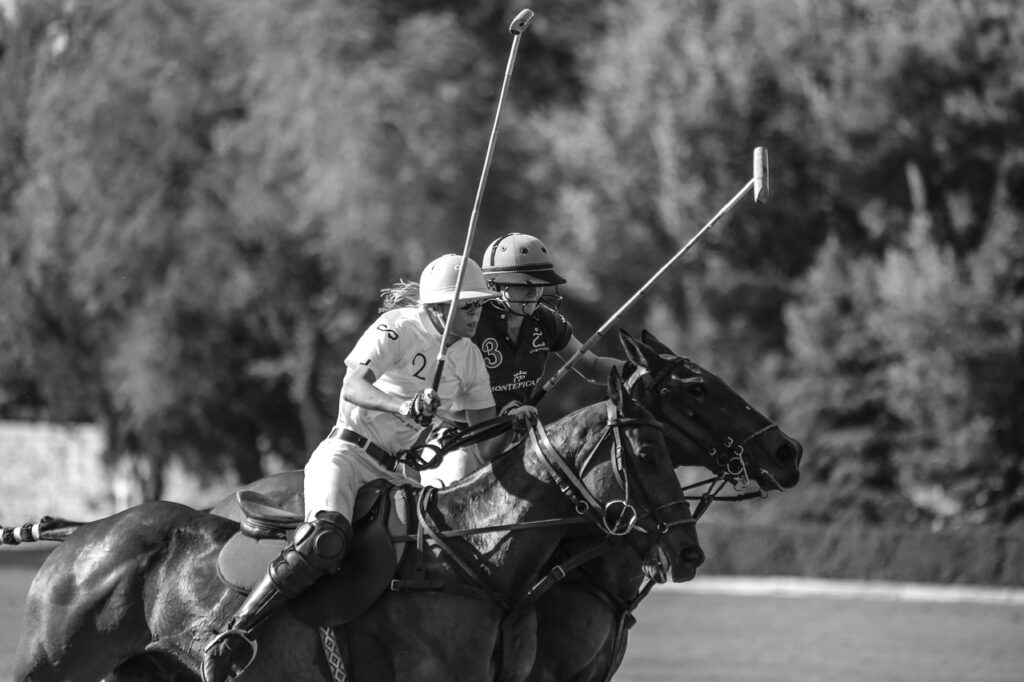
The story begins in the 19th century, as British officers stationed in India helped popularize polo among Westerners. British cavalry units were particularly enthusiastic about the game, seeing it as excellent training for battle — requiring coordination, speed, and sharp reflexes on horseback. As the British Empire extended its influence, so too did the popularity of polo.
Polo officially arrived in the United States in the 1870s, largely thanks to a man named James Gordon Bennett Jr., a wealthy publisher of the New York Herald. During a trip to England in 1876, Bennett witnessed a polo match and immediately fell in love with the sport. He brought equipment back to America and introduced it to his friends.
Later that year, the first recorded polo match in the United States took place in New York. Bennett and a group of fellow enthusiasts organized a match at the Jerome Park Racetrack in Westchester County (now part of the Bronx). The game quickly caught the attention of America’s wealthy elite, who embraced it as a symbol of sophistication and prestige.
Polo clubs began springing up across the country. In 1876, the Westchester Polo Club — America’s first formal polo club — was established. It set the standard for American polo and helped organize matches and tournaments that further fueled the sport’s popularity.
Throughout the late 19th and early 20th centuries, polo grew rapidly, especially among the East Coast’s upper classes. It soon expanded to other areas like Florida, California, and Texas, where warmer climates allowed for year-round play. International matches between American and British teams became a source of national pride, with the U.S. claiming notable victories in the prestigious Westchester Cup competitions in the early 1900s.
Today, polo in the United States is still associated with elegance and tradition, but it has also become more accessible. Clubs and tournaments can be found in many states, and efforts to open the sport to wider audiences continue to grow.
From an ancient battlefield training exercise to a favorite pastime of American elites, polo’s journey to the U.S. is a testament to the enduring appeal of this thrilling sport.

As a dedicated writer and martial art enthusiast, I have carved a unique niche where the pen and the sword truly coexist. With over a decade of experience, my journey has been one of constant evolution, blending the discipline and focus of martial arts with the creativity and depth of writing. My work spans various genres, including fiction, self-help, and martial arts instruction, offering readers insights not just into the arts themselves, but into the life lessons they embody.