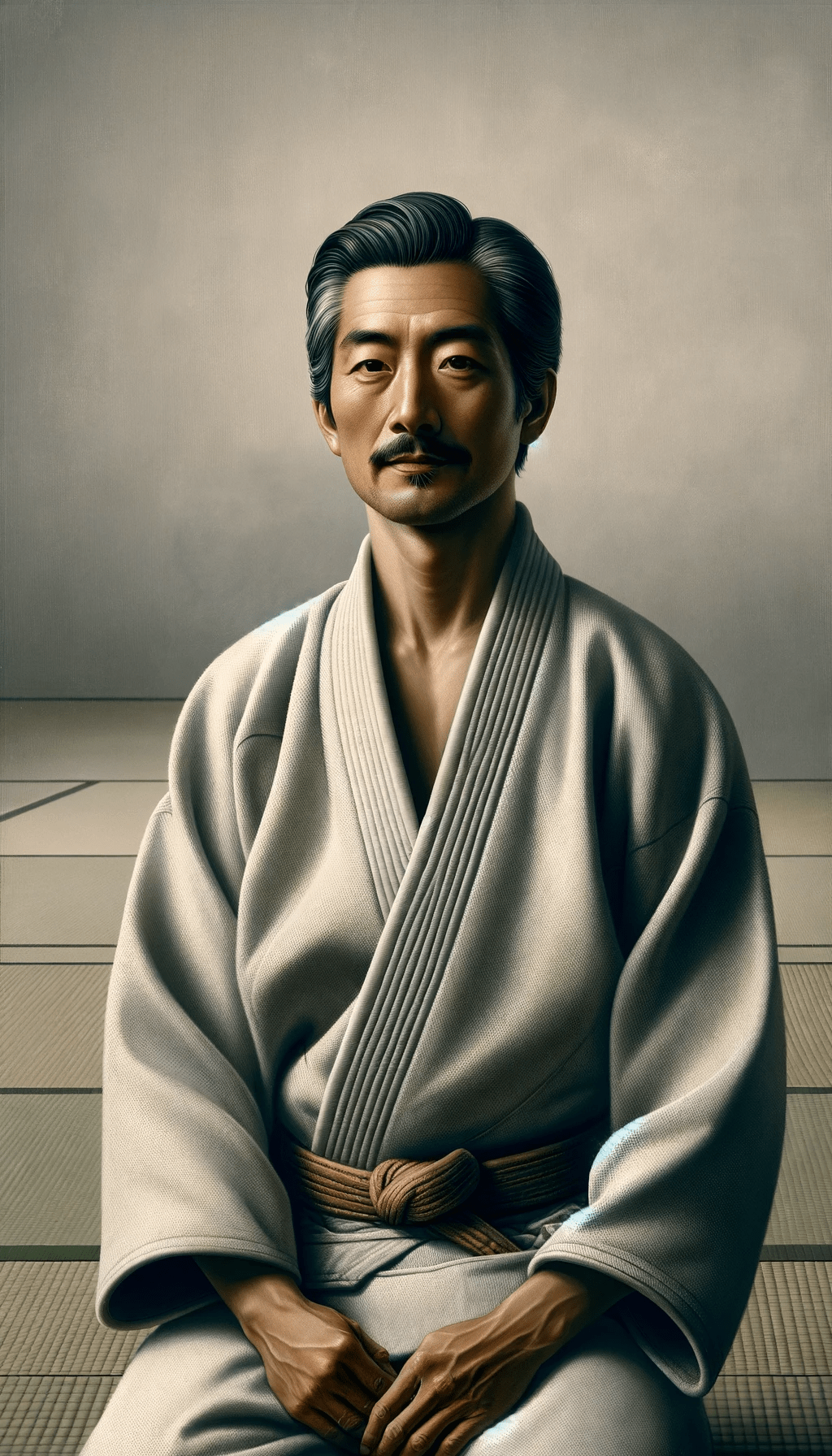
Judoka are categorized according to their skill, knowledge and (for later dan grades) contribution to the art form. Their rank is indicated by the color of their belt.
White
White belts represent purity and represent the first steps on one’s journey in judo. At NOCO Jiu-Jitsu and Self-Defense, students earn white belts as they embark upon their judo training to build up skills and knowledge essential to successful judo practice.
Jigoro Kano introduced the first martial arts belt grading system, known as Kyu and Dan. There are six Kyu ranks before promotion to first-degree black belt status is possible; Mikonosuke Kawaishi later introduced colored belt rank systems after moving from Japan to France to teach Judo; these systems have since been adopted by numerous other martial arts styles.
Jigoro Kano, the creator of judo, established colored belts to assist his students in tracking their progress and has since adopted this system into other martial arts disciplines such as karate and taekwondo.
Yellow

At the yellow belt level, students begin to expand upon their experience and skills. A yellow belt symbolizes sunlight; its meaning being that students grow as they acquire knowledge and strengthen themselves over time. It is widely used across judo, karate and taekwondo disciplines.
Mikinosuke Kawaishi, a Judo master who immigrated to France, is widely recognized for pioneering the introduction of colored belts for Judo. His aim was to give students immediate recognition of their progress and skills – ultimately encouraging patience and focus as they journeyed toward black belt. Kyu levels are sanctioned by their teacher based on technical criteria such as results or participation in various events as well as behavior (related to moral codes of martial arts). Each color represents different stages in learning and development.
Orange
Attaining an orange belt represents significant progress and proficiency in Judo. Students begin exploring randori, an open form of free sparring where practitioners put their techniques through rigorous tests in an unscripted setting.
At this stage, students will begin to reap the rewards of proper body mechanics as their throws and grips improve. Instructors may introduce some of Jigoro Kano’s philosophy – such as discipline and humility. A solid orange belt represents intermediate expertise; one step up from yellow.
Green
Green belt represents the growth and dissemination of knowledge as you continue studying and training hard. Achievement in Judo shows dedication and progress.
At this stage, students should feel increasingly secure with themselves and are becoming comfortable taking ukemi (falling techniques). Furthermore, they will begin developing their own style of judo using some of what they’ve learned so far; at this point they are considered “judoka”, with potential to move onto higher Dan ranks should they so desire.
Brown
As they advance towards becoming full-fledged judokas, students earning their 3rd Kyu brown belt make significant strides toward becoming masterful practitioners. Their commitment has allowed them to understand over half of judo techniques. Brown symbolizes growth; just as students themselves blossom into something greater.
At NOCO Jiu-Jitsu and Self-Defense, students experience more than just skill acquisition as they progress through the belt ranks; rather, their journey also marks personal transformation. Students embrace and embody the values and principles of judo while moving through each belt rank – although it may be hard work!!
Red
Jigoro Kano, the creator of judo, created colored belts to signify different levels of proficiency. At first, he used two colors – white for beginners and black for teachers/masters.
Nowadays, the ranking system for colored belts is determined by a combination of technical criteria, results or participation in judo events or competitions, scrupulous respect of moral code rules, sufficient practice investment, as well as investment by instructors during an official exam organized within clubs. A rank is awarded after successful passing of such exams by their teachers.
Beginning with white belts, which symbolize learning and skill acquisition, progressing through brown to black (representing expertise). Achieve this milestone is truly inspiring and represents an impressive milestone in one’s judo life.

My passion for martial arts goes beyond practice; it is a philosophy that shapes my writing, bringing a distinctive edge to my narratives and advice. I hold black belts in two martial arts disciplines and have competed internationally, experiences that enrich my storytelling with authenticity and excitement.