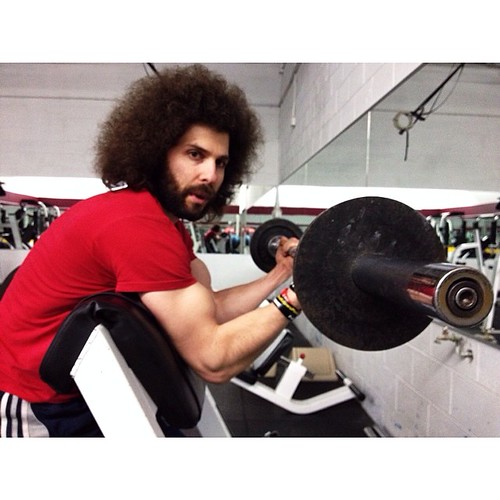
Are you passionate about fitness and helping others achieve their health goals? If so, becoming a fitness instructor may be the perfect career path for you.
We explore what it takes to become a fitness instructor, including the qualifications and certifications required. We will also discuss the responsibilities of a fitness instructor, the different types of instructors you can become, and the benefits and challenges of this rewarding profession.
If you are interested in leading group exercise classes or working one-on-one as a personal trainer, this article will provide valuable insights into the world of fitness instruction.
Key Takeaways:
- Obtain necessary certifications and skills to become a successful fitness instructor.
- Take on responsibilities such as creating programs, providing feedback, ensuring safety, and motivating clients.
- Enjoy the benefits of a flexible schedule, opportunities for growth, and making a positive impact on others while facing challenges such as physical demands and competition.
What is a Fitness Instructor?
Along with creating tailored workout plans, Fitness Instructors also serve as motivators and sources of encouragement for their clients, helping them stay committed and focused on their fitness journey. With certifications like ACE (American Council on Exercise), Fitness Instructors demonstrate a strong foundation in exercise science, anatomy, and fitness assessments.
The ability to effectively communicate, motivate, and connect with clients is crucial in the fitness industry. Adaptability and patience are key qualities that help Fitness Instructors personalize workouts and ensure clients stay engaged and challenged.
What are the Qualifications to become a Fitness Instructor?
To become a Fitness Instructor, individuals must meet specific qualifications and undergo training to acquire the necessary skills and knowledge. Pursuing certifications such as the ACE certification or completing fitness programs through reputable institutions like Coursera or university courses can enhance one’s expertise in the field.
What Certifications are Required?
Certifications are essential for Fitness Instructors to demonstrate their proficiency and expertise in the field. The American Council on Exercise (ACE) certification is widely recognized and respected in the fitness industry, ensuring that instructors have the necessary knowledge and skills to lead group fitness classes and provide personalized training sessions.
Obtaining the ACE certification involves a rigorous process that includes studying various aspects of fitness, from anatomy and physiology to exercise programming and nutrition. To become ACE certified, fitness instructors must pass a comprehensive examination that tests their understanding of these critical areas. Accreditation from organizations like the National Commission for Certifying Agencies (NCCA) further enhances the credibility and validity of the certification, showcasing that the standards meet the highest levels of quality and professionalism in the industry.
What Skills are Necessary?
Fitness Instructors require a diverse set of skills to effectively engage with clients, lead group fitness classes, and create impactful exercise programs. Strong communication abilities, motivation techniques, and knowledge of various exercise modalities such as yoga are crucial for instructors to cater to the diverse needs of their clients.
Client interaction is a key aspect as instructors must establish trust, understand individual goals, and provide personalized guidance. Moreover, creating engaging and meaningful content for classes and training sessions is vital to keep clients motivated and committed to their fitness journeys.
What are the Responsibilities of a Fitness Instructor?
Fitness Instructors have multifaceted responsibilities geared towards creating a safe and engaging environment for their clients. They design and lead exercise programs, provide personalized instruction and feedback, ensure safety and proper form during workouts, and motivate clients to achieve their fitness goals.
Creating and Leading Exercise Programs

One of the key responsibilities of a Fitness Instructor is to design and lead effective exercise programs tailored to the needs and fitness levels of their clients. These programs encompass a variety of exercises aimed at improving overall health, strength, flexibility, and cardiovascular endurance.
To create personalized exercise programs, a Fitness Instructor typically begins by conducting a thorough client assessment, including evaluating their current fitness level, any medical conditions, past injuries, and specific goals. Based on this assessment, the instructor works closely with the client to set achievable and realistic fitness goals.
Program customization is a crucial step where the fitness professional selects appropriate exercises, training methodologies, and intensity levels tailored to the individual’s needs. This may involve incorporating elements of resistance training, cardio exercises, flexibility work, and even recommendations for attending group fitness classes to keep the routine engaging.
Providing Instruction and Feedback
Fitness Instructors offer detailed instructions on proper exercise techniques and provide constructive feedback to clients to help them improve their form and performance. Effective communication skills are paramount in delivering clear and concise instructions that ensure clients’ safety and progress.
Accurate instruction and feedback play a crucial role in client engagement and skill development. By understanding and responding to client feedback, Fitness Instructors can tailor training methodologies to meet individual needs and goals effectively.
Communication strategies, such as active listening and clear explanations, enhance the client-trainer relationship, leading to improved trust and motivation. Providing specific and timely feedback helps clients track their progress and adjust their training routines accordingly, fostering continuous improvement.
Ensuring Safety and Proper Form
Safety is a top priority for Fitness Instructors, who must ensure that clients exercise with proper form to prevent injuries and maximize benefits. By monitoring participants, correcting posture, and offering modifications, instructors create a safe workout environment that promotes overall well-being.
Implementing safety measures goes beyond just physical well-being; it also fosters trust and confidence between clients and instructors. Correcting form not only reduces the risk of injury but also ensures that clients are targeting the right muscles and achieving their fitness goals effectively. Fitness professionals play a crucial role in educating clients about the importance of proper form and safety precautions during exercise routines. By prioritizing safety and form correction, instructors demonstrate a commitment to client care and overall health and wellness.
Motivating and Encouraging Clients
Fitness Instructors play a vital role in motivating and encouraging clients to stay committed to their fitness journey and achieve their workout goals. By providing positive reinforcement, setting achievable milestones, and fostering a supportive environment, instructors give the power to clients to push their limits and make progress.
Understanding the unique needs and abilities of each client, instructors personalize their approach, tailoring workouts and strategies to suit individual goals. Celebrating small victories along the way helps create a sense of accomplishment and fuels motivation to tackle bigger challenges. Creating a positive and inclusive atmosphere in classes enables clients to feel supported and comfortable, encouraging them to step out of their comfort zones. By instilling a sense of belief in their clients’ capabilities, instructors inspire them to reach new heights in their fitness journey.
What are the Different Types of Fitness Instructors?
Fitness Instructors encompass a diverse range of specialties, including Group Exercise Instructors, Personal Trainers, Aqua Fitness Instructors, and Pilates and Yoga Instructors. Each type offers unique training methods and expertise to cater to various fitness preferences and goals.
Group Exercise Instructors

Group Exercise Instructors lead fitness classes involving multiple participants, guiding them through various workout routines and providing motivation throughout the session. These instructors create a dynamic and engaging atmosphere that encourages group interaction and fosters a sense of community among participants.
Along with leading workout routines, Group Exercise Instructors play a crucial role in monitoring participants’ form and technique, ensuring a safe and effective workout for all. Utilizing a mix of verbal cues and non-verbal communication, they keep the class energized and motivated. By incorporating a variety of exercises and modifications, they cater to different fitness levels and goals within the group, making the class inclusive and accommodating. Their ability to read the room and adjust the intensity and pace of the class on the fly contributes to a positive experience for all participants.
Personal Trainers
Personal Trainers provide individualized training sessions and tailored workout plans to help clients achieve specific fitness goals.
These instructors offer personalized attention, guidance, and support to optimize their clients’ workout routines and progress towards improved health and wellness.
Understanding the unique needs and abilities of each client is essential for Personal Trainers to create effective exercise programs.
By conducting thorough assessments and goal-setting sessions, they can develop customized training programs that address strengths, weaknesses, and preferences.
This personalized approach not only helps in enhancing physical fitness but also ensures clients stay motivated and committed to their fitness journeys.
Aqua Fitness Instructors
Aqua Fitness Instructors conduct water-based fitness classes that provide low-impact yet effective workout sessions for clients of various fitness levels. These instructors utilize the resistance of water to enhance strength training and cardiovascular exercises while ensuring a fun and engaging fitness experience.
By incorporating a variety of exercises like water aerobics, water jogging, and resistance moves, Aqua Fitness Instructors cater to the diverse needs and goals of participants. The buoyancy of water reduces the impact on joints, making it an ideal choice for those with arthritis or recovering from injuries. Along with improving flexibility and balance, these specialized fitness professionals focus on proper technique and form to maximize the benefits of each movement.
Pilates and Yoga Instructors
Pilates and Yoga Instructors specialize in teaching mind-body fitness practices that focus on flexibility, balance, and core strength. These instructors guide clients through various poses, movements, and breathing techniques to enhance physical wellness, relieve stress, and promote overall health.
Leading these exercises, Pilates and Yoga Instructors play a pivotal role in helping individuals achieve a harmonious balance of physical fitness and mental well-being. By emphasizing the importance of mindfulness, breathing awareness, and proper alignment, they facilitate a deeper connection between the body and mind, fostering a holistic approach to wellness. Through tailored sessions and personalized guidance, these instructors give the power to clients to not only strengthen their bodies but also cultivate mental focus and emotional resilience.
What are the Benefits of Becoming a Fitness Instructor?
Becoming a Fitness Instructor offers numerous advantages, including a flexible schedule that allows for work-life balance, opportunities for career advancement through specialized certifications, and the rewarding experience of making a positive impact on the health and well-being of others.
Flexible Schedule

One of the key benefits of being a Fitness Instructor is the flexibility in scheduling classes and training sessions. Instructors can tailor their work hours to accommodate personal commitments, maintain a healthy work-life balance, and cater to the availability and preferences of their clients.
Having the ability to adjust one’s schedule not only allows Fitness Instructors to allocate time for self-care and family responsibilities but also facilitates a more balanced and fulfilling lifestyle.
This personalized approach contributes to client engagement and satisfaction as trainers can adapt their availability to match peak workout times for clients or those with busy schedules.
Professional autonomy enables instructors to design innovative classes, experiment with new teaching methods, and continuously develop their skills to provide high-quality services.
Opportunities for Advancement
Fitness Instructors have diverse opportunities for career advancement by acquiring specialized certifications, honing their training skills, and pursuing continuing education in fitness-related fields.
By investing in advanced certifications such as ACE Personal Trainer, NASM Corrective Exercise Specialist, or Group Fitness Instructor, individuals in this field can enhance their expertise and marketability.
Continual skills development not only bolsters their effectiveness as trainers but also propels them towards lucrative avenues such as fitness management positions or consultancy roles.
Engaging in constant education through workshops, seminars, or enrolling in degree programs in Exercise Science or Nutrition can set them apart in this competitive industry.
Positive Impact on Others
By guiding clients towards improved health, fitness, and overall well-being, Fitness Instructors have the privilege of making a positive impact on the lives of others. Motivating individuals to lead healthier lifestyles and witnessing their progress can be incredibly rewarding for both the instructor and the clients.
Being an essential source of support and encouragement, Fitness Instructors play a crucial role in helping clients achieve their health and wellness goals. They provide personalized guidance, create tailored workout plans, and offer nutritional advice to give the power to individuals in their journey towards better health. The bond formed between an instructor and their clients often extends beyond the gym, fostering a sense of community and friendship that enhances motivation and accountability. Through their expertise and dedication, Fitness Instructors inspire positive transformations and contribute significantly to the overall well-being of those they guide.
What are the Challenges of Being a Fitness Instructor?
Despite its many rewards, being a Fitness Instructor comes with its share of challenges. These challenges include the physical demands of constant movement and demonstrations, managing client cancellations and no-shows, and navigating the competitive landscape within the fitness industry.
Physical Demands
The role of a Fitness Instructor involves significant physical demands, including constant movement, active participation in exercise demonstrations, and the need to maintain high energy levels throughout classes. This level of physical activity can be strenuous and requires instructors to prioritize their own health and well-being.
Stamina and endurance are integral qualities for a Fitness Instructor to possess, enabling them to lead classes effectively while performing demanding physical activities. Instructors often face challenges such as muscle fatigue, soreness, and the risk of injury due to the repetitive nature of their work.
Self-care practices are crucial for managing these physical demands, including proper rest, hydration, and nutrition. By maintaining a balance between intense workouts and adequate recovery, fitness instructors can sustain their performance levels and promote their overall health and longevity in the profession.
Client Cancellations and No-Shows
Dealing with client cancellations and no-shows can be a common challenge for Fitness Instructors, as it disrupts class schedules and affects session planning. Effective communication strategies, clear cancellation policies, and client engagement initiatives are essential to manage and minimize these instances.
One effective approach to address client cancellations is to establish a straightforward booking system that includes reminders and confirmations to reduce the likelihood of no-shows. Fitness Instructors can create a waitlist system to fill vacant spots promptly, thus optimizing class attendance and avoiding revenue loss. Maintaining open lines of communication with clients through personalized follow-ups can also help foster a sense of accountability and commitment, encouraging clients to uphold their scheduled sessions.
Competition in the Industry
The fitness industry is highly competitive, with numerous instructors vying for clients and market share. To stand out in this competitive landscape, Fitness Instructors need to differentiate themselves through unique training methods, specialized skills, and exceptional customer service to attract and retain a loyal client base.
Skills diversification is crucial for Fitness Instructors to cater to a wide range of client needs and preferences. By becoming proficient in various fitness disciplines such as yoga, HIIT, strength training, or dance fitness, instructors can appeal to a broader audience and offer versatile workout options.
Implementing effective marketing strategies is essential to reach potential clients. Utilizing social media platforms, creating engaging content, partnering with local businesses, and offering promotions can help instructors increase visibility and attract new clients.
To ensure client retention, instructors should focus on building strong relationships, providing personalized attention, and delivering results. By offering incentives, creating a supportive community, and continuously improving their skills, instructors can cultivate long-lasting client loyalty.
Frequently Asked Questions
What are the requirements to become a fitness instructor?
To become a fitness instructor, you should have a high school diploma or equivalent. You also need to have a valid CPR certification and a recognized group fitness instructor certification from an accredited organization.
How do I find the right fitness instructor certification program?
When looking for a fitness instructor certification program, make sure to research the organization’s accreditation and reputation. Look for reviews and ask other fitness professionals for recommendations. Additionally, consider the program’s cost, curriculum, and practical experience requirements.
Is experience required to become a fitness instructor?
While experience is not necessarily required, it can be beneficial to have some background in fitness or related fields. Many gyms and fitness studios prefer instructors with some experience, but there are also entry-level positions available for those just starting out.
Can I specialize in a specific type of fitness as a fitness instructor?
Yes, you can specialize in a specific type of fitness as a fitness instructor. Many certification programs offer specialty courses in areas such as yoga, Pilates, kickboxing, or group cycling. Having a specialization can make you more marketable and allow you to teach a variety of classes.
How important is continuing education for fitness instructors?
Continuing education is essential for fitness instructors to stay up-to-date on the latest fitness trends and techniques. It also shows dedication to the profession and can lead to opportunities for advancement or higher-paying positions.
What qualities make a successful fitness instructor?
A successful fitness instructor should have excellent communication skills, be knowledgeable in fitness and health, have a positive attitude, and be able to motivate and inspire others. They should also have good time management skills and be able to adapt to different personalities and fitness levels.

As a dedicated writer and martial art enthusiast, I have carved a unique niche where the pen and the sword truly coexist. With over a decade of experience, my journey has been one of constant evolution, blending the discipline and focus of martial arts with the creativity and depth of writing. My work spans various genres, including fiction, self-help, and martial arts instruction, offering readers insights not just into the arts themselves, but into the life lessons they embody.