Blog

  • Some Alternatives to Using a Rowing Machine

    Some Alternatives to Using a Rowing Machine

    Are you looking to switch up your workout routine but unsure of the best alternative to a rowing machine?

    We will explore the benefits of using a rowing machine, including its low impact on joints and ability to provide a full-body workout.

    Comparing rowing machines to alternatives such as elliptical machines, stationary bikes, and resistance bands will help you determine which option is right for you.

    Learn how to effectively incorporate these alternatives into your workout routine.

    What is a Rowing Machine?

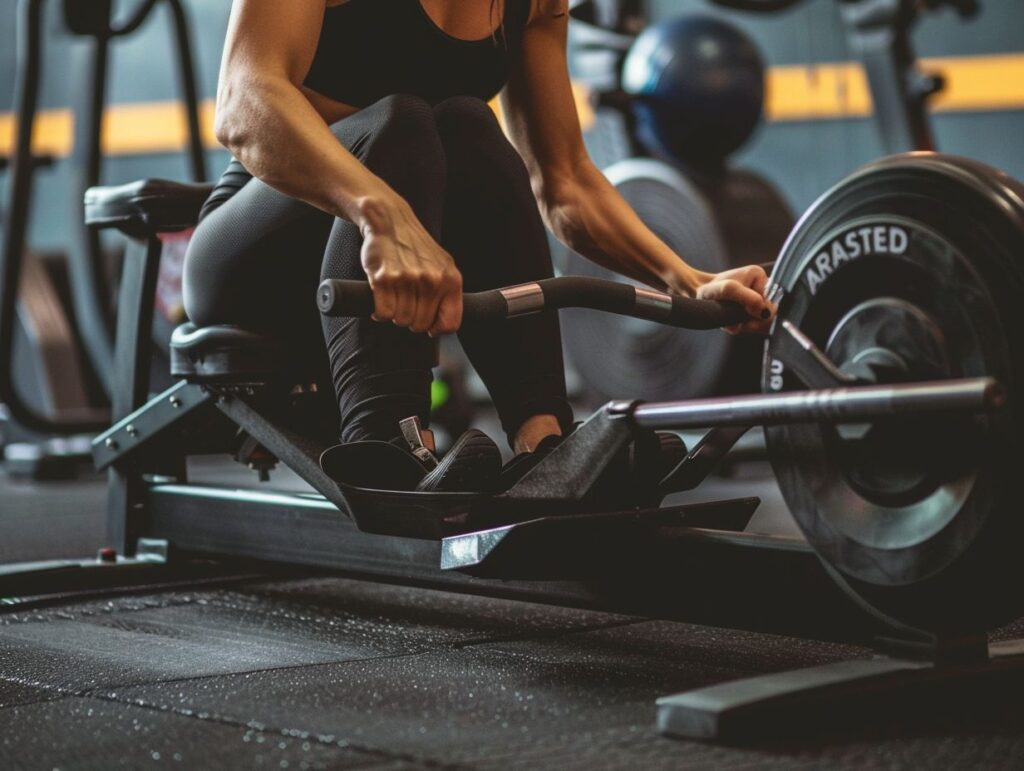
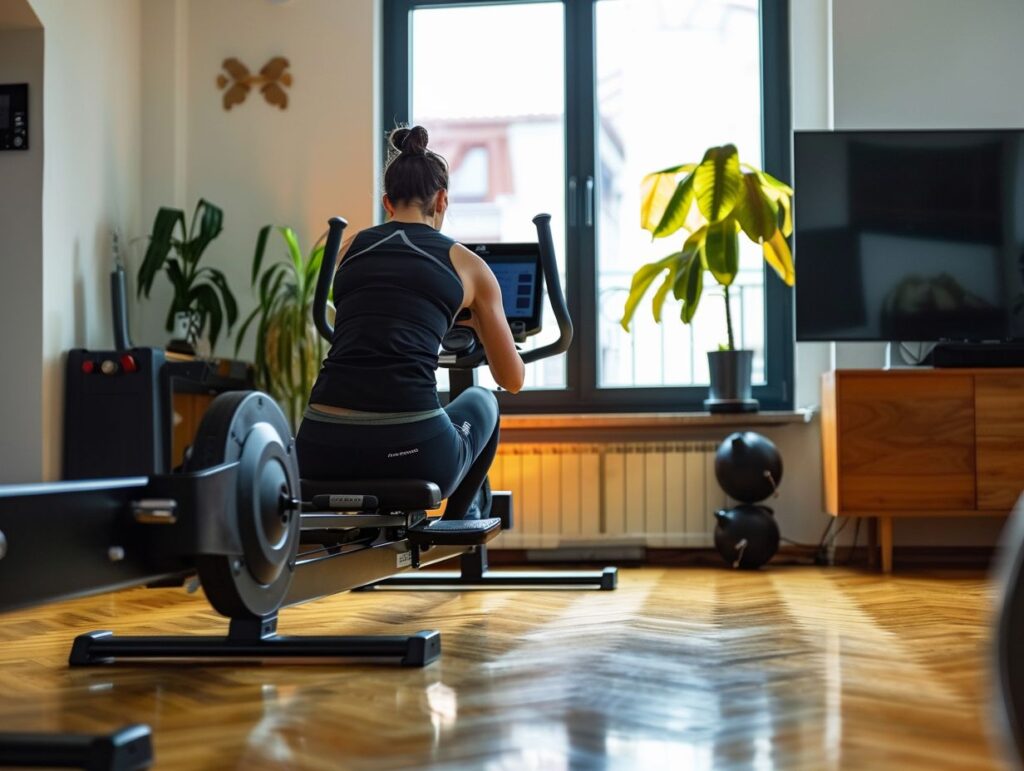
    A rowing machine, also known as an indoor rower, is a piece of exercise equipment designed to simulate the rowing motion on water. It provides users with a full-body workout that engages multiple muscle groups and offers a low-impact cardio exercise option for home workouts. These fitness machines come in compact sizes, some with foldable and portable designs, making them ideal for home gym setups.

    Their compactness allows users to easily store them in smaller spaces when not in use, ensuring convenience for those with limited room.

    The portability factor of these machines enables individuals to move them around the house or take them outdoors for a change of scenery during workouts.

    Their affordability compared to other home gym equipment options makes them a cost-effective choice for those looking to invest in versatile fitness equipment that targets various muscle groups.

    Why Use a Rowing Machine?

    Using a rowing machine offers numerous benefits that cater to various fitness goals. It provides a complete full-body workout that targets different muscle groups while improving cardiovascular health and endurance. The compact design of rowing machines makes them suitable for home exercise routines, allowing users to focus on muscle toning and proper rowing techniques.

    Regular use of a rowing machine can lead to enhanced muscle toning, especially in the arms, legs, back, and core. The resistance levels can be adjusted to challenge users at different fitness levels and help build strength effectively. Engaging in rowing exercises also promotes proper posture and coordination, which are essential for overall physical well-being. By mastering correct rowing techniques, individuals can prevent strain and injury while maximizing the benefits of this low-impact form of exercise.

    What are the Benefits of Using a Rowing Machine?

    Rowing machines offer a range of benefits, including effective cardio workouts, resistance training through adjustable resistance bands, and the opportunity for a full-body workout routine. Users can enjoy workout variety, burn calories, tone muscles, and achieve fitness results while experiencing the convenience and satisfaction of home exercise.

    Incorporating a rowing machine into your fitness regimen can significantly improve your cardiovascular health by boosting your heart rate and increasing lung capacity. The rhythmic motion of rowing engages multiple muscle groups simultaneously, aiding in comprehensive muscle toning and strengthening. Rowing is a low-impact exercise, making it gentle on the joints while still providing a high-intensity workout. The adjustable resistance levels allow for customizable challenges to suit individual fitness levels, ensuring continual progress and performance enhancement over time.

    Low Impact Exercise

    One of the key benefits of a rowing machine is that it provides a low-impact exercise option suitable for individuals of varying fitness levels. The rowing motion promotes proper form and technique, leading to positive exercise benefits and gradual fitness improvement over time.

    Rowing machines offer a full-body workout that engages multiple muscle groups such as the legs, core, back, and arms. By maintaining proper rowing form, users can minimize strain on their joints and reduce the risk of injury, making it an ideal choice for those with joint issues.

    Consistency in using a rowing machine can lead to increased cardiovascular fitness, improved endurance, and enhanced strength. The long-term benefits include weight loss, muscle toning, and overall improvement in physical well-being.

    Full Body Workout

    Rowing machines excel at providing a full-body workout by engaging various muscle groups simultaneously. The incorporation of resistance bands allows users to adjust workout intensity, ensuring optimal muscle engagement and promoting a total-body aerobic exercise experience.

    The rowing motion on the machine primarily targets muscles in the upper back, shoulders, arms, and core, creating a comprehensive workout.

    By adding resistance bands to the routine, individuals can further challenge themselves and activate different muscle groups.

    For example, attaching bands to the footrests can intensify the leg workout, targeting quadriceps, hamstrings, and calves.

    This dynamic combination of rowing and resistance bands not only strengthens muscles but also enhances cardiovascular endurance, making it an effective choice for a diverse range of fitness goals.

    Cardiovascular Health

    Rowing machines contribute significantly to cardiovascular health by providing an effective aerobic exercise option. Regular rowing workouts enhance endurance, support high-intensity interval training (HIIT) sessions, and improve stamina, making rowing machines an integral part of a balanced fitness regimen.

    Rowing engages multiple muscle groups, such as the legs, back, and core, leading to a full-body workout that not only boosts cardiovascular fitness but also strengthens and tones muscles.

    The rhythmic nature of rowing promotes consistent cardiovascular benefits, aiding in weight management and overall health. Incorporating rowing into HIIT sessions can elevate the intensity of the workout, increasing calorie burn and improving both aerobic capacity and anaerobic performance.

    The low-impact nature of rowing makes it suitable for individuals of all fitness levels, offering a joint-friendly yet challenging exercise option.

    Strengthens Muscles

    Rowing machines are effective in strengthening muscles throughout the body, promoting cross-training benefits by engaging various muscle groups simultaneously. The incorporation of fitness bands can further enhance strength training opportunities, providing users with diverse workout challenges for muscle toning and overall fitness improvement.

    By using rowing machines, individuals can target major muscle groups such as the legs, back, arms, and core in a single, fluid motion. This comprehensive workout engages both the upper and lower body, making it a time-efficient choice for those looking to maximize their training sessions. By incorporating fitness bands into the routine, users can add resistance to their movements, intensifying the workout and leading to increased muscle activation and toning.

    What are Some Alternatives to a Rowing Machine?

    While rowing machines offer a versatile workout experience, there are several alternatives available for individuals with different exercise preferences and fitness goals. These alternatives provide varied exercise options to cater to diverse body compositions and enhance workout variety for improved fitness results.

    • Cycling, whether on stationary bikes or outdoors, can be a great alternative that not only works various muscle groups but also provides cardiovascular benefits.
    • For those looking for a low-impact option, swimming serves as an excellent alternative that engages the entire body while being gentle on the joints.
    • Strength training through free weights or resistance bands is another valuable option to build muscle mass and improve overall strength.
    • Pilates and yoga can also be effective alternatives, focusing on flexibility, core strength, and mind-body connection.

    Elliptical Machine

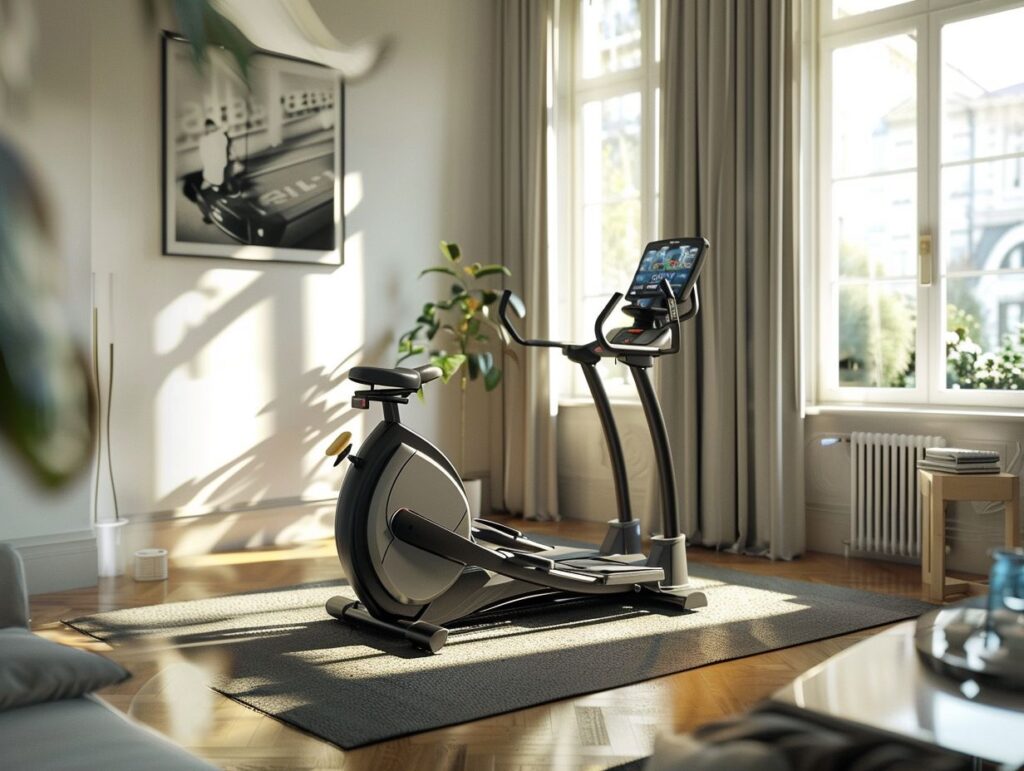
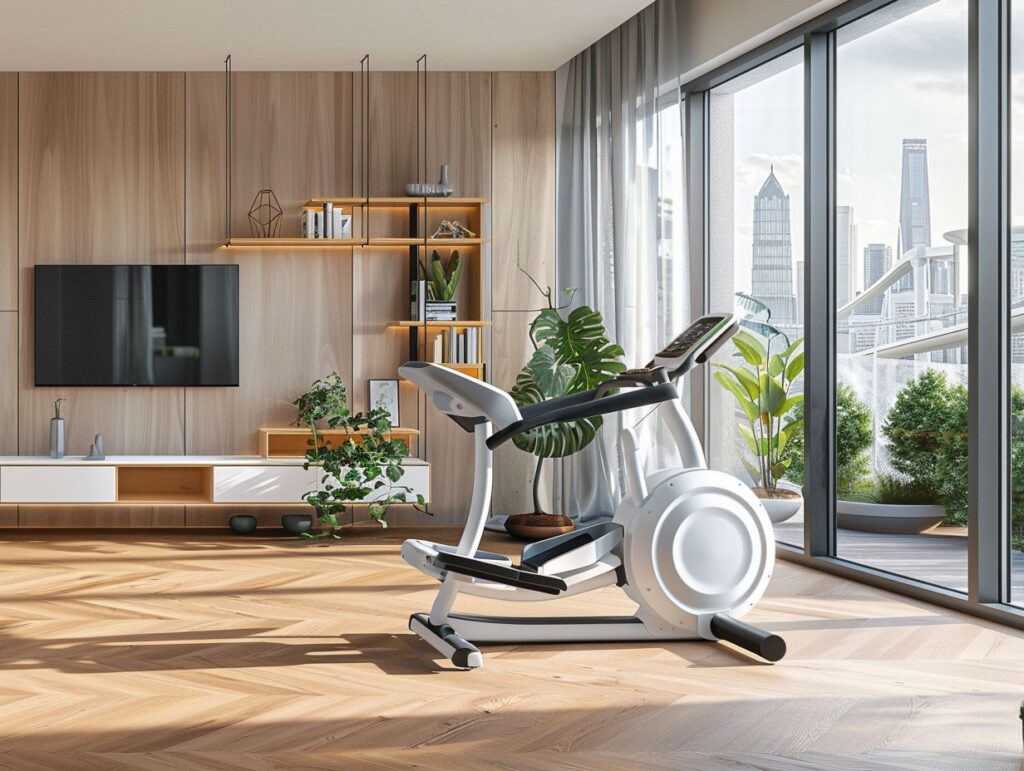
    An elliptical machine serves as a popular alternative to rowing machines, offering low-impact cardio workouts with customizable workout intensity levels. Its design promotes muscle engagement and workout versatility, making it an effective option for individuals seeking a diverse exercise experience.

    The elliptical’s smooth gliding motion reduces stress on joints, ideal for those with joint issues or recovering from injuries. Users can easily adjust resistance levels to tailor workouts to their fitness levels, whether they aim for a challenging HIIT session or a steady-state cardio routine. This machine also targets multiple muscle groups simultaneously, including the legs, glutes, arms, and core, providing a full-body workout. With various pre-programmed workout routines and the ability to track progress, elliptical machines offer a comprehensive fitness solution for both beginners and seasoned exercisers.

    Stationary Bike

    A stationary bike offers a convenient alternative to rowing machines, providing an effective home workout solution with resistance band options for muscle toning. Its compact design and suitability for various workout routines make it a versatile exercise equipment choice for individuals prioritizing cardio and lower body workouts.

    The stationary bike’s versatility allows users to adjust resistance levels, simulating uphill climbs or flat terrains, providing an efficient and challenging workout experience. Its low-impact nature is gentle on joints, making it ideal for individuals of all fitness levels.

    The bike’s ability to target specific muscle groups in the legs, including quadriceps, hamstrings, and calves, aids in toning and strengthening muscles. Incorporating a stationary bike into your home workout routine can offer a convenient way to achieve your fitness goals while enjoying a dynamic cardiovascular workout.

    Treadmill

    Treadmills present a popular alternative to rowing machines, focusing on cardio workouts that promote calorie burn and offer diverse workout options for achieving fitness results. The continuous progress on a treadmill supports fitness advancements and enhances workout efficiency for users seeking comprehensive training experiences.

    The adjustable speed and incline features of treadmills allow users to tailor their workouts to specific fitness goals, whether it be endurance building, HIIT sessions, or interval training. This flexibility contributes to overall fitness progress and helps individuals track improvements over time.

    By engaging multiple muscle groups simultaneously, treadmills provide a full-body workout that not only boosts cardiovascular health but also strengthens muscles, leading to better overall fitness outcomes. The convenience of running indoors regardless of weather conditions makes treadmills a practical choice for consistent workout routines that yield visible results over time.

    Resistance Bands

    Incorporating resistance bands into workouts offers an alternative approach to traditional exercise equipment like rowing machines. These bands promote muscle toning, create workout challenges, and enhance exercise variety, motivating individuals to commit to their fitness routines and pursue their workout goals with renewed enthusiasm.

    The versatility of resistance bands allows for a wide range of exercises targeting various muscle groups, providing a full-body workout experience. Unlike rowing machines, resistance bands are compact and portable, making them ideal for home or travel workouts. The adjustable resistance levels of the bands cater to different fitness levels, allowing beginners and advanced users to customize their workouts accordingly. By incorporating resistance bands, individuals can add a dynamic element to their routines, keeping workouts engaging and effective.

    Swimming

    Swimming stands out as a compelling alternative to rowing machines, offering a full-body workout experience with minimal joint impact. It promotes cardiovascular health, muscle toning, and endurance through its low-impact nature, making it an excellent choice for individuals seeking a comprehensive aquatic exercise option.

    Swimming engages multiple muscle groups simultaneously, helping to improve strength and flexibility while burning calories efficiently. Unlike rowing machines, which mainly focus on the upper body, swimming involves the entire body, including arms, legs, core, and back, resulting in a more balanced workout. The resistance provided by water makes every stroke a resistance training exercise, enhancing muscle development. The rhythmic breathing required in swimming contributes to better lung capacity and overall respiratory fitness.

    Outdoor Rowing

    Engaging in outdoor rowing serves as a natural alternative to indoor rowing machines, allowing fitness enthusiasts to experience the benefits of rowing in a refreshing outdoor setting. This activity promotes workout satisfaction, contributes to a healthy lifestyle, and enhances workout enjoyment for individuals seeking outdoor exercise options.

    The diverse outdoor environments where rowing can take place add an element of excitement and adventure to the workout experience. Rowing through picturesque lakes or along scenic riverbanks not only provides a physical workout but also a mental rejuvenation that comes from being surrounded by nature. The fresh air and vitamin D from sunlight exposure during outdoor rowing sessions contribute to overall well-being and mood elevation, making it a holistic fitness activity.

    How Do These Alternatives Compare to a Rowing Machine?

    When comparing alternatives to rowing machines, factors such as impact on joints, targeted muscle groups, cardiovascular benefits, and exercise variety play a crucial role in determining the most suitable exercise equipment based on individual preferences and fitness objectives.

    For example, elliptical trainers are known for their low-impact nature, making them ideal for individuals with joint sensitivities, while also engaging the lower body muscles effectively.

    On the other hand, stationary bikes offer excellent cardiovascular benefits and target the leg muscles, providing a solid workout.

    Treadmills, although high-impact, provide versatility in terms of incline and speed adjustments, offering a wide range of exercise options to keep workouts engaging and challenging.

    Impact on Joints

    When evaluating the impact on joints, rowing machines are known for their low-impact nature, which is beneficial for individuals with joint health concerns. Other alternatives like using resistance bands offer similar low-impact benefits, ensuring exercise effectiveness without undue stress on joints.

    Rowing machines provide a full-body workout, engaging muscles from the legs, core, arms, and back, all while maintaining proper alignment and minimizing strain on joints. This makes them a versatile exercise option for those looking to strengthen muscles and improve cardiovascular health without risking joint discomfort.

    Similarly, resistance bands can be used to target specific muscle groups, helping to build strength and flexibility with controlled movements that are gentle on joints. By incorporating these low-impact exercise options into a fitness routine, individuals can work towards overall joint health and physical well-being.

    Muscle Groups Targeted

    Different exercise alternatives target varying muscle groups, with rowing machines offering a total-body workout that engages multiple muscles simultaneously. Understanding the specific muscle groups targeted by each option helps individuals tailor their exercise routines to achieve comprehensive muscle engagement and toning.

    Rowing machines are particularly effective in engaging the back, shoulders, arms, and legs, providing a well-rounded workout that promotes strength and endurance.

    On the other hand, alternative equipment like stationary bikes primarily focus on lower body muscles such as quadriceps, hamstrings, and calf muscles, making them ideal for toning and sculpting the legs.

    Meanwhile, elliptical trainers target the glutes, quadriceps, and calf muscles, offering a low-impact yet effective cardiovascular workout that also helps in toning the lower body.

    Each of these exercise options brings its own unique benefits in terms of muscle engagement and total-body conditioning.

    Cardiovascular Benefits

    When considering cardiovascular benefits, rowing machines excel in providing aerobic exercise that boosts stamina and supports overall fitness progress. Exploring alternative options and their impact on cardiovascular health helps individuals create effective workout regimens tailored to their endurance and fitness improvement goals.

    Whether you prefer to hop on a stationary bike, hit the trails for a run, or join a swimming class, varying your exercise routines can enhance your cardiovascular fitness. Aerobic exercises like cycling and running aid in increasing your heart rate, improving lung function, and burning calories, which are all crucial for maintaining a healthy heart. Mixing up your workouts not only prevents boredom but also challenges your body in different ways, contributing to better overall stamina and endurance development.

    Which Alternative is Right for You?

    Selecting the right exercise alternative depends on individual fitness preferences, goals, and the desire for workout challenges. Considering factors like fitness progress, exercise variety, and workout success can help individuals determine the most suitable option that aligns with their fitness journey and motivates them to achieve their fitness goals.

    For those who are just starting out on their fitness journey, it may be beneficial to begin with low-impact exercises such as walking, swimming, or yoga to build a strong foundation.

    As individuals progress and seek to challenge themselves further, incorporating strength training, HIIT workouts, or group fitness classes can provide the intensity and variety needed to keep pushing boundaries.

    Understanding one’s specific fitness goals, whether it’s weight loss, muscle gain, improved endurance, or overall well-being, can guide the choice of exercises that best serve those objectives.

    How to Incorporate These Alternatives into Your Workout Routine?

    Integrating alternative exercises into your workout routine enhances the overall effectiveness of your fitness regimen, providing a total-body workout experience that boosts workout efficiency and delivers tangible fitness results. Embracing a healthy lifestyle through exercise convenience enables individuals to stay committed to their fitness journey and achieve long-term fitness improvements.

    Incorporating diverse exercises not only challenges different muscle groups but also prevents workout plateaus. Mixing up cardio, strength training, and flexibility exercises promotes a well-rounded approach to fitness. Focusing on functional movements like squats, lunges, and core exercises enhances everyday movement patterns and increases overall strength and stability. By choosing activities that align with your preferences and goals, you’ll find enjoyment and motivation in your workouts, leading to sustained fitness progress and an improved sense of well-being.

    Frequently Asked Questions

    What are some alternatives to using a rowing machine?

    There are various alternatives to using a rowing machine, such as swimming, cycling, using an elliptical machine, or doing high-intensity interval training (HIIT) exercises.

    Can I get a full-body workout with rowing machine alternatives?

    Yes, many alternatives to rowing machines, such as swimming and HIIT exercises, provide a full-body workout by targeting multiple muscle groups.

    Are there low-impact rowing machine alternatives?

    Yes, low-impact rowing machine alternatives include using an elliptical machine, swimming, and doing low-impact HIIT exercises.

    Do I need special equipment for rowing machine alternatives?

    It depends on the alternative you choose. Some, like swimming and cycling, require specific equipment, while others, like HIIT exercises, can be done without any equipment.

    What are the benefits of using rowing machine alternatives?

    Rowing machine alternatives provide similar cardiovascular and strength-training benefits as a rowing machine, while also offering variety in your workout routine.

    Can I still train for rowing using alternatives to a rowing machine?

    Yes, many rowing machine alternatives, such as swimming and HIIT exercises, target the same muscles and movements used in rowing and can help improve your performance on the water.

  • Is 20 Minutes of Pilates a Day Enough?

    Is 20 Minutes of Pilates a Day Enough?

    No matter whether you subscribe to the Blue Zones fitness philosophy, want to fit exercise into your daily life or simply appreciate quick workout sessions, asking how much Pilates can change the body is a crucial question. With its low impact workout format and emphasis on strength training without lifting heavy weights or engaging in debilitating high intensity training regimens, Pilates provides an ideal way to strengthen without engaging in potentially debilitating high intensity training programs.

    Just 20 minutes per day

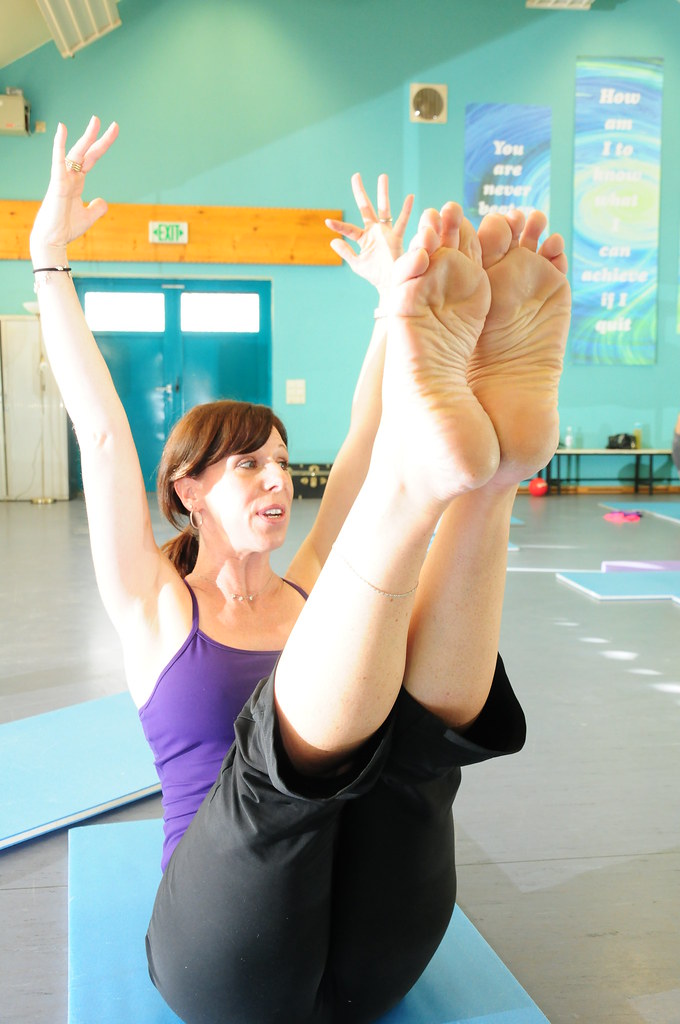
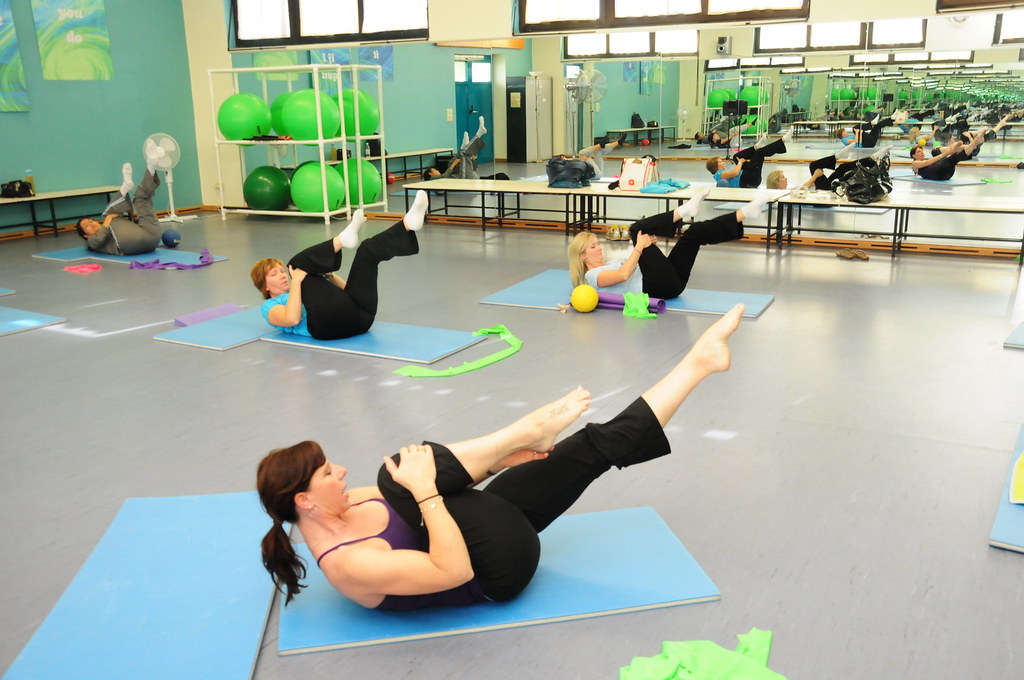
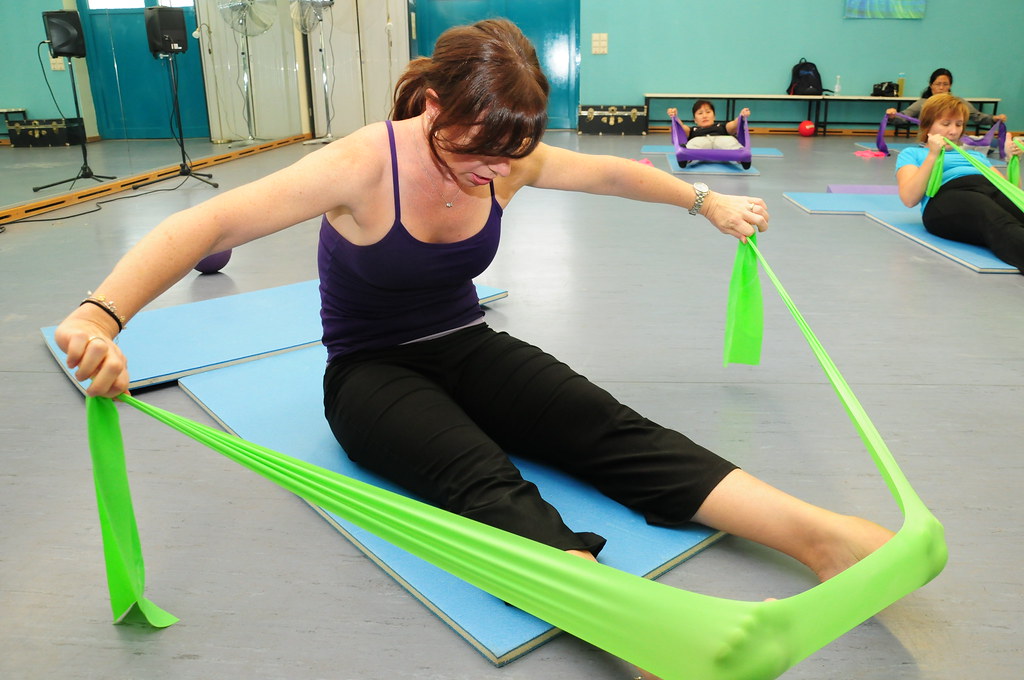
    Pilates Class at PHV Activity Center
    Pilates Class at PHV Activity Center

    Well, yes – 20 minutes of pilates per day will certainly produce results! While that might sound like too little time, that amount is enough for beginners to feel challenged while those with hectic lifestyles can squeeze some movement in daily. Additional tools such as Pilates rings, standalone cables for arms and dumbbells or ankle weights may add some additional difficulty but even without additional tools it provides a great core and full body workout on mat-based exercises.

    Pilates works on every core muscle group, so beginners will experience intense muscle burn throughout their upper back to inner thighs in only 20 minutes of Pilates practice. Advanced users can increase intensity by including single-leg isolation exercises, lunges & plies lunges table-top movements & Pilates ring work in their workout.

    Pilates practice offers both physiological and mental advantages. According to research at University of Limerick, regular practice of Pilates was found to improve sleep quality by relieving tension in your muscles through its mindfulness aspect; helping you focus on being present while decreasing stress.

    Other physiological advantages of Pilates include improving posture, which will make you look and feel better. By learning proper movement patterns for your spine to align properly over time, Pilates may even prevent injuries over time. Furthermore, Pilates has also been suggested as a solution for dysmenorrhea (painful menstrual periods), and in preventing osteoporosis by building muscle density.

    The Benefits with Mental Health

    Mental health benefits of Pilates should not be overlooked; in fact, they can be just as powerful. With practice comes the possibility of creating an unbreakable mind-body connection which will benefit all aspects of your life.

    Pilates may even help improve your digestive health! Studies have revealed how Pilates stimulates digestion in various ways, including increasing vital fluids and strengthening abdominal and pelvic floor muscles.

    Trying to incorporate Pilates into your routine? Look no further than our John Garey TV studio, where we offer a comprehensive library of 20-minute pilates workouts led by experts in the field. Our instructors are fun, precise, and knowledgeable – providing something suitable for beginners or experts alike in yoga, pilates, and reformer workouts.

  • Pilates Vs Calisthenics

    Pilates Vs Calisthenics

    There are various approaches to building strength, such as using weights or bodyweight exercises. But which is best? Calisthenics and Pilates both provide effective strength training without equipment – the choice depends on your personal goals and workout preferences.

    Calisthenics uses bodyweight as resistance in its workouts, meaning you can do them anywhere with no gym membership or bulky equipment needed for resistance training. Movements include pushups, crunches, planks, squats and pullups that target various major muscle groups.

    Calisthenics uses compound movements and whole-body approaches to help build muscle mass for a more toned and sculpted physique. You can combine calisthenics with other workouts like HIIT and circuit training for increased intensity of workouts that lead to greater caloric expenditure.

    Calisthenics can add explosiveness and ease joint strain for more intense workouts like plyometrics and HIIT. Furthermore, calisthenics may allow more frequent training.

    Adds Explosiveness

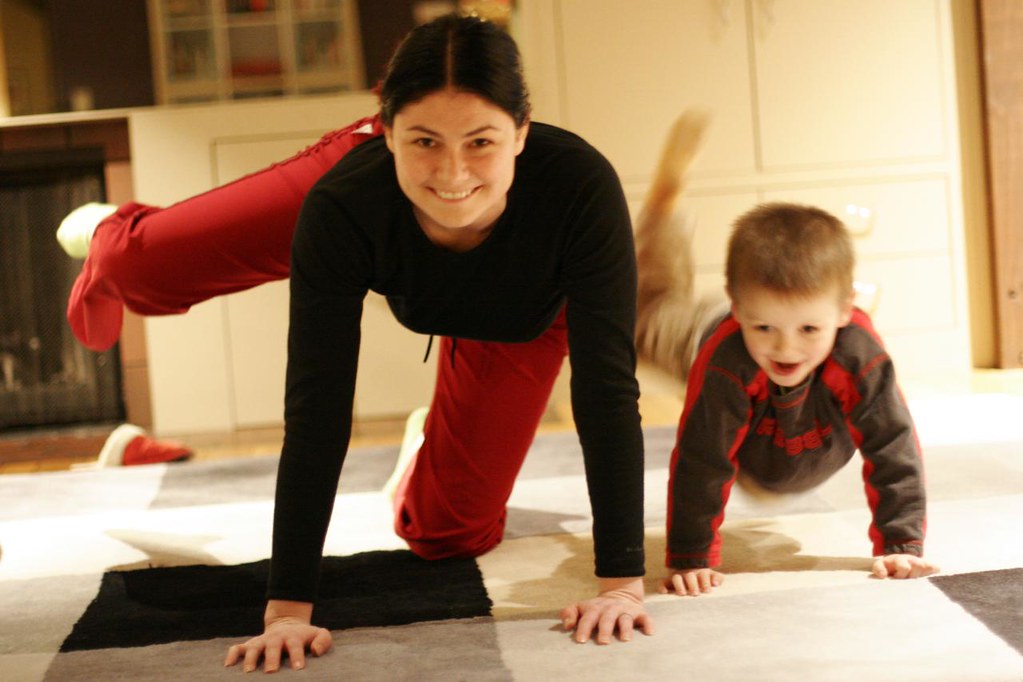
    mother and son practice pilates for pregnancy - _MG_2985.JPG
    mother and son practice pilates for pregnancy – _MG_2985.JPG

    Note that lifting heavy weights is an effective way to build muscle. Furthermore, it can even help increase bone density – something particularly helpful if you are concerned with osteoporosis. But it is essential that proper technique be observed as lifting such loads can result in serious injuries if performed incorrectly.

    Pilates and calisthenics offer great strength training options that can develop muscles across your arms, legs, core, back and thighs. Both methods offer convenient alternatives if time or budget don’t permit gym memberships.

    Both Pilates and calisthenics can help develop core strength, improve posture and lower risk of injury. Though Pilates excels at building core strength, weight training combining calisthenics and calisthenics provides superior results.

    The Squat to Push-up exercise is an intensive calisthenics move that targets abdominal, chest, arms and legs simultaneously. Starting in a squat position with feet more than shoulder-width apart, then jumping slightly upward while moving their arms overhead while clapping together before returning back down into their starting squat position. A high repetition count should be kept when performing this challenging movement.

  • What to Bring to a Pilates Class

    What to Bring to a Pilates Class

    Starting your first Pilates class may be daunting. Not only are there numerous exercises to choose from, but you must also know what clothing will be necessary. Although some individuals might make do with T-shirt and biker shorts alone, full preparation for Pilates requires more. If you’re uncertain of what you need for class, read this article as it provides everything necessary.

    Men and women both should wear form-fitting clothing when taking part in Pilates sessions, so instructors can quickly understand subtle nuances in your posture and avoid small mis-adjustments that add up over time to pain. Long hair that is unrestrained or loose jewelry may become caught up on equipment and cause injuries; baggy clothing should also be avoided to maximize results.

    While attending a Pilates class, you should avoid anything that might damage the exercise equipment or injure you personally, such as loose clothing and perfume or cologne that could distract or disturb other members of the class. Many studios request that participants refrain from wearing strong scents to minimize distraction.

    A good water bottle

    As Pilates class can often cause you to sweat profusely, it is wise to bring along a water bottle. Staying hydrated throughout the workout will be key; having one at hand can ensure you do just that!

    Pilates mats are essential components of the class experience. Thicker than regular yoga mats, Pilates mats provide extra cushioning and support during exercises. You can purchase one online, at sports stores, department stores or from Pilates studios themselves at discounted prices.

    Grippy Socks Are Useful

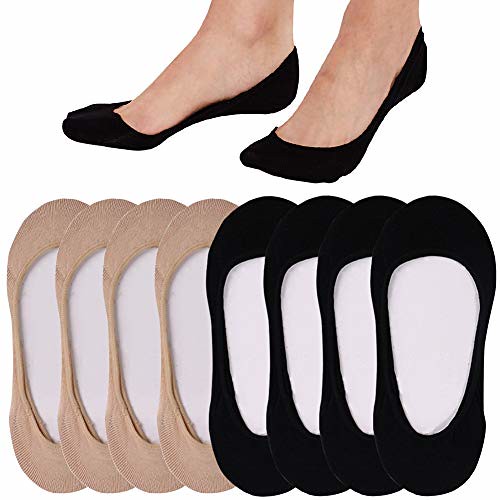
    Sock Liners With Non Slip Grips
    No Show Socks For Women Casual Low Cut Sock Liners With Non Slip Grips Women’s Cotton Invisible Socks

    Grippy socks are essential when attending pilates classes, as these socks feature performance grips to stop slipperiness during your workouts. Available from numerous brands like Alo Yoga, Wander G, Pointe Studios and Bombas (not forgetting Sweaty Betty socks), these products are an essential piece of equipment.

    Make sure to bring a pillow for your back, which will help ensure you remain comfortable during Pilates exercises. A pillow can provide your spine with additional support as you practice Pilates.

    Be sure to wear a supportive sports bra during your Pilates class to avoid injuries like stretching of ligaments and scarring that cannot be reversed. Talk with your instructor beforehand about any injuries or body changes so they can adjust exercises appropriately; and speak up if any questions or concerns arise during class so your voice will allow the instructor to hear more clearly and respond more promptly.

  • Can You Do Reformer Pilates While Pregnant?

    Can You Do Reformer Pilates While Pregnant?

    Reformer Pilates can be an invaluable way to strengthen and increase flexibility, especially for abdominal muscles and joints. When practicing Reformer Pilates during pregnancy, certain precautions and adjustments must be made in order to ensure a safe workout without endangering either the expectant mother or her unborn baby.

    The first trimester of pregnancy is often considered to be the safest stage. At this point, reformer pilates exercises may still be safe to perform provided an expectant mother listens to her body and pays close attention to any restrictions such as long periods spent lying flat on one’s back for extended periods as this could restrict blood flow to the uterus and possibly harm its contents; some exercises such as the prone leg stretch may even benefit from using pillows or props to support it during this phase of gestation.

    Listen To Your Body!

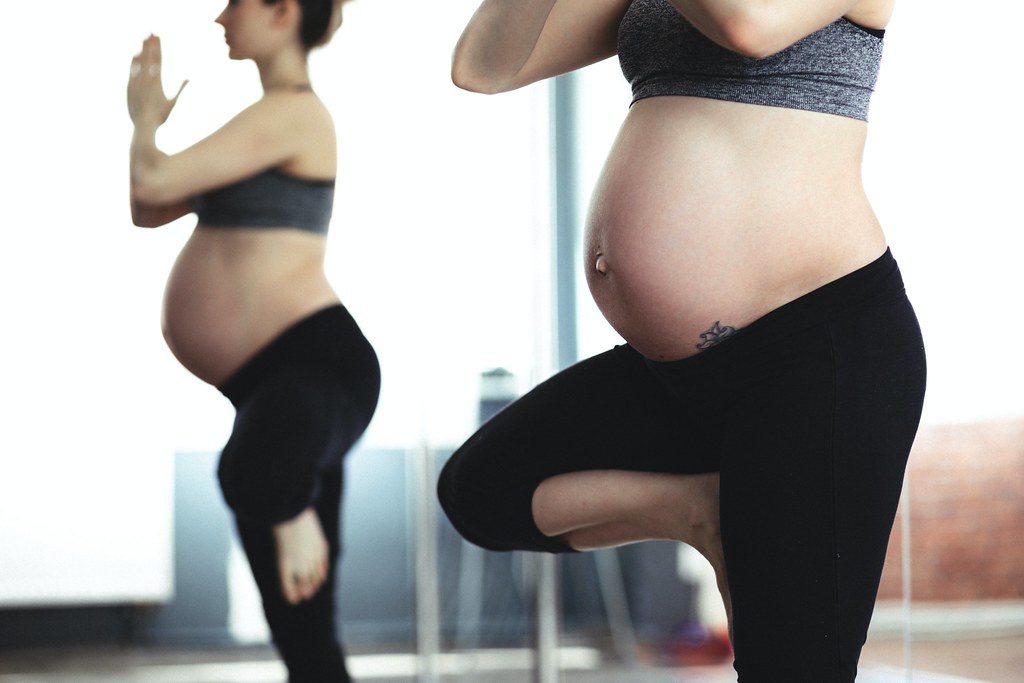
    Abdomen active activity belly
    Abdomen active activity belly – Credit to https://homegets.com/

    At this stage, most Pilates exercises should be safely undertaken; however, it’s essential that you listen to your body and do not overexert yourself. Exercise that involve lying flat on back should also be avoided, along with forward facing abdominal or plank exercises as they place considerable strain on the stomach and may become increasingly uncomfortable throughout gestation.

    As your weight continues to increase during gestation, it’s essential that you use only light resistance exercises and light weight resistance as resistance increases with weight gained in pregnancy. Exercise such as reverse Kegel exercises to strengthen and support pelvic floor muscles in preparation for labor and delivery are especially helpful. Avoid forward facing leg work which could put additional strain on knees.

    Pregnancy Pilates

    Pilates Anytime offers highly trained instructors who specialize in Pregnancy Pilates to provide expert advice and guidance as to what is safe during gestation. As always, prior to starting any fitness regimen it is wise to consult your healthcare provider who has a full understanding of your medical history and can offer customized advice based on individual circumstances.

    Pregnancy Pilates can be an excellent way to stay physically fit during gestation and reduce stress and anxiety. Before beginning any physical activity program, always consult with your healthcare provider first, taking any discomfort seriously as soon as it arises.

  • Lagree Vs Pilates

    Lagree Vs Pilates

    Lagree and pilates each offer distinct advantages to fit different goals and physical needs, with pilates being perfect for flexibility, posture and core strength, while Lagree provides a high-intensity workout to increase muscle tone, increase endurance and promote balance and body alignment. But which fitness method should you pick? Below we compare lagree with pilates so you can decide which fitness approach will help achieve those results for you.

    Sebastien Lagree developed this in 21st Century

    Sebastien Lagree developed his Lagree technique in the early 21st century as a hybrid strength training and Pilates exercise approach, designed to fill a void between traditional strength training and Pilates. Utilizing a machine called Megaformer, lagree classes deliver high intensity workouts designed to build muscle tone while increasing endurance; its low impact exercises may even benefit individuals suffering from chronic back pain, osteoarthritis or other joint ailments.

    Pilates stands out as an exercise method with potential to increase flexibility, improve posture and balance, strengthen muscles without bulking up, as well as target smaller muscle groups which often go unused during weight lifting and high intensity interval training workouts (HIIT).

    Mat Pilates
    Mat Pilates

    A typical lagree class

    By contrast, a typical lagree class typically involves a combination of core strengthening exercises with movements targeting multiple muscle groups at once. Exercise are performed faster with less rest time for maximum muscle fatigue faster. Furthermore, many movements in these classes take place standing on Megaformers to add another challenge to stability and core training.

    Both exercise methods can be beneficial to anyone, but are especially helpful for those living with chronic back pain, injuries or aches and pains. Both workouts not only sculpt the body and build lean muscle mass but can also relieve stress, anxiety and promote spinal alignment – plus their gentle yet effective nature offers real fitness results without straining ligaments and joints – an attractive solution for those hoping to get into exercise but fearing injury or discomfort.

    Selecting between lagree and pilates depends on your personal fitness goals and priorities. If strength-building and muscle tone are your main concerns, Lagree may be best. On the other hand, Pilates’ focus on movement control and core strengthening could prove more suitable if flexibility is top of mind.

    No matter the method of exercise you prefer, Pure Fitness Studio has something perfect for everyone! Choose between high-intensity Lagree classes or relaxing and stretching Pilates; our studio offers classes to meet each of these unique needs and more! Schedule a tour now if interested; Haleigh Halawi, Owner/Director of Pure Fitness Studio can’t wait to welcome you into class! -Haleigh Halawi

  • Yoga Vs Pilates For Back Pain

    Yoga Vs Pilates For Back Pain

    Yoga and Pilates can both be great forms of back exercise; which one best meets your specific needs and goals will depend on them. If you prefer mixing physical healing with spiritual experience and breathwork, yoga may be more suited. Otherwise, pilates is likely better suited as it focuses on core strength development.

    Begore You Start!

    Before beginning any exercise program, it is always a good idea to consult a physician or health professional first. This is particularly important if you have existing health conditions which necessitate caution with certain exercises or contraindications against certain exercises. Also make sure you find an instructor with a solid reputation for safe and effective instruction such as yoga or pilates.

    Yoga and Pilates both help strengthen the muscles that support your spine, and thus minimizing strain on its vertebrae. Their primary difference lies in that yoga offers various poses and stretches to increase flexibility, while Pilates generally focuses on core muscle development.

    Yoga Pose for Back Pain

    yoga-back-pain
    yoga-back-pain

    Some of the key advantages that yoga can offer include increasing flexibility, improving balance and creating stronger stances. Furthermore, many classes include moments dedicated to meditation and mindfulness which are known to have numerous mental health benefits. Furthermore, yoga can strengthen lower back and abdominal muscles to decrease risk of back pain.

    Yoga poses that focus on gentle or therapeutic yoga are often best suited to treating back pain, and choosing an appropriate style is crucial – as vigorous or advanced practices could put too much strain on your back. Focusing on alignment while communicating with your teacher if any concerns arise is also advised.

    Unfortunately, if you push too hard into yoga poses or attempt too many backbends or bridge poses too quickly it could be harmful to your spine. This is particularly the case when participating in classes that aim to wring every inch out of them such as backbends and wheel pose.

    Though some classes specifically target back pain, most yoga and Pilates group sessions won’t be tailored to meet your unique requirements. Furthermore, such classes could potentially be too fast-paced to address it directly while possibly including movements which exacerbate it further.

    Pilates for Back Pain

    Pilates is a more structured form of exercise than yoga and is typically taught to small groups of 10 or more participants. Although group classes may be less expensive, they typically aren’t tailored to meet different physical conditions and injuries – for instance if you have low back injury or spinal disc herniation forward and backward bends can aggravate your discomfort further – however a qualified Pilates instructor should be able to guide your progression for your condition and provide correct form for each exercise so as to not further injure yourself further!

  • Celebrities Who Do Pilates

    Celebrities Who Do Pilates

    Pilates has long been an influential form of exercise, known for toning the body and increasing flexibility while improving posture and relieving back pain. Many celebrities have been seen engaging in this workout to look leaner and stronger as it maintains camera-ready looks – Jennifer Aniston being one such celebrity who swears by this form of fitness regime to ease back and hip issues, alongside Sofia Vergara and Chelsea Handler who endorse it too.

    Known to relieve tension

    Pilates is widely recognized for its ability to help relieve tension and anxiety. This is likely one of the reasons it has become so popular among celebrities; many are dedicated to maintaining their mental wellbeing, and Pilates has proven itself effective for this goal. Furthermore, this form of workout has proven useful for treating anxiety and depression symptoms in some individuals; in fact some have even claimed it helped them come out of depression altogether!

    Pilates is an extremely low-impact workout that’s gentle on joints, making it an accessible fitness option for people recovering from injuries. Before beginning any new fitness regime, however, it is always advisable to consult your physician, who may advise taking it slowly or altering your workout plan as necessary. Beginners to Pilates may start off at basic level classes before progressing onto higher ones.

    Actress Taraji P. Henson at The Cosmopolitan Grand Opening
    Actress Taraji P. Henson at The Cosmopolitan Grand Opening and New Year’s Eve Celebration

    This actress is an avid proponent of Pilates, sharing pictures from her workout sessions on Instagram. She credits Pilates with helping her attain her desired body shape and tone as well as improving her breathing–both of which are crucial components of acting success. She does her workouts at her home studio with great enjoyment!

    This model has long been an advocate for Pilates. She often posts pictures of her reformer workout sessions on Instagram and cites how Pilates sessions have helped her to reach her body goals, including staying slim after having kids. She does Pilates several times weekly in order to remain in good condition.

    She is an esteemed singer who has long embraced Pilates to maintain her figure and stay flexible, as well as regularly using it to stay active. She claims that Pilates helps keep her figure looking its best while remaining flexible – she claims doing it every day keeps her physically active!

    This footballer has taken to praising Pilates on social media frequently. She praises it as a great way to keep her heart rate pumping as well as strength training and resistance exercises, all within an enjoyable session. Pilates has helped her keep her body perfect even after giving birth – something she attributes directly to Pilates!

  • Tang Soo Do History and Its Evolution

    Tang Soo Do History and Its Evolution

    Tang Soo Do (Moo Duk Kwan), is one of the best-known martial arts practices worldwide. Originating in Korea before Taekwondo (TKD), this Korean art can still be practiced worldwide today and has had an enormous influence on other martial arts like Karate and Kung Fu; many principles and techniques from Moo Duk Kwan can also be seen within Taekwondo with some distinct differences present between both styles.

    Understanding tang soo do history and development requires knowledge of some background information on this martial art. When first introduced in Korea in the 1940s, tang soo do was an offshoot of Okinawan karate and Chinese martial arts styles; Grand Master Hwang Kee incorporated many forms from these styles into his tang soo do system while emphasizing kicking, punching and mental training in addition to loyalty to country and honor as principles to help his students both in combat situations and life overall.

    Following World War 2, Korea became independent, and post-occupational emigres returned home. Grandmaster Hwang Kee formalized Tang Soo Do into schools or kwans where students learned martial art techniques while developing individual fighting styles of their own. Kwans also trained their members for instructor roles. Over time, Tang Soo Do spread outside Korea.

    Tang Soo Do was used by South Korean soldiers during the Korean war to fight more effectively, drawing praise from military leaders and President of Republic of Korea Syngman Rhee who recognized its effectiveness for close quarters combat. Rhee ordered that all soldiers train in Tang Soo Do in order to increase their defensive abilities and enhance their chances of victory in battle.

    Grand Master Hwang Kee

    Grand Master Hwang Kee traveled widely, learning different martial arts styles from around the world. When he returned to Korea, he shared these techniques with his students – beginning the evolution of Tang Soo Do into its modern form.

    Tang soo do is still an increasingly popular martial art today, with more people studying it from teachers and martial arts organizations across the world. While most modern practitioners can trace their lineage back to Hwang Kee’s practice of the discipline, some may have their own distinct methods and teaching approaches resulting in numerous associations, federationss, alliances and brotherhoods each with its own distinctive teaching approach and methods.

    Tang soo do is rapidly growing in popularity, which means more schools are opening. This bodes well for students as there will be more places they can get their martial arts education needs met. Furthermore, as more instructors specialize in Tang Soo Do it gives students the best possible opportunity to learn it; those that combine correct martial arts techniques with strong teaching abilities and an ethical code tend to do best as instructors.

  • The Benefits of Stretching Toes

    The Benefits of Stretching Toes

    The foot is an intricate system comprised of 26 bones and 33 joints that work together to support our bodies while providing balance, mobility and control when walking, running or engaging in other activities. Over time however, factors like long periods of standing or wearing poorly fitting shoes may cause toes to become swollen, tightened and misalign with one another, leading to discomfort when performing activities requiring pointing and flexing of the toes – this pain can only worsen with activity that involves pointing and flexing of toes; regular toe stretching can alleviate symptoms while helping prevent further issues from arising.

    Stretching may not cure bunions or hammer toe, but it may ease symptoms and lower their likelihood. Stretches for bunions or hammer toe can improve flexibility and movement in feet and toes while relieving pressure from toes and improving mobility in toes.

    Toe stretches are simple to incorporate into daily activities like exercise, yoga or simply getting out of bed each morning. Doing these stretches regularly can offer many advantages for improving flexibility, movement and strength in feet and toes as well as blood flow to these tissues – providing oxygen and nutrients while flushing out waste products from cells in feet and toes.

    Stretching can help alleviate many common foot and toe conditions such as bunions, hammer toes and plantar fasciitis. Furthermore, stretching can strengthen feet and toes reducing their susceptibility to injury from overuse or wear and tear.

    Toe stretches can be performed by standing beside a wall or other hard upright surface with your feet shoulder-width apart and shoulder-width apart, using both hands for balance as you press your toes against it for about five seconds before returning your foot back onto the floor and repeating this for both feet.

    Other toe stretching exercises involve sitting down and raising your toes off of the floor while pointing and flexing them, spreading them as far apart as you can, and repeating these stretches twice or three times daily.

    Toe spacers can be an effective addition to stretching to increase range of motion and strengthen muscles in the feet and toes. Available in an array of sizes and adjustments to suit different foot and toe types, these devices can be worn during daily activities or while sleeping to provide support and comfort; during sports or walking they can help improve flexibility, mobility and reduce the risk of toe deformities from excessive tightening. To discover more about using toe spacers in daily life schedule an appointment with a podiatrist today!

  • Hiit Workouts For Women Over 50

    Hiit Workouts For Women Over 50

    Hiit workouts may seem intimidating to the average woman, yet they can still provide great benefits to women over 50. They typically feature models covered in sweat, with promises to reduce fat storage and eliminate “middle age spread.” Yet in reality, hiit workouts for women over 50 are just as effective and should easily fit into your fitness regime.

    HIIT (High Intensity Interval Training) is an intense form of exercise designed to raise your heart rate in short bursts before rest periods. This method builds endurance, muscle tone and can even accelerate metabolism so that more calories will be burned once your workout has ended. Research has proven that high intensity interval training (HIIT) workouts are beneficial to men and women of all ages; however, they are especially useful for postmenopausal and premenopausal women. Studies published in “Menopause”, The Journal of North American Menopause Society, have discovered that high intensity interval training (HIIT) workouts are an effective form of exercise to decrease fat mass and increase lean muscle mass, which in turn helps combat symptoms associated with menopause such as hot flashes and weight gain.

    There are various ways to perform a high intensity interval training workout, from doing it at the gym or at home with equipment to using bodyweight exercises alone. Whatever method you choose, the key to making your HIIT sessions effective and regular is working up to an intensity level you are comfortable with and practicing it regularly – for beginners starting out it may help to start off by rotating between 20 seconds of high intensity and 90 seconds of lower intensity; over time as your strength and stamina develop, gradually increase both interval intensity and decrease rest periods accordingly.

    HIIT workouts can vary from 10 minutes to 45, depending on your fitness level and intensity level of effort. Shorter workouts tend to be more appealing for people pressed for time as they require less of their attention to be diverted away from other activities and allow greater flexibility with regards to where and when they can be completed, which makes incorporating them easier into a busy schedule.

    HIIT workouts aren’t only time-efficient; they also work wonders in terms of hormone balance and visceral fat management – something common during menopause. By decreasing insulin sensitivity, blood sugar levels and oxygen consumption per beat, they help you increase heart pumping capacity while simultaneously managing stress through serotonin release and decreasing cortisol, two chemicals which may become elevated midlife.

    Although high intensity interval training (HIIT) workouts can provide you with maximum exercise return, they should only form part of an overall health and wellness plan, alongside low intensity resistance training, cardio exercise, balance and flexibility training and low intensity resistance training. Most experts suggest doing a few HIIT workouts each week along with regular physical activity to achieve the best results.

  • The Best Exercises For BJJ Conditioning

    The Best Exercises For BJJ Conditioning

    Strength training programs designed for BJJ conditioning are critical to both optimizing performance and preventing injuries. Unfortunately, injuries are a regular occurrence among grapplers and can be devastating to a training regimen, especially if they occur near tournament time. To minimize injuries it’s essential that athletes use correct technique during warmup and take an proactive approach when warming up on rest days; in addition, mobility routines should also be integrated as part of this warmup or on rest days in order to enhance joint and musculoskeletal flexibility.

    BJJ is an exciting sport that demands agility, coordination and explosiveness at an elite level. Strength training will improve these attributes by stimulating fast-twitch muscle fibers and increasing bone density (Ovretveit 3). Furthermore, strengthening exercises may prevent joint injuries by strengthening muscles surrounding them and stabilizing them against impact forces.

    A well-designed BJJ strength program should include a three-phase training block structure with the intent of peaking for specific competitions at the end of each block. Each month-long block should then be followed by one week of deload training. Each block should last one month followed by de-load week. Each month should include light to moderate intensity strength training focusing on key lifts and at least 85% of 1 rep max (1RM) exercises as a minimum in its initial base building phase.

    At this stage, athletes should gradually increase intensity and volume by gradually increasing both reps and weight used, increasing fatigue levels while simultaneously developing strength and hypertrophy in all parts of their bodies. Athletes should aim for maximum muscle stimulation at each set end so as to ensure their muscle tissue is receiving maximum benefit (Ovretveit 5).

    For those who are seeking more challenging and specific exercises, the B Stance Squat could be ideal. It places the body in a position similar to low wrestling stance or modified combat base posture used when passing guard in BJJ – something which this movement can progress by adding weight (sandbag on chest or kettlebell in goblet position as desired) as you become comfortable with it.

    The barbell back squat is one of the best exercises for BJJ, providing an effective means of building strength and hypertrophy in glutes, quads, hamstrings and lower back muscles. Furthermore, this exercise strengthens lower back by improving core muscle integrity – maintaining such an important core during grappling is often challenging but will help to prevent injuries to back.

  • Facial Exercises For Jowls

    Facial Exercises For Jowls

    As we get older, the skin beneath your jawline may start to sag and hang lower, giving an aged appearance. However, there are facial exercises for jowls which can help tighten this loose skin and give your face a natural lift; additionally these facial exercises can improve blood circulation and overall health benefits.

    Though many may fear the sight of sagging jowls and wrinkles as part of aging, it’s important to remember these changes are part of life – though some people may notice these effects earlier than others. If this concerns you or you want to appear younger there are facial exercises for jowls that you can perform at home to tighten skin tighten it and reduce its appearance of jowls.

    The pufferfish exercise is an effective form of facial yoga designed to firm up cheek muscles. Begin by forming your hands into fists and using your knuckles to massage along the top jawbone in a circular motion – this will stimulate muscle tone while providing your face with fresh blood, oxygen and nutrients needed for healthy cells – thus helping prevent build-ups of fluid which cause jowls or wrinkles in this area.

    Another effective facial exercise to tighten sagging jowls is the jaw tapping exercise, an effortless practice you can perform while sitting comfortably in a chair or on a mat. When performing this exercise, use your fingertips to tap rapidly on cheeks, jaw, and skin around mouth – make sure that this occurs evenly over all parts of your face for best results and tone your facial features, remove fine lines from skin around mouth area and tighten sagging jowls!

    As well as the jaw tapping exercise, yawning exercises provide another effective form of face yoga for jowls while lying down. While not as powerful, it still serves to tighten loose jowls, eliminate wrinkles, and help tighten loose jawlines without creating turkey necks or wrinkles. When performing this exercise, open your mouth wide like you were yawning before slowly closing it again without touching your teeth with either hand before repeating until your jowls firm up or no longer show evidence of droopy jawlines!

    Researchers conducted a small study demonstrating that participants who engaged in facial exercises for jowls experienced reduced jowls, less of a turkey neck, more defined cheeks than in the control group and overall reduced double chin or wattle formation. While these exercises are promising, further research needs to be conducted on them in order to assess if they truly help tighten your jowls and eliminate double chin formation or not. Besides facial exercises alone, eating well-balanced meals and losing excess weight are essential steps as this will ensure your body receives necessary nutrition that will prevent fat accumulation around cheeks and double chin development resulting in further tightening or tightening of your jowls/wattle formation/wattle formation/etc.

  • The Benefits of Deep Squat Hold

    The Benefits of Deep Squat Hold

    Few exercises offer as much benefit for strengthening the entire body as squatting does, with its many health advantages stretching far beyond quads, glutes, calves and even joints – strengthening them against injury while making muscles stronger overall. Unfortunately though, deep squat holds are not for beginners – they require high ankle mobility which may prove challenging to some individuals; physical therapists can provide tips to ensure proper form and progression safely.

    Not only can deeper squat holds help boost strength, they can also enhance mobility and flexibility in your knees, hips and back. According to Dr. Matos this requires soft tissues such as muscles and ligaments to stretch more than in a standard squat and this flexibility plays a vital role in helping prevent injuries during workouts.

    As you progress toward full deep resting squat, your ability to stay in this position for longer will increase as well. Thurman advises beginning with 10 seconds and gradually increasing it up to 30 seconds over time. At first this may feel unnervedly unnatural if most of your life has been spent sitting down in couches and office chairs – but as you squat focus on keeping feet flat on ground with neutral spine, rounding shoulders back without arching your back and keeping feet in their proper positions without rounding shoulders back or rounding shoulders over arching backs if necessary.

    Squatting regularly will strengthen the tendons around your knees as well as the ligaments holding them together, decreasing your risk of knee injuries and making participation in sports or weightlifting that require repeated squats more likely.

    Squatting will also aid in building bone density. Any weight-bearing exercise can improve bone health, but squats in particular have an especially profound impact. To increase its effectiveness further, try adding resistance by holding weights or even just wearing a heavy backpack filled with books while you squat.

    Deep squat holds can be an excellent addition to your workout regimen, but newcomers or those suffering from injuries should consult a physical therapist first if they’re new to this exercise. They will guide them through lowering into full deep squat position safely while ensuring correct alignment to avoid injury.

  • Leg Exercises For Women to Slim Legs

    Although some might assume slim legs are an indication of genetics, diet and exercise both play an integral part in how you look. Training lower body and core, burning calories, and shedding excess body fat are essential in getting leaner, stronger legs. By including the following leg exercises to slim legs into your routine can help achieve that runway model look.

    High-intensity exercises, like those listed below, help build muscle mass and decrease body fat. One study involved participants working their non-dominant leg for 12 weeks using leg press exercises; researchers discovered this exercise did not increase leg-specific body fat but did reduce overall body fat levels.

    Start out slowly – two to three sets per leg exercise or approximately 20 repetitions for each set should do it. Weighted or nonweighted exercises are both suitable options depending on your fitness level; newcomers to exercising should begin with lighter weights before gradually building up to heavier ones.

    As with any weightlifting workout, proper form is of utmost importance when performing leg exercises. To prevent injury and maximize muscle contraction during each repetition, make sure you keep your back straight while engaging your core while performing these exercises. Pausing before each repetition to contract the muscles more fully provides an added challenge and could add even greater results!

    Start off standing with feet shoulder width apart, taking a big step forward until your knee reaches approximately 90-degrees. Hold for a second before pushing up evenly through both feet to return back to starting position and repeat this exercise 10-15 times per set.

    Doing the squat lunge exercises targets quads, hamstrings and inner thighs for an all-around leg workout that will tone and slim down legs. It is an excellent addition to leg day, since this movement will hit all major leg muscles for toning up and slimming down legs.

    The bridge exercise targets hip, thigh and butt muscles while improving your posture. This exercise is great for those who spend long periods sitting, which can lead to muscular imbalances and poor posture. To add an extra challenge with this workout, use a resistance band around your thighs for this routine.

    Spot reducing isn’t as effective as overall weight loss for reaching slimmer legs and more toned calves. To boost results, focus on burning total body fat by cutting back on processed and sweet foods while eating more unprocessed whole foods instead.

    While these leg exercises for women to slim legs are great, don’t neglect including other strength training and cardiovascular exercises into your routine as well. This will ensure that you develop a well-rounded physique and achieve the results you’ve always longed for. Don’t be afraid to mix up your workout regimen by challenging different muscle groups with new leg exercises for maximum definition – just make sure that the muscle receives adequate rest between workouts to allow it to repair and grow!

  • Back Extension Vs Deadlift Alternative Exercises

    Back Extension Vs Deadlift Alternative Exercises

    Back extensions (also called back hyperextensions) are an excellent exercise for strengthening spinal erectors, making them one of the best deadlift alternative exercises available to you. Furthermore, they’re great if you work at a desk job and want to strengthen both their lower back and glutes at once – plus those who struggle with the stickiness associated with standard deadlifts (also referred to as sumo deadlifts).

    Bad For Your Spine?

    Though some might argue that back extensions are bad for your spine, this simply isn’t true – the issue lies with how they’re performed.

    If your movements are executed incorrectly, there’s a high risk of arching your back and placing undue stress on the discs in the lower back region. To minimize injury and reduce back pain, focus on squeezing your lower back muscles throughout each movement to keep the spine neutrally aligned; this will help avoid injuries to yourself or cause back discomfort.

    compare back extension exercises

    Back extensions offer another advantage in that they’re less fatiguing than heavy deadlifting exercises, making them perfect for higher rep sets and short-term hypertrophy blocks. Furthermore, they may also be an effective choice if your back injury prevents training the traditional deadlift, or you prefer using lighter weight to allow more repetitions per session.

    Back extensions offer an alternative way of performing deadlifts without needing access to an extensive barbell setup or multiple plates; all you need are two dumbbells or one barbell and some bumper plates – making this movement more accessible for those without access to barbells at home or members of gyms with limited equipment.

    Back extensions also serve an additional function by strengthening hips and back muscles – helping improve squatting technique if that’s an area of weakness for naturally strong squatters.

    Dead Lifts Get a Bad Rep!

    Deadlifts may have a bad rep because of how they place too much compression and shear force on lumbar vertebrae and spinal ligaments, leading to pain in either your spine or knees. But this myth is untrue – instead, execution plays an essential part of how they impact spine health – it must be performed correctly with neutral spine alignment throughout movement in order to avoid injury for both your spine and knees! Otherwise you’re setting yourself up for pain either way!